working Darkness I

art, recent work

Last week, the Nomadic University held its eighth oasis called ‘Crisis? What Crisis?’ – once more in Åbo/Turku. There were lectures by Roger Säljö, Bruce Johnson, Karl-Erik Norrman and others … the opening of Hanna Varis’ exhibition in Åbo Castle… and some good working which will hopefully turn out fruitful.
For full programme, see the NUrope webpage:

  • http://www.nurope.eu/abo-turku.html)
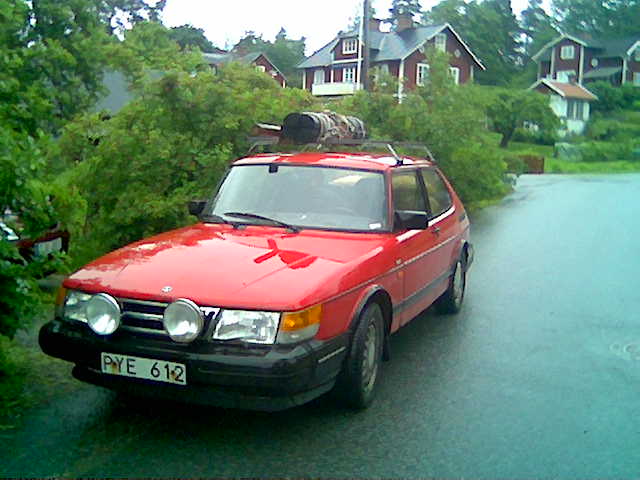
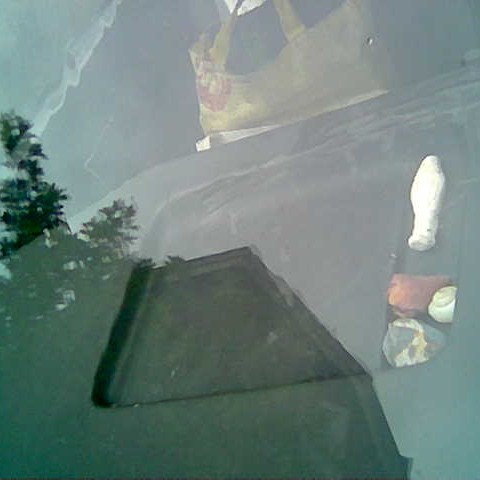
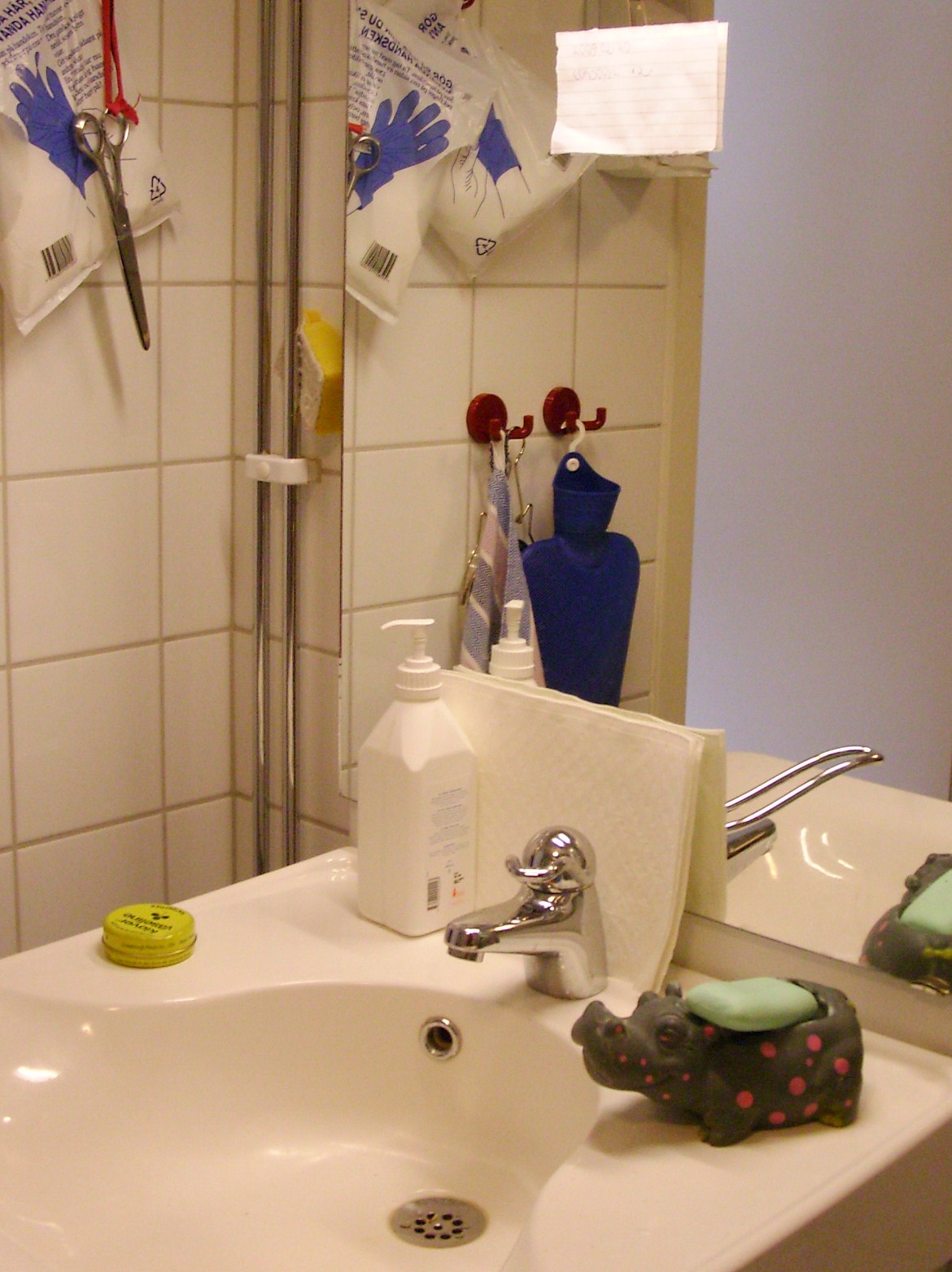
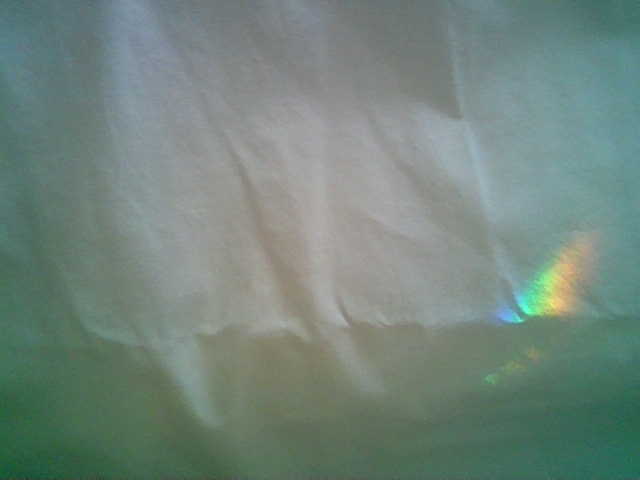
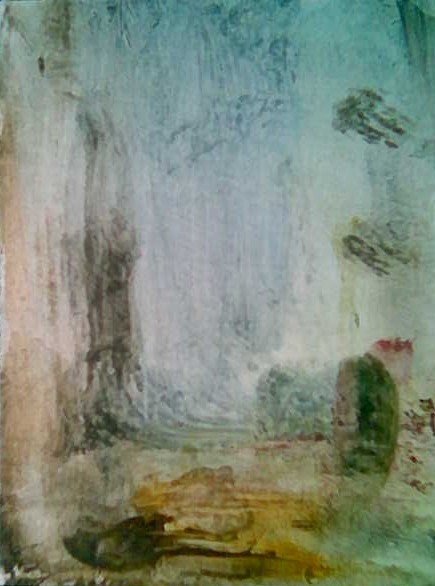
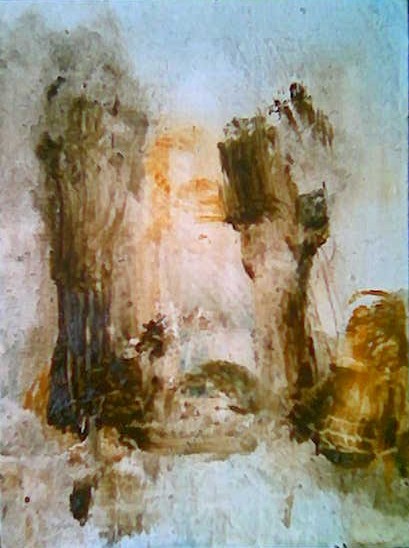
  • Now, after a short visit home, I pack my car for returning: one bag of course literature, a cool bag for milk and honey, some personal things – clothes and toothbrush, mainly; a huge big cauldron, ten litres of liquid soap, a carpet, a tarpaulin, a bed-sheet and a young tree-trunk plus eight sacks of first-class quality wool in different shades of darkness. Let’s see what will happen next.
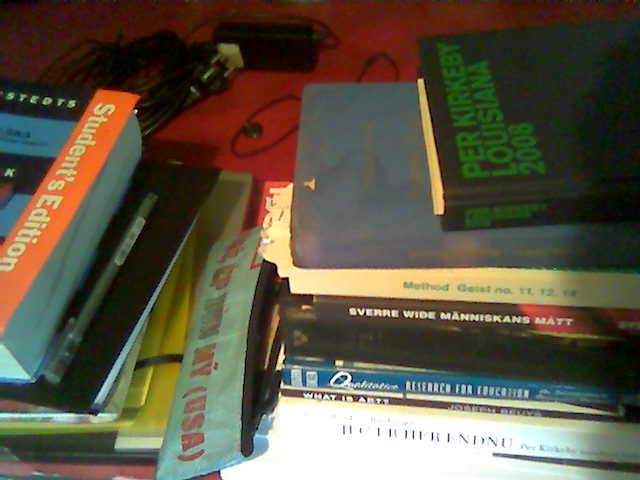
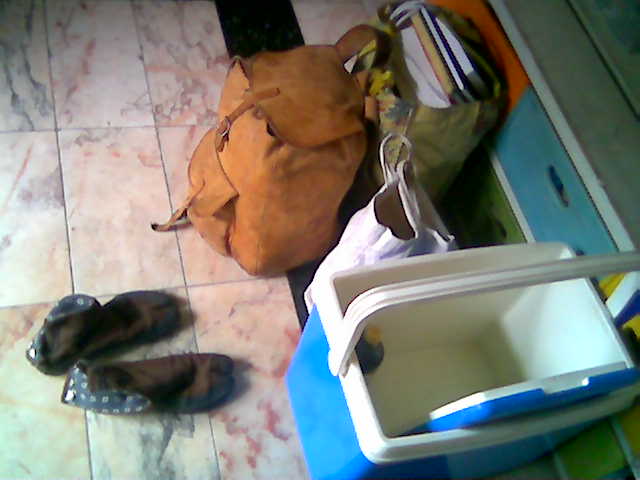
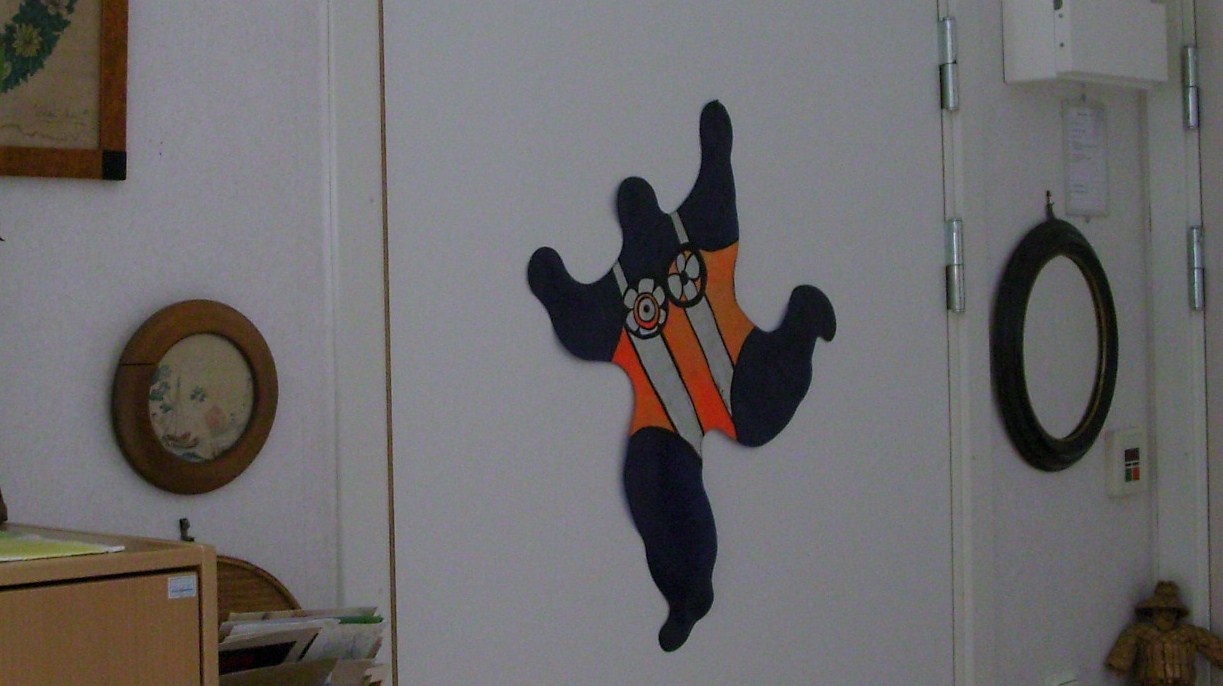
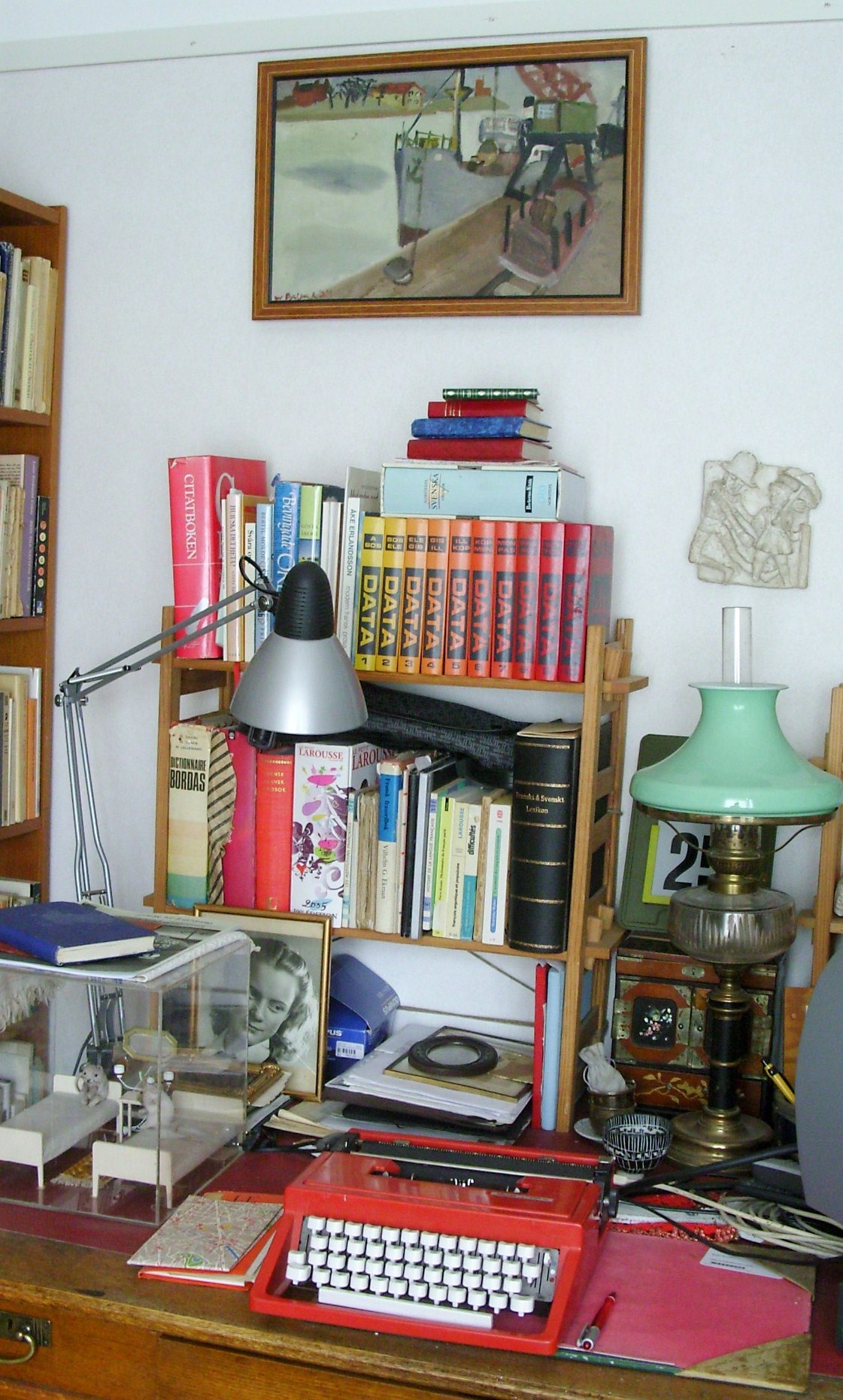
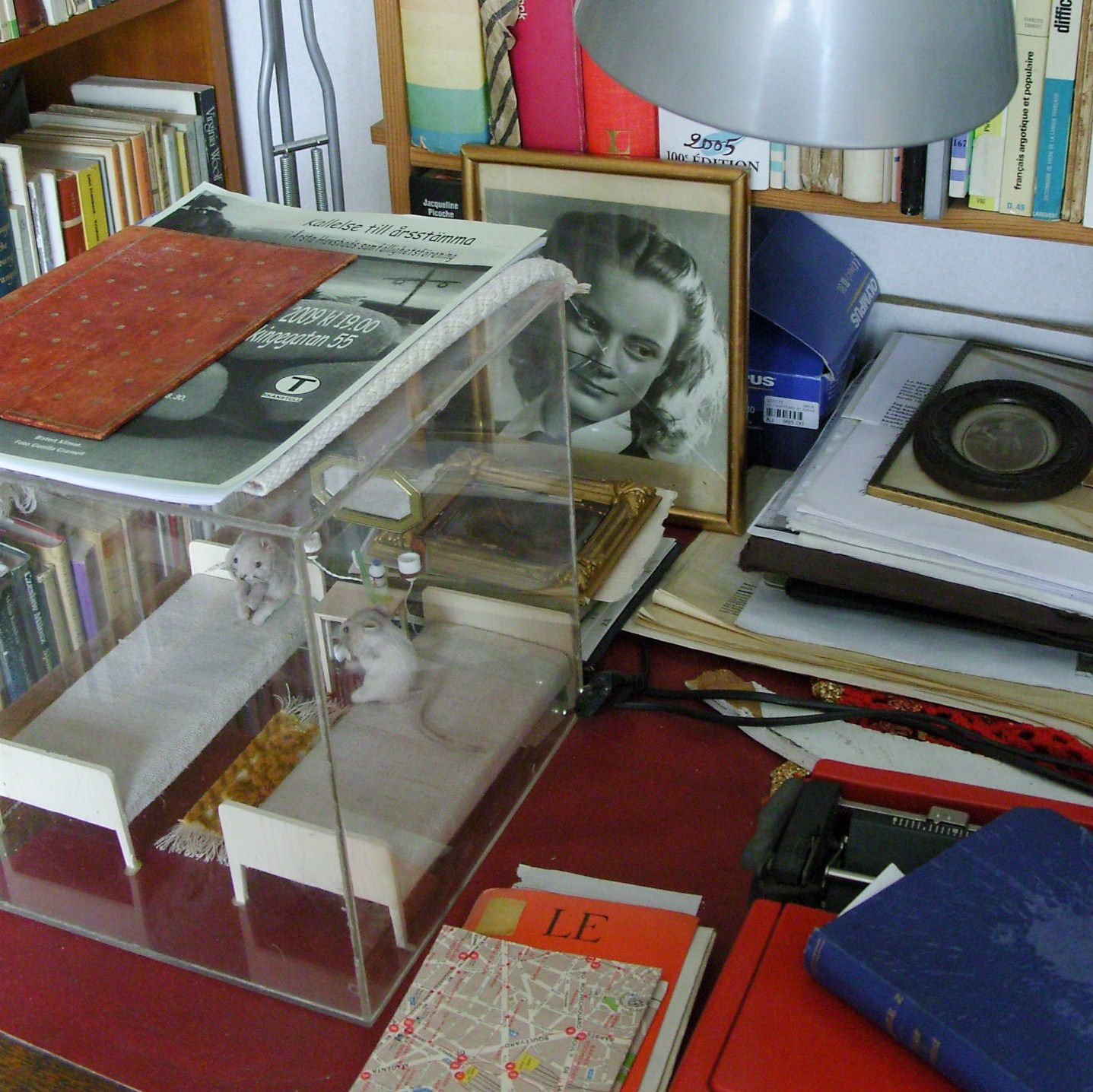
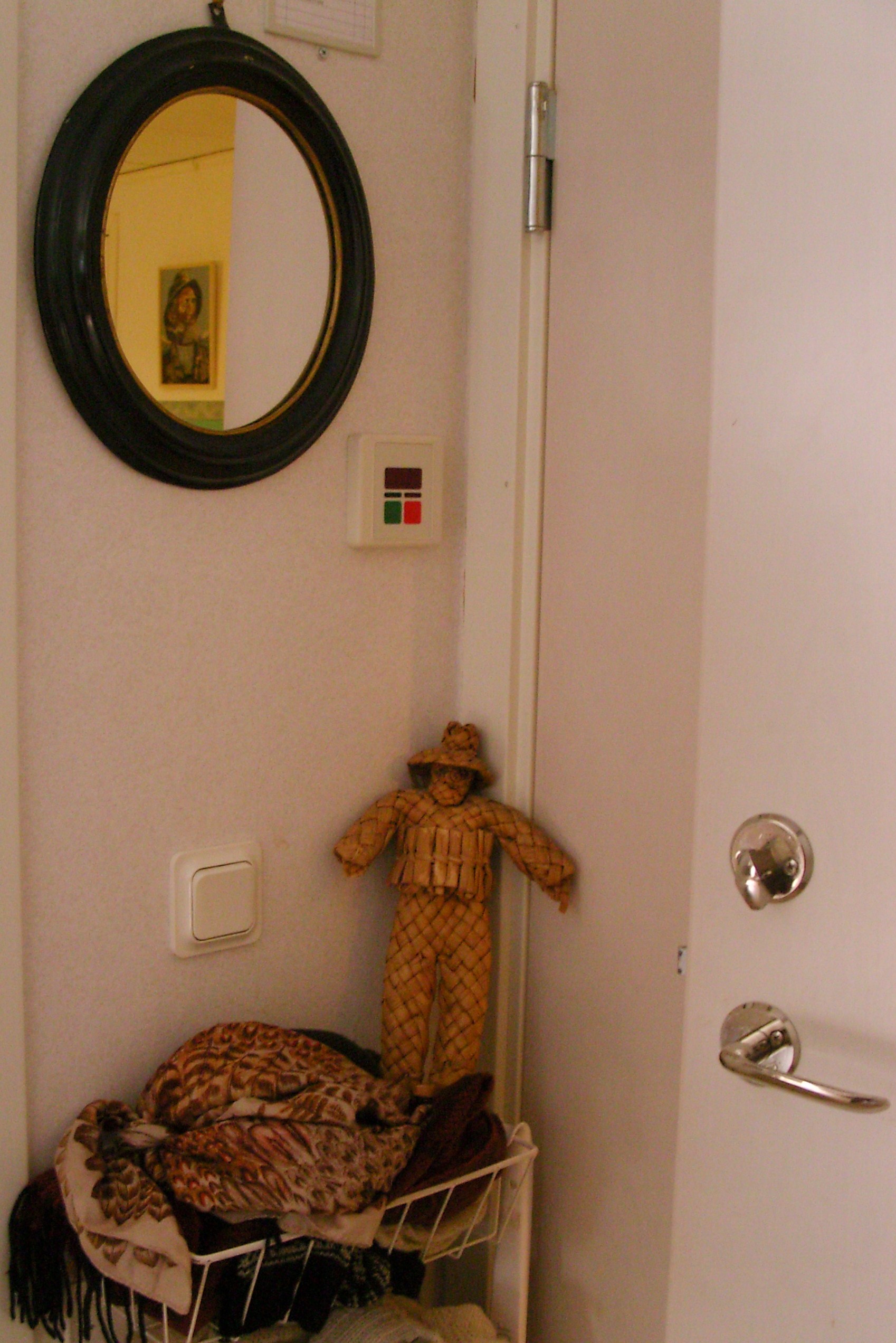
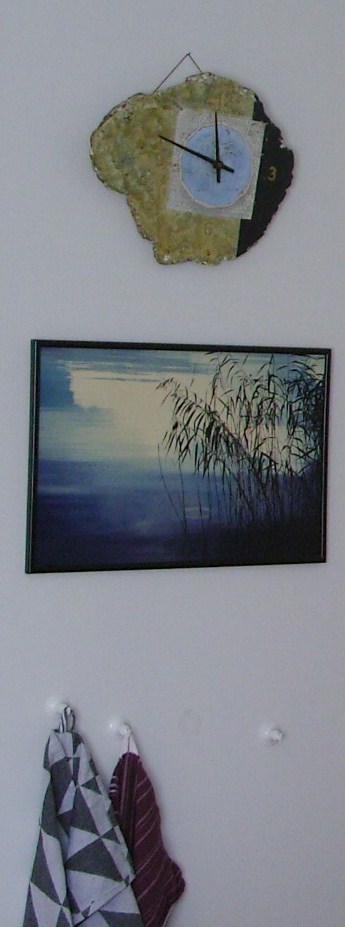
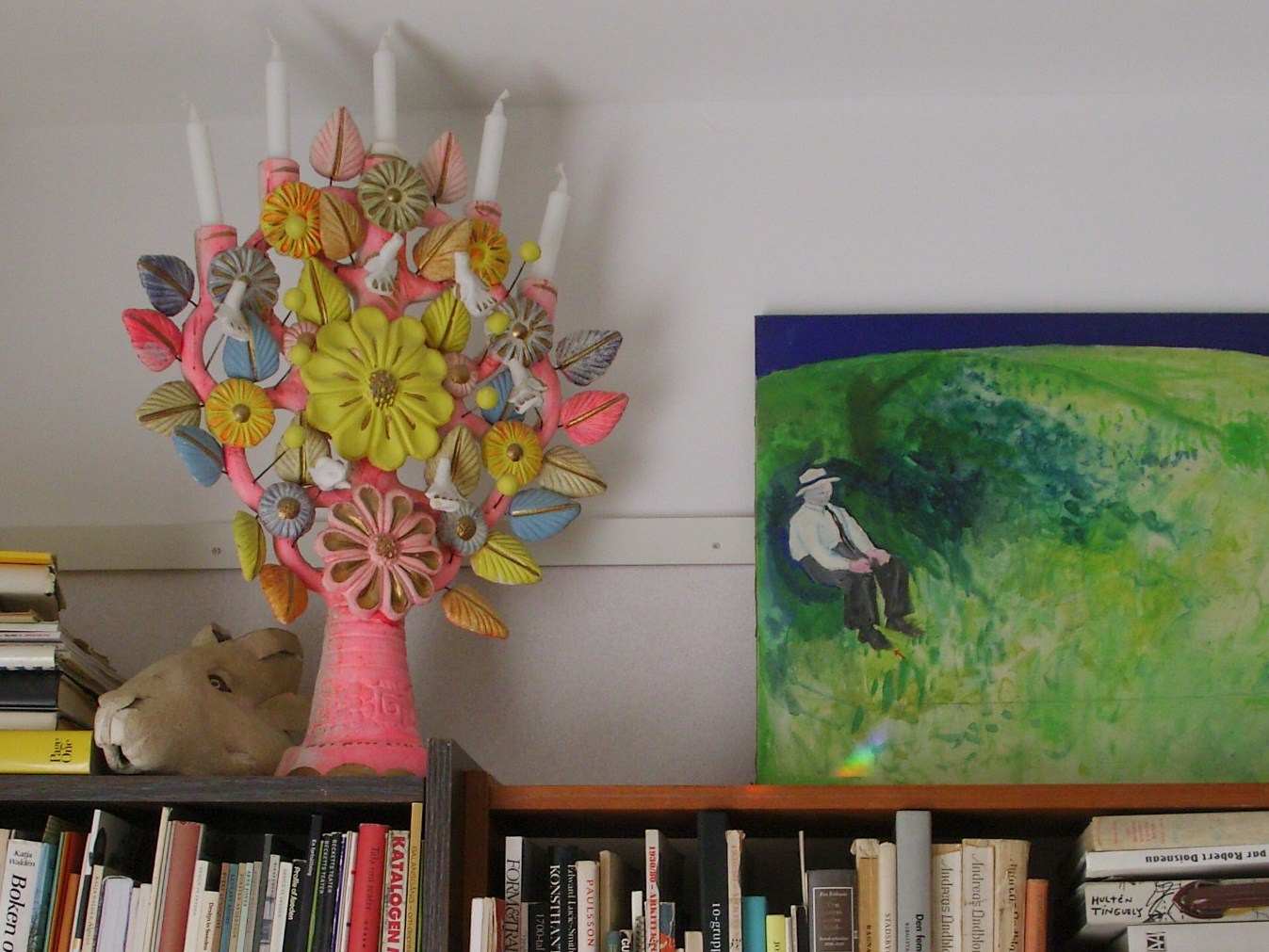
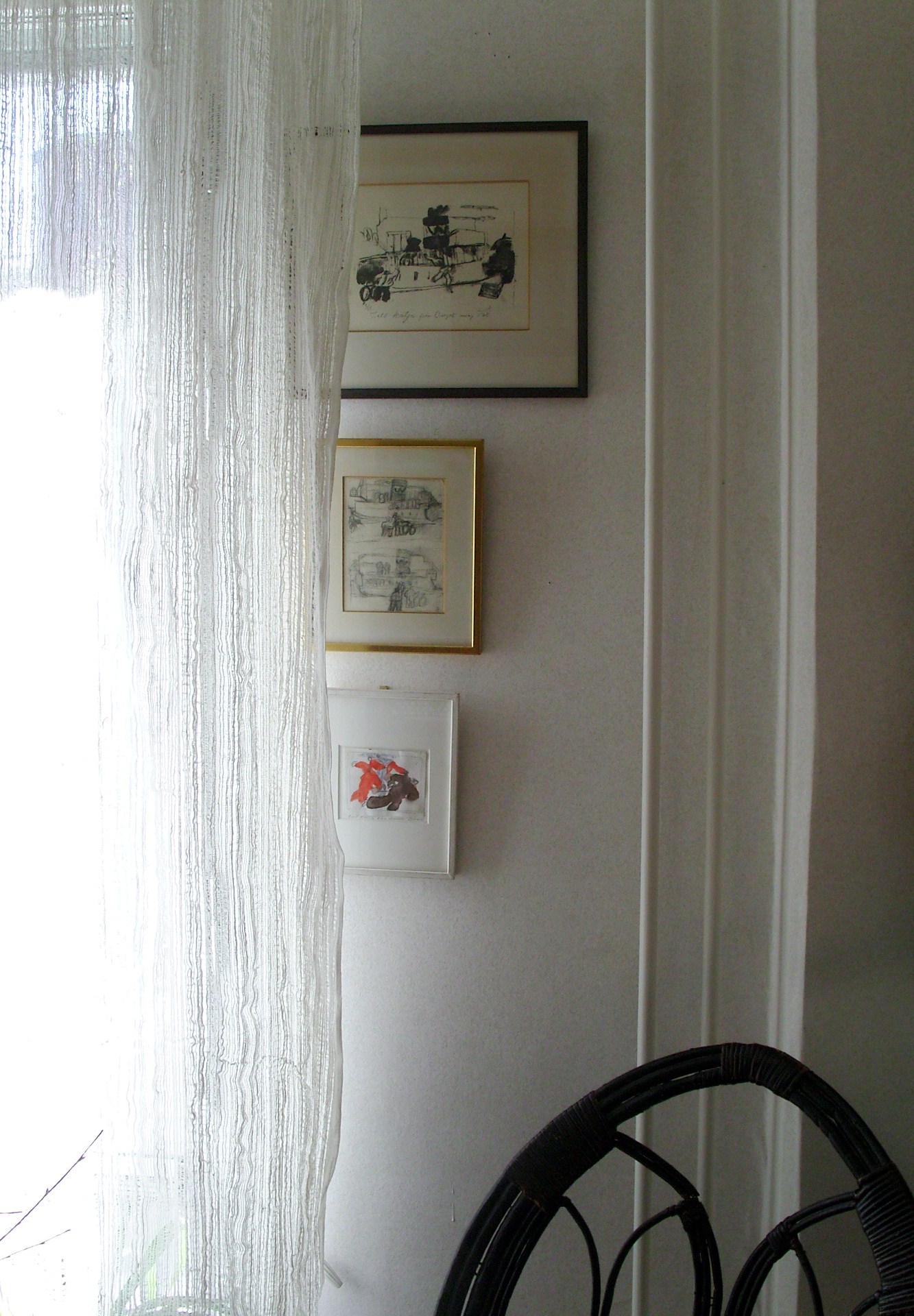
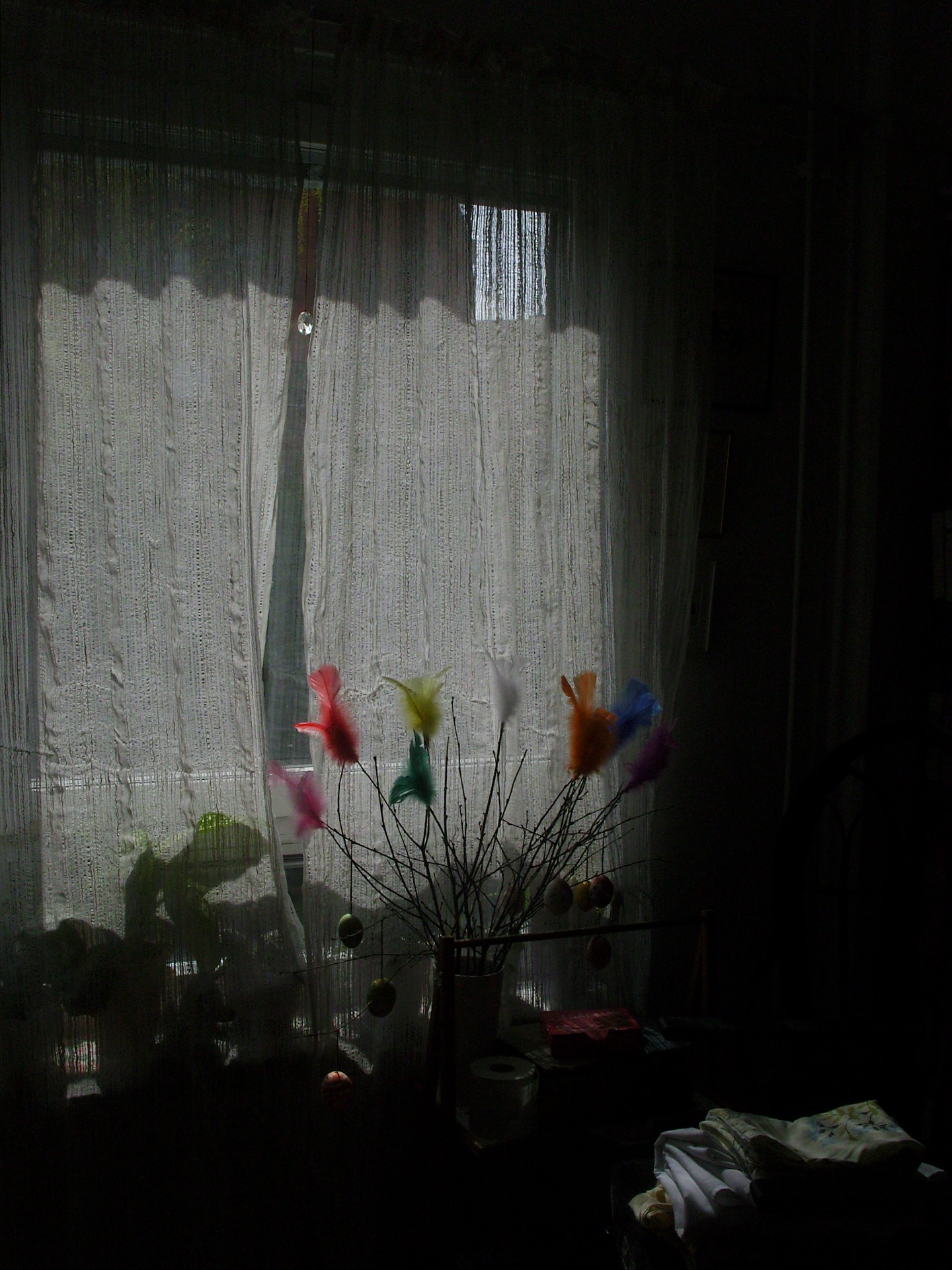
    Bild015 Bild012 Bild014

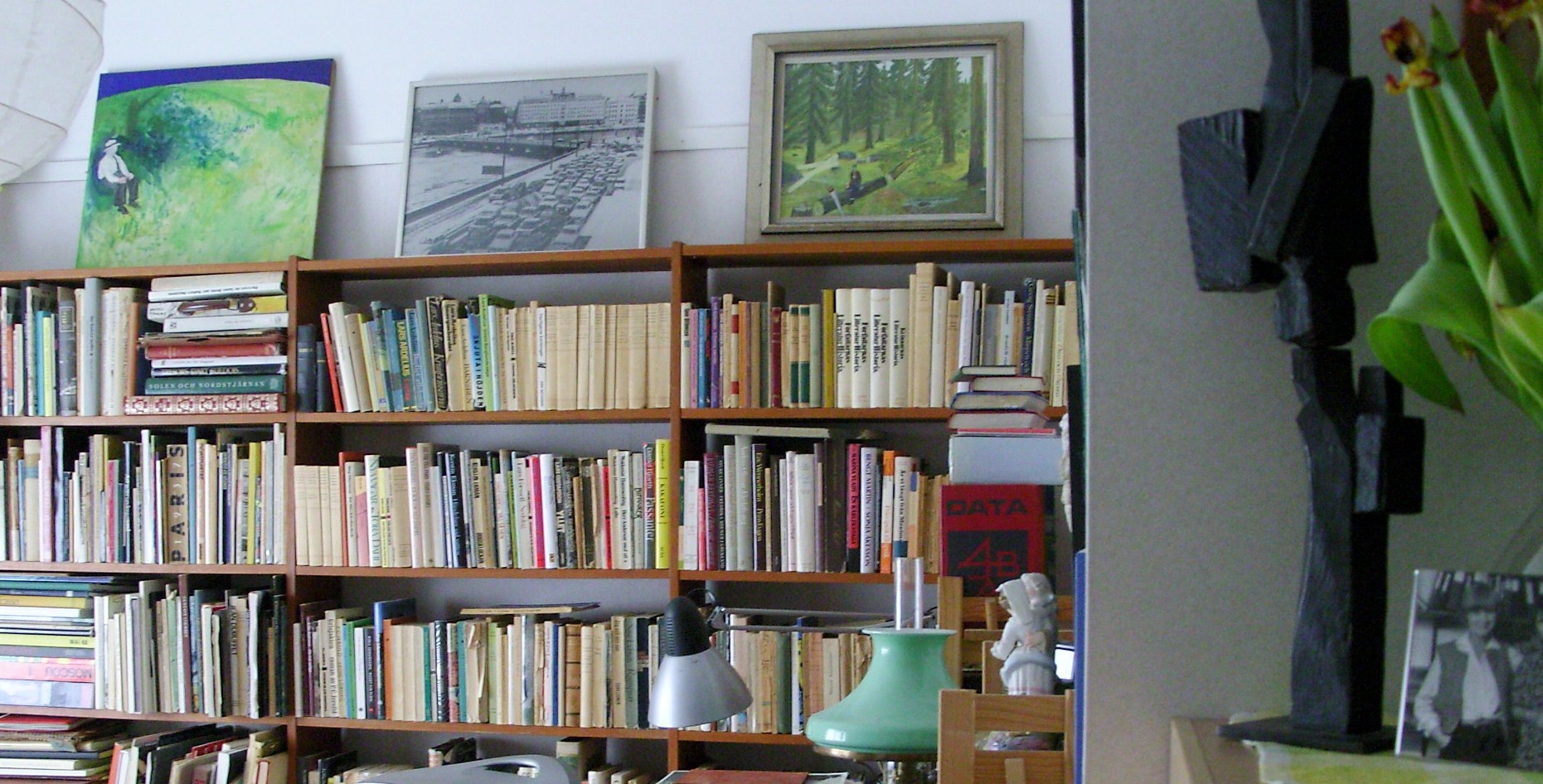
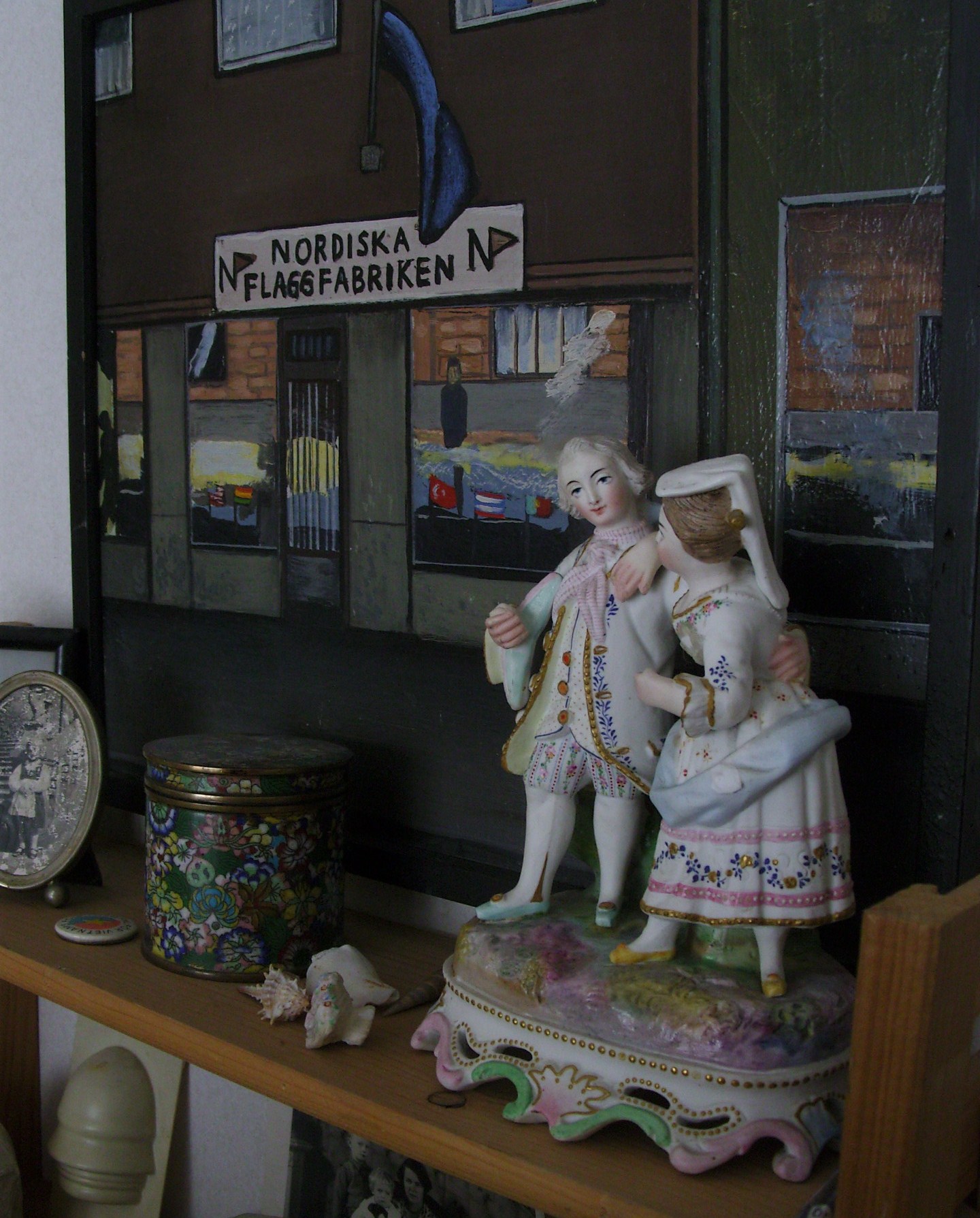
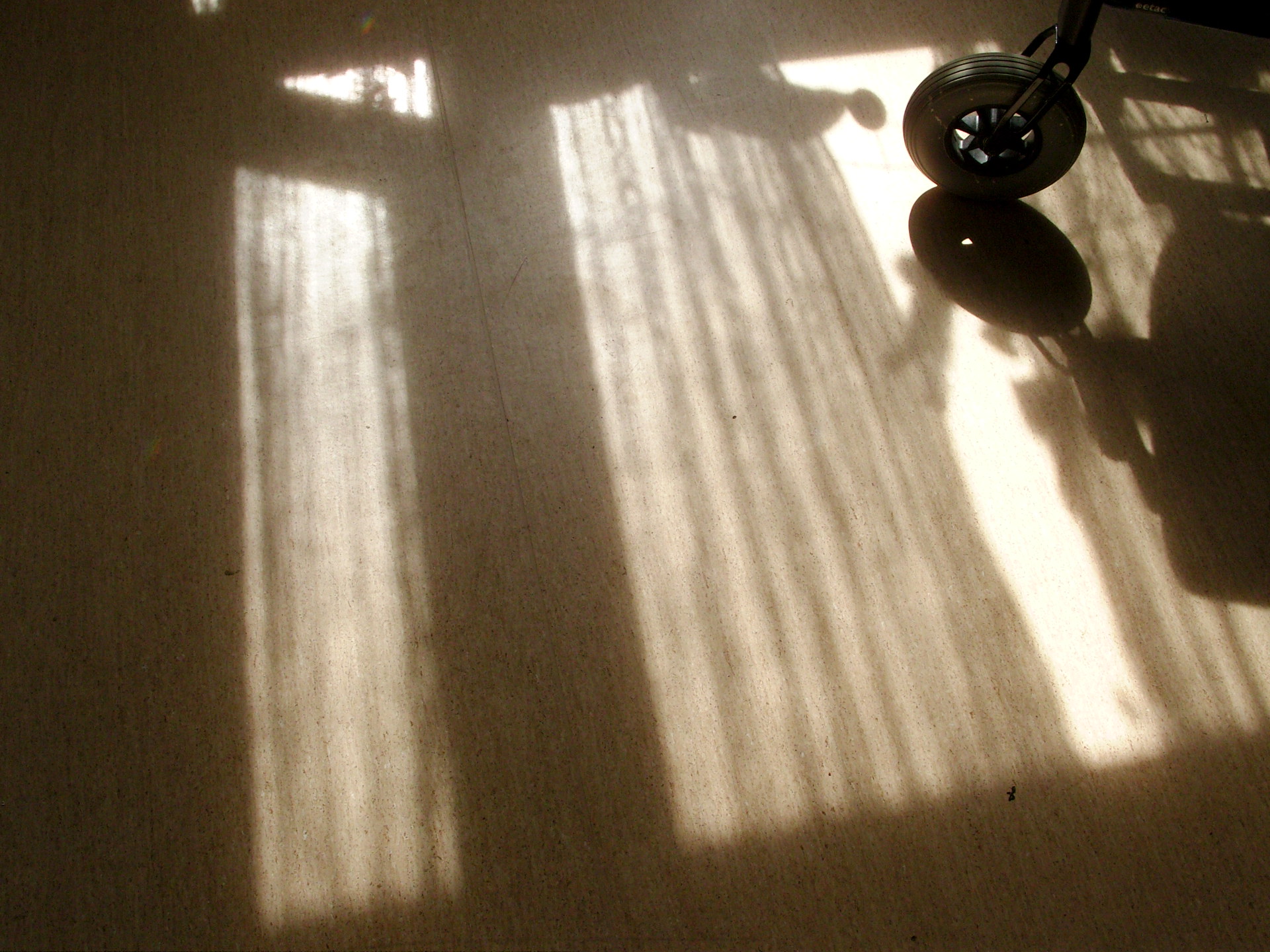
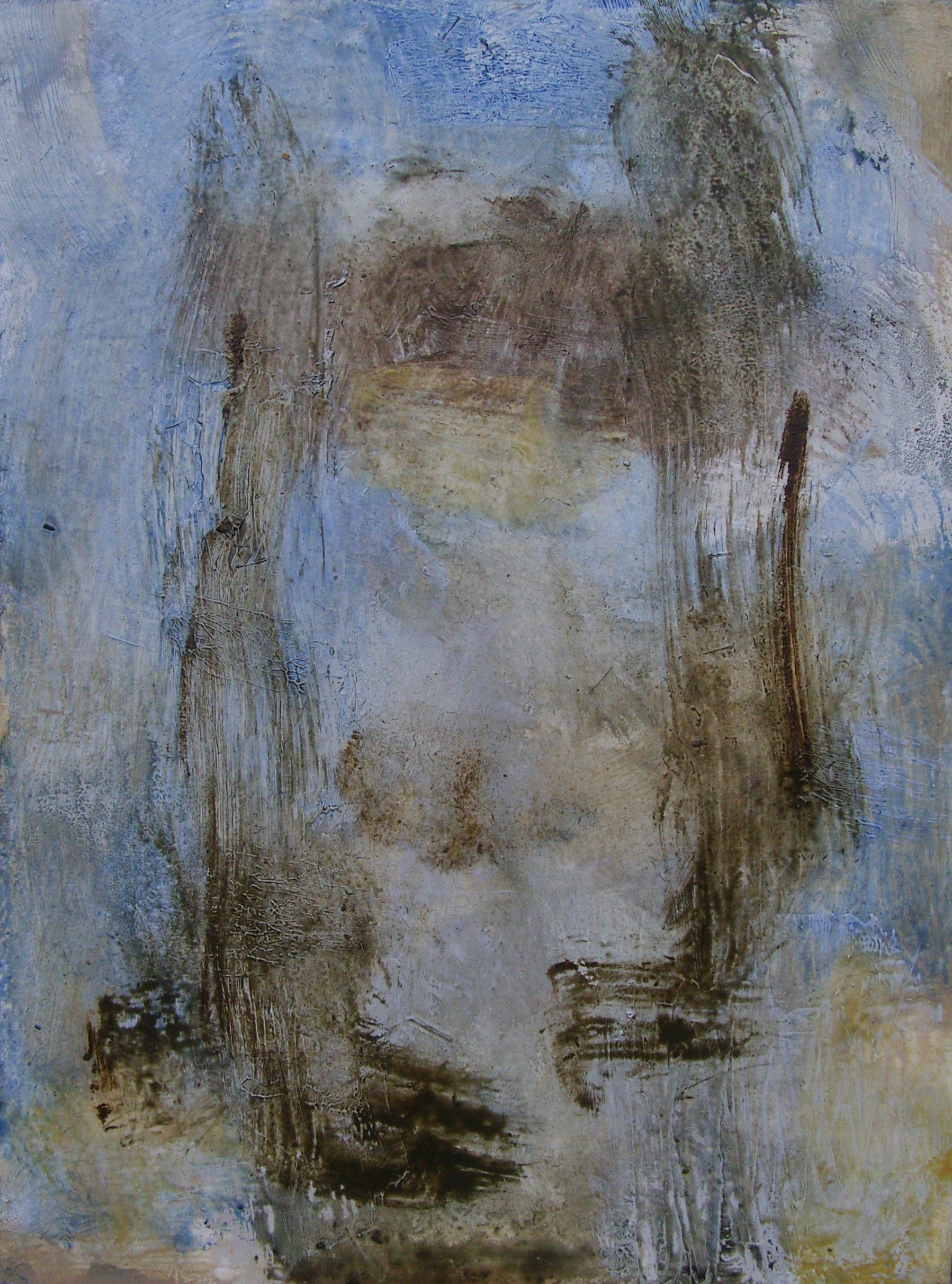
    Bild013 Bild020 090614

    Quality and Research VI

    art, recent work, teaching

    “Is there a method to die?”

    How could this question make sense? For all we know, death will happen to everybody alive; it’s the one condition we all share. There’s no method not to die.

    This makes clear that the essential word here isn’t ‘death’ – it’s ‘method’. The common-sense understanding of this word might be something like: ‘a set-up of presumptions and techniques used systematically to arrive at a certain result’. Now, if the result – in this case, physical death – is certain, no matter what, the question may still seem absurd. But stay with it a while…

    The Greek origin of the word ‘method’ means ‘way’. Without doubt, the way one takes could be related primarily to a determined goal – that is, result-oriented – which doesn’t necessarily affect one’s existence very much. When going to the airport, one may choose between the highway or the railway; both offer the prospect of a fast and safe arrival (though we all know that things do not always happen the way we plan).

    On the other hand: when going into something unknown, one will need to enhance awareness when moving along the chosen direction. Finding one’s way then becomes process-oriented; in each moment, the way outside exists only to the extent that it exists in one’s mind. This is how the concept of method is often adressed in contemporary art and research.

    I remember the way I travelled by the side of my mother. I remember the parting of ways.

    And the question makes perfect sense.

    Quality and Research V

    art, recent work, teaching

    Second course seminar with professor Liora Bresler from the University of Illinois, USA, together with Swedish hosts Lars Lindström and Eva Österlind (Stockholm University) and some twenty master and doctoral students. Akira Kurosawa’s movie Rashomon from 1949 provides a common ground for discussions about truth on different levels.
    Most people agree there exists such a thing as objective reality; in Rashomon, it is represented by a man found dead in the forest. The characters involved are struggling to understand the course of events. Their tales are told and retold in multiple layers: by Kurosawa’s choice of sounds and images in making the film; within the story by the actors acting them over and over, each time from another point of view; and when the movie ends, by our thinking and talking over it. On each level, interpretations are constructed, negotiated and created anew; if there is a true story about what happened, it remains an enigma. Still, the memory stays with us, the gesture of seeking truth and meaning.

    So, where is the difference, really, between the researcher’s mode of understanding reality and the artist’s? Is it only a matter of context, of different communities and traditions? Here’s one attempt at an answer, from John Dewey in 1934:

    “The rhythm of loss of integration with environment and recovery of union not only persists in man but becomes conscious with him; its conditions are material out of which he forms purposes.
    […]
    Since the artist cares in a peculiar way for the phase of experience in which union is achieved, he does not shun moments of resistance and tension. He rather cultivates them, not for their own sake but because of their potentialities, bringing to living consciousness an experience that is unified and total. In contrast with the person whose purpose is esthetic, the scientific man is interested in problems, in situations wherein tension between the matter of observation and of thought is marked.
    […]
    The difference between the esthetic and the intellectual is thus one of the place where emphasis falls in the constant rhytm that marks the interaction of the live creature with his surroundings.”

    John Dewey, Art as Experience (1934)


    Quality and Research IV

    art, recent work, teaching

    Text reading seminar at the course – Aesthetic-Based Qualitative Research – which I follow at Stockholm University (see also Archives/January 2009).

    Is there really a difference between art and research? I bring the question to the course.

    – Art appeals to feeling, is one answer I get. Oh, I’d love to have it that way… but I cannot really hold it to be simple like that. Art  is largely conceptual, and has always been – at least visual arts, ever since cave paintings.

    – Research is systematical,  is another answer. Well, that sounds convincing at first. But then – what about (for instance) the work of Claude Monet? There are artists just as dedicated as the best of researchers in the pursuit of one theme.

    – Art is mediated by sensual experience, would be my first attempt to answer myself. As if not research – or any kind of message – is… Tricky one, this.

    “Ethos anthropoi daimon” (Heraclitus; and here I will not even attempt to choose a translation among the infinite number of possible ones)I’ll try another approach; how does my inner attitude change, from making art to doing research? Or, does it?