Constantia diary: Lerwick – Bergen – Stockholm

time-out

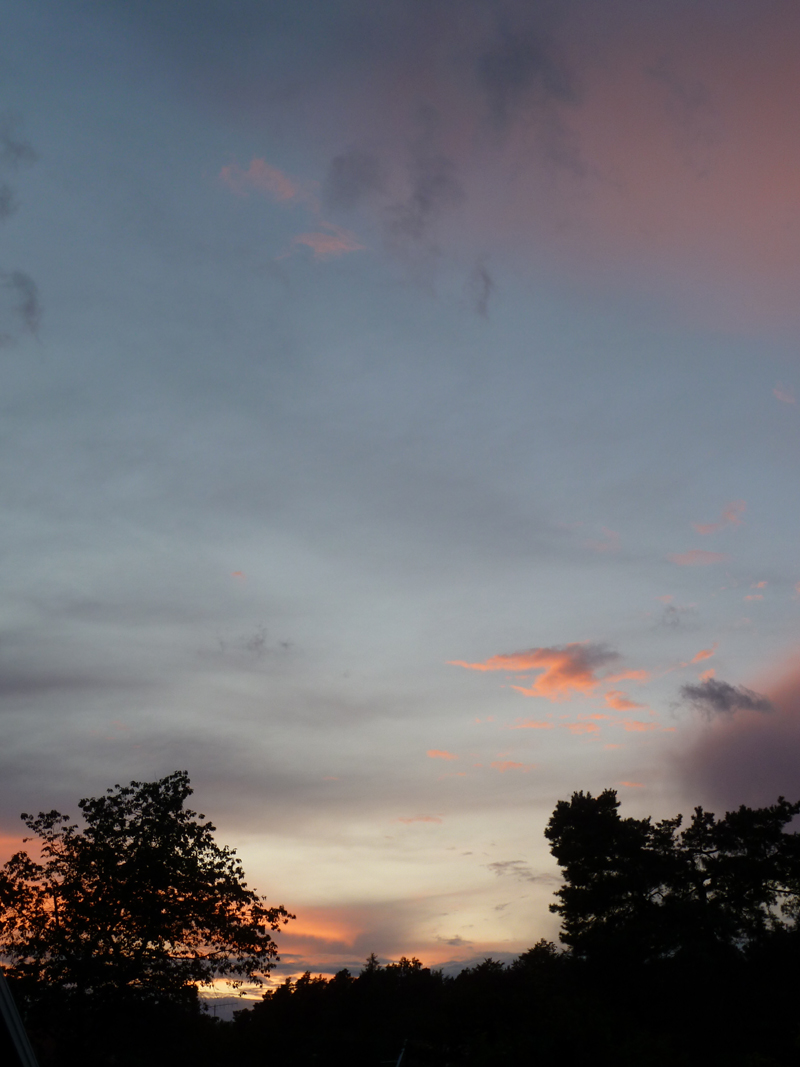
Leaving t/s Constantia and Shetland in the morning of July 23, 2011. A day-and-night’s stopover in Norway; where, the day before, one man’s loneliness and fear had turned him into a cowardly mass murderer. And where – that day and afterwards – millions rejected to be ruled by that fear.

Sites are real, therefore passages exist. Languages are real, therefore translations exist.
My heartland is my body and its history of moments; my people are those who – although constantly erring, like myself – believe in love and respect.

One heaven. One earth.

Constantia diary: Westray, Orkney

time-out

Apart from anchorwatches and cooking, there are few duties as long as we’re in harbour. Free hours are often spent reading or playing cards, and some of the trainees organize a chess tournament. Having joined a project group back in Sweden, I brought with me one particular book, Catching the Light by American physicist Arthur Zajonc; a history of the evolving perceptions of light by religion, art and science… Or, as  it’s put in the subtitle: “the Entwined History of Light and Mind”. I have undertaken to translate one or more of its chapters, so right now, I follow Einstein in his Gedanken-Experimente, running with light… Occasionally, I turn to the chessplayers asking for their opinions on linguistic matters, and get some good advice.
Within a day or two, the wind and sea calms down, and finally we take leave of Stornoway – now heading for Lerwick. On the way, we make a short stopover at Orkney. This is where three of Constantia’s trainees come from, and one of them is now leaving our ship to return home. On Westray, we make land at an empty pier by a desolate ferry station, and soon Kieran’s father and brother come to pick him up. Kieran climbs down from t/s Constantia to the sturdy, fast motorboat of his father’s; one sea, two worlds. The two captains exchange some appreciative words, and we part again. Our next leg is for Lerwick, Shetland.


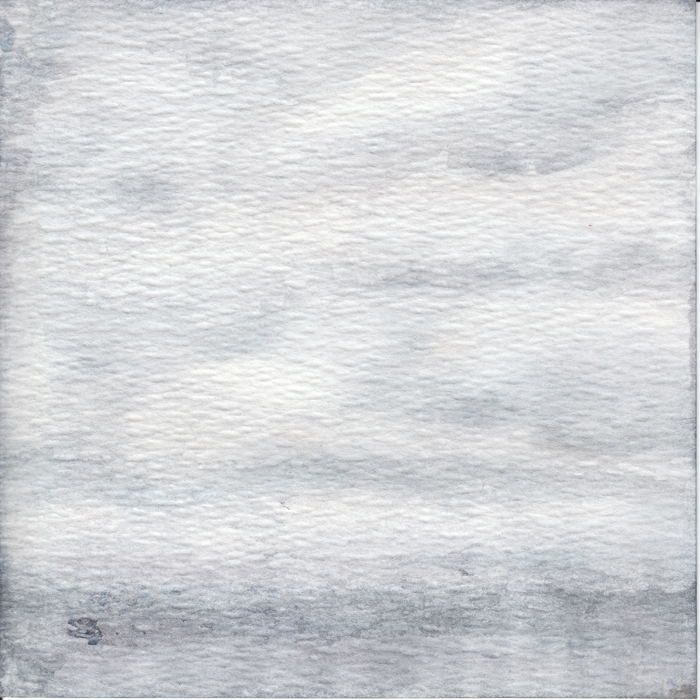
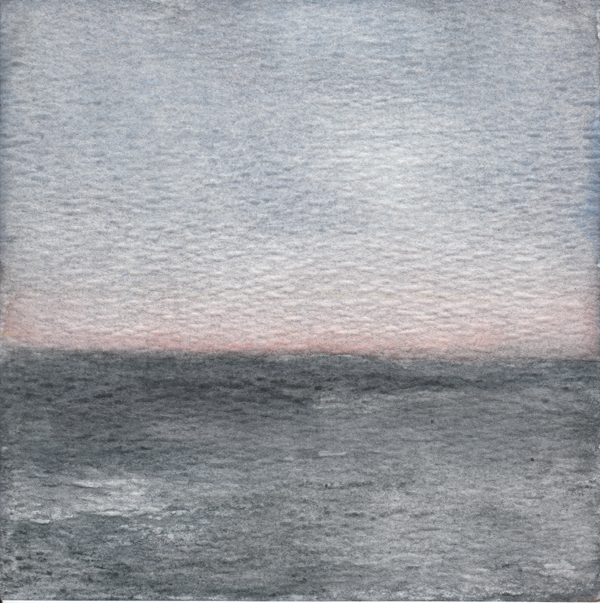
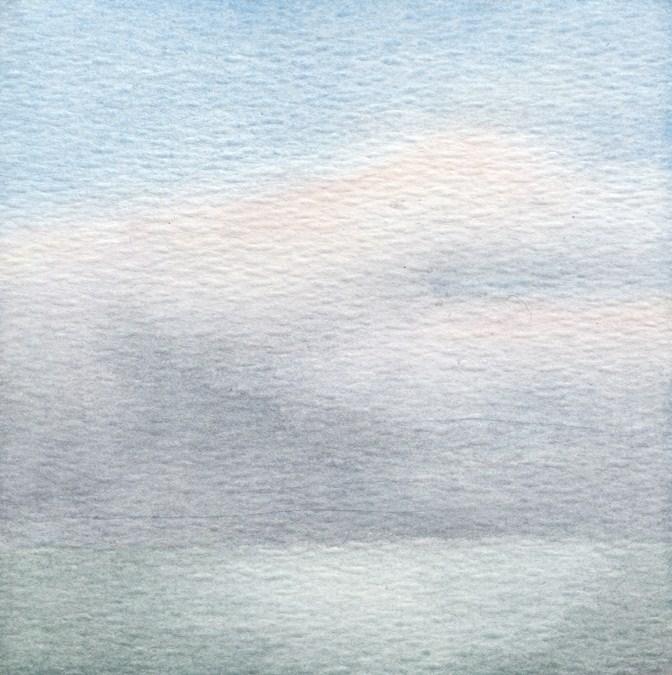
110721 Stornoway to Westray; watercolour on paper, 15 x 15 cms


Constantia Diary: Stornoway

time-out

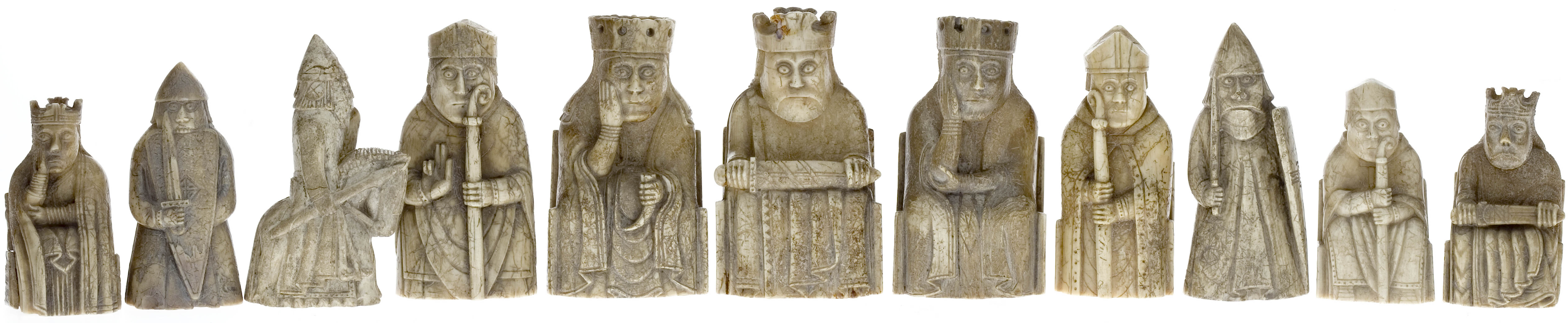
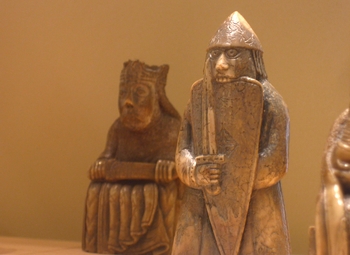
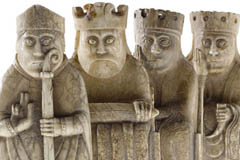
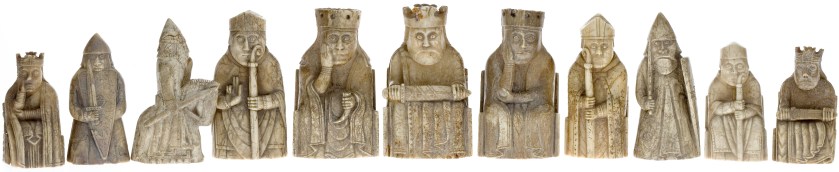
A few of the Lewis Chessmen (93 in all); picture credit National Museum of Scotland.

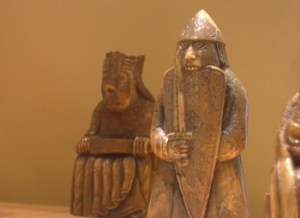
We’re staying a couple of days in Stornoway, and getting acquainted with the place. Learning to operate the washing-machines at the Crew Centre, visiting the shops where Harris tweed and kilt outfits are abundant. A little town like this one is habitually centered around its church… here the stranger easily gets confused when spotting another Church or Free Church of Scotland with almost every turn around the corner. Having passed four or five of them, I end up at the Nicholson Institute, where – marvelously! – just now, the whole hoard of 12th century Lewis Chessmen are on display. Made in Norway, they traveled to the Isle of Lewis where they were hid, and lost, to reappear some six or seven hundred years later.  Stornoway is almost their hometown, not far from the site where they were found. Or not… the stories differ, and guesses are many.
Each piece is skillfully and caringly formed into a distinct individual; expressions vary from pensive to gloomy, to angry (just look at the berserk warders biting their shields!) or benevolent…
I spend some time with them before our leaving, but certainly not enough. I’m lucky, though; on our scheduled depart, strong winds causes a major outburst of seasickness among the trainees on board. Captain Sören and his mates kindly decide to return and await a calmer sea before leaving for Orkney and Shetland. I’m doubly grateful.

Having paid another visit to the Nicholson Institute, I continue to the Council Chamber of the Western Isles, where Doctors Jonathan Benjamin and Andy Bicket from Wessex Archaeology (Coastal and Marine Department) give a presentation. Their theme is “marine archaeology in submerged coastal areas” – which turns out to be fascinating. A scientific map of this area some 10 000 years ago shows the Hebrides, Orkney and Shetland to be a landmass more or less connected. Those “submerged coastal areas” are nothing less than the lost landscapes of European pre-history; the forests and fields of mesolithic people in Northern Europe, now buried underwater. This was long before the Lewis chessmen – they are but one link in a much longer chain. The public is listening closely, and when the lecture is finished by a call for local knowledge on sites and traditions, there is ample response.
Walking back to the harbour, I see the waters disappearing into darkness. I belong to an ancient family. This is our home.
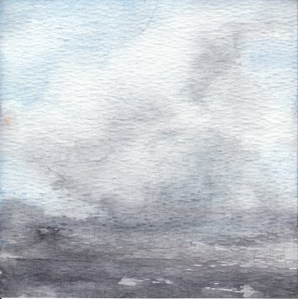

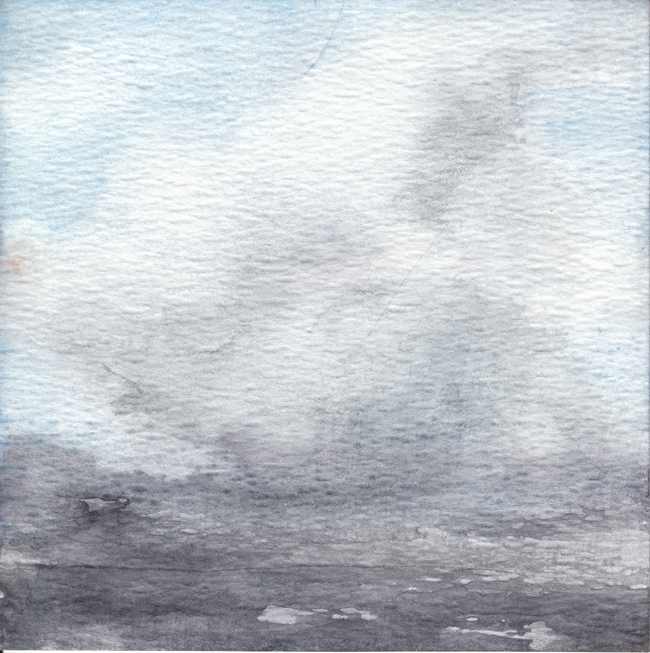
110716 from Stornoway; watercolour on paper, 15 x 15 cms
Constantia diary: Tobermory to Oban

time-out

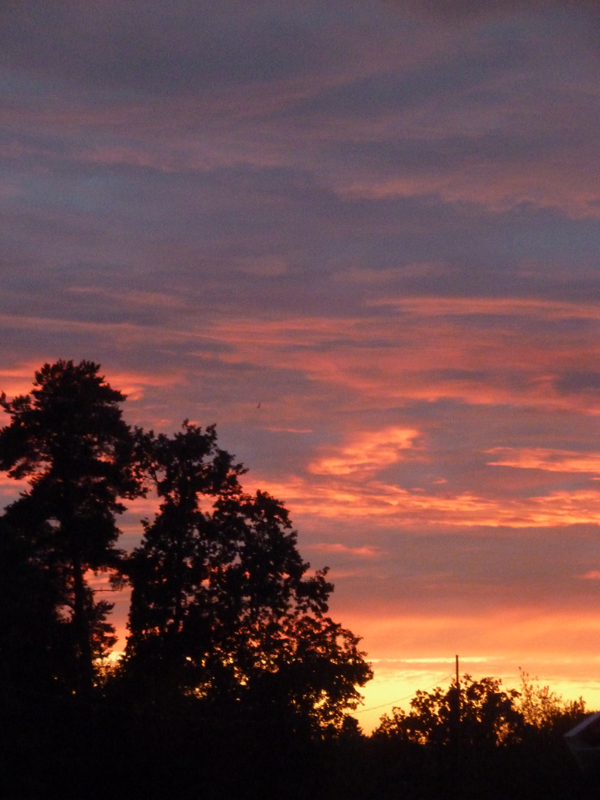
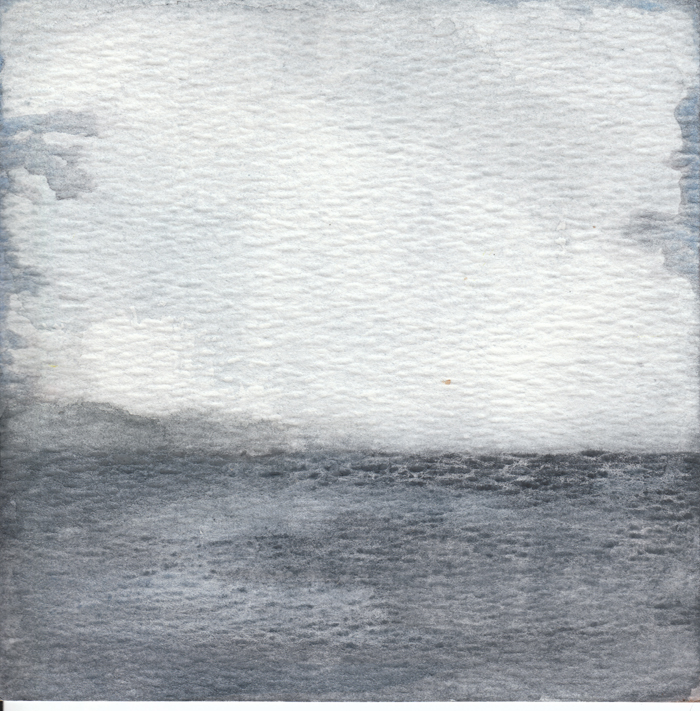
110714 Tobermory;
110715 Tobermory to Oban;
watercolour on paper, 15 x 15 cms
From Greenock a night’s sail to Port Ellen on Islay, anchorwatch during the dark hours and leaving again in the dull light of morning. Then twenty hours of more or less rainy weather to Tobermory, Isle of Mull. Once more anchoring and leaving with daylight, now for Oban on the mainland.
Luckily, the atmosphere in Constantia’s cabin is warmer and more friendly than the surrounding skies.

among others II

art, curating, recent work, time-out


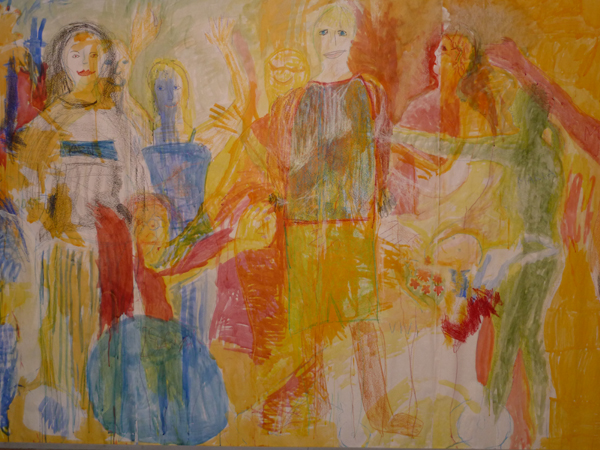
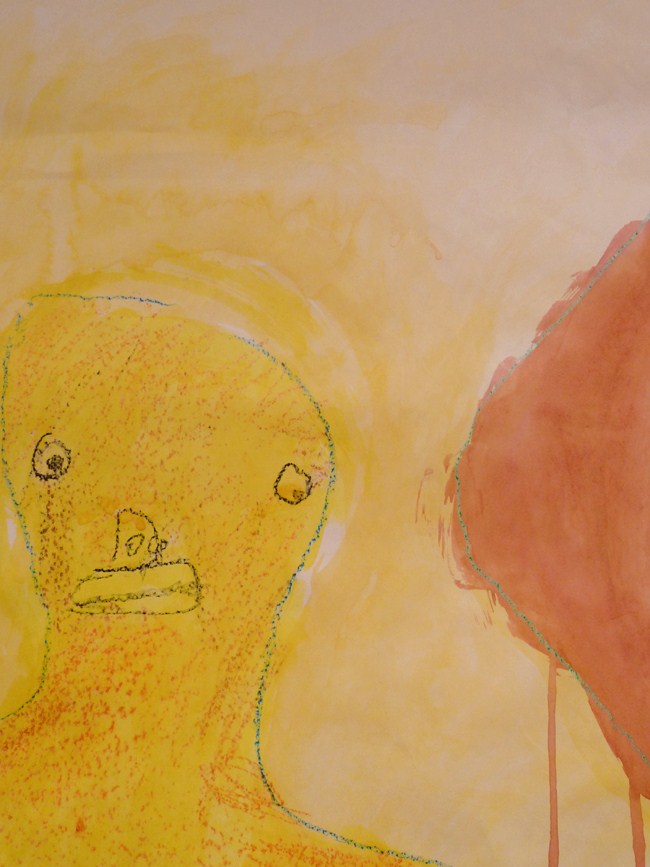
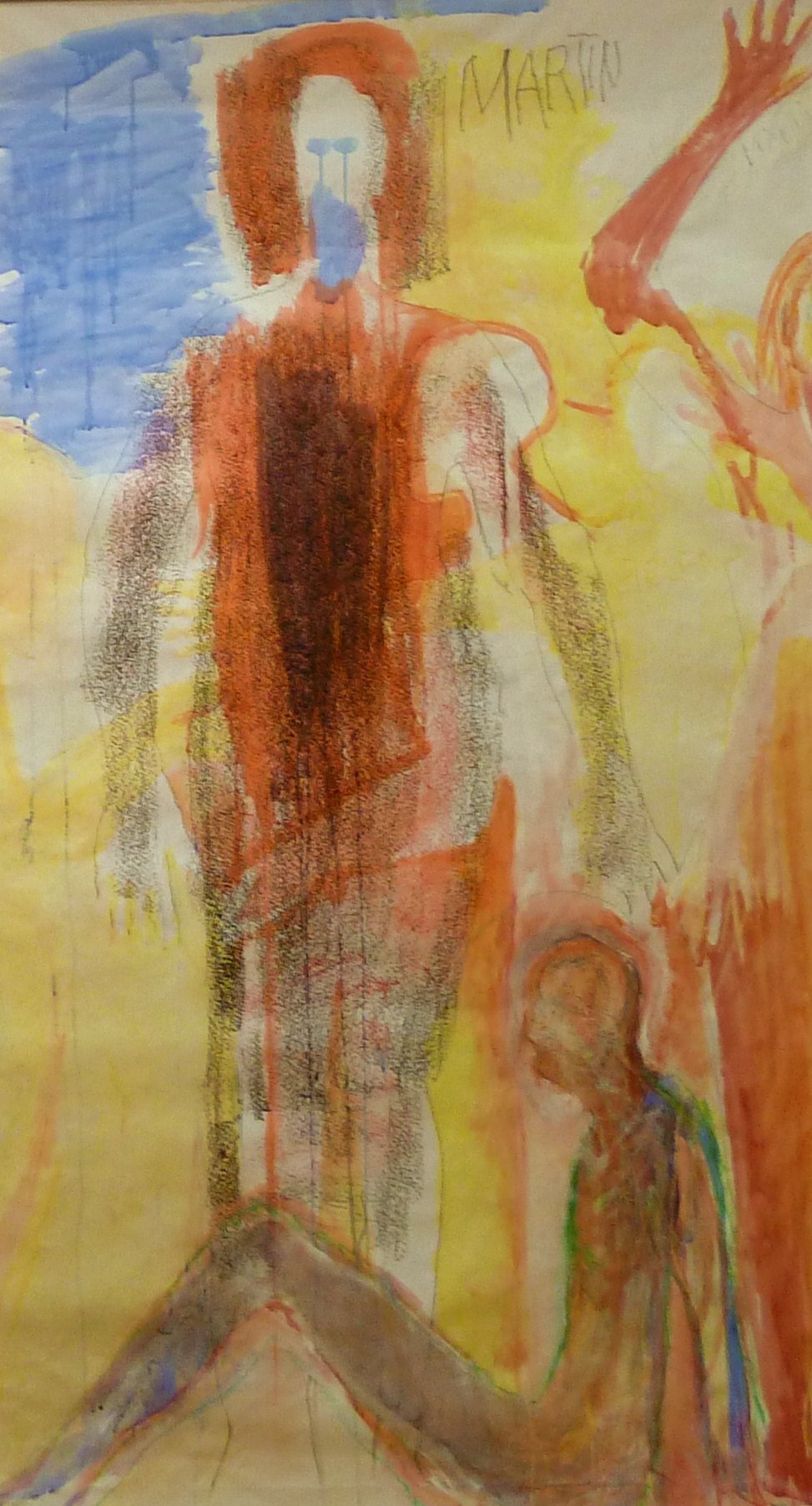
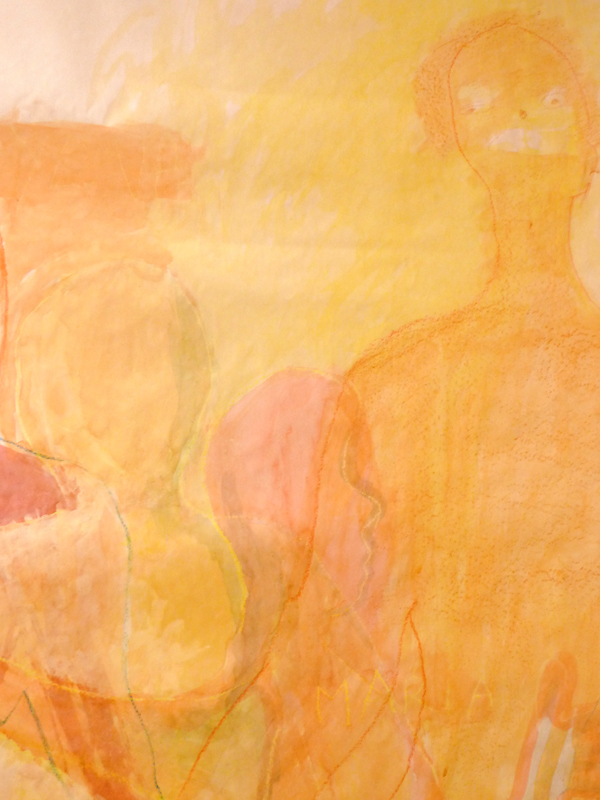
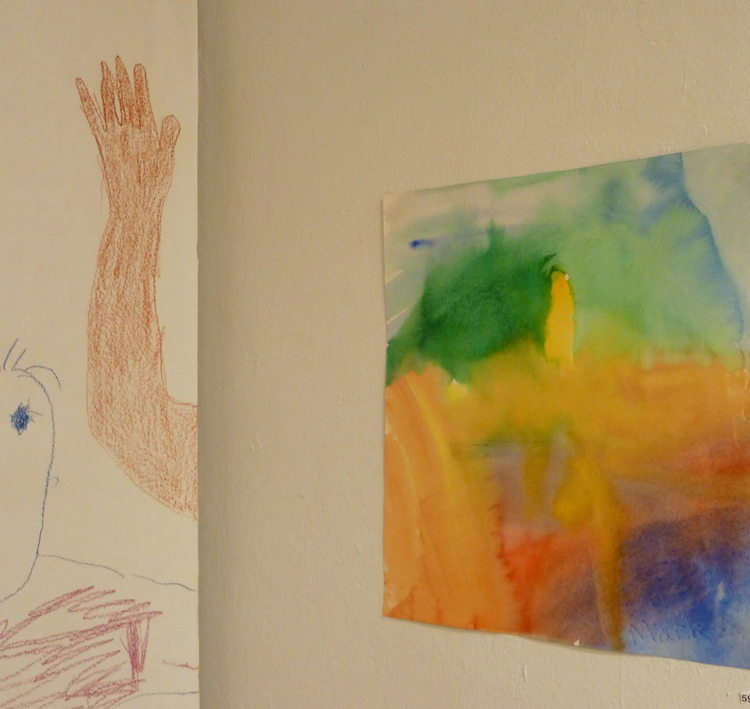
self-portraits in a social space, crayons and watercolour on paper; all photos by HHW.

These wall paintings originate from workshops I have carried out recurrently since 2002. By colour and form, they testify the courage and awareness mobilized in a creative process both personal and social.
So, here they are again, thanks to the evocative magic of images; Martin, Per, Soledad, Vivi, Bengt Christer, Ulf, Maria, Anders, Carina, Mayson… this exhibition is for all of you.

“med flera”, exhibition at Galleri Kretsen, Orionkullen, Södertälje

Open 12 – 16 all days except Mondays until December 5th.


light stones, singing voices – back to Zadar I

recent work, time-out


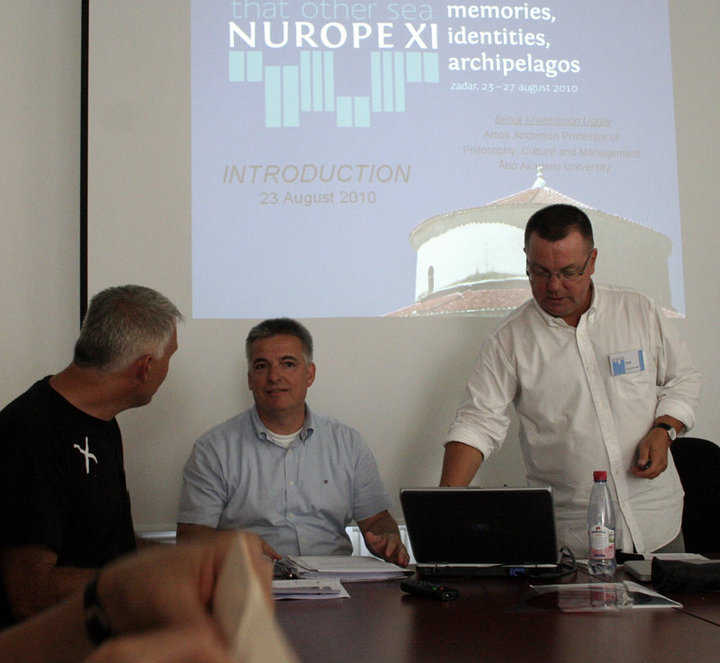
August 23 – 27, 2010:
NUrope XI, That Other Sea – Memories, Identities, Archipelago;
all photos by Reino Koivula.

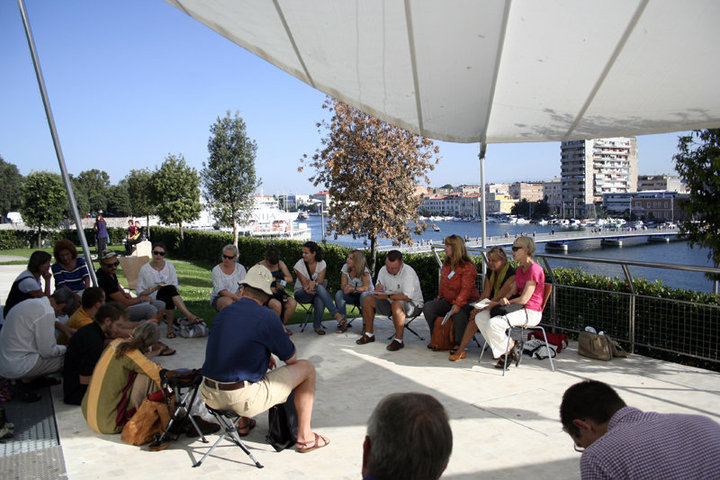
Another oasis of the Nomadic University accomplished.
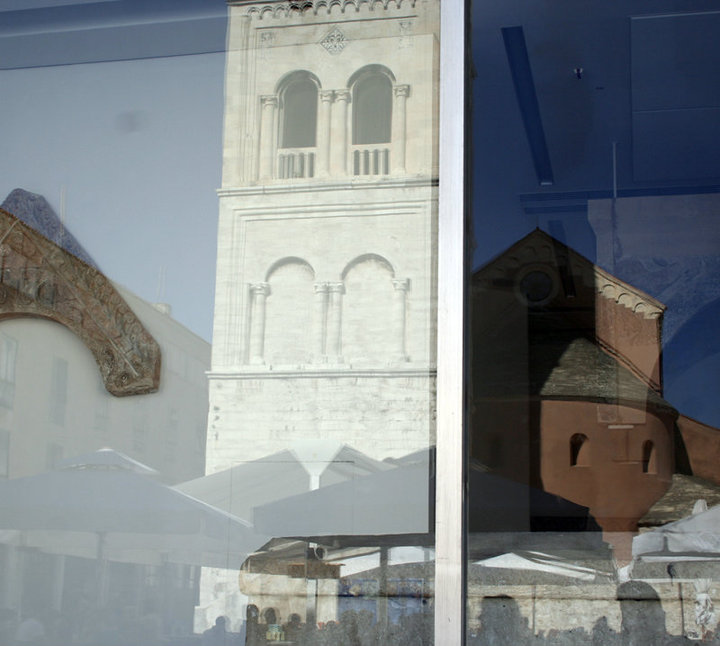
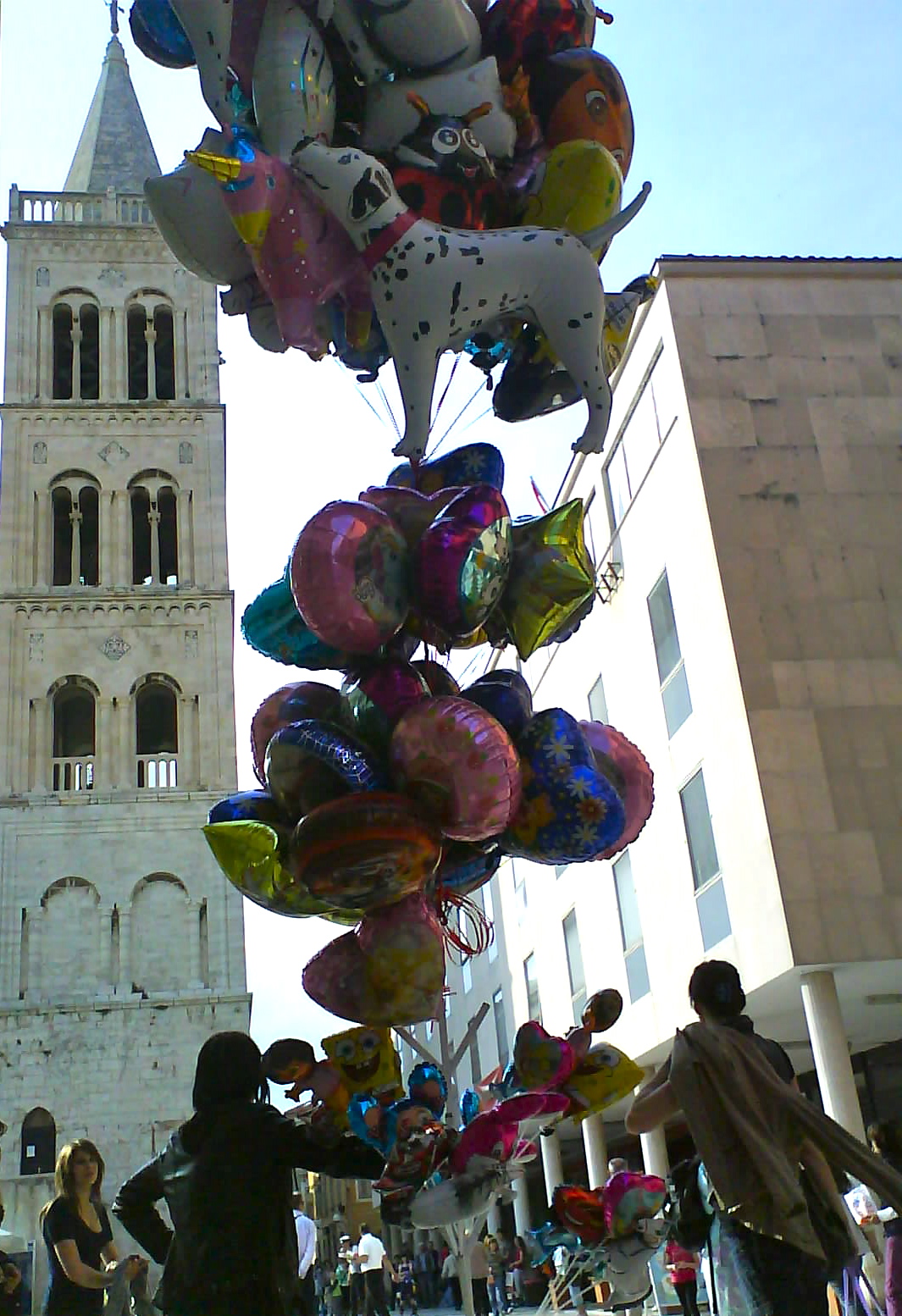
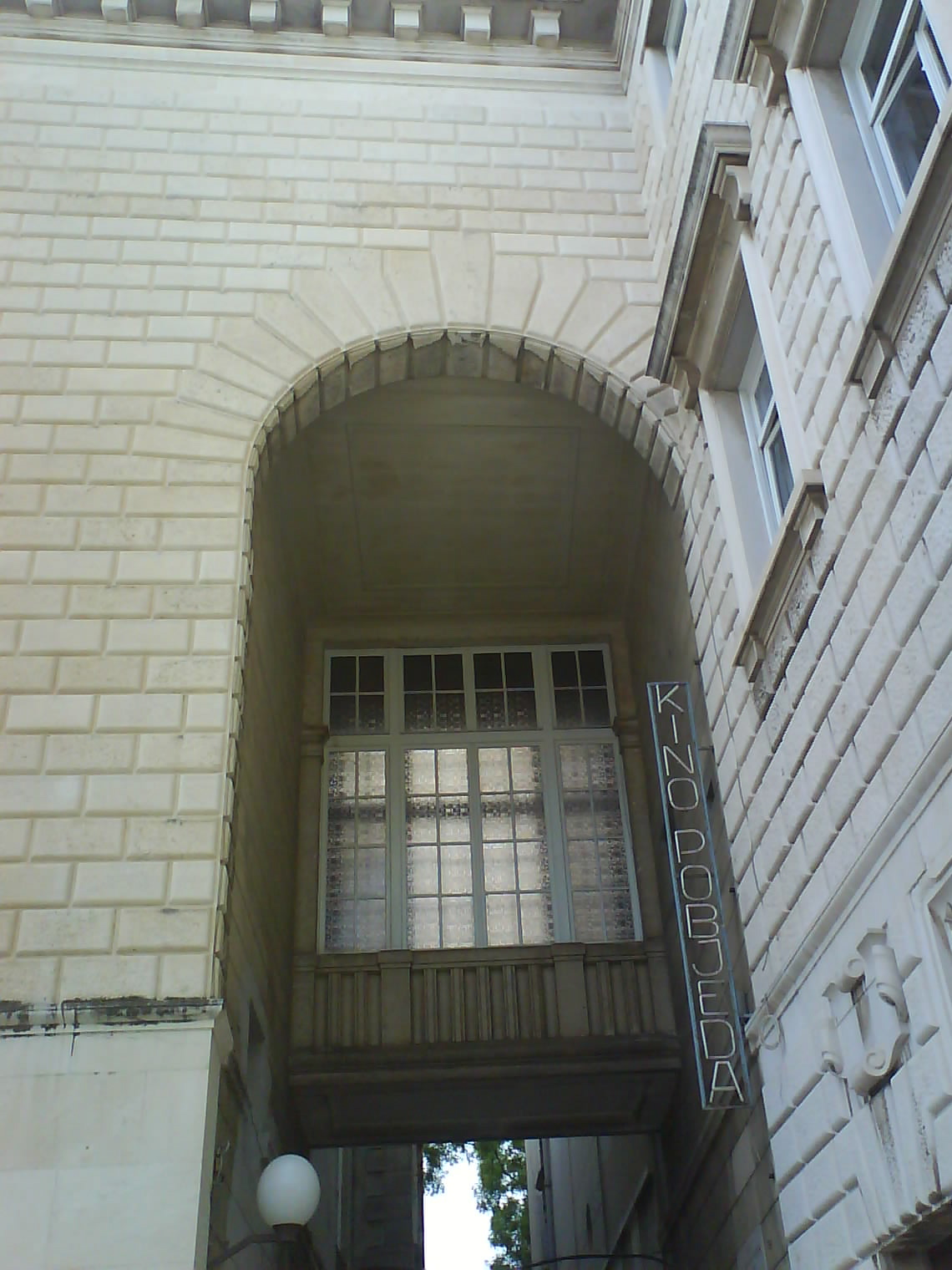
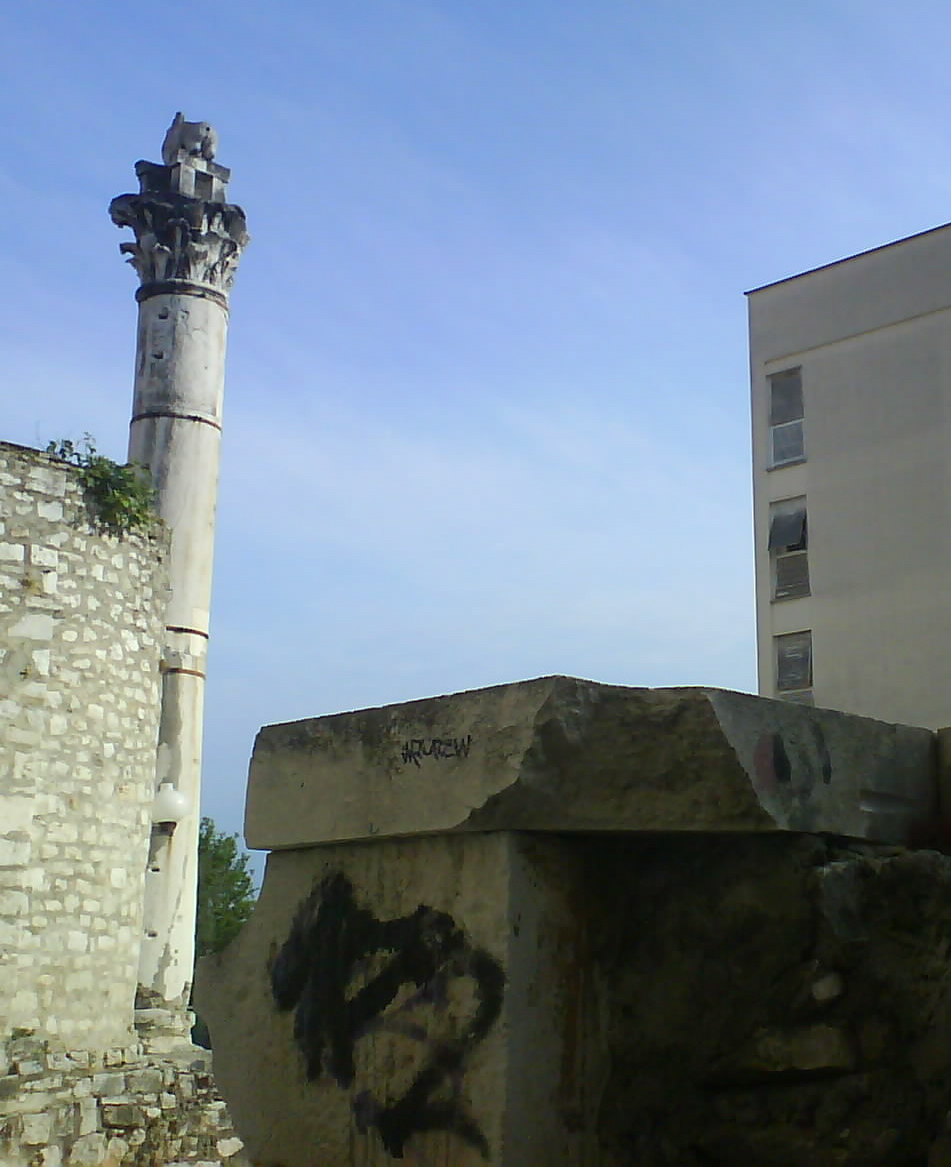
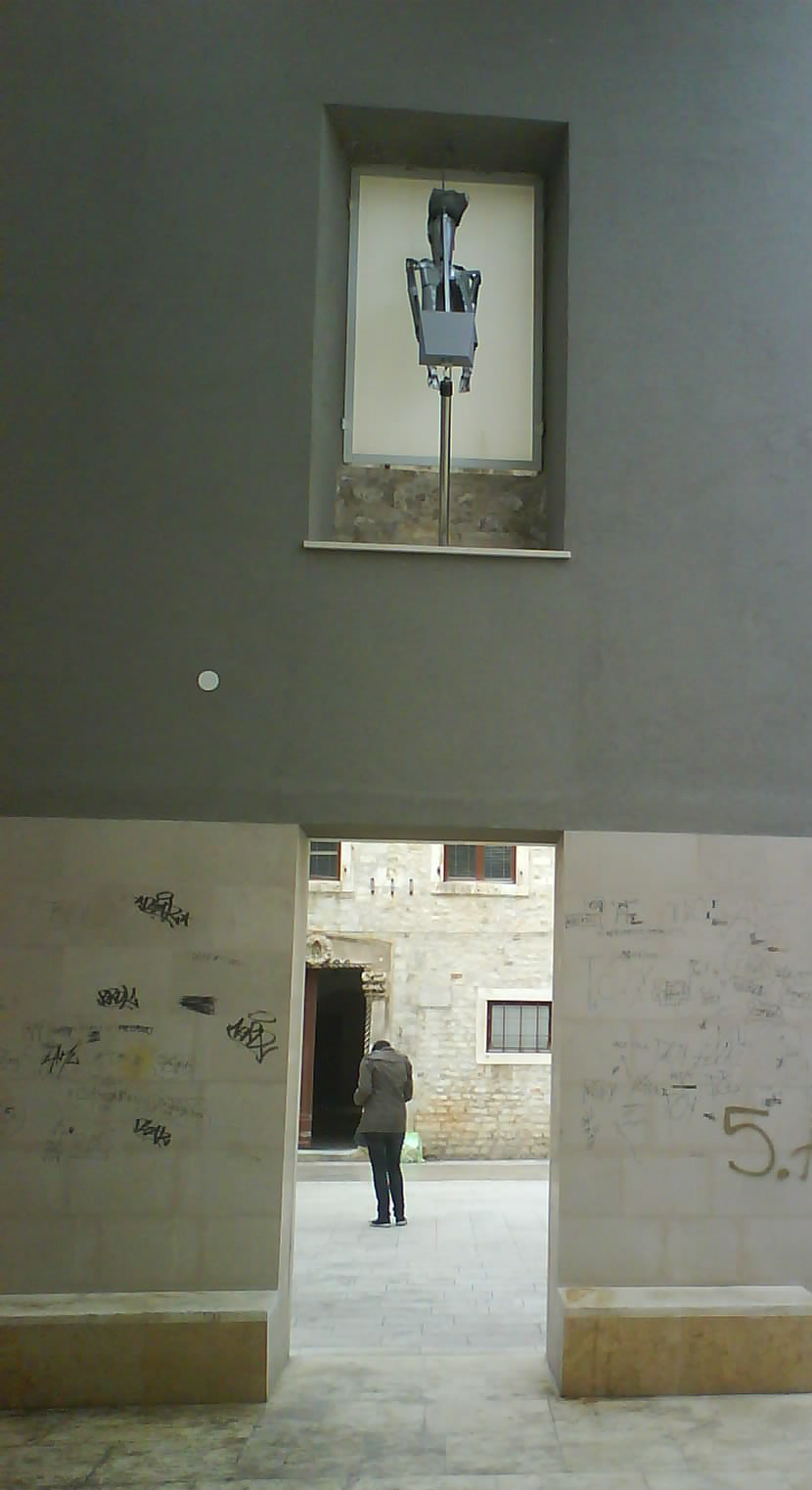
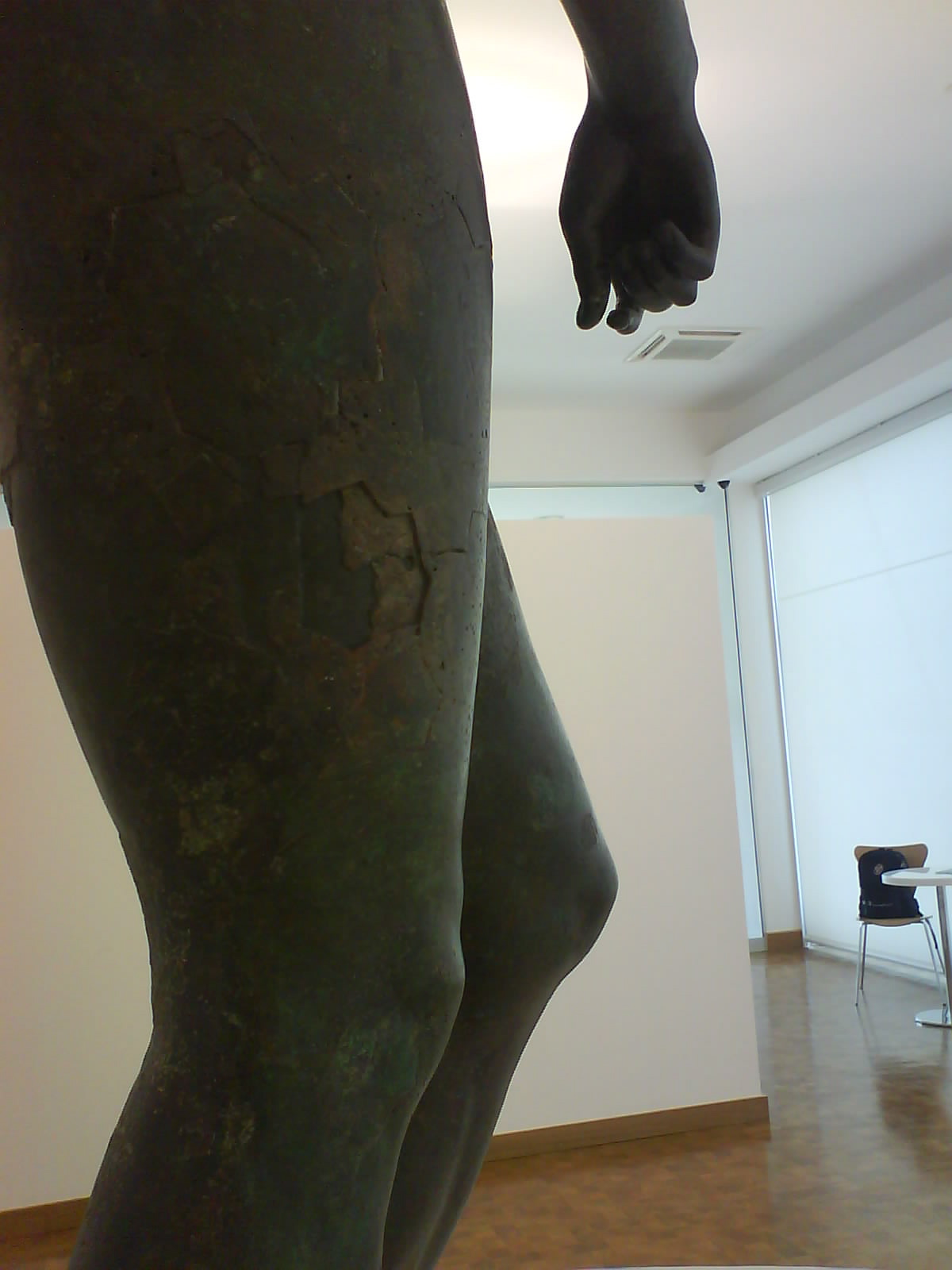
Zadar, a city floating with light; as everywhere, one can sense tensions between a specific heritage, linking to the past, and changing traditions; and between Nomads and locals, the here-and-now qualities of collaborative encounters.
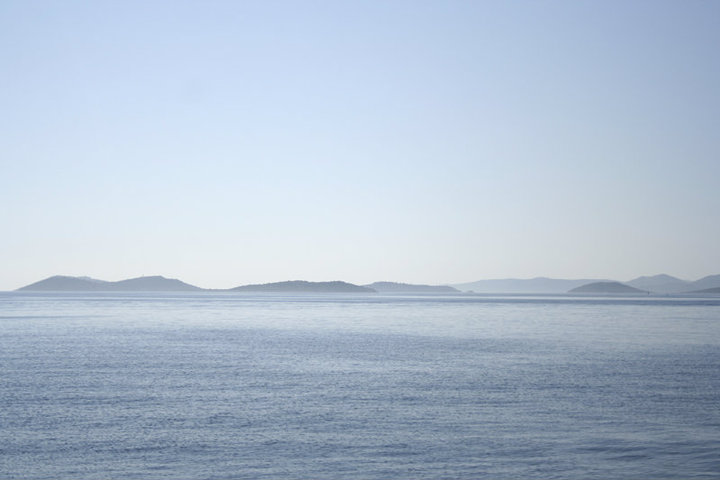
And the sea.


light stones, singing voices; Zadar

art, recent work, time-out

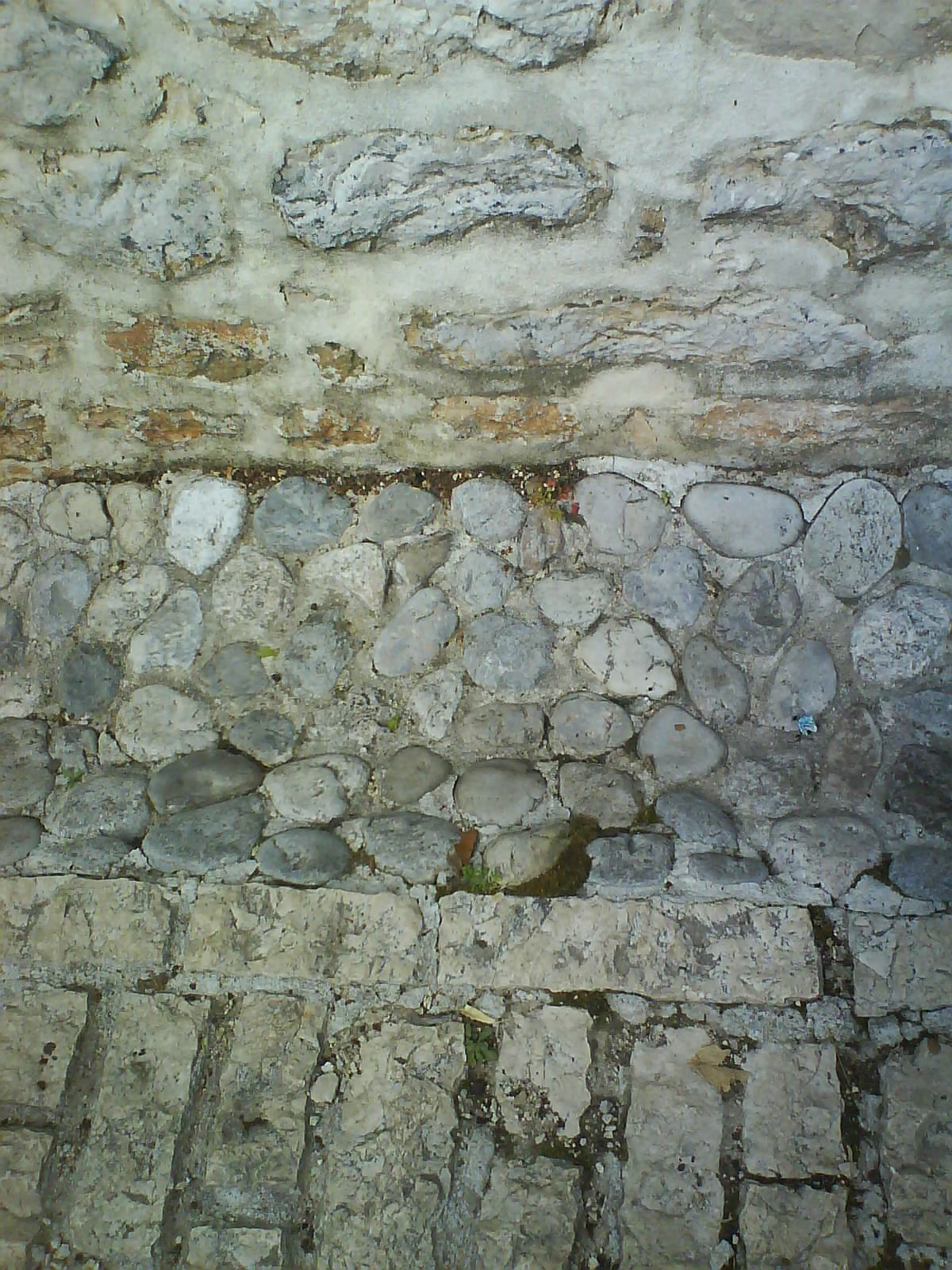
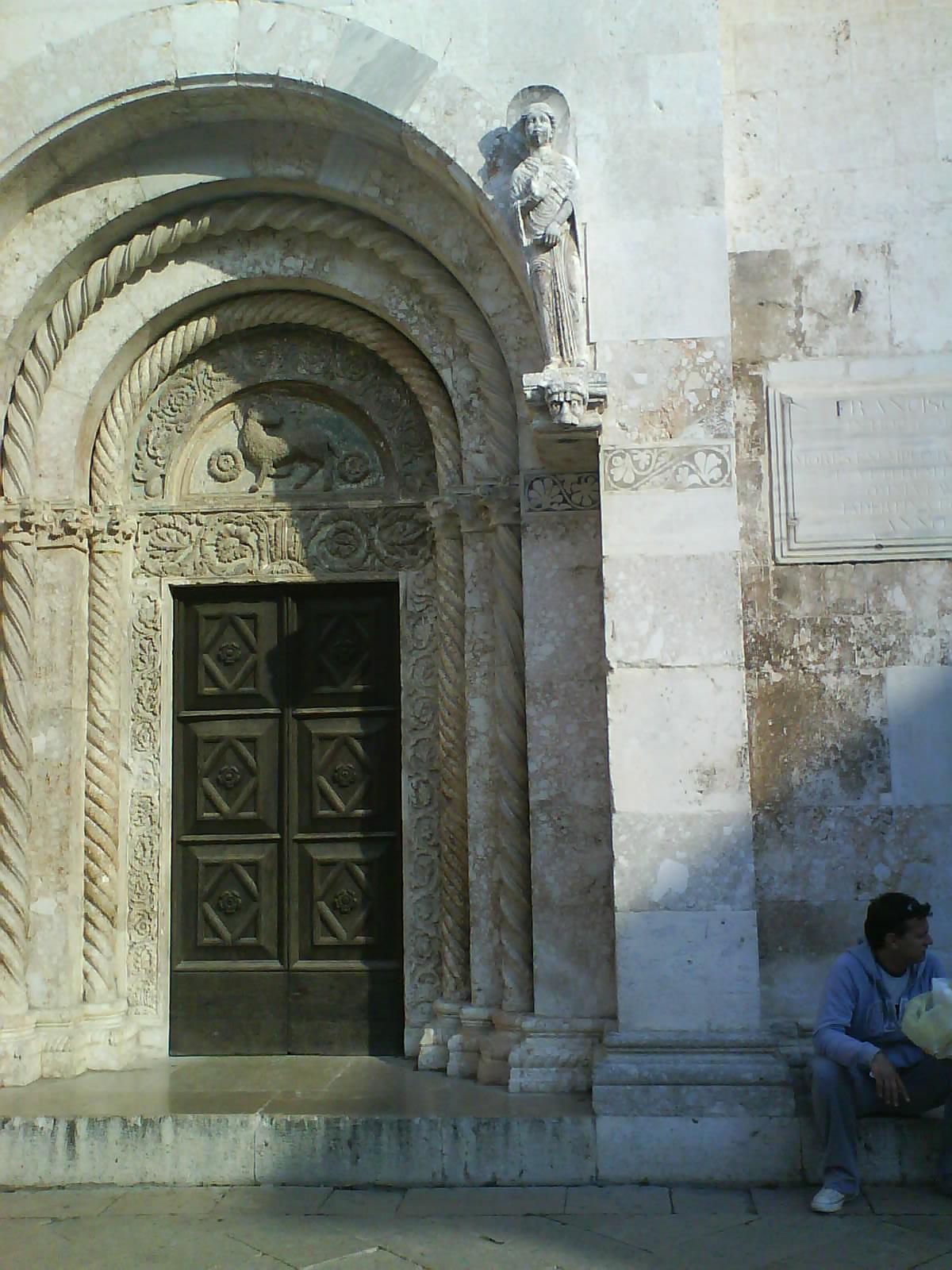
So, this is where the Nomadic University will gather in August, hosted by professors Robert Bacalja and Josip Zanki from Zadar University; the city with the most beautiful sunset in the world, according to Alfred Hitchcock. Where singing voices unexpectedly float out of churches, or streetside diners. Where stones are light and the sea clear and salt.
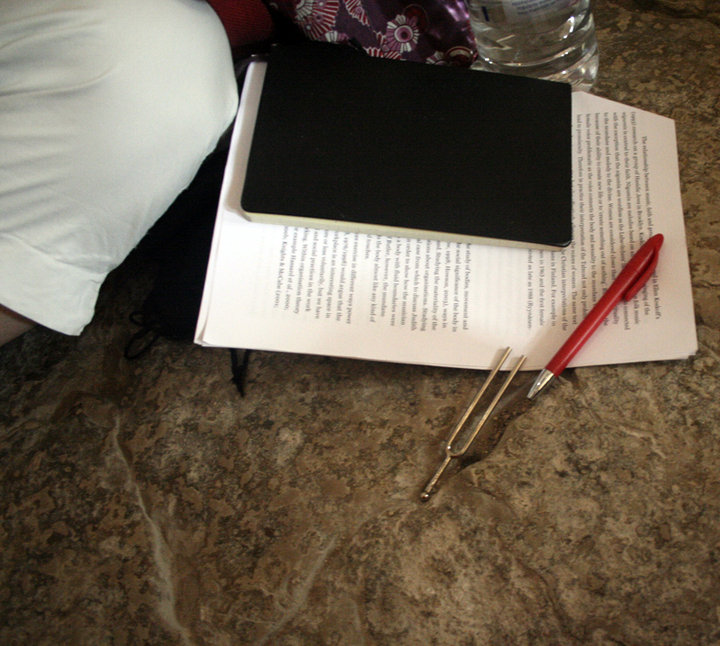
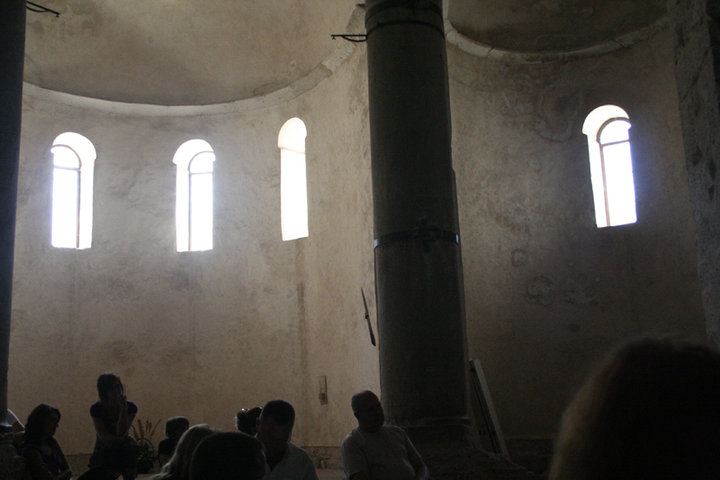
And in the nearby city of Nin, Josip shows me the world’s littlest cathedral, a shrine resonating the human voice like the body of an instrument. This I will not forget.