Is there a method to die?
Quality and Research V
art, recent work, teachingSecond course seminar with professor Liora Bresler from the University of Illinois, USA, together with Swedish hosts Lars Lindström and Eva Österlind (Stockholm University) and some twenty master and doctoral students. Akira Kurosawa’s movie Rashomon from 1949 provides a common ground for discussions about truth on different levels.
Most people agree there exists such a thing as objective reality; in Rashomon, it is represented by a man found dead in the forest. The characters involved are struggling to understand the course of events. Their tales are told and retold in multiple layers: by Kurosawa’s choice of sounds and images in making the film; within the story by the actors acting them over and over, each time from another point of view; and when the movie ends, by our thinking and talking over it. On each level, interpretations are constructed, negotiated and created anew; if there is a true story about what happened, it remains an enigma. Still, the memory stays with us, the gesture of seeking truth and meaning.
So, where is the difference, really, between the researcher’s mode of understanding reality and the artist’s? Is it only a matter of context, of different communities and traditions? Here’s one attempt at an answer, from John Dewey in 1934:
“The rhythm of loss of integration with environment and recovery of union not only persists in man but becomes conscious with him; its conditions are material out of which he forms purposes.
[…]
Since the artist cares in a peculiar way for the phase of experience in which union is achieved, he does not shun moments of resistance and tension. He rather cultivates them, not for their own sake but because of their potentialities, bringing to living consciousness an experience that is unified and total. In contrast with the person whose purpose is esthetic, the scientific man is interested in problems, in situations wherein tension between the matter of observation and of thought is marked.
[…]
The difference between the esthetic and the intellectual is thus one of the place where emphasis falls in the constant rhytm that marks the interaction of the live creature with his surroundings.”John Dewey, Art as Experience (1934)
and she is gone
uncategorized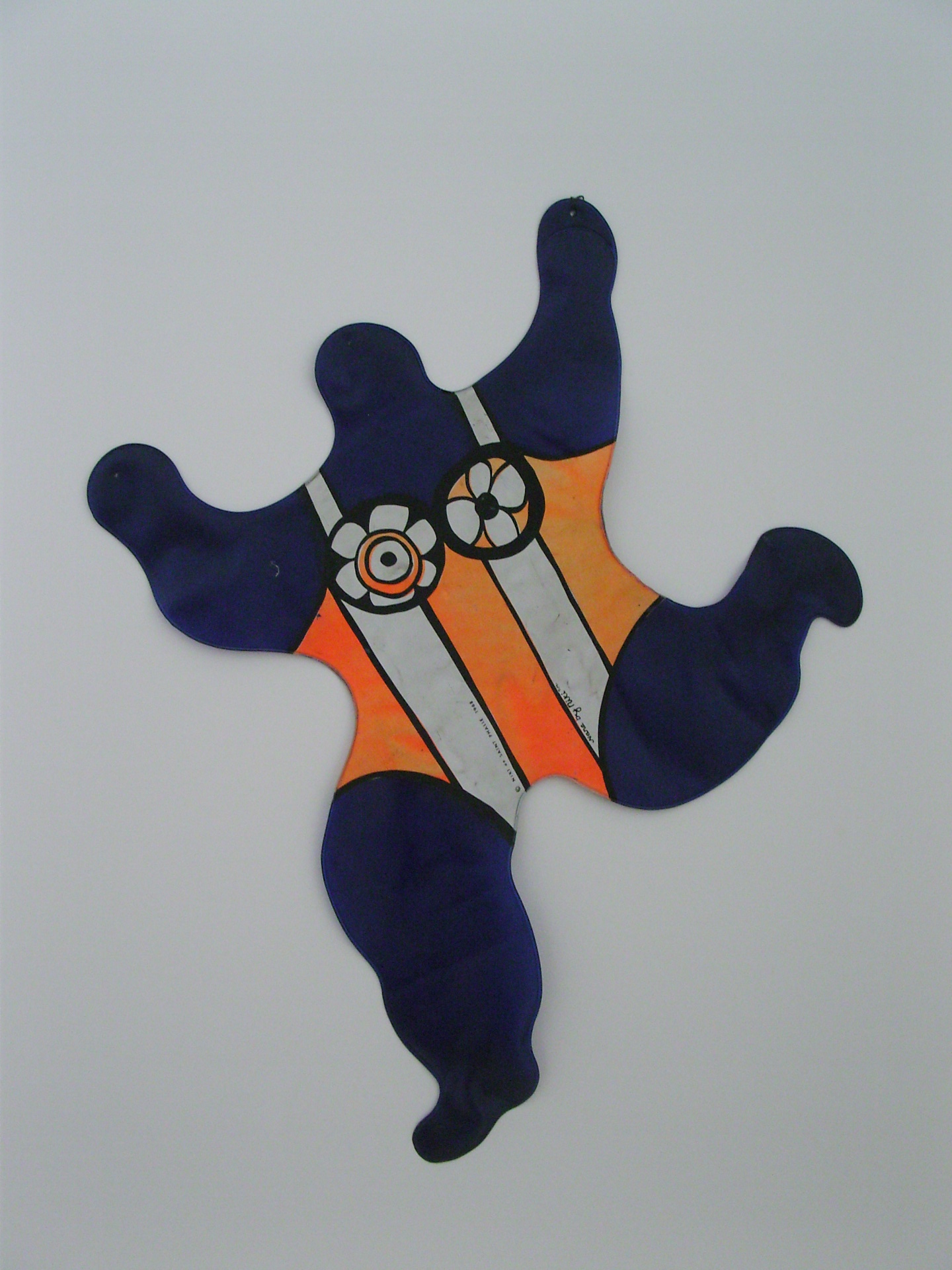
one love song for her
uncategorized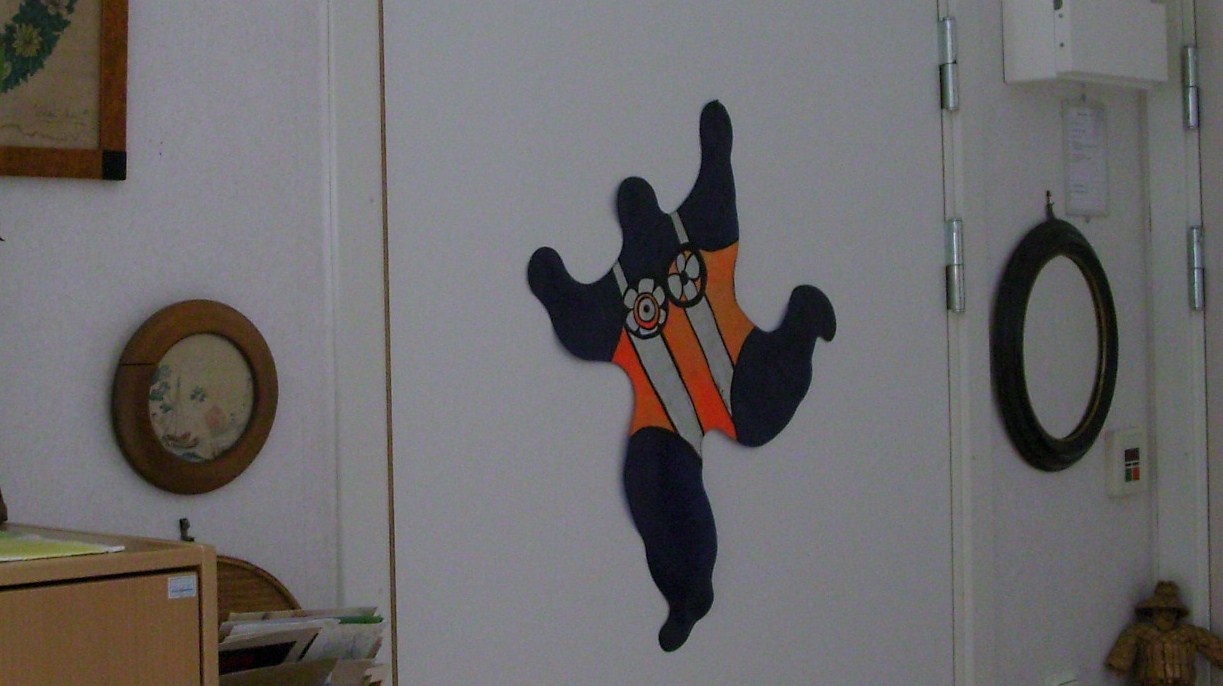
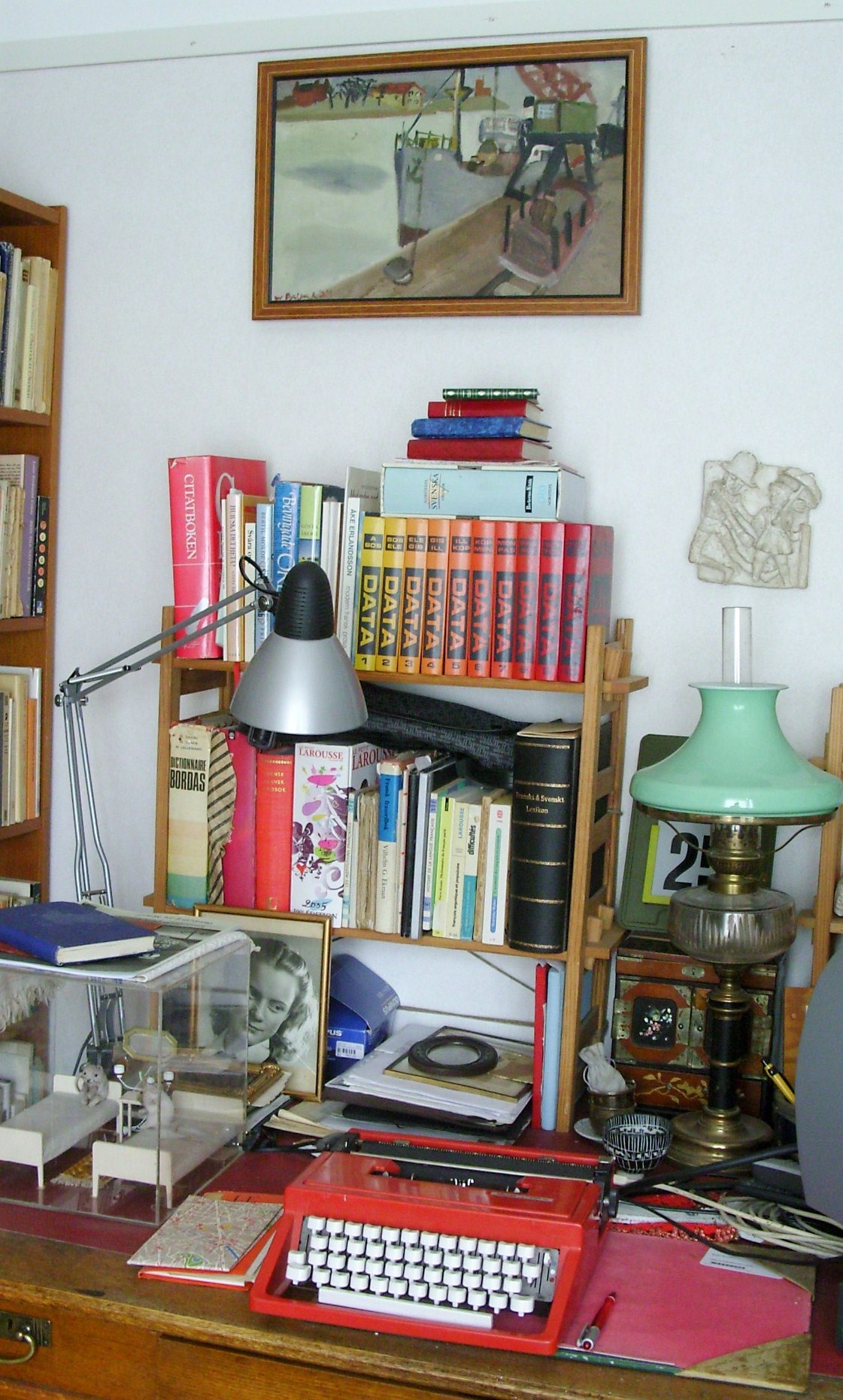



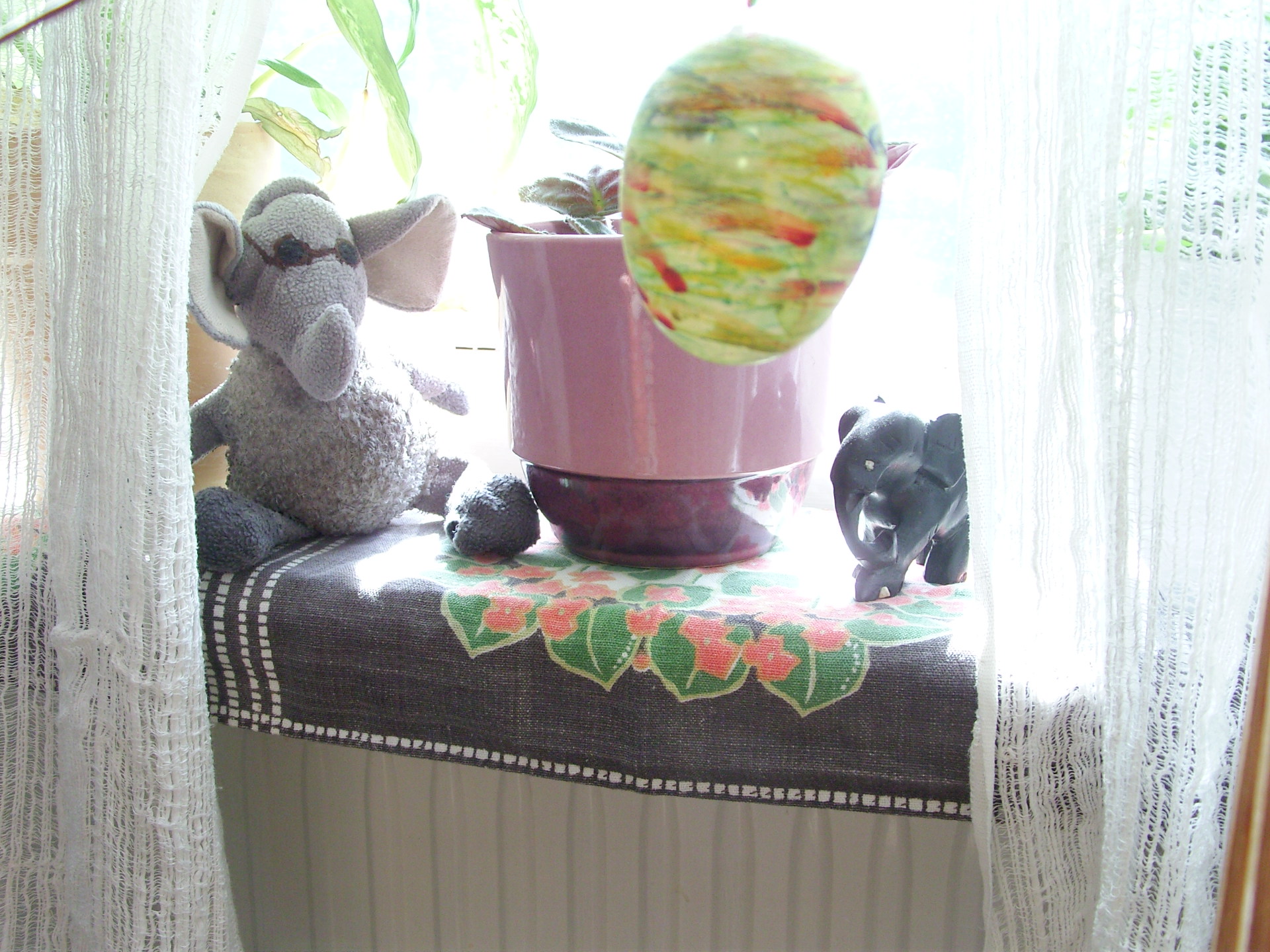
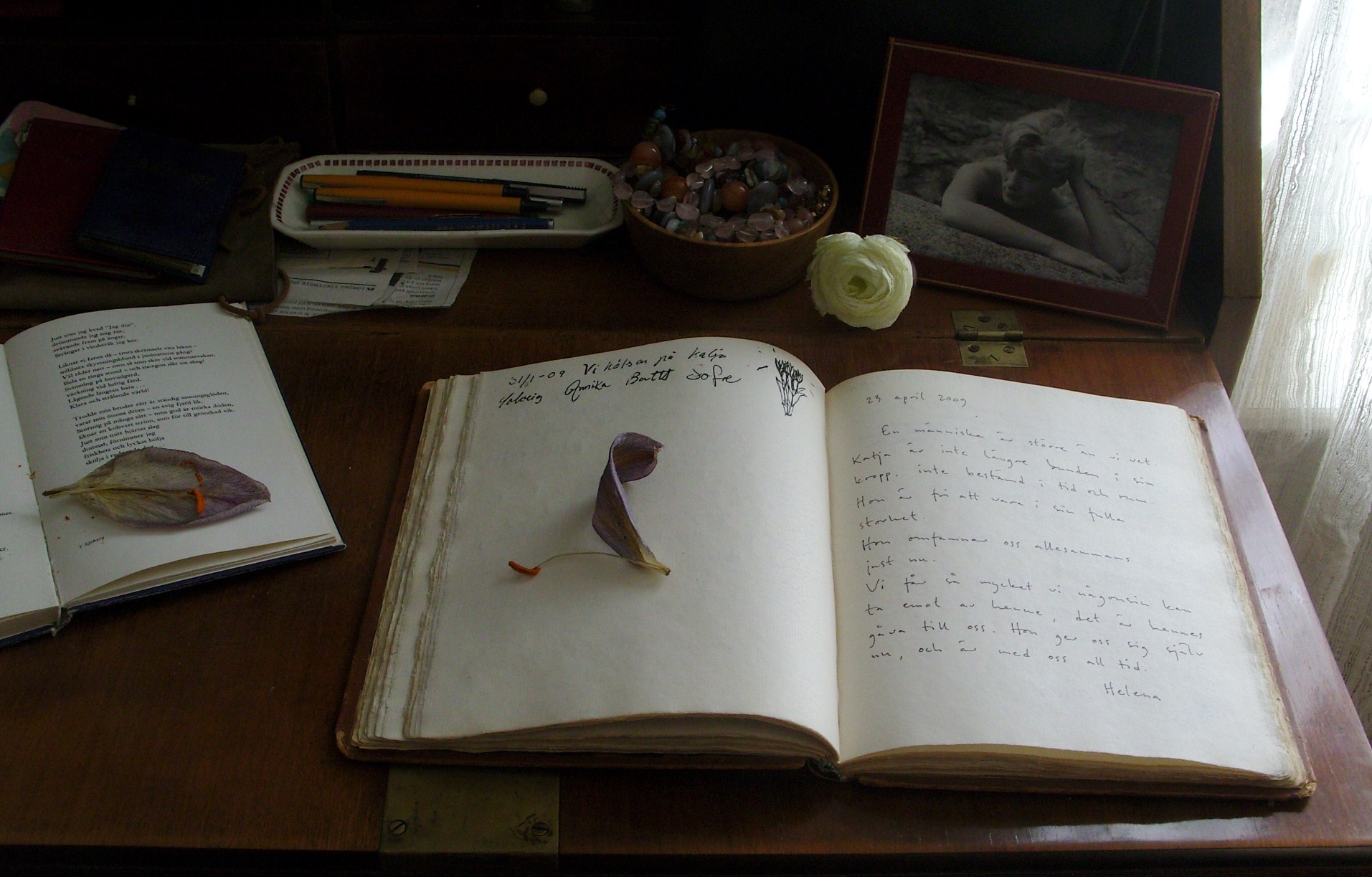
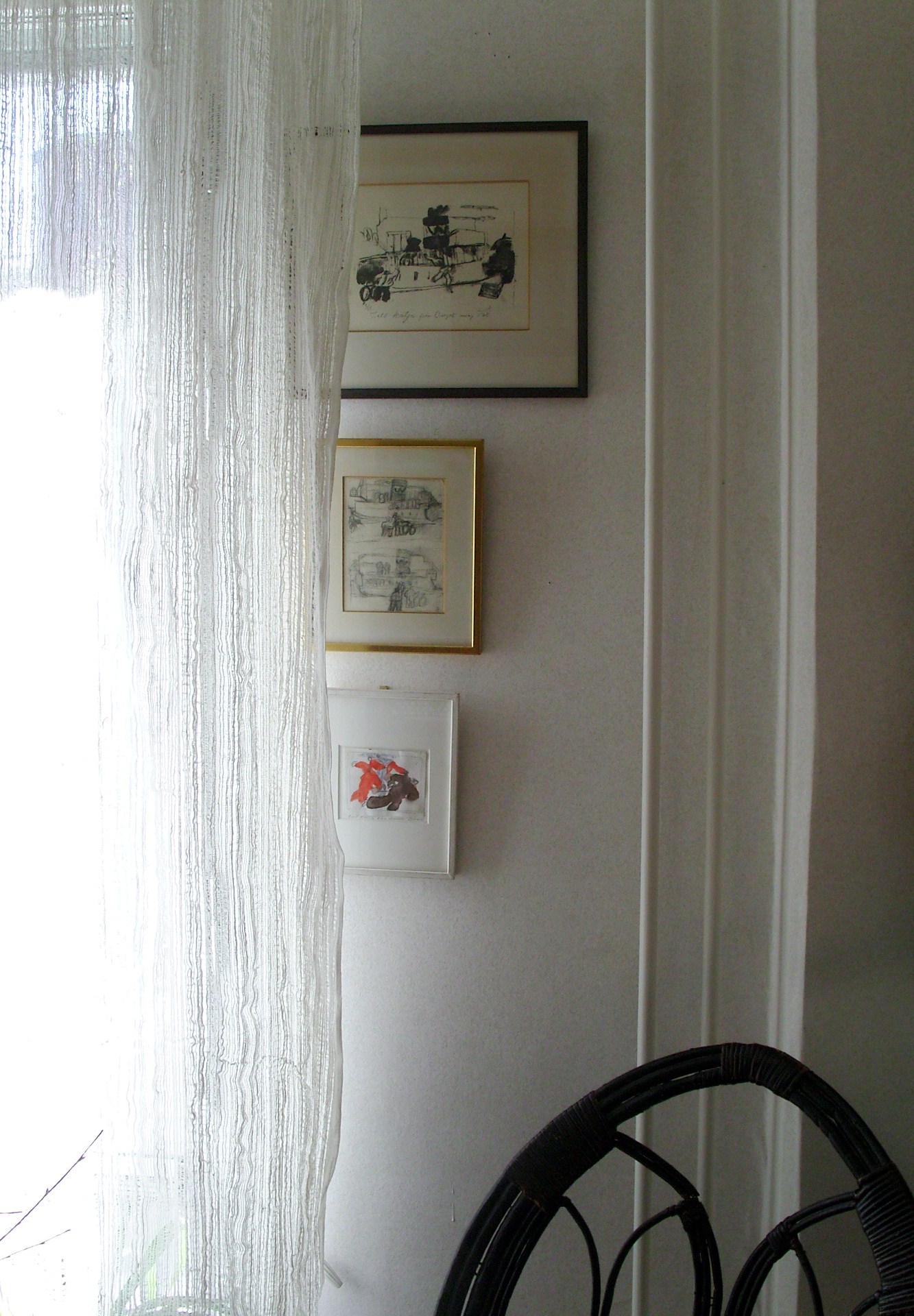
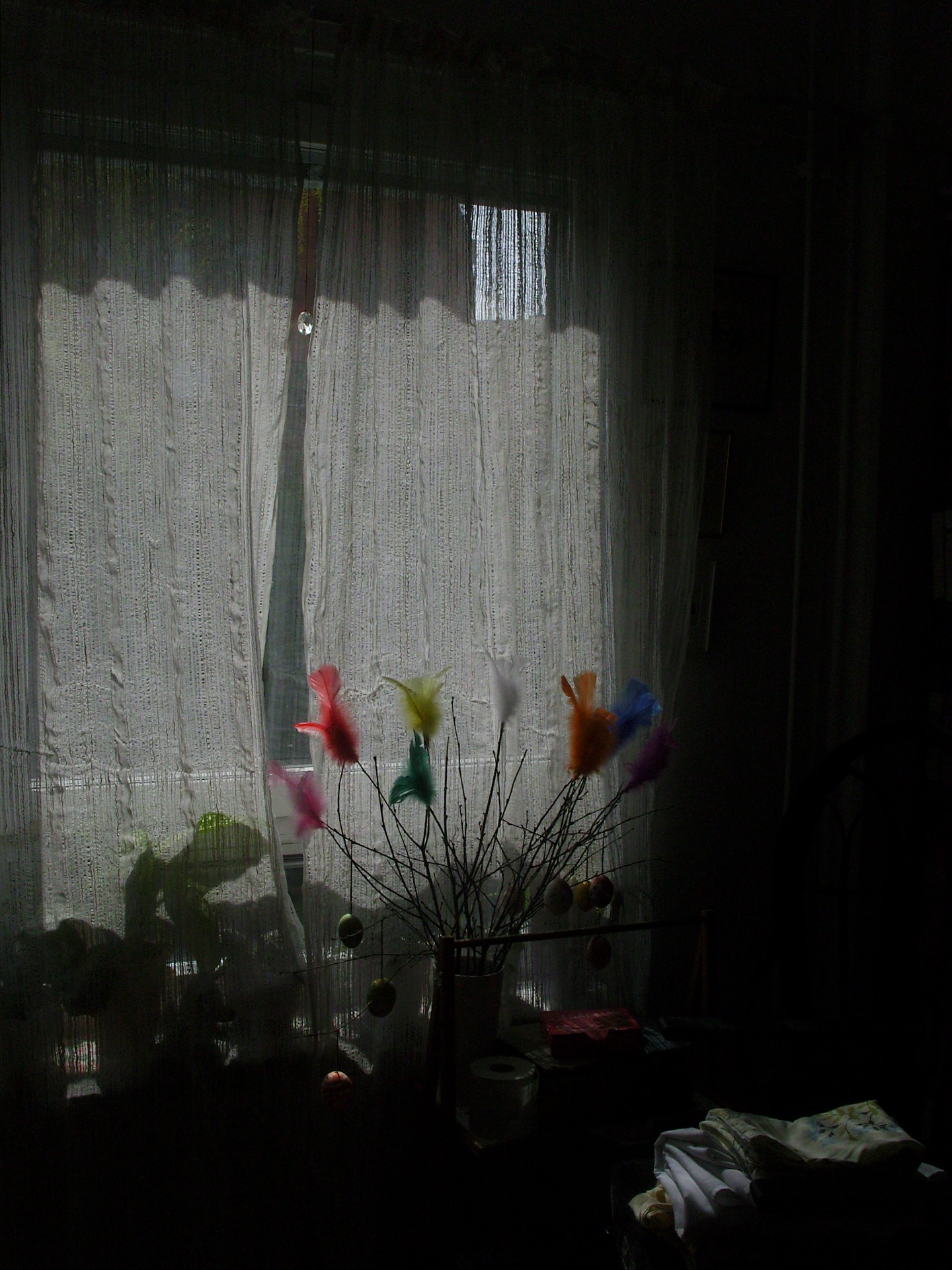
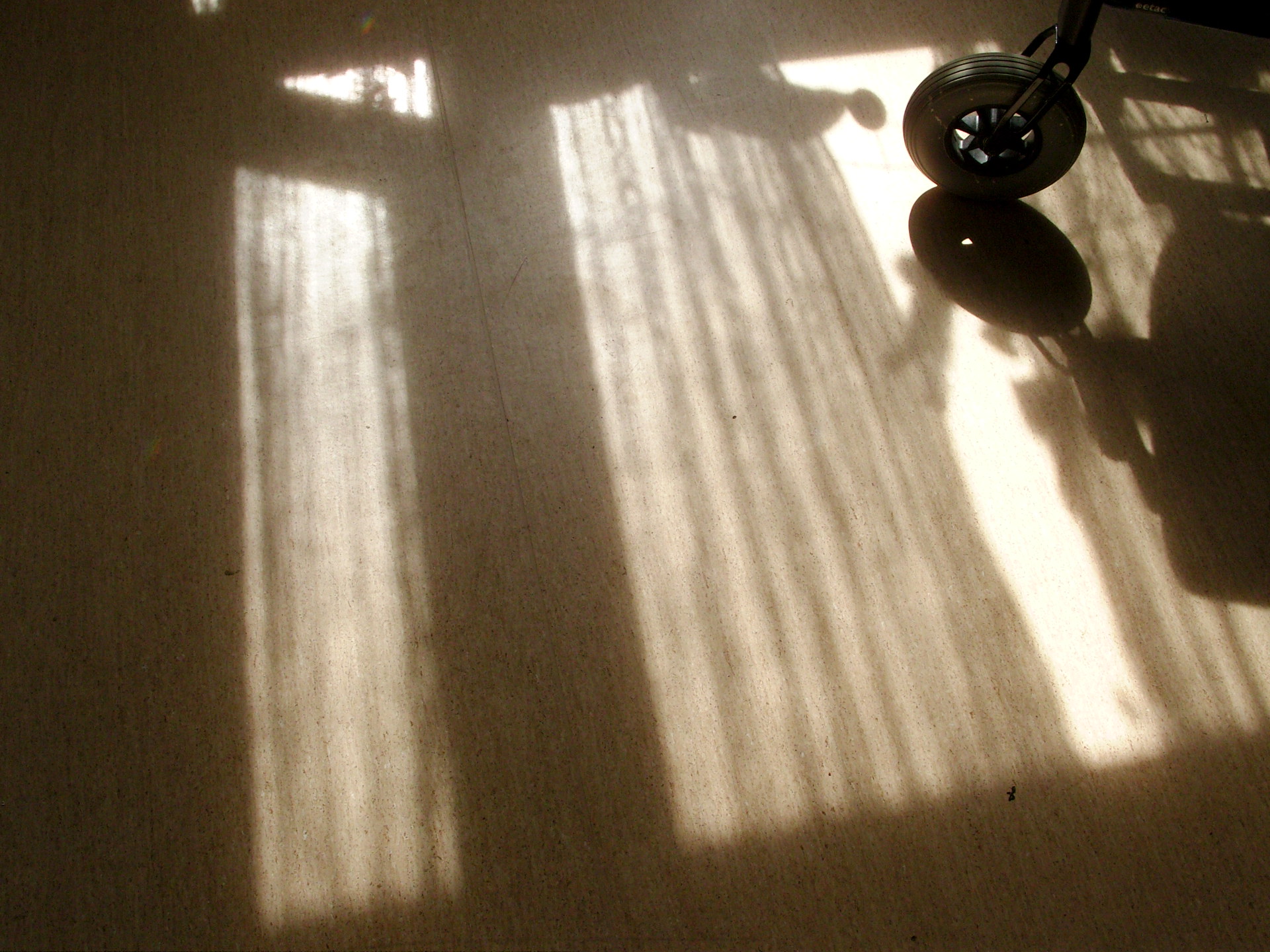
another quiet day
art, recent work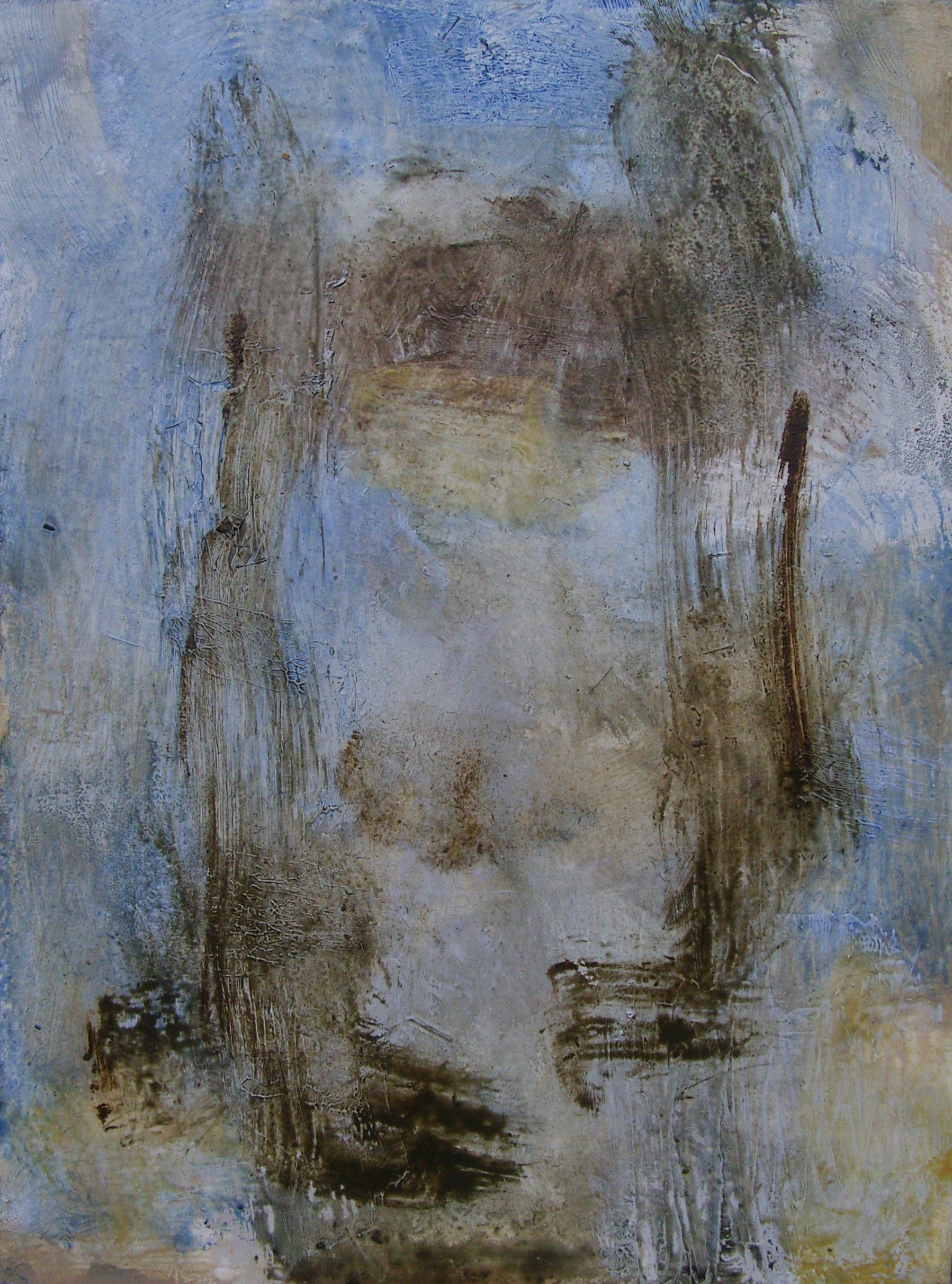 diary painting; oil on wood panel, 15 x 20 cms
090423 ca 00.40
uncategorized
natten mellan onsdag och torsdag gick Katja, min mor, ur tiden; frimodigt och stilla
the night between Wednesday and Thursday, Katja, my mother, passed away
L’amour n’est pas consolation, il est lumière.

quiet days/diary painting X
art, recent work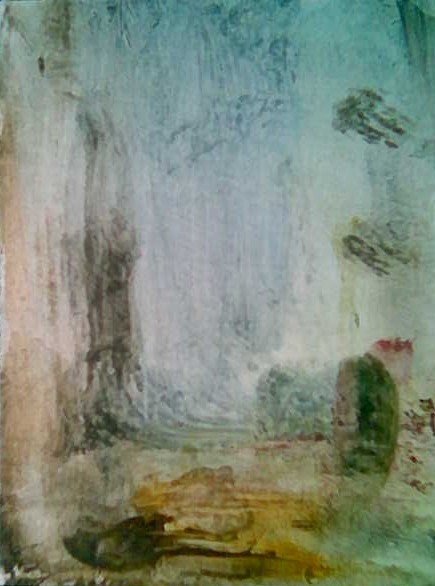

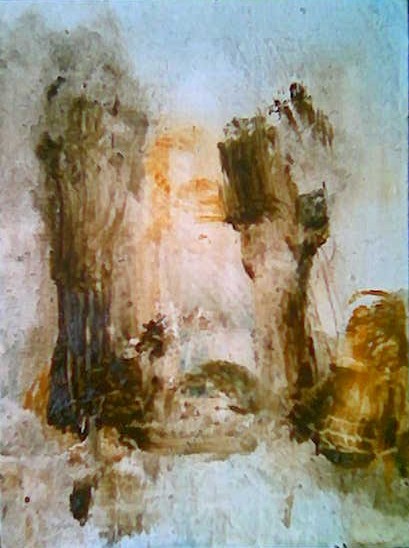
diary paintings; oil on wood panel, 15 x 20 cms each
Quality and Research IV
art, recent work, teachingText reading seminar at the course – Aesthetic-Based Qualitative Research – which I follow at Stockholm University (see also Archives/January 2009).
Is there really a difference between art and research? I bring the question to the course.
– Art appeals to feeling, is one answer I get. Oh, I’d love to have it that way… but I cannot really hold it to be simple like that. Art is largely conceptual, and has always been – at least visual arts, ever since cave paintings.
– Research is systematical, is another answer. Well, that sounds convincing at first. But then – what about (for instance) the work of Claude Monet? There are artists just as dedicated as the best of researchers in the pursuit of one theme.
– Art is mediated by sensual experience, would be my first attempt to answer myself. As if not research – or any kind of message – is… Tricky one, this.
“Ethos anthropoi daimon” (Heraclitus; and here I will not even attempt to choose a translation among the infinite number of possible ones)… I’ll try another approach; how does my inner attitude change, from making art to doing research? Or, does it?
quiet days/diary painting IX
art, recent work painting 090304; oil on wood panel, 16 x 17 cms
Last week: snowfall, gentle silence. Now, it´s all turning into watery silver and dirt.
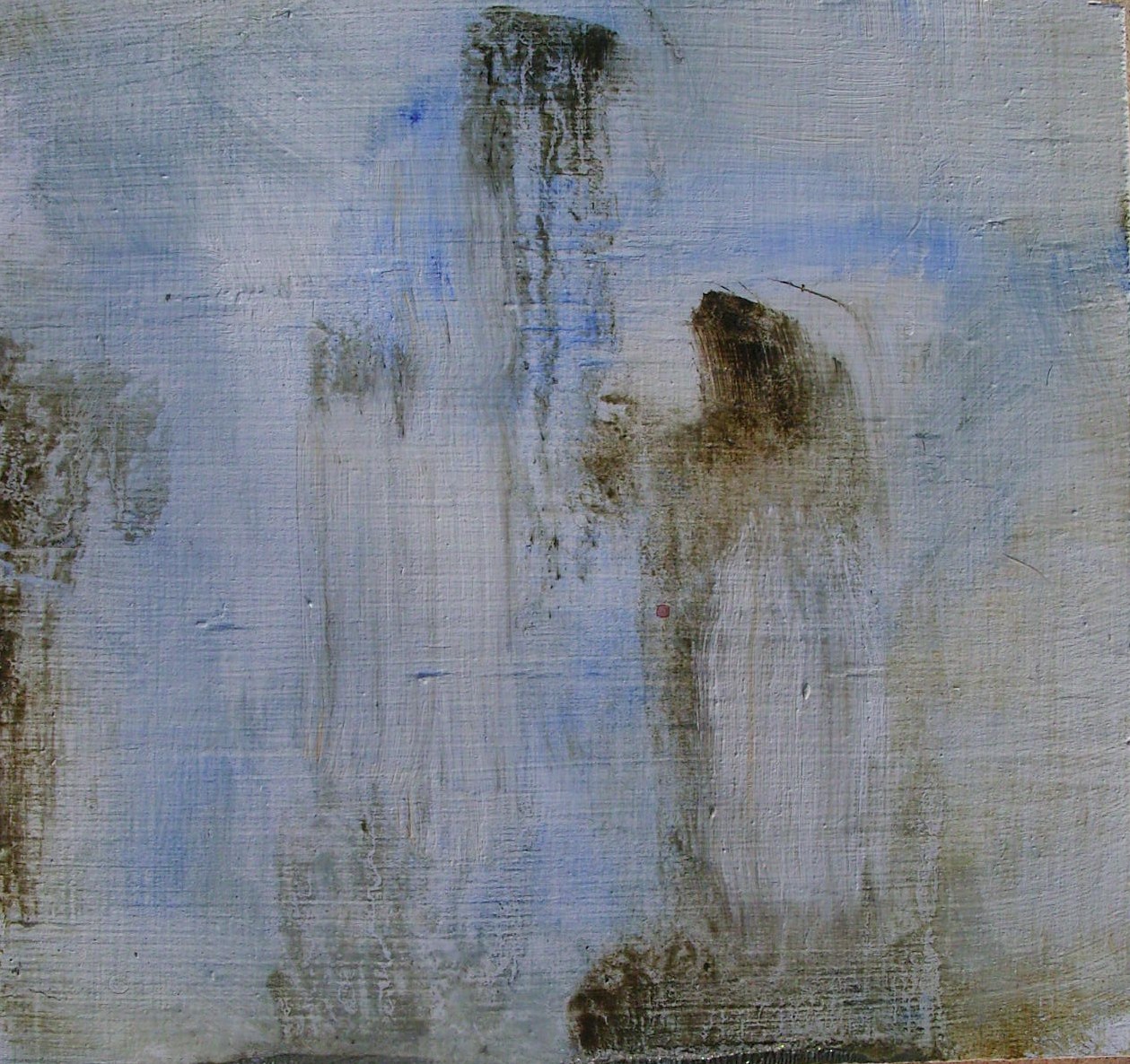

two more paintings; oil on wood panel, 16 x 17 cms
quiet days/diary painting VIII
art, recent work painting 090305; oil on wood panel, 16 x 17 cms
March; light, not yet the warmth. The light.
 Helena Hildur W.