metamorphoses and oases

art, recent work

colour exercise; wax crayons on paper, app. 15 x 21 cms

Sigrid Winkler works with the students, studying metamorphoses in nature, while I attend another NUrope oasis. This time it is held in Åbo/Turku (Finland) and Stockholm, during five days. I do small colour exercises – another kind of metamorphosis – while listening to lectures and talks… and my focus is on the NUrope process itself, rather than the (interesting) subjects treated. Just like art, this is a self-defining learning process. Unlike the individual artist’s work, it involves quite a number of people. I listen and learn.

(see also page Nomadic)

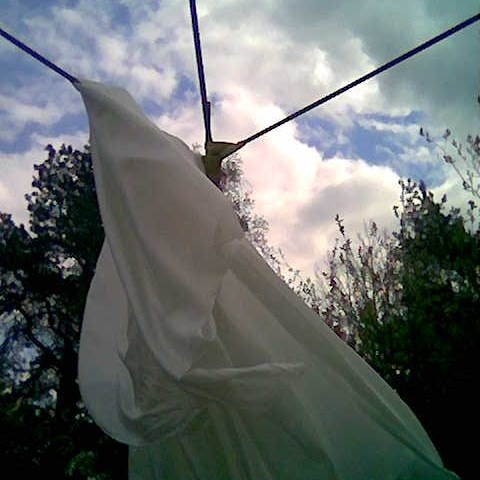
fabric and felt X

art, recent work, teaching


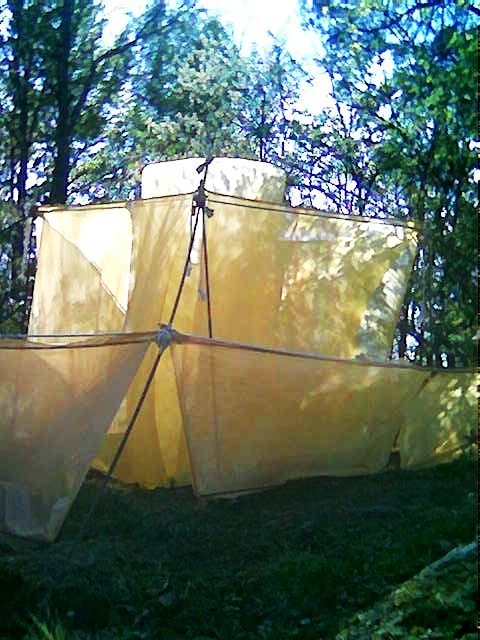
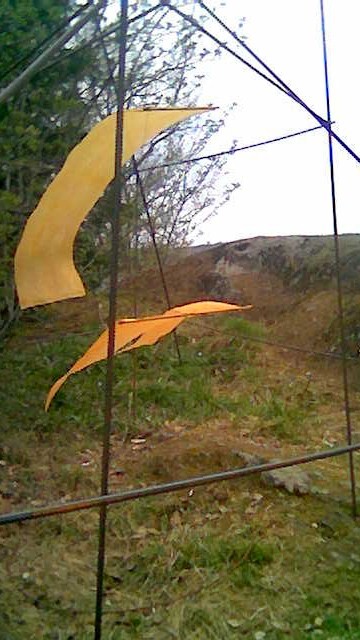
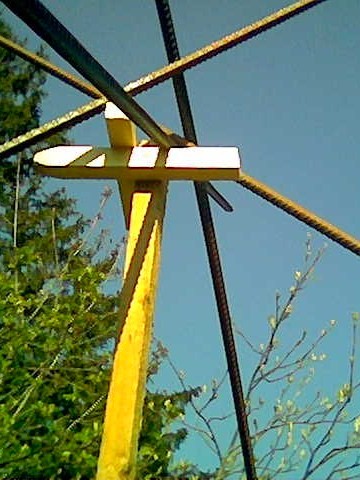
calling Apollo; construction with armoury irons, dyed silk fabric, rope and thread, 5 x 5 x 2,5 metres

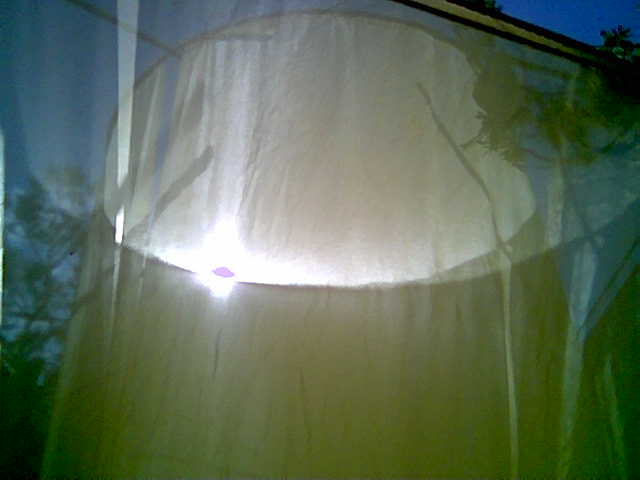
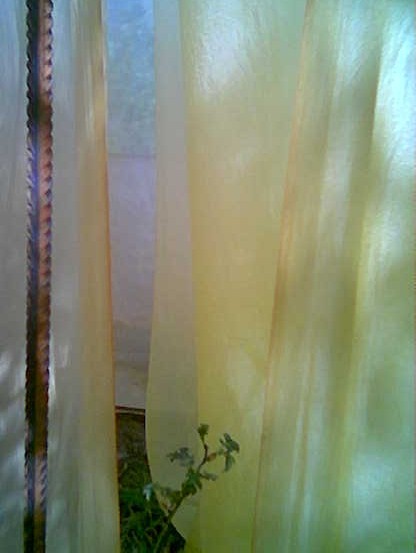
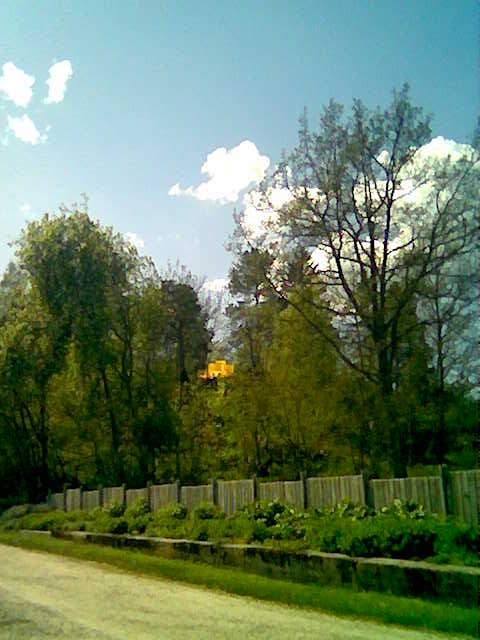
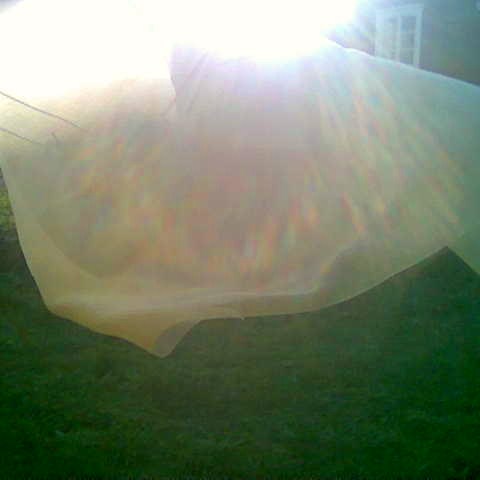
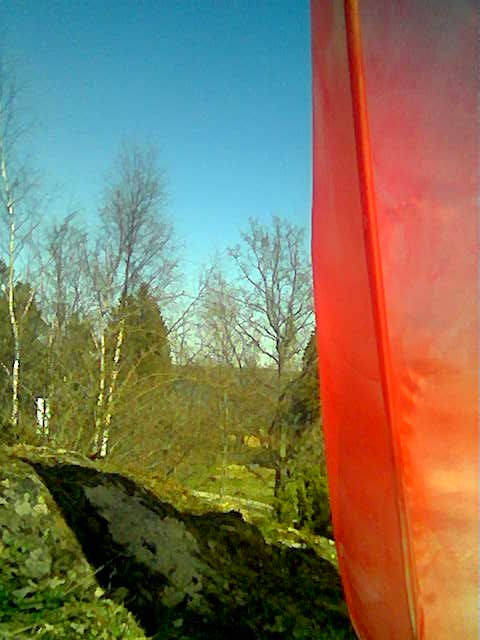
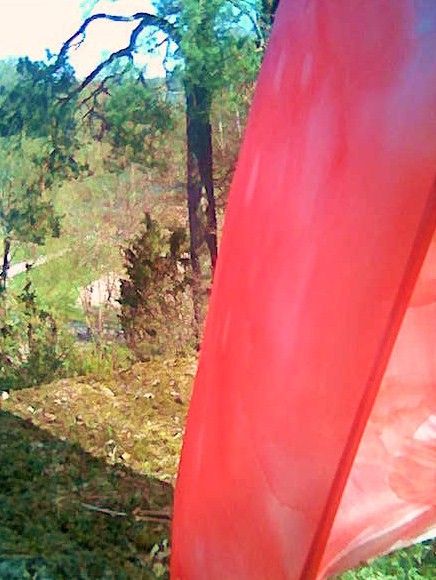
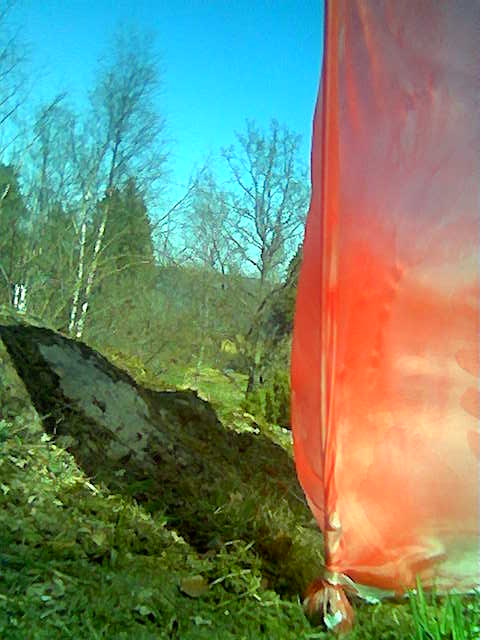
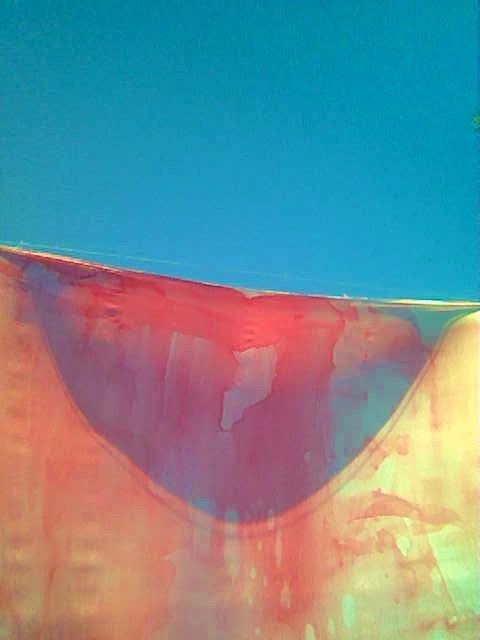
Finally, it’s there: a zikkurat (since one of us, Ayad, is of Iraqi origin) built in fairly cheap and easy-to-handle materials (since we couldn’t hire a thousand construction workers from Kuweit) to honour the honey-coloured light. It has been hard work, and pure joy.


fabric and felt IX

art, teaching

greenhouse party

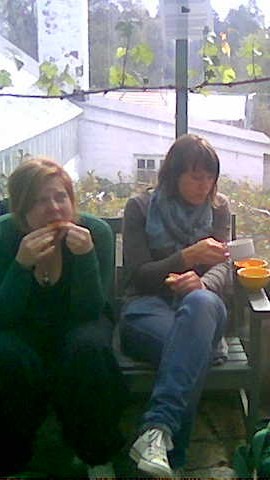
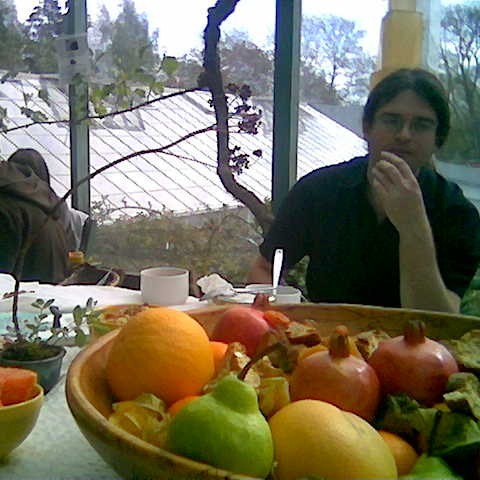
In the beginning of this week, we could welcome our friends back from Greece. We shared fruits and nuts from the Mediterranean as well as spiced yoghurt and honey from Järna and nearby, and had a good time. Since life constantly waltzes us around, not much of our work during the last weeks was actually on display this day. Some of it was exhibited elsewhere, some of it was left home and some was still in the process… and as a process, it was shared too.

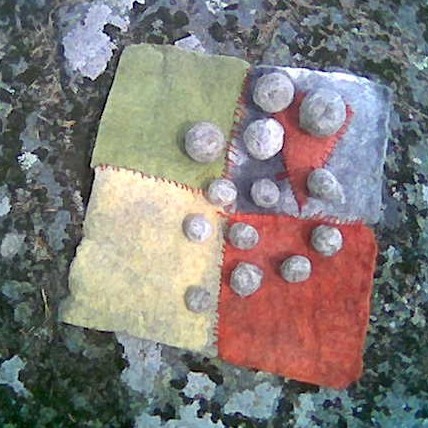
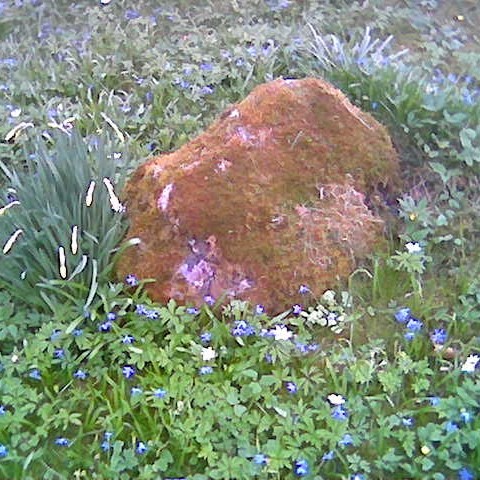
Malin between felt and stone

fabric and felt VII

art, recent work, teaching

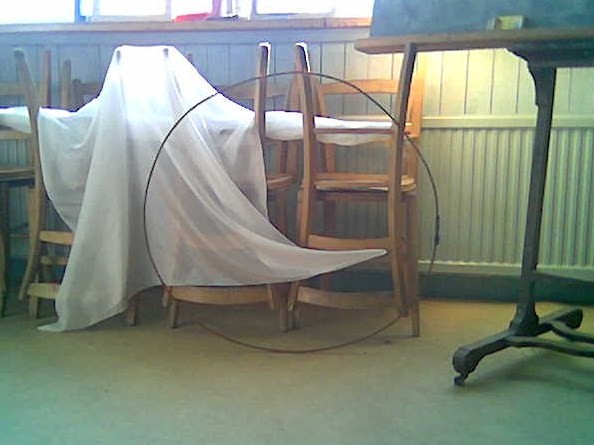
iron construction with dyed silk sample

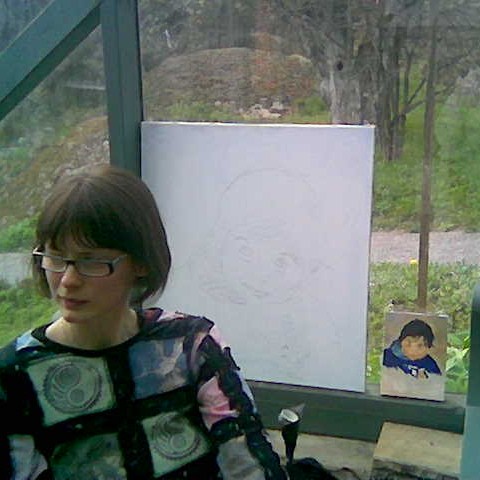
Gathering in the morning in the Blue atelier; now we are beginning to close up. Since each one of this small group has been working independently during the last weeks, we now share experiences and show pieces of work. When our friends and colleagues return to school next Tuesday, we will welcome them by displaying what has been achieved – in the two chosen sites as well as in the greenhouse situated between them.

Before leaving for the weekend, we recreate the Symposion: each student has in advance read one of the speeches which constitute Plato’s story; no one, though, has read the whole text. We take turns in referring the different views on Love: the young man’s and the more experienced, the physician’s, the comedian’s and the orator’s tales; they are all retold and, through the referrer, become altogether contemporary. I improvise Diotima, the old woman, speaking through Socrates – before the symposium breaks up… in the text by the arrival of Alkibiades, in our group just by quiet dissolving into private life… but we are not all finished yet, we’ll meet on Tuesday. So, until then: thank you all, so far!

fabric and felt V

art, recent work, teaching

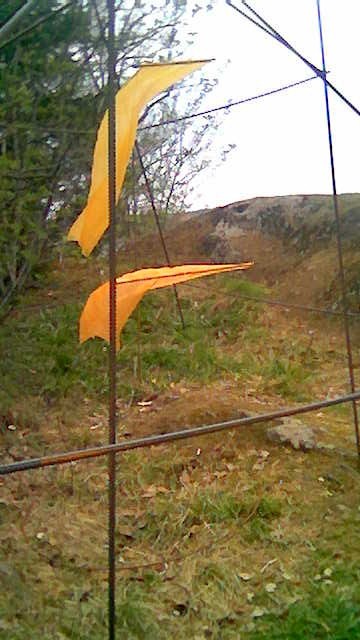
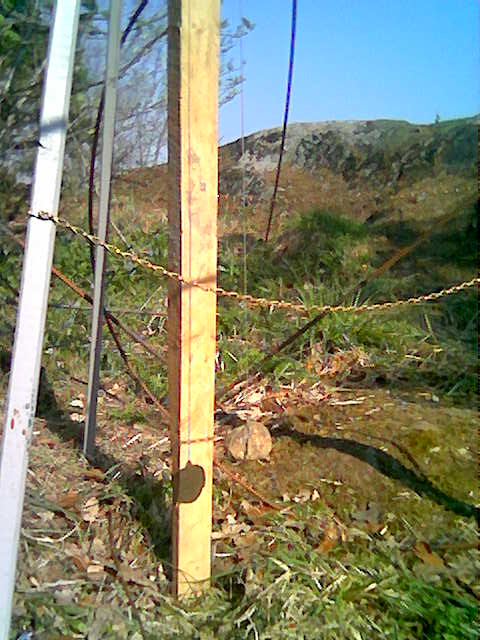
iron and silk; construction work for the hilltop site

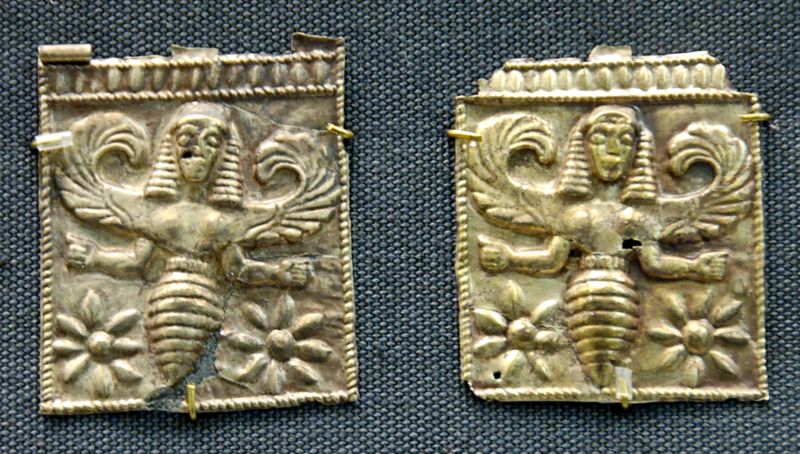
Our colleagues and friends in Greece send us greetings: in Athens, Delphi and Epidauros they experience the remnants, the reminiscences perhaps, of antiquity – while we in Järna enjoy the sweetness of a new spring. Sap is rising and trees are coming into leaf in the garden. The beekeeper is busy working by the hives, and so are the bees – golden dots whizzing back and forth in the sunshine. The return of Persephone and presence of Apollo is easily imagined here. And wasn’t Apollo’s priestess once known as the Delphic bee? Didn’t Apollo learn from the Thriai to become a seer?
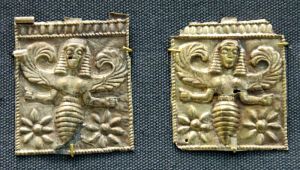
Thriai or bee-goddesses; golden placques from Rhodes, 7th century BCE; photo Jastrow/British Museum (Wikipedia)

Apollo speaks to his brother: “There are certain holy ones, sisters born… three virgins, gifted with wings: their heads are besprinkled with white /barley/ meal, and they dwell under a ridge of Parnassus. These are teachers of divination apart from me, the art which I practised while yet a boy… From their home they fly now here, now there, feeding on honey-comb and bringing all things to pass… ” (Homeric hymn IV; to Hermes, 4th century BCE?)

And, even before the times of Apollo, there was Gaia; “For they say that in the earliest times the oracular seat belonged to Earth, who appointed as prophetess at it Daphnis, one of the nymphs of the mountain… The Delphians say that the second temple was made by bees from beeswax and feathers, and that it was sent to the Hyperboreans by Apollo.” (Pausanias, Description of Greece, 2nd century CE; Daphnis was one of the ‘virgins, gifted with wings’ or Thriai)

At this hyperborean shore, today we bow to Gaia and to Apollo.
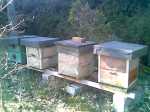
beehives under the hilltop