Praxis of Social Imaginaries, Winter Session 2025

art, recent work, time-out

On March 5th to 9th, the Praxis circle gathered for another Winter Session – the last one within this three year cycle. Once more, we were hosted by the Sigtuna Foundation; a center for culture, research and education, with roots in the Christian ecumenical movement of the early 20th century. The Foundation resides in a cluster of monastery-like buildings, situated among pine trees on a hillside in the mediaeval city of Sigtuna (Sweden)… a venue quite congruent with the texts we were reading. And the book was A Description of the Northern Peoples, written by Olaus Magnus – the last Catholic archbishop of Sweden – during his exile in Rome, and published in 1555. 
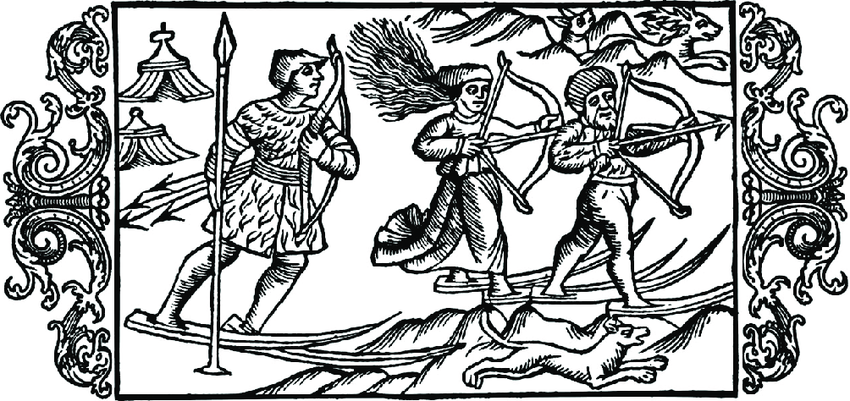
Woodcut from Olaus Magnus’ ‘A Description…’ showing a party of Scricfinnias hunting on ski;
artist unknown, image source Wikimedia Commons

The book consists of a very large number of short chapters, covering topics such as The Five Languages of the Northern Kingdoms, On Preventing Filthy Ditties and Of the Sea-Magicians.  The text was approached from various perspectives (as usual within the Praxis study circle) and further processed through workshops in writing, drawing and listening.  A chapter on sword and fire dances generated an improvised solo dance by Dr. Laura Hellsten; and the mediaeval Festivals of Greenery were discussed and enacted while enjoying the first sunny day of spring. In present time, Ramadan had begun and a handful of the participants were observing the lent during daylight. Luckily, dinners were served after sunset, and we could all share plentiful, tasty meals in the dining hall… as the new moon was quietly waxing.


Woodcut from Olaus Magnus’ ‘A Description…’ showing a ship running aground after being misled by a fire on the shore, 
and men of the Finnmark attacking the supposed pirates onboard with stones in their hands.;
artist unknown, image source Wikimedia Commons

Olaus Magnus’ original text was accompanied by woodcuts, made under supervision of the author himself especially for this first edition; an unusual feature that most probably contributed to make the book a success. As can be seen, the scenes were abundant with vivid detail… About one hundred of these pictures actually originate from an earlier publication of Olaus Magnus: the Carta Marina. Printed in Venice in 1539 – after twelve years of work – it is in itself a rich description of places, creatures and people; an almost overwhelming compilation of material provided from memory by the banished archbishop. This map provided the starting point of a session on Magic, facilitated by Dr. Lindsey Drury, where we connected events described in the book with the actual places on the map – and, again, with our own experiences of traditions and histories handed down over generations…
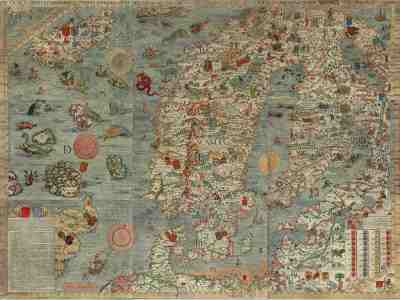
Olaus Magnus’ Carta Marina, printed in Venice (1539) and later hand-coloured;
artist unknown, image source Wikimedia Commons

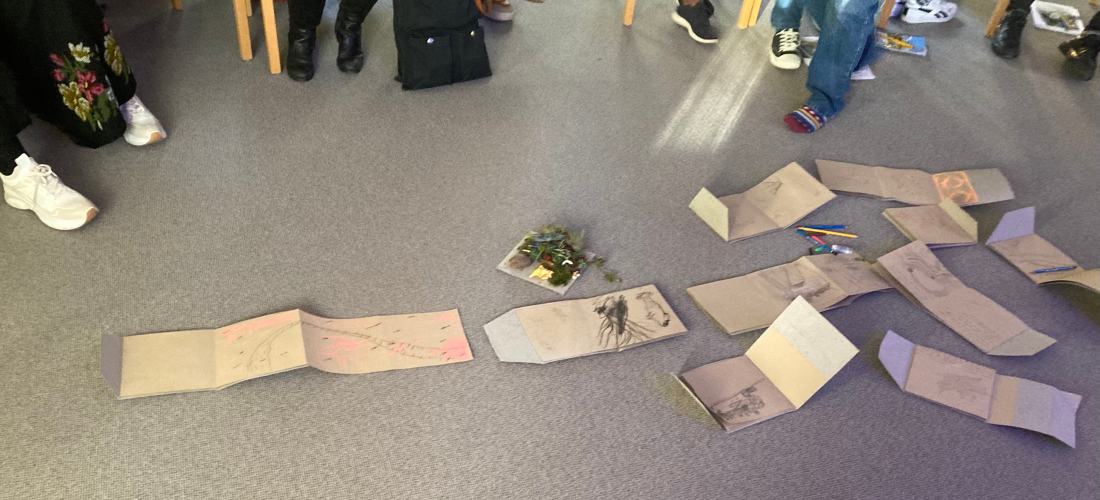
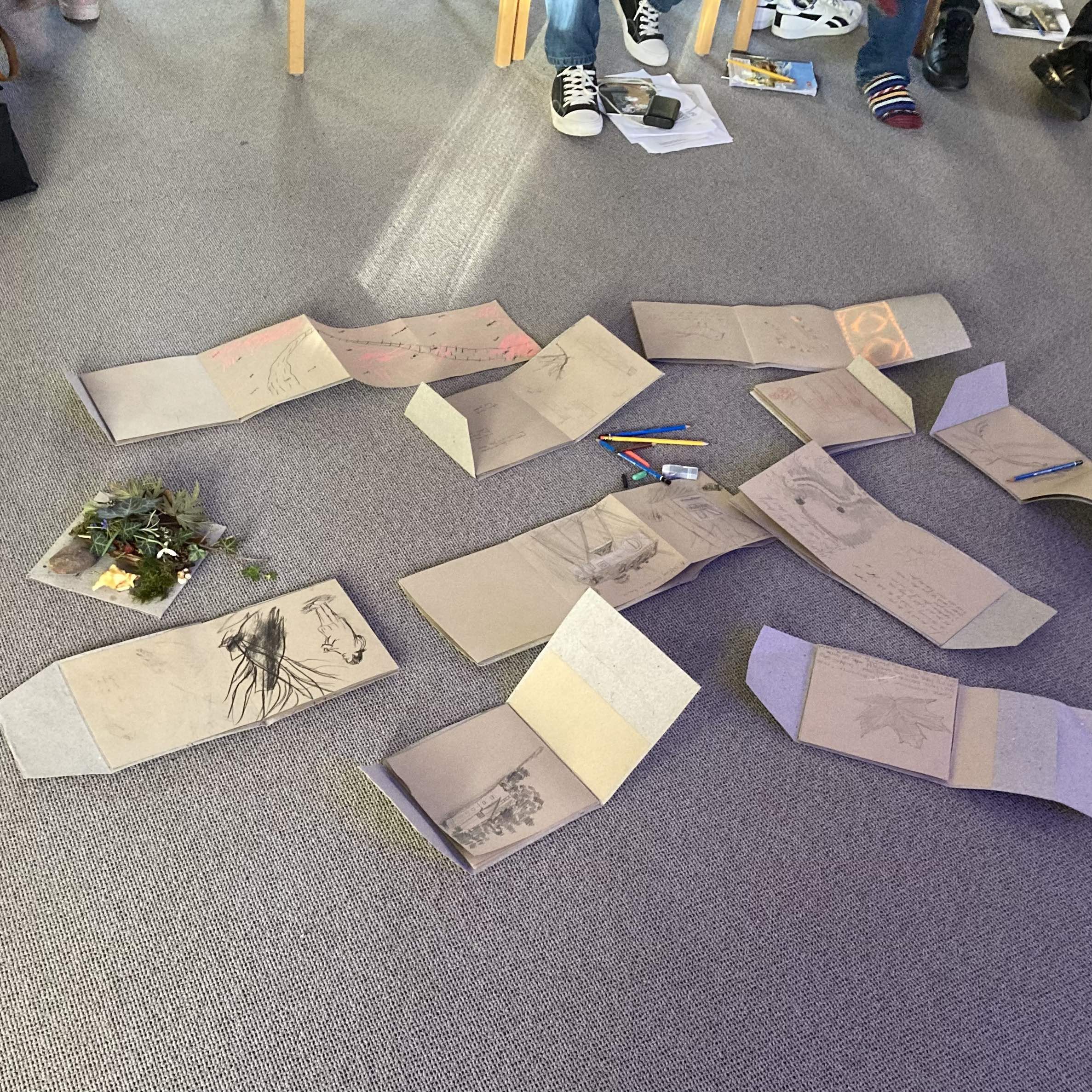
My own contribution followed shortly after this session, and included a listening exercise borrowed from Pauline Oliveros’ Deep Listening scores; a silent walk along the hillside groves; and providing handmade booklets for making personal notes while finding one’s way back to the Foundation. The idea was to turn from an analytical mode, into attention in the present – shifting from the realm of the scholar (Olaus Magnus) in order to approach the mindset of a person closer to weather, shifts of light and temperature, and other-than-human life…

(In fact, I believe that the indigenous “magic” perceived by foreigners may – more often than not? – be the result of close attention paired with traditional knowledge.)
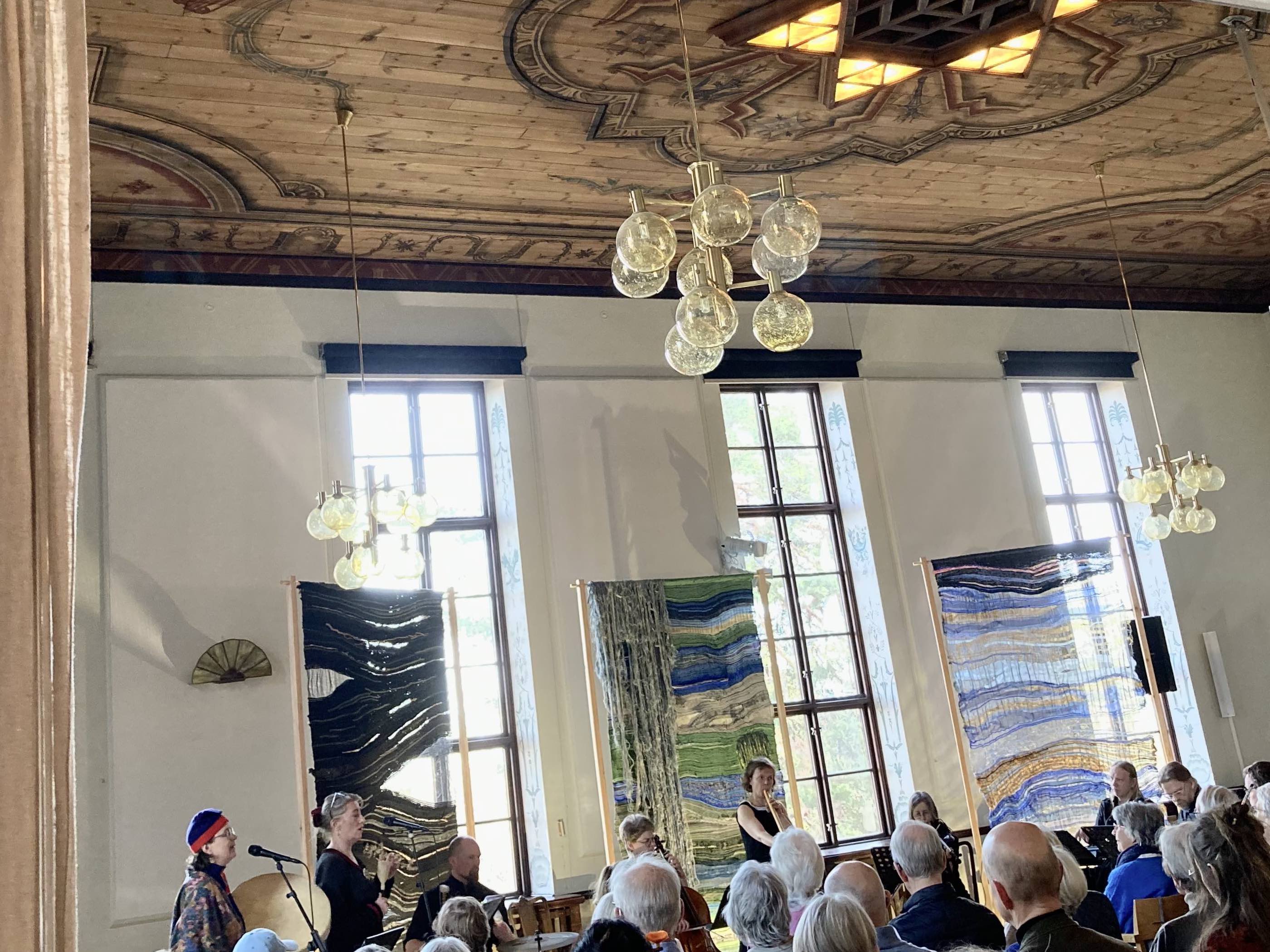
Spirit Land performed by Nina Nordvall Vahlberg, Emma Göransson, Olli Liljeström, Carolina Bjon, Minna Hokka, Marianne Maans, Kari Mäkiranta and Frank Berger

In the next-to-final day of the Winter Session, the Praxis circle was invited to take part of Vuoiŋŋalaš Eanadat / Spirit Land, an artistic collaboration between two of our co-participants: textile artist / artistic researcher Emma Göransson and composer / musician Frank Berger. The performance also included a number of musicians from Finland and Sàpmi, and was open to the public as a part of Sigtuna Foundation’s cultural program.

The auditorium was crowded, and the afternoon sun gently spread its light through the textiles as music and jojk began to fill the air. For two years, Emma and Frank have been working towards this performance – and now was the moment! Colours, textures and sound intertwined, invoking the visible and invisible landscapes of the North. In Emma’s own words: “The three cosmological spheres in traditional Sami mythology – Jabbmeájjmo/Underworld, Eana/Earth, and Albmi/Heaven – are represented by monumental weavings, here set to music. The voices of the landscapes are heard anew, restored and brought to life, but changed.”

Afterwards, Dr. Hellsten moderated a talk between Frank, Emma, and Dr. Shiluinla Jamir – another valued member of the Praxis circle, who graciously added the perspective of a person from the indigenous Naga people of Northeast India. Listening to Frank’s music, and the jojks of Emma and Nina Nordvall Vahlberg; watching the delicate weavings floating in light; and following the exchange of indigenous experiences… were some of the memorable moments of hope and beauty that will stay with me.
Mapping Praxis VIII: Talk, Text and Textiles

art, recent work

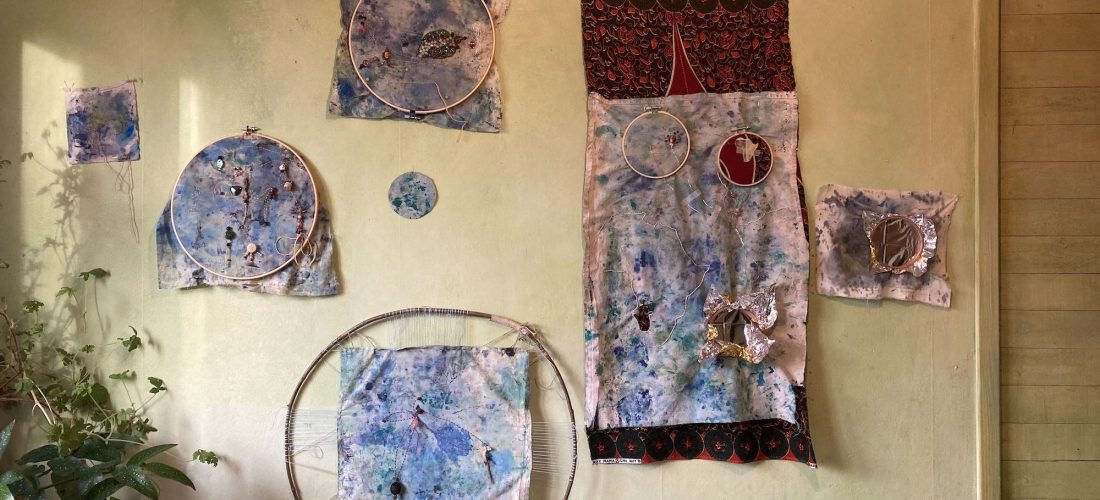
The embroidered Mapping Praxis itineraries are products of face-to-face chats, and of handicraft rendering talk into tactile textile maps. In parallel, and thanks to the efforts of Laura Hellsten, participants of the Praxis of Social Imaginaries study circle have been invited to contribute to a special issue of a scientific journal. Since September, the mapping project has therefore extended into academic writing.

Halfway into the first month of 2025, three embroidered maps were completed (sometimes after several revisions) and a first draft for an article was submitted. The work continues, now by realizing the next three mappings… 

Art’s Birthday Rebirth: Soundtower Growing Roots

art, recent work, upcoming

Being part of the Ljudtornet (Soundtower) sound/art platform has been inspiring, joyful and rewarding in so many ways… From the beginning in 2018, we have realized six ANTENN festivals in the old Watertower of Gnesta (engaging almost a hundred Swedish and international sound artists, musicians, filmmakers, and other exhibitors/performers); we have made web radio broadcasts reaching listeners globally; and since 2020, we have celebrated Art’s Birthday on the 17th of January by making original sound/art installations.

From the Watertower into the forest; photo HHW.

When the local municipality decided to lock the watertower permanently in 2023, the Soundtower staged a mourning march and farewell ceremony. We lost a homeplace, but the spirit stayed with us; we kept on collaborating, in various constellations, and kept in touch. In November 2024, some of us took part in a manifestation for Ulvaskogen/Wolves’ Wood – a local forest, threatened by brutal logging. From this event, a seminal thought began to grow… and on Art’s Birthday 2025, the seedling reached the light.

The Soundtower is growing new roots… 

This slideshow requires JavaScript.

“The Light in Wolves’ Wood” event, Nov. 17th, 2024;
contributions by Soundtower artists Julia Adzuki, Patrick Dallard, Tomas Björkdal, Rolf Schuurmans, Helena Hildur W, the Ministry for Environmental Grief;
photos by Eliot Freed

Mapping Futures @ AboAgora II

art, recent work

Mars, the God of War, is pictured as a potent bringer of violence and destruction. Many among us have also experienced the actual pains and traumas of migration, displacement and escape from unbearable circumstances…

Still, there will always be futures beyond warfare.

How do we understand our true needs – and how can they be fulfilled in times of turmoil?
Which values are worth building a future upon?

How could new paths be found, when old ways are lost?

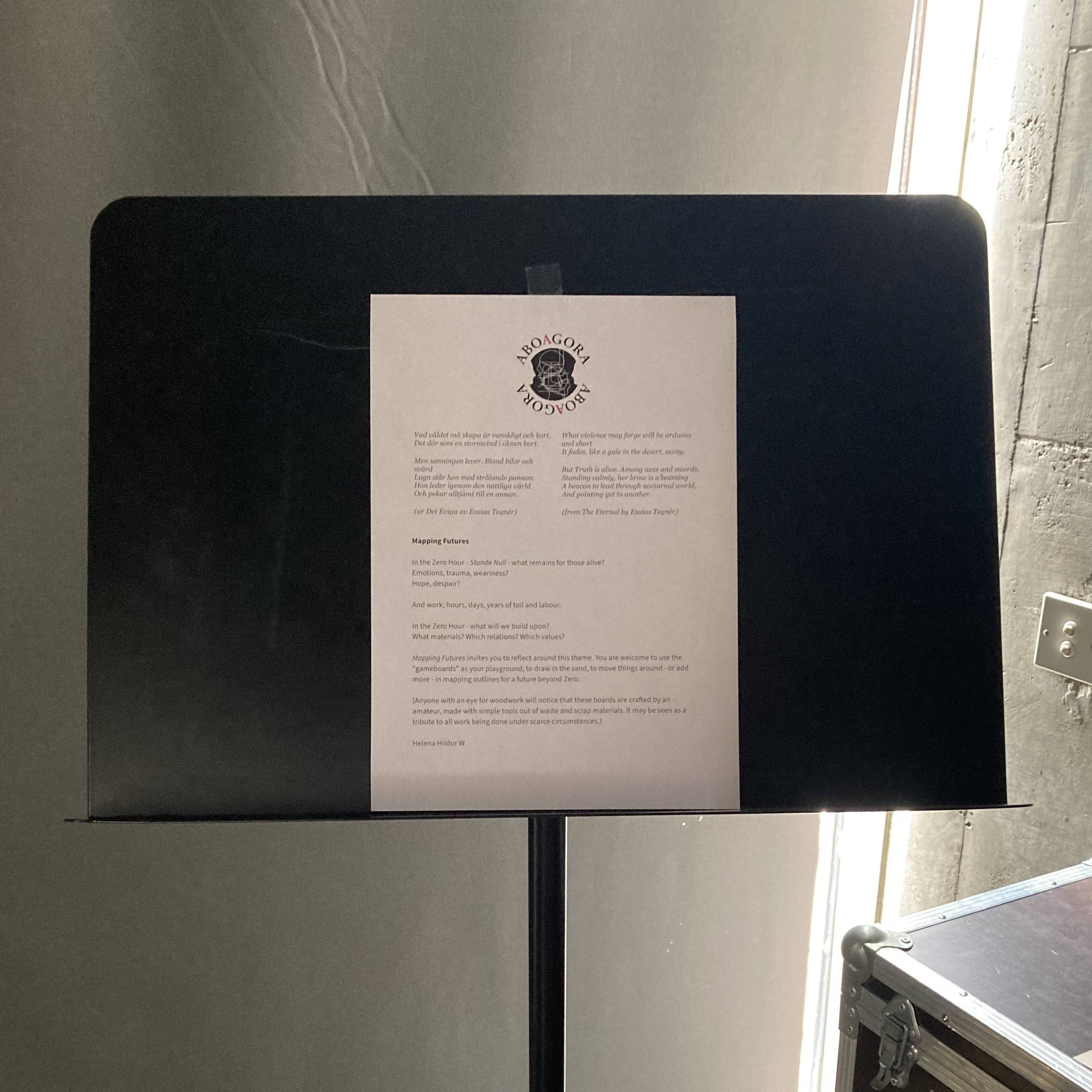
Mapping Futures invites participants to reflect, to share experiences, and to co-create around this theme. We’ll use map-making as a working format, along with movement and listening. And – since play is a very serious business – the workshop will stay open for playfulness, too.

Such was the presentation of Mapping Futures, as it appeared in the programme of AboAgora 2024. I learned that sixteen participants had signed up in advance – a full group. The actual workshop was scheduled on the third and last day – Friday, August 30th – and the plan was to have it outdoors, in the museum’s garden, to connect with nature as well as with the surrounding cityscape… Unfortunately, according to the weather forecast, the floating fluffy morning skies were likely to turn into heavy winds, thunder and rainfall by noon. Project coordinator Petra and I had to take a decision about the locale, and quickly agreed to move all the material inside. An hour later, 40 kilograms of sand was carried indoors along with the hexagon boards, and the “beach” was prepared – complete with pebbles and seashells, bottle caps and plastic rubble, bird feathers and other tiny items (all brought from Sweden in my suitcase).

By 10am, a few light clouds occasionally dimmed the warm sunlight. The group of participants gathered in the shadow of the huge oak tree, once planted by Linnaean adept Pehr Kalm – a tree that has survived fire and ice, war and unrest for more than 250 years… After two full days of artistic and scientific perspectives on martial machineries, this seemed to be a good point of departure for a workshop focusing on resilience.

left and right: Pehr Kalm’s oak;
middle: the group assembling, photo credit: Pekko Vasantola

Before leaving, each one of us took a moment to visualize a Stunde Null, such as it might appear in some place familiar: in our home or workplace, in the streets or paths we use to walk…  A Ground Zero not only for humans, but for all structures and living organisms. Bearing this image in mind, we set out for a silent walk to the cobbled square by the cathedral.

Silent moments, photo credit: Pekko Vasantola

Ten minutes went by there, as we quietly stayed with our personal thoughts and feelings; then we gathered again to return to the museum.

In the Zero Hour, what remains for the ones alive – emotions, trauma, weariness? Hope, despair?
And hard work; hours, days, years of toil and labour.

What, then, would remain to build upon? What structures and materials? Which relations? Which values?

On walking back, the participants were invited to share with each other, and also to keep an outlook for objects that could serve as tokens and symbols in the map-making. The sky was already darkening as we entered the museum. The smaller groups, which began to form during the short walk, now clustered around the boards. This was a crucial moment to me; how would these highly qualified individuals feel about playing together, using pebbles and pinecones like little kids in days long gone? and moreover, around such a challenging theme?

above and below: hands-on work and extended connections;
photo credit: Pekko Vasantola

This slideshow requires JavaScript.

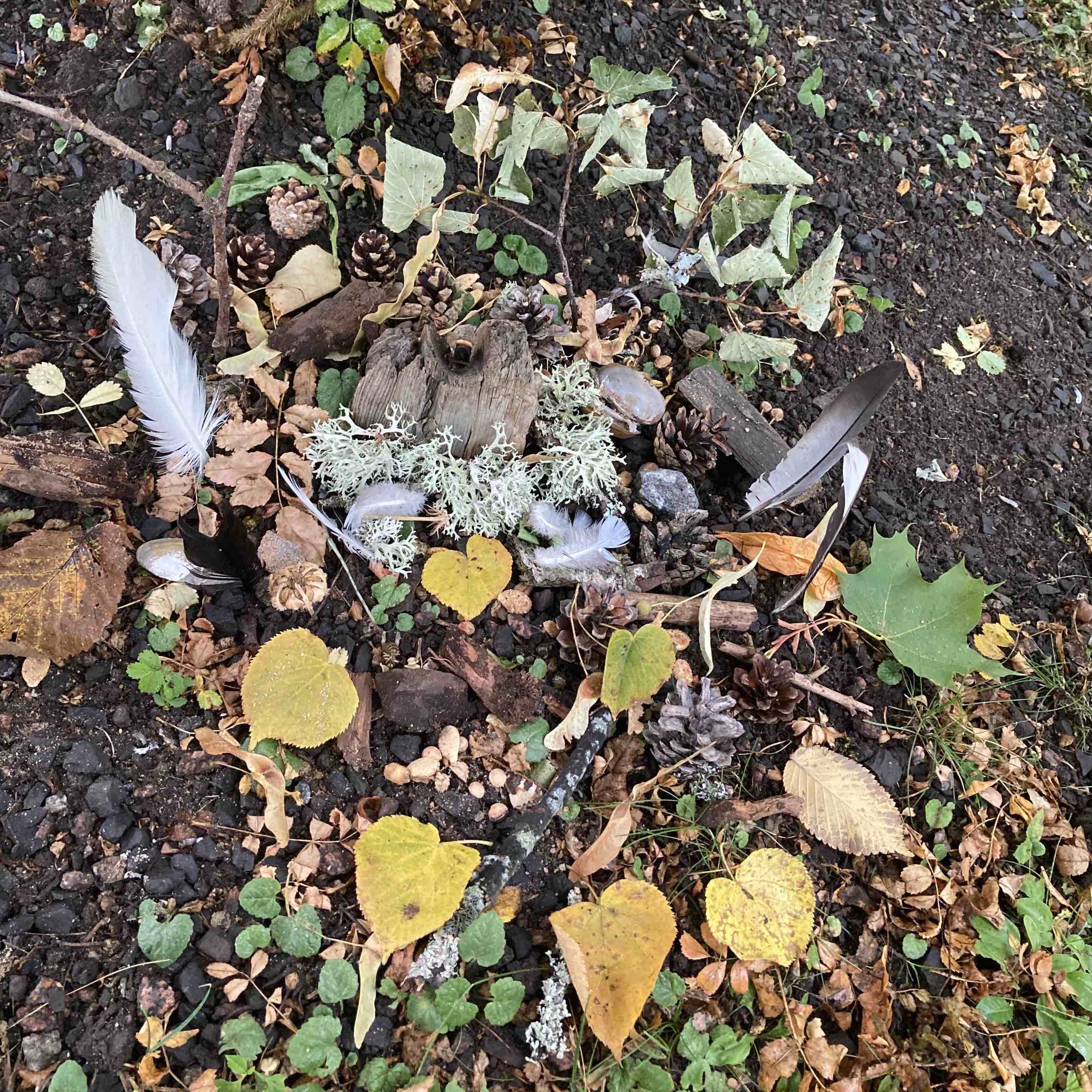
It turned out that there was no need for worries. The groups immediately began projecting their ideas: honouring the dead and caring for the living, constructing shelters and community facilities, preparing the soil for sowing… Plastic waste created problems in some places, while forests, domestic animals, music and insects were generally cherished. In one of the maps, plastic caps were opened up and distributed to represent receptivity, tolerance, and understanding; in another, a grey feather, planted upright, proudly signalled the rejection of black-and-white thinking.

Heart-shaped artwork by Jan Erik Andersson in Pehr Kalm’s garden outside the museum,
and mapped futures by workshop participants inside

One hour and a half passed quickly, but there was still time to share some concluding reflections while the wind slowly dropped and the sky grew clearer. Later in the afternoon, the crafted futures were collected and brought back to where they belonged: non-organic waste to the recycling systems, and the leaves, lichen, feathers, and butterfly wings to the rain wet ground under a rose bush.

I wish to thank all participants, who played along so wholeheartedly, and the staff members of AboAgora 2024 and the Sibelius museum, who welcomed and supported Mapping Futures; and thanks also to all who took part in Mapping on the Beach in 2023, and Alina Kalachova, with whom I developed the original concept.

Mapping Futures @ AboAgora I

art, recent work

Much of the contemporary artist’s work consists of writing applications to institutional funding partners. Not always do these efforts bear fruit…  but last February, I got an affirmative email from the curating committee of AboAgora, the annual event that invites people engaged in arts and sciences to meet in the city of Turku. The encouraging message was that they had accepted my proposal, and I was welcome to conduct a workshop at the upcoming symposium in August. My intention was then to remodel and develop last year’s Mapping on the Beach in Palanga – and my obvious challenge was how to bring a stretch of sandy beach into the Sibelius museum, venue of AboAgora?

After a lot of emailing back and forth with the organizers, I decided to craft ‘gameboards’ with wooden strips along the edges, so that they could hold at least a moderate amount of sand… Gluing all those strips took some sunny summer days, but in the end there were seven boards ready to roll, and we set off for Turku.

Crafting boards from surplus material and crossing the Baltic sea towards a rising sun

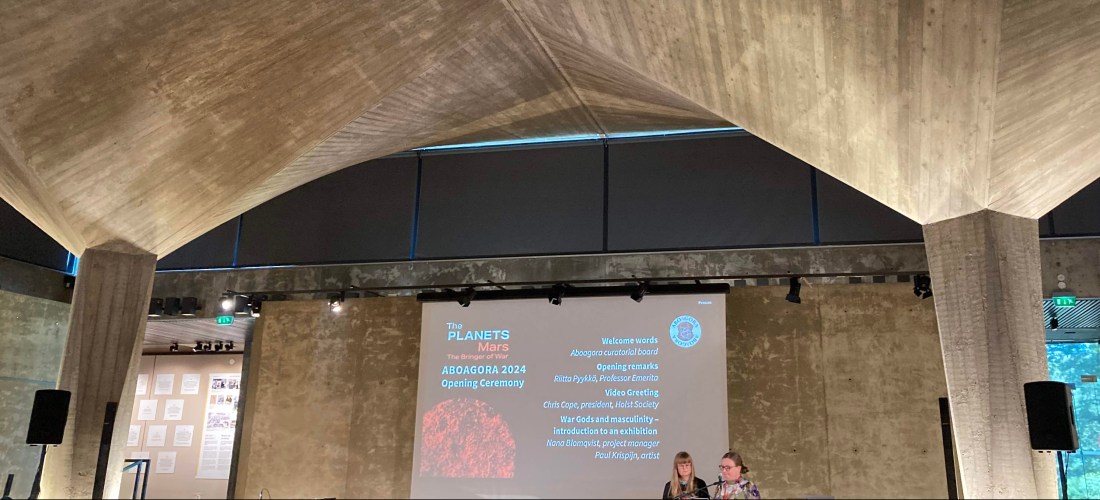
Arriving early in the morning of August 28th, I found my way to the Sibelius museum – a stunning piece of architecture designed by architect Woldemar Baeckman, inaugurated in 1968. The AboAgora, in its turn, is a resourceful collaboration between the University of Turku, Åbo Akademi University, the Arts Academy of Turku University of Applied Sciences, Åbo Akademi University Foundation and Turku University Foundation…

Concrete impressions from the Sibelius museum

In this distinguished context, I couldn’t help but feeling a bit odd, unpacking the curious bundle of wooden hexagons from its plastic wrappings and collecting the bags of sand that had kindly been acquired by the project staff; dear researcher/coordinator Petra Piiroinen, here’s a shout-out to you – you’re a true professional, and a very delightful person, too!

Unwrapping workshop material in the museum’s atrium

The AboAgora 2024 program marks the beginning of a new thematic cycle, The Planets (referring to the orchestral suite of the same name by composer Gustav Holst). Spanning over seven years in total, this first event was dedicated to Mars, the Bringer of War. A challenging subject, indeed – but I can’t think of a better way to approach the theme than the opening panel session, dealing with the environmental impacts of war and post-war recovery. The lectures and talk by panelists Timo Vuorisalo, Emma Hakala and Ruslan Gunko turned out to be a powerful call to well-informed action, referring to past wars in the Balkans as well as the ongoing Russian aggression in Ukraine.

This slideshow requires JavaScript.

PhD researcher Ruslan Gunko lecturing on environmental and human resilience in present-day Ukraine

Other highlights from the first days of AboAgora was the panel session on A De/Colonial Present, where researchers and PhD students – with roots in Finland, Palestine, Sàpmi, Botswana and Kanaky – reflected on the legacies of colonialism as a driving factor in today’s conflicts; their viewpoints carried further in a lecture and discussion with professor Koen De Feyter, a long-time champion of human rights in public international law. And, not to forget, the Extended Reality installation by Love Antell at the site of Ismo Kajander’s subtle monument, conceived in 1994 and commemorating local events during the Finnish Civil War in 1918; later that evening followed by a lecture on academic activism by physicist Syksy Räsänen.

above: XR work by Love Antell around Ismo Kajander’s memorial for victims of the Finnish Civil War;
all photos here by Pekko Vasantola

below: Syksy Räsänen on Truth, Love, Sense and Nonsense in science and activism

This slideshow requires JavaScript.

What about Mapping Futures, then? Well, it didn’t take place until the third and final day of Aboagora 2024…

Mapping Praxis VII: Maps and Legends

art, recent work

The Praxis study circle continues to inspire and inform my work with Mapping Praxis. By now, we’ve read a sequence of books from the 12th to the 16th centuries; texts that have mirrored and shaped the beginnings of modern-times’ colonialism. During the same period of time, a rapid development of mapping techniques took place, providing tools for the subjugation of non-European cultures and the following extraction of resources.

Guillaume le Testu’s 16th century map of Brazil (featured in the previous blogpost) pictures an archaic landscape where dragons dwell together with monkeys and other animals, and naked men are all at war with each other – sometimes molesting helpless victims, dismembering and burning them alive; a representation of indigenous peoples as blood-thirsty pre-humans in a paradise turned hell. There’s only one person sporting a dress (perhaps made from leaf foliage, following the example of Adam and Eve). She is the only woman depicted, and she also carries a crucifix as she strides confidently towards a naked, but seemingly grateful man… On the same map, the arrival of Europeans is marked by a ship with billowing sails at sea, and shining cities adorned with pennants along the coast. In reality, it was the Europeans wreaking havoc and committing genocide in the Americas as well as in Africa; le Testu’s visualization can be seen as pure and unashamed propaganda – a kind of pre-digital deepfake.

Today, the strive towards decolonialisation has sparked initiatives of counter-mapping / counter-cartography, in science and activism as well as in art.

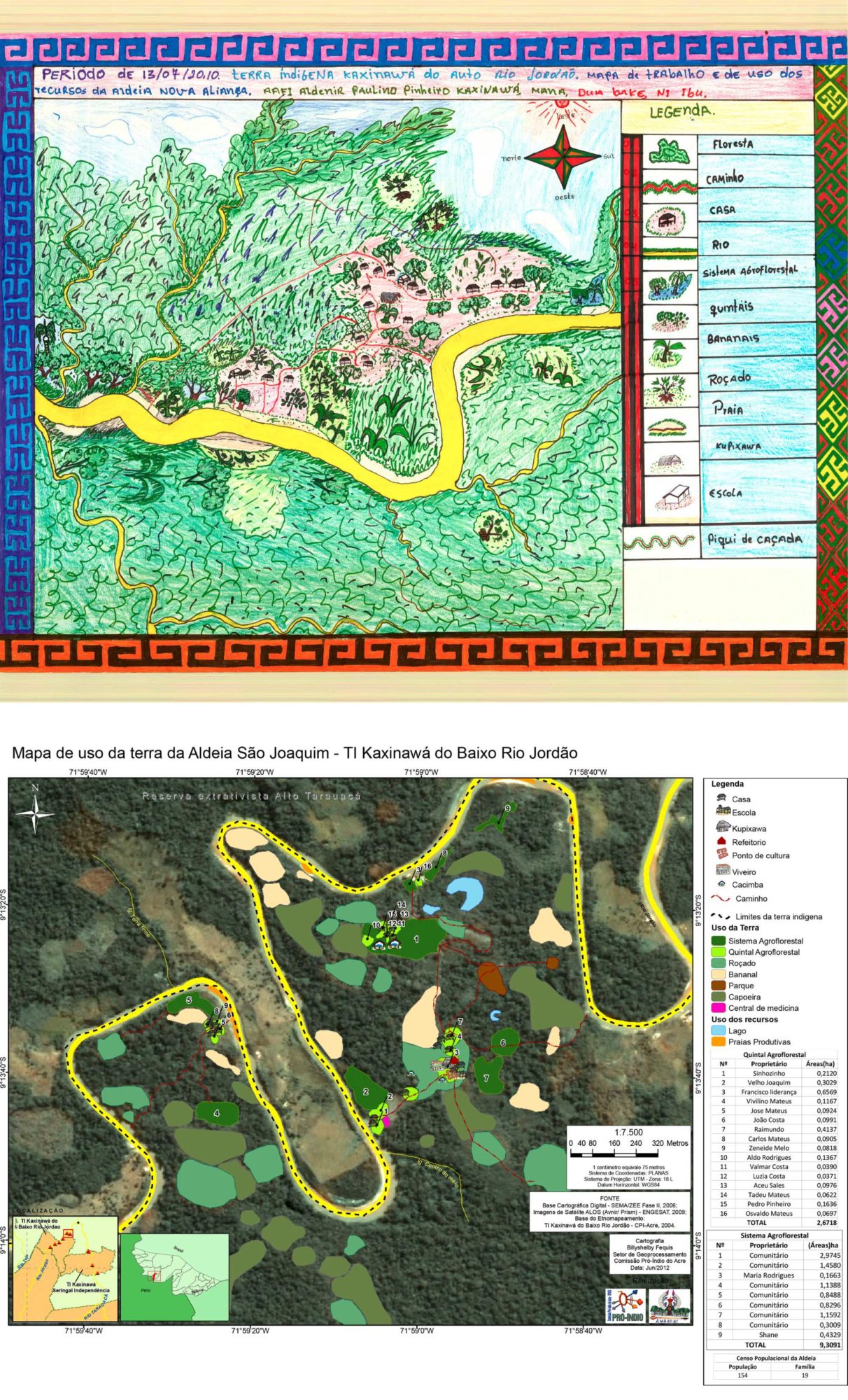
acre-original-1-1212x2000Two maps from ‘Indigenous Cartography in Acre​. Influencing Public Policy in Brazi​l’ (via This Is Not An Atlas)

These are two contemporary maps from Brazil – part of the outstanding collection of counter-mappings known as This Is Not An Atlas by German kollektiv Orangotango. They are illustrations from a project by the organization Comissão Pró-Índio do Acre (the Pro-Indian Commission of Acre), which has been working since 1979 to support indigenous communities in the state of Acre. In contrast to a colonizer’s map, these ‘ethnomaps’ are tools for de-colonializing the mind as well as the land.

The ethnomaps made by indigenous communities are important planning tools for the protection, conservation and
management of natural resources. They fill the void of information found on official maps. They also expose
opinions, ideas and aesthetic preferences. Furthermore, they are a powerful tool that can be used for various
political purposes. The maps are also powerful tools to fight for certain claims. The production of ethnomaps
creates the possibility for indigenous peoples to build their knowledge and values on the Indian’s relationship with
‘the other’, thus contributing to the formulation of a future strategy by enabling non-indigenous people to
understand the processes of occupation of geographical space. It also sheds light on social interdependencies
within the economic, political and ecological contemporary world. In this case, the cartographic knowledge of and
for indigenous peoples can be an important advocacy tool within the territory and the cultural and intellectual
heritage it depicts.

Renato Gavazzi, Indigenous Cartography in Acre​. Influencing Public Policy in Brazil​

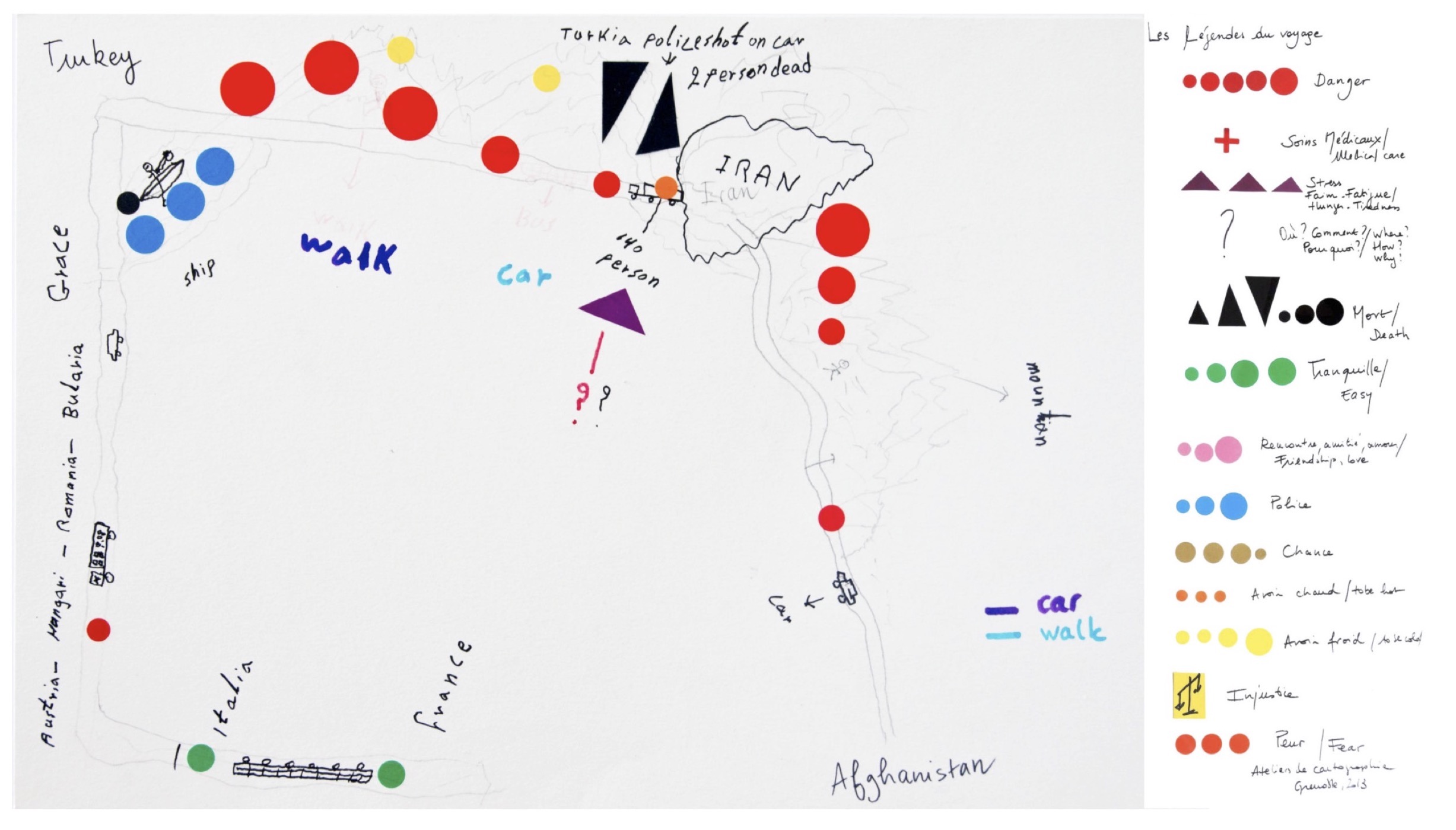
There’s a lot more to gather from the website of This Is Not An Atlas; especially, I’ve looked into The Counter Cartographies of Exile, a community project which took place in Grenoble (France) in 2013. It brought together thirteen asylum seekers, two geographers and three artists, using multi-disciplinary methodologies to bridge the divide between immediate experience and communicative skills. Starting out from the intention to open a creative space of hospitality, and to breach some cartographic norms of migratory representation, the project evolved over time. In the end, the maps came across as ‘trajectories of memory’ – neither true, nor false.

Counter-Cartographies of Exile

‘From Afghanistan to France; The Counter Cartographies of Exile’ (via This Is Not An Atlas)

From Afghanistan to France
The map presented here […] sketches a trail of exile from Afghanistan to France. It was created
by H.S*, who was seeking asylum in France when we met.
[…]
The map’s zenithal view makes it possible to understand the places and the distances involved at a glance, but it is
not the only perspective that is presented. The map is also drawn from ground level, using the path pursued, and
from inside the trailer behind a truck. In the frontal view, the mountains around Afghanistan and Iran break with
the zenithal perspective, and so do cars, trucks, boats and an individual on the road. Returning to ground level, one
perceives the space as a landscape of displacement for H.S., who represents himself in his work. This map blurs the
dichotomy between the map as a grid and as a route.
[…]
This map of exile is not the creation of a totalizing eye; it is also seen from below, from the walking point of view
and the multiple practices and tactics used to cross geopolitical borders. In this sense, From Afghanistan to France subverts the conventional and normative maps of migrations and nation states.
[…]
In addition, From Afghanistan to France is not only a cognitive or mental mapping. In order to read the map, it is
necessary to read the map legend (see map at the end of the article). Here the different symbols do not represent
rivers or settlements; instead, they symbolise the fear, danger, police, injustice, friendship, love… encountered en
route.​

*The use of the initials has been decided by the person itself.

Counter Cartographies of Exile

The last section of this quote highlights the use of map legends (keys) as a visual meta-level; a means to clarify the context, the values and priorities of the mapper. This is something that I bring into the Mapping Praxis project – which also, by the way, is a process evolving through continued dialogue, deepening over time.

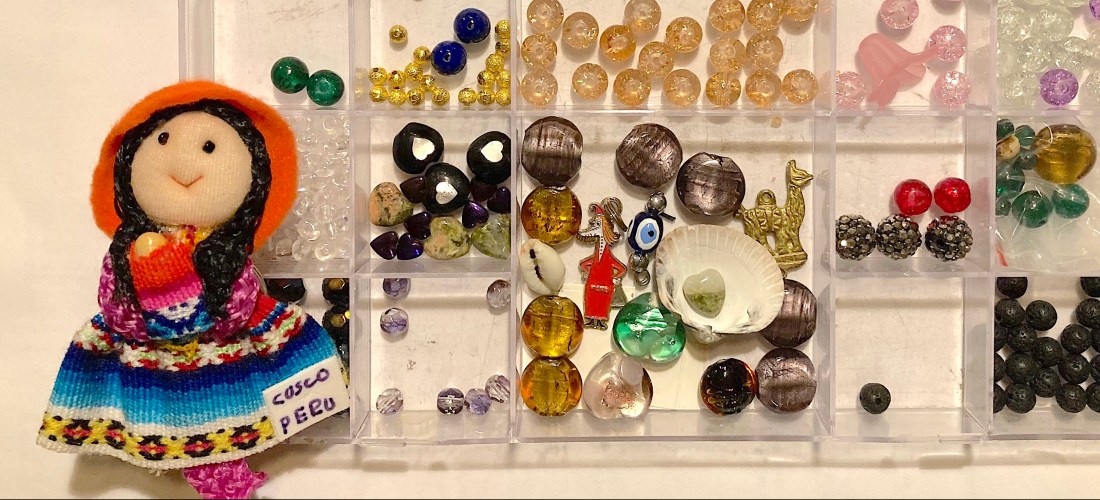
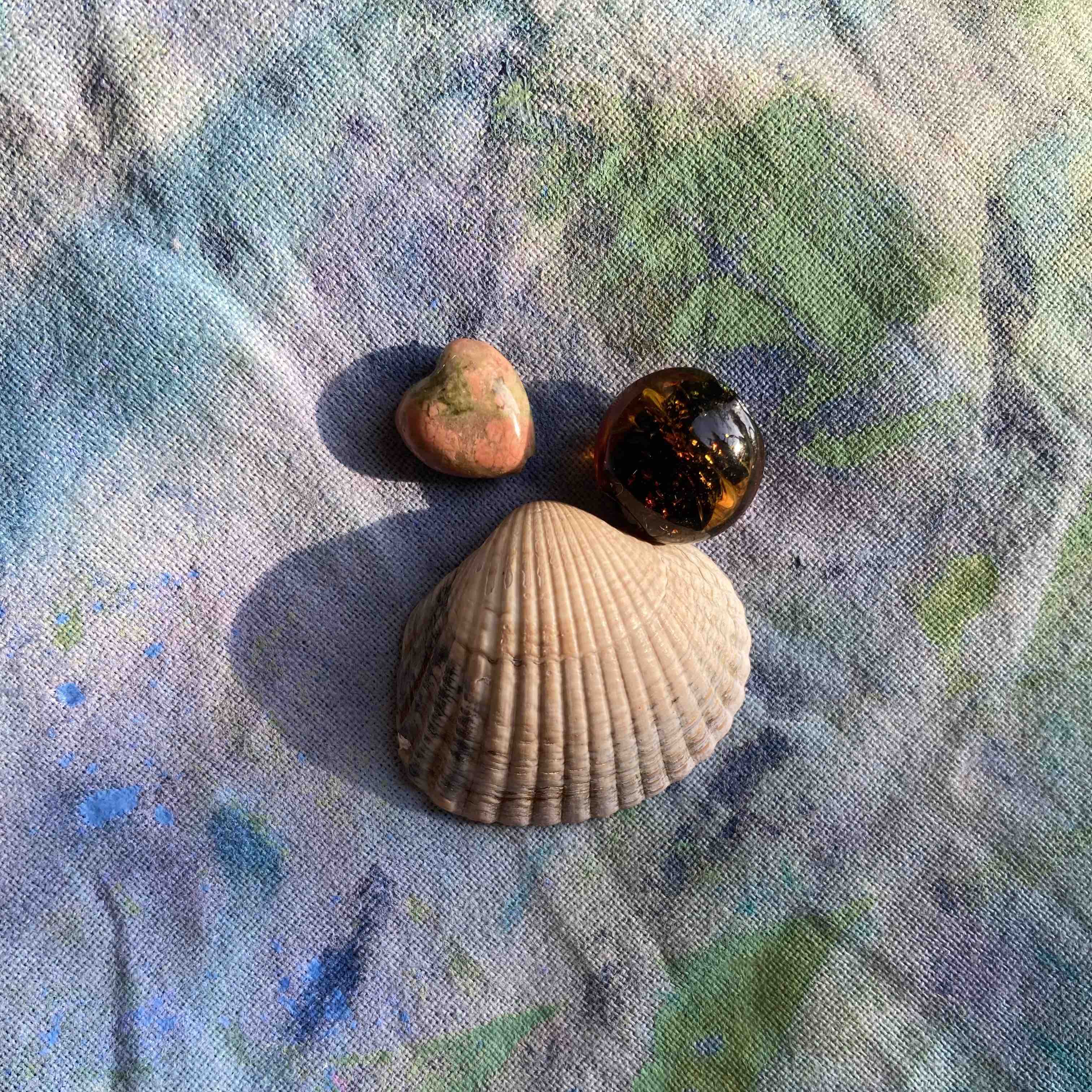
Assorted small objects; Mapping Praxis resources, work in progress


Praxis of Social Imaginaries, Summer Session 2024 @Løgumkloster II

art, recent work

What stays with me now, from the work of this summer session?

I remember the many scenes of unbearable cruelty, committed by the Spanish conquistadores and described in the book of friar Bartolomé de las Casas; and also the absence, throughout his text, of genuine encounters between the author and men and women of the indigenous. Nevertheless, he advocates their right to human dignity and eternal life through Christ. Maybe las Casas – acting in the name of God – kept his eyes so firmly set on the realms of afterlife that he didn’t really perceive the persons in front of him.

I remember the exercise we carried out in pairs, silently observing each other while recalling our first encounter; the recognition and tenderness of the moment. And then, the following actualization of another first encounter: a recorded reading of a document conceived in 1513, by which the conquistadores proclaimed the authority of the Spanish king over the land they were about to conquer. The very act of reading this Requerimento aloud – in Spanish – on any shore where they set foot was taken as a justification to kill, loot and ravage without restraint.

Excerpt from Guillaume le Testu’s Cosmographie Universelle selon les Navigateurs, tant anciens que modernes
(1555/56); illustrated map of Brazil (left); detail (right)*

I remember the words of my fellow participant from South Africa: colonialism is still here.

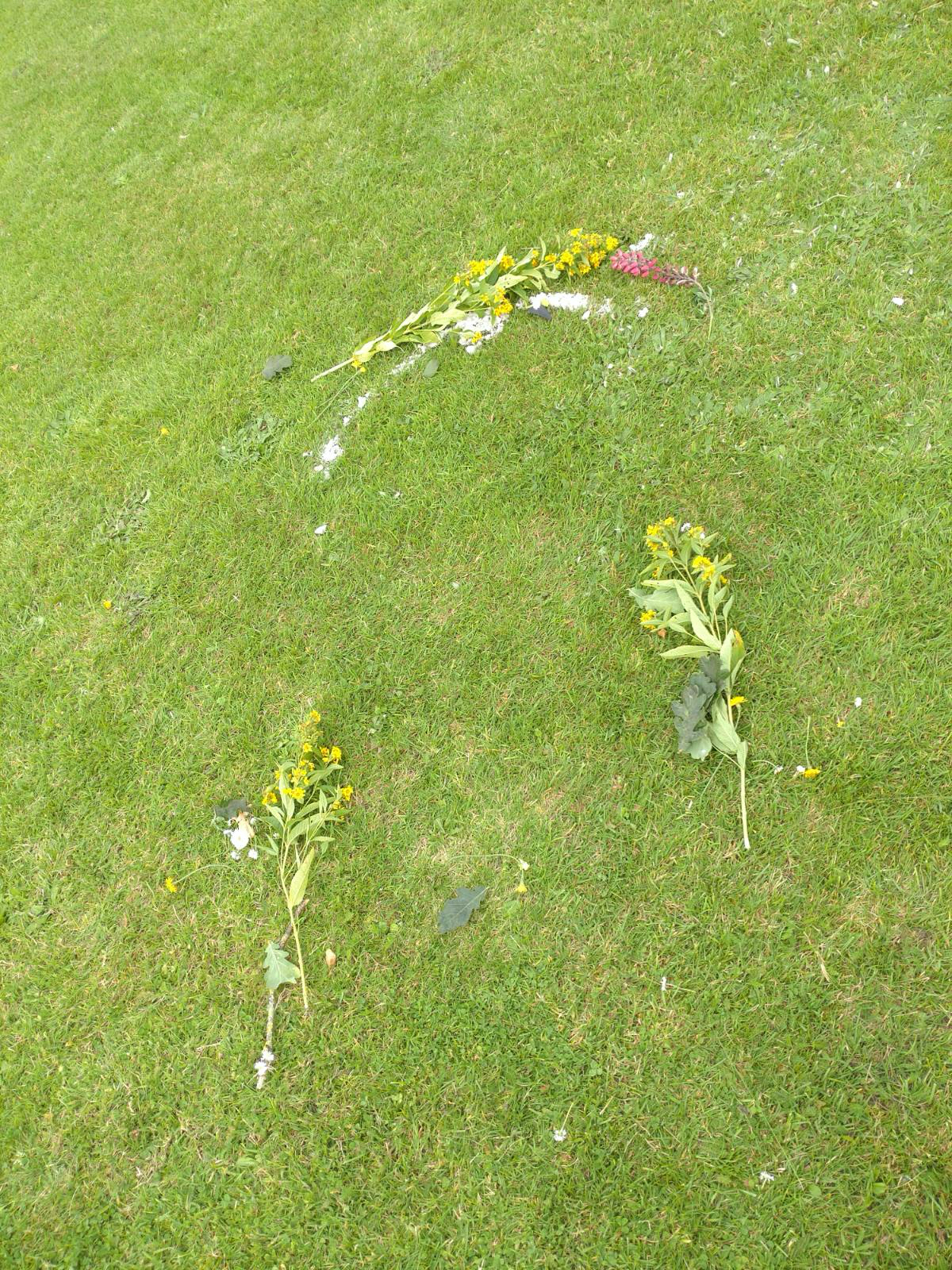
I also remember images from contemporary dance performances in Mexico; the mixture and fusing of traditions, spun around mythical events and historical figures from both sides of the Atlantic – an in-between space of creativity, pride, grief and resistance. And I remember the group’s (re)enactment of a Mexican mourning ritual: one of us acting the deceased, resting on the ground; the others bringing flowers, colourful pieces of fabric, and whatever we could think of to symbolize respect and appreciation; laying the objects down to adorn him, and thereafter weaving him an invisible canopy of words of affection.

2024 07 ES 03
…and now, he’s gone; photo credit Essi Nuutinen


* to see more of Guillaume le Testu’s work, go to: Cosmographie Universelle selon les Navigateurs, tant anciens que modernes

Mapping Praxis VI: Rob’s Itinerary

art, recent work

Robertho Paredes is an award winning photographer born in Puerto Maldonado, Peru. His itinerary sets out from the Western fringe of the great Amazon rainforest. Trying to track his many travels over the world actually creates a pattern not unlike his own name signature!

Setting out from the Amazon – Madrid to Milano – Lima to Puerto Maldonado – a home under the clear sky of Tartu

Having cruised the seas, studied and worked his way around three continents – making many friends meanwhile – Robertho eventually turned his gaze back towards the Amazon. Trained in art, photography and ethnography, he returned to his birthplace to document the forest and those whose lives depend on it; the indigenous Amazonian peoples, including his own family members. The records of accumulated experience, shared by his relatives, reflect a culture of intimate awareness and care; substantial knowledge, invaluable to counter the threats of reckless exploitation.

To me, Rob’s itinerary is in so many aspects connected with water: with the grand rivers and oceans, with the icy, snow-covered seashore where we met in March, and the warm rain in the jungle. It makes me think of the inner ocean of our mother’s wombs, where we swim before being born to the world outside; of our body liquids connecting us with the ancient sea and with life itself…

I’d like to close with a quote from Robertho’s website – the words of indigenous artist Yesica Patiachi, speaking of the Amazon river:

“El río es parte del bosque, es ese río, el líquido que vemos. Parte del río está en los árboles. Hay que pensar que está también en sus venas, este líquido, que es el agua. La Amazonía es el espacio donde se genera este río volador.”

“The river is part of the forest, it is that river, the liquid that we see. Part of the river is in the trees. We must think that it is also in their veins, this liquid, which is water. The Amazon is the space where generates this flying river.”

After completing his Master’s degree in Folkloristics and Applied Heritage Studies at the University of Tartu in June 2024, Robertho is currently seeking ways contextualize his future research. His work can be followed at Monte Alto by Robertho Paredes.

Mapping Praxis V: Lindsey’s Itinerary

art, recent work

Lindsey Drury – dancer, writer, historian, researcher, and co-facilitator of the Praxis of Social Imaginaries study circle – became my second interviewee in Mapping Praxis. Born in Seattle (USA), her itinerary encompasses places in America, Asia, and Europe; the City and the Sea as well as the Desert.

Lindsey’s Itinerary

Lindsey’s travel pattern differs from Frank’s, yet there are similarities… The interviews I’ve carried out so far in Mapping Praxis hint at some common features; tentatively, I attribute particular colours and materials to shared experiences – such as danger, falsehood, connectedness, legacy, friendship, love, death, spiritual/intellectual development, clarity…

In addition, I try to find – or craft – visualizations of the uniqueness of certain places.

This slideshow requires JavaScript.

As for Mapping Praxis as a whole, I wish to place this work in the tradition of critical mapping and counter-cartographies; I’ve been inspired by, among others, the German kollektiv orangotango and their project This Is Not An Atlas – which explicitly aims to “support /…/ actors who instigate social change by prefiguring social alternatives” and to “learn /…/ how to initiate emancipatory processes from below”. This resonates deeply with me. I also feel encouraged, and learn, from the results of many workshops presented on the Not An Atlas‘ website – especially the mappings titled Counter Cartographies of Exile, and Materiality Language of Cartography.
My next interlocutor will be Robertho Paredes – photographer and filmmaker from Puerto Maldonado (Peru), and fellow participant in Praxis of Social Imaginaries study circle. To be continued…

Mapping Praxis IV: Frank’s Itinerary

art, recent work

This ongoing Mapping Praxis project springs from my long-time interest in how nomadism, travels and migration shape our lives and thinking; an urge to visualize dimensions – both spatial and non-spatial – of leaving, arriving, (re)settling, and (sometimes) returning. Following the Praxis of Social Imaginaries working sessions, I’ve had the benefit to reflect (on) emerging topics, as well as conducting workshops together with participants from oh! so many places and walks of life. During the latest gathering of the Praxis network in Oulu, I could also carry out three interviews for Mapping Praxis.

Here’s a rendering of the first interview: Frank’s Itinerary.

This slideshow requires JavaScript.

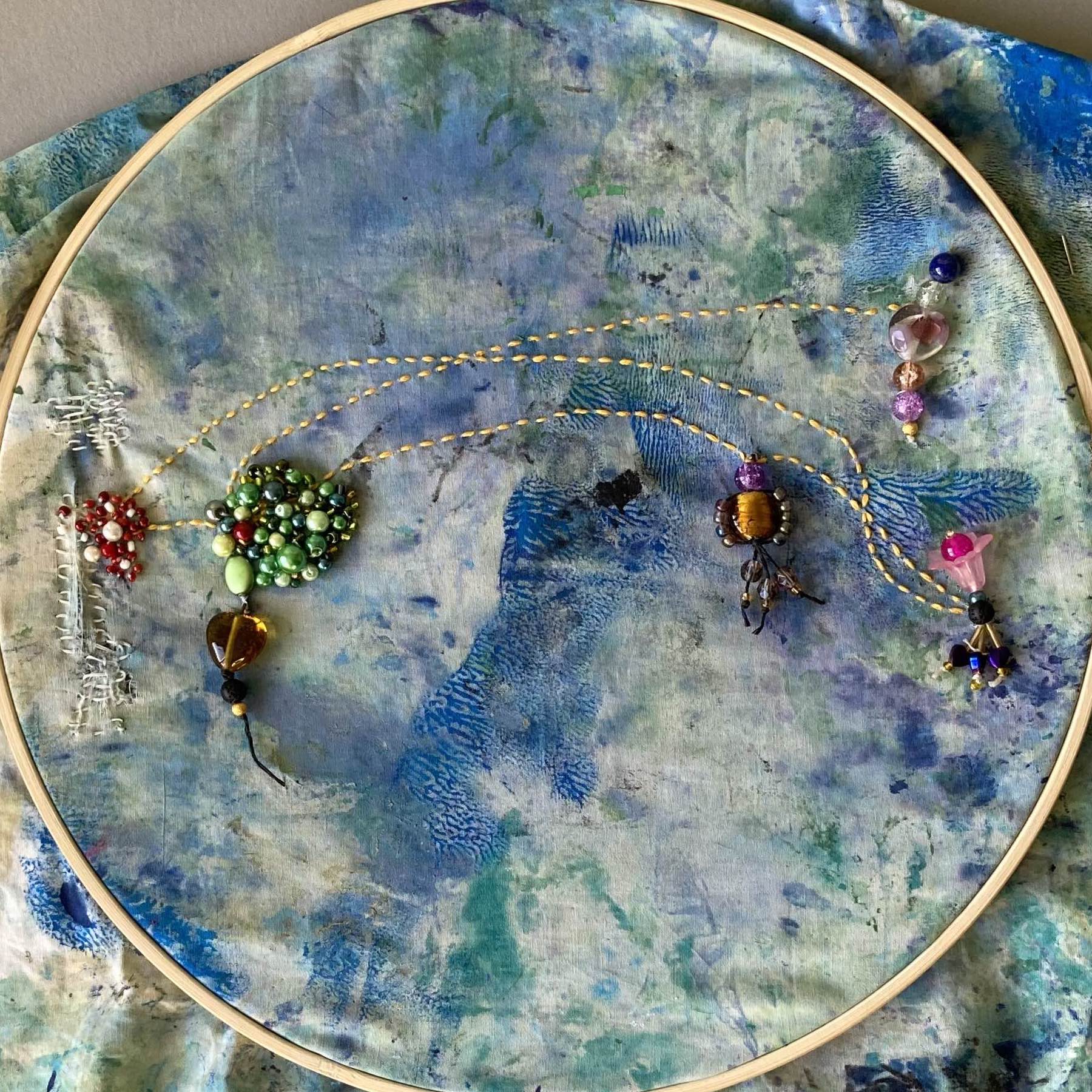
Frank’s Itinerary

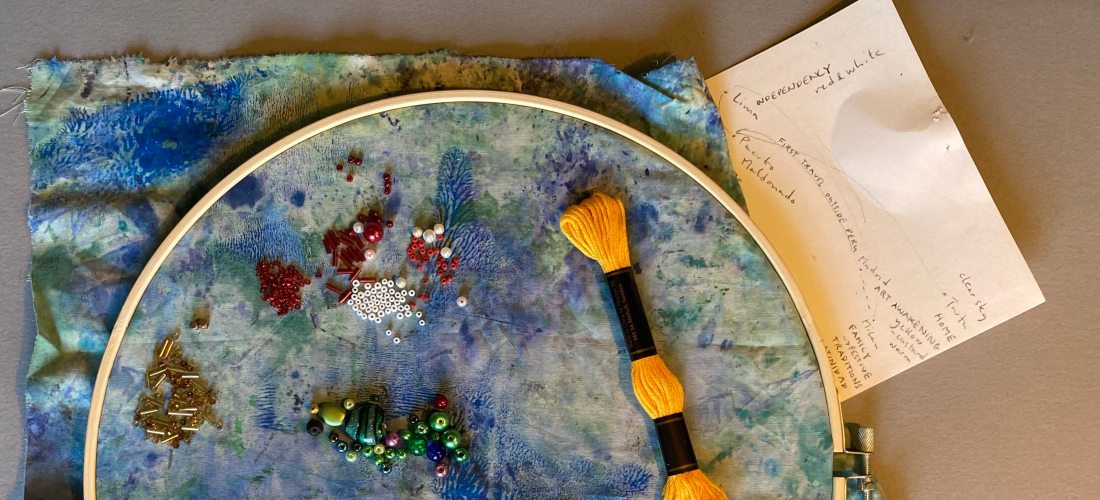
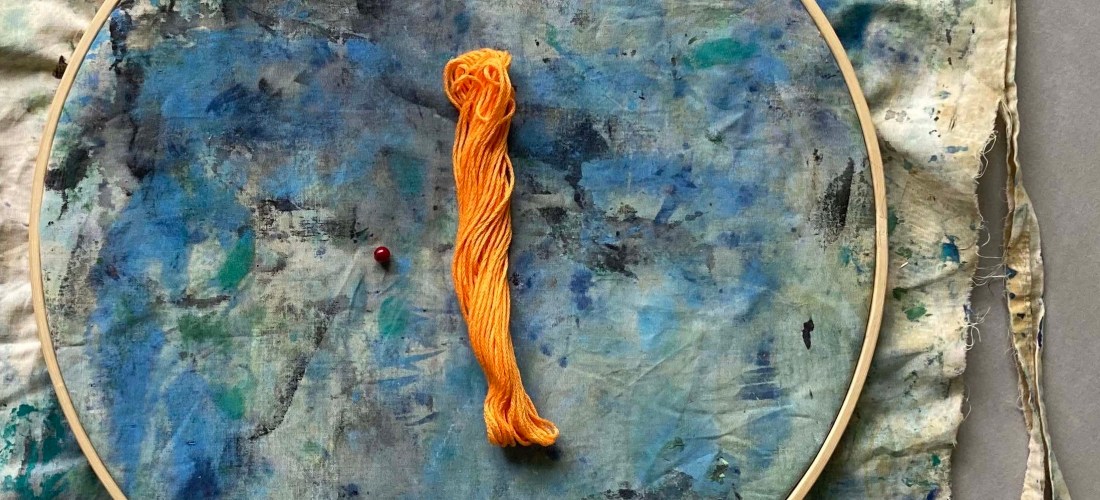
Frank’s Itinerary is made from various materials: paint-stained cloth framed in an embroidery hoop; mercerised cotton threads; acrylic, glass, umakite, rhinestone and lava pearls; whole nutmeg, fishbone fragment.

Frank Berger himself is a multi-gifted composer, singer and musician. His closest collaboration within the Praxis network is with Sámi/Swedish artist Emma Göransson; their mutual interest in ‘animated landscapes’ being transformed into music and textiles in their project Spirit Land/Vuoiŋŋalaš Eanadat.

Bonus: here’s Frank playing a traditional wedding march from Esse (Finland) on his hurdy-gurdy: