Mapping Praxis V: Lindsey’s Itinerary

art, recent work

Lindsey Drury – dancer, writer, historian, researcher, and co-facilitator of the Praxis of Social Imaginaries study circle – became my second interviewee in Mapping Praxis. Born in Seattle (USA), her itinerary encompasses places in America, Asia, and Europe; the City and the Sea as well as the Desert.

Lindsey’s Itinerary

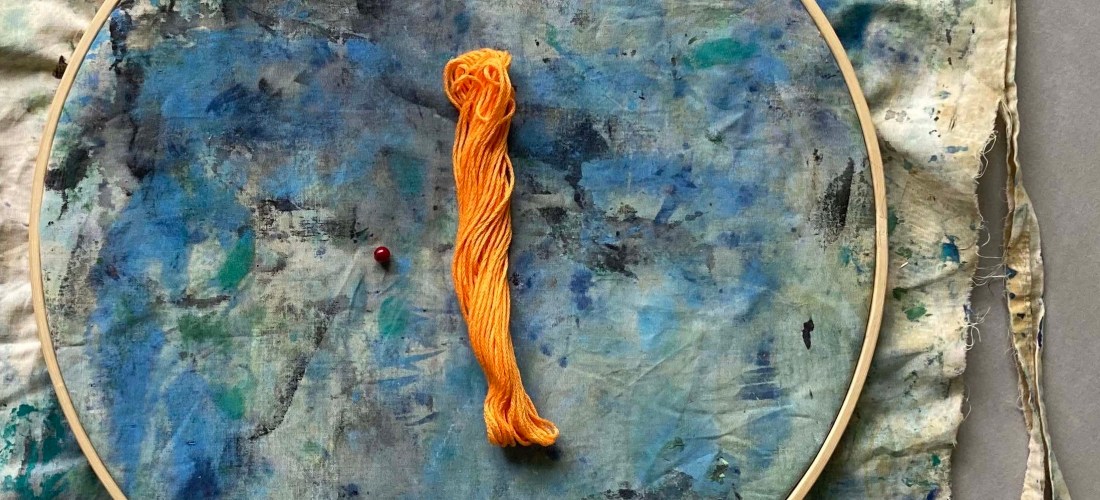
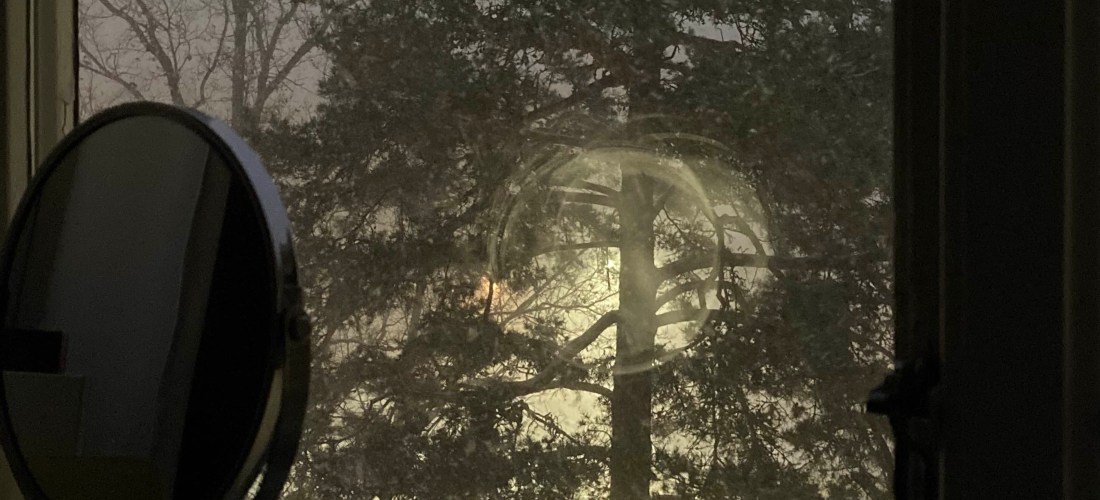
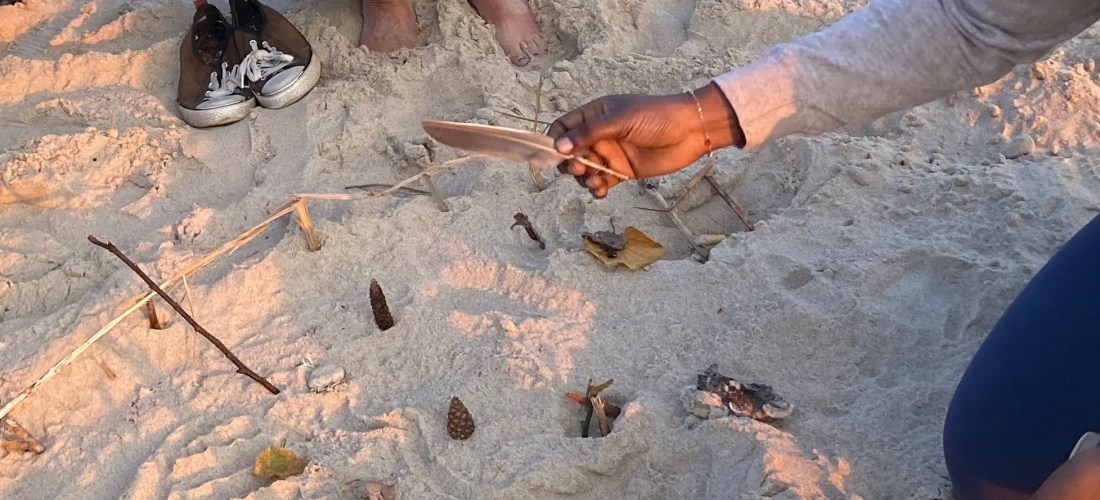
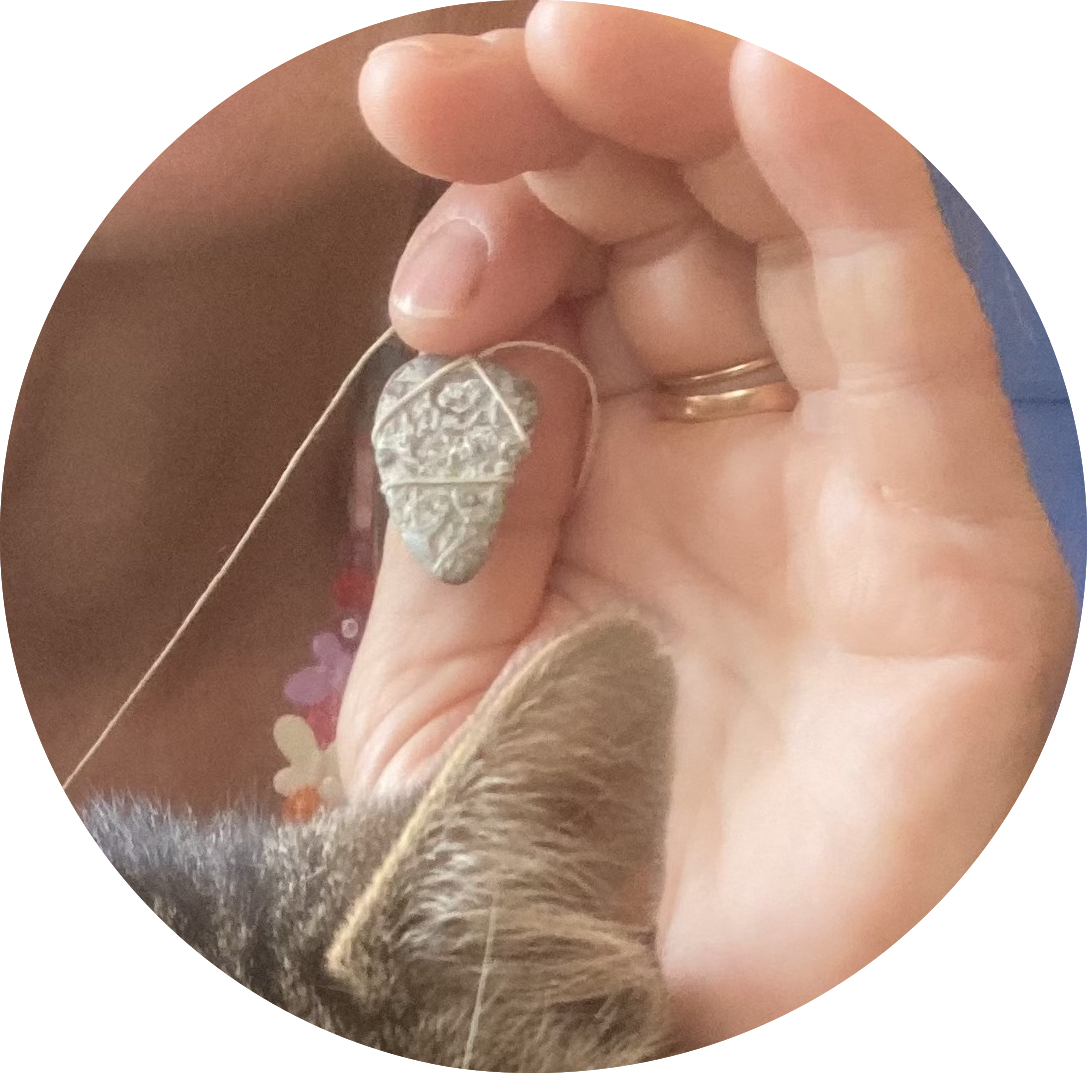
Lindsey’s travel pattern differs from Frank’s, yet there are similarities… The interviews I’ve carried out so far in Mapping Praxis hint at some common features; tentatively, I attribute particular colours and materials to shared experiences – such as danger, falsehood, connectedness, legacy, friendship, love, death, spiritual/intellectual development, clarity…

In addition, I try to find – or craft – visualizations of the uniqueness of certain places.

This slideshow requires JavaScript.

As for Mapping Praxis as a whole, I wish to place this work in the tradition of critical mapping and counter-cartographies; I’ve been inspired by, among others, the German kollektiv orangotango and their project This Is Not An Atlas – which explicitly aims to “support /…/ actors who instigate social change by prefiguring social alternatives” and to “learn /…/ how to initiate emancipatory processes from below”. This resonates deeply with me. I also feel encouraged, and learn, from the results of many workshops presented on the Not An Atlas‘ website – especially the mappings titled Counter Cartographies of Exile, and Materiality Language of Cartography.

My next interlocutor will be Robertho Paredes – photographer and filmmaker from Puerto Maldonado (Peru), and fellow participant in Praxis of Social Imaginaries study circle. To be continued…

Praxis of Social Imaginaries, Working Retreat @ Sigtuna II

art, recent work, time-out

The Praxis of Social Imaginaries – an intriguing title* and an inspiring project, launched by Dr. Lindsey Drury and Dr. Laura Hellsten in 2022; still in its first year out of three, the initiative has managed to attract researchers, scholars and artists from six (!) continents, to gather around readings of mediaeval travellers’ tales. Like distant mirrors,** the written accounts of monks and merchants reflect shifting interests, gradually forming a worldview that impacts our lives deeply even today… And we ourselves, as a working group, are a diverse set of mirrors, framed in so many cultural contexts; from the Amazon forest to Berlin and New York City; from Kampala, Singapore and Adelaide to Sápmi… hopefully opening up for developing new modes of understanding; for social imaginaries more appropriate to our own world.

Views from Sigtunastiftelsen: dining room, garden and library

Our contributions to the Praxis project are partly realized within our respective professional settings – but, since the aim is to nurture genuinely transdisciplinary collaborations, ad hoc gatherings will be held over time as sub-projects emerge. So here we are, in the small mediaeval city of Sigtuna some 45 kms from Stockholm, to spend a weekend together in late November… The venue itself provides unique values; we’re hosted by the Sigtuna Foundation – a meeting ground dedicated to dialogue and openness ever since 1917. Nobel Peace Prize laureate Nathan Söderblom, UN general secretary Dag Hammarskjöld and poet Gunnar Ekelöf are some of the notable Swedes historically connected to this place, which still offers a lively spot for cultural, scientific and interreligious exchange. Anders the librarian gives us a guided tour in his sanctuary of books; some of the items are of venerable age, others come fresh off the presses to spark debate or enhance knowledge in current topics. (Due to GDPR issues, you will neither see Anders in action, nor the amazement in our faces here.) Later, we also got the opportunity to attend an opening at artist-run space Slipvillan, where our fellow project contributor Emma Göransson was part of a group show.

Walking and talking in Sigtuna; Sigtuna Foundation and the ruin of S:t Per’s church

Was there any time for actual work during this working session, then? I think it’s fair to say that shared time, shared experiences and shared meals are meaningful elements in work processes like this one. Equally important, of course, are the moments of structured reflection – both individual and common… and yes, there was time for that, too. Even sleep may bring unforeseen revelations…

…to be continued…

This slideshow requires JavaScript.

* “The imaginary (or social imaginary) is the set of values, institutions, laws, and symbols through which people imagine their social whole.” – Wikipedia: Imaginary (sociology)
**A distant mirror is the title of a renowned book by historian Barbara Tuchman. That specific work isn’t part of the Praxis project reading list; however, the title is too good not to be re-used – with due credit!

Praxis of Social Imaginaries, Summer session 2023 (Palanga)

art, recent work, time-out, upcoming

End of July, and a group of scholars and artists meet up to continue the journey that begun in March: studying the Praxis of Social Imaginaries. Observing our own times through the lens of mediaeval travel accounts, this transdisciplinary research project is now turning to William of Rubruck and Marco Polo – both speaking to us from the 13th century.

Summer session readings: the travels of friar William of Rubruck (photo credit Laura Hellsten) and Marco Polo’s Book of the Marvels of the World

A diverse bunch of people we are, actually representing all continents except Oceania; diverse also in age and cultural background, not to mention other kinds of situatedness… Reading under the pine trees in Palanga Botanical Garden brings out knowledge and memories from Sápmi and the Amazonas. Listening to voices from the 13th century brings out concern for the silence(d) in history. The ‘brave space’ of genuine dialogue brings out deep emotions of grief, joy and care… as well as the interchange of intellectual perspectives.

The Praxis project will continue for another two years – partly within the alternating Winter and Summer sessions of the Nordic Summer University, and partly in parallel side projects; next gathering planned in November, at Sigtunastiftelsen north of Stockholm. I’ll  have some mapping work to do before that… For now, I wish to cherish the creative flow that emerged from sitting beside Ilona Blumgrund, and our thinking together swiftly and wordlessly.

With great gratitude to Ilona, Adriana, Jackie, Louie, Emilia, Roberto, Tinka, Eduardo, Dorcus – and, of course, co-facilitators Lindsey Drury and Laura Hellsten – à la prochaine!

Mapping on the beach; how to realize common values in colonizing the future

About the Nordic Summer University
This particular study circle is but one out of a dozen, which together constitute the Nordic Summer University. From July 27th to August 3rd, the NSU Summer session 2023 was held in Palanga, Lithuania. Keynote speakers Ekaterina Kouznetsova, Amanda Valentin and Epp Annus all focused on different aspects of democracy in our time; academic freedom in an authoritarian society, election monitoring, and Russia’s colonial engagements and imaginaries of supremacy. In daytime, study circles worked independently (and sometimes joined). In the evenings, cultural programs were offered – such as music, workshops and multilingual readings (a practice introduced by Lara Hoffman last summer)… Together with Alina Kalachova, I conducted a mapping event which made us think, as well as cry and smile. A valuable experience.

Keynote speaker Epp Annus presenting a poem by late writer Victoria Amelina (killed in Russian strike on Kramatorsk, July 1st); and a joint reading of short stories on the beach

About Palanga and Hotel Vysuris
The venue and the city itself deserve some attention, too. Hotel Vysuris, built under the Soviet regime, stays almost unaltered since the 1970’s; history alive in many aspects, also in the struggle of the kitchen staff to navigate between different instances of need and want. The long applause they got at the final gala dinner was well earned.

(above) Vysuris restaurant and the last evening’s gala dinner
(below) Some features of the labyrinthic, circular building

And finally, some touristic views from walking in  Palanga – and a treasured gift (thank you so much, Dorcus!):

stenen från Dorcus (kopia)

Praxis of Social Imaginaries, Winter session 2023 (Oslo)

art, recent work, time-out, upcoming

Last month’s notes from the conference in Åbo/Turku briefly mentioned a new research project launched by Laura Hellsten. Here’s a little more on that…

Laura’s scientific approach is shaped by her dual competence as a dancer and a Doctor in Systematic Theology. While she holds a position at Åbo Akademi University, part of her current research will be conducted within the framework of the Nordic Summer University (aka the NSU). Actually, this project has already begun; in early March 2023, the first gathering of NSU Circle 3 Praxis of Social Imaginaries; Cosmologies, Othering and Liminality took place in Oslo. Lindsey Drury – post-doc and co-facilitator of this study circle – is an early modernist historian, and an educated dancer as well. Their common work evolves around mediaeval accounts from travels into ‘unknown lands’; aiming at transdisciplinarity, the methodology incorporates reading aloud, various modalities of movement, academic lectures and discussions, and…
1024px-Hereford_Mappa_Mundi
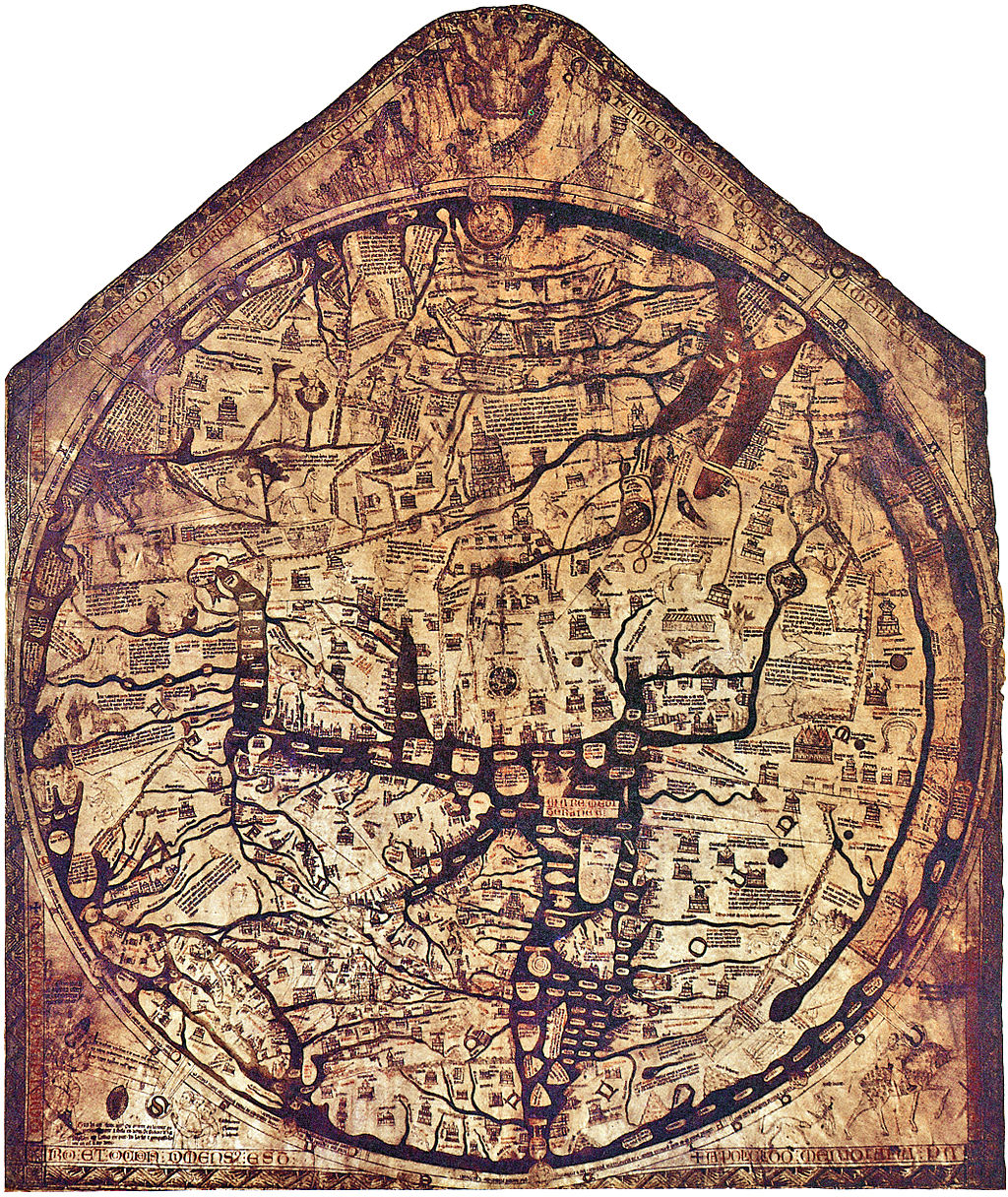
The Hereford Mappa Mundi – a mediaeval world map,
conceived in the very place where Gerald of Wales spent the last part of his life (although nearly a century later) –
presented in a keynote lecture by historian Line Cecilie Engh; picture made available by Wikimedia Commons

…and more? Future will tell.

In this first Praxis session, a number of scholars and artists from different fields and places processed the tales of Gerald of Wales: a monk travelling uncivilized Ireland by the end of the 12th century – reporting back to his learned colleagues and to the English king; picturing Éire and the Irish through a lens of curiosity, religious zeal and practical political thinking.

Here’s my own recap from our five of days walking, talking, listening, disputing and dancing in wintery Oslo:

230304 01b

Domus Theologica (University of Oslo) hosted the event

Streets of Oslo – a signpost pointing the way to a bomb shelter;
Saint Olav guarding sewages and waters underground; icy footway; a cool cat by night

Saint Olaf, king of Norway, accompanies us, as we walk the streets – occasionally trodding along his old pilgrimage path, leading all the way from here to Olaf’s grave in Nidaros (Trondhjem). In his youth, Olaf sailed the Baltic and the North Sea as a fierce warrior, before being baptized and returning to Norway as a Christian king. His image, cast in iron, can be seen on every lid covering the descents to the city’s system of underground sewage pipes. The waters that have cleaned our bodies – or passed through them – is kept from sight and smell in those sewers. Meanwhile, Aker river running through the city, once heavily polluted, is now restored to be the ‘green lung’ of the urban area…

How can one atone for the wrongdoings of history? As we walk and talk, I think this may be the beginning of a pilgrimage.
230305 05b
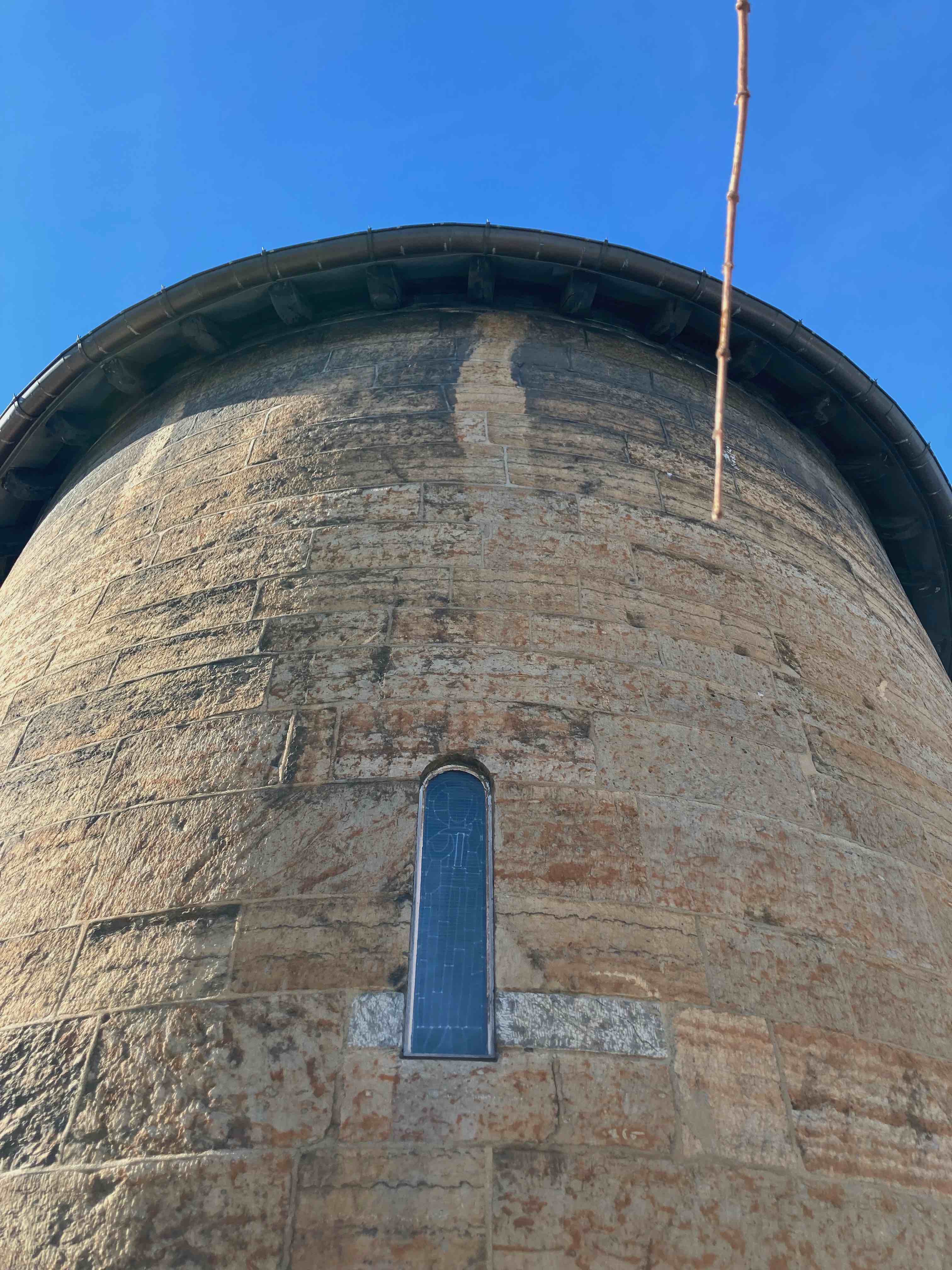
Limestone wall of Old Aker Church – the oldest existing building in Oslo,
erected by the mediaeval pilgrim route

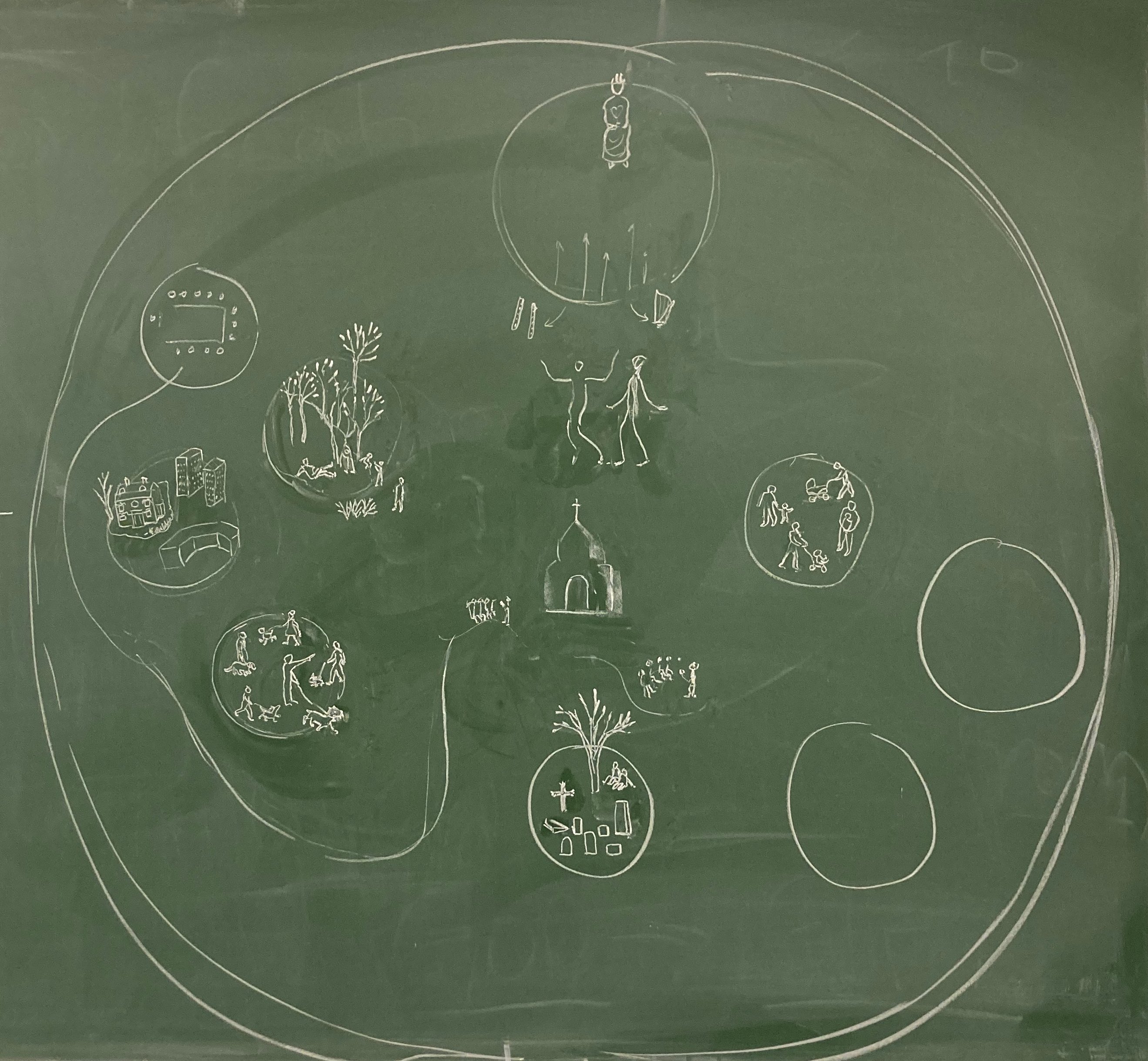
For the closing summary, I did an ad hoc mapping on a classroom blackboard – picturing our experiences as a group: reading Gerald’s tales, listening to Viveca Servatius’ lecture on Hildegard of Bingen, seeing lovers in a churchyard, meeting dogs friendly and angry, slipping and sliding in a park, dancing between graves… Other participants helped me fill in the empty spots.
230305 06b

Next gathering will take place in Palanga, Lithuania, when July turns August. See you there!

230306 14 (kopia)