Constantia Diary: Stornoway

time-out

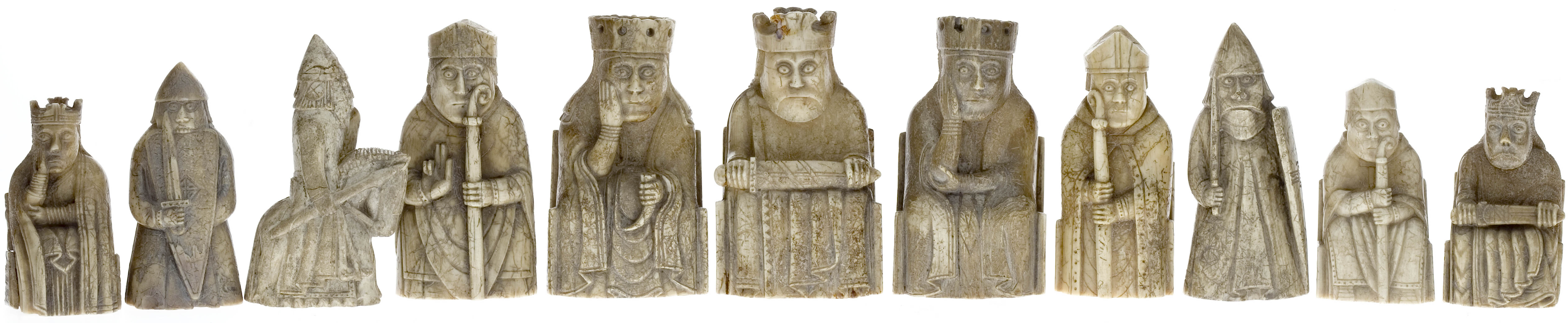
A few of the Lewis Chessmen (93 in all); picture credit National Museum of Scotland.

We’re staying a couple of days in Stornoway, and getting acquainted with the place. Learning to operate the washing-machines at the Crew Centre, visiting the shops where Harris tweed and kilt outfits are abundant. A little town like this one is habitually centered around its church… here the stranger easily gets confused when spotting another Church or Free Church of Scotland with almost every turn around the corner. Having passed four or five of them, I end up at the Nicholson Institute, where – marvelously! – just now, the whole hoard of 12th century Lewis Chessmen are on display. Made in Norway, they traveled to the Isle of Lewis where they were hid, and lost, to reappear some six or seven hundred years later.  Stornoway is almost their hometown, not far from the site where they were found. Or not… the stories differ, and guesses are many.
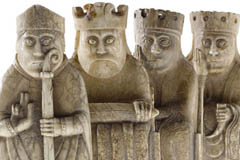
Each piece is skillfully and caringly formed into a distinct individual; expressions vary from pensive to gloomy, to angry (just look at the berserk warders biting their shields!) or benevolent…
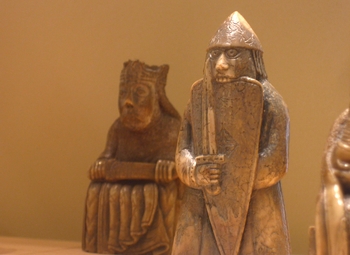
I spend some time with them before our leaving, but certainly not enough. I’m lucky, though; on our scheduled depart, strong winds causes a major outburst of seasickness among the trainees on board. Captain Sören and his mates kindly decide to return and await a calmer sea before leaving for Orkney and Shetland. I’m doubly grateful.
Having paid another visit to the Nicholson Institute, I continue to the Council Chamber of the Western Isles, where Doctors Jonathan Benjamin and Andy Bicket from Wessex Archaeology (Coastal and Marine Department) give a presentation. Their theme is “marine archaeology in submerged coastal areas” – which turns out to be fascinating. A scientific map of this area some 10 000 years ago shows the Hebrides, Orkney and Shetland to be a landmass more or less connected. Those “submerged coastal areas” are nothing less than the lost landscapes of European pre-history; the forests and fields of mesolithic people in Northern Europe, now buried underwater. This was long before the Lewis chessmen – they are but one link in a much longer chain. The public is listening closely, and when the lecture is finished by a call for local knowledge on sites and traditions, there is ample response.
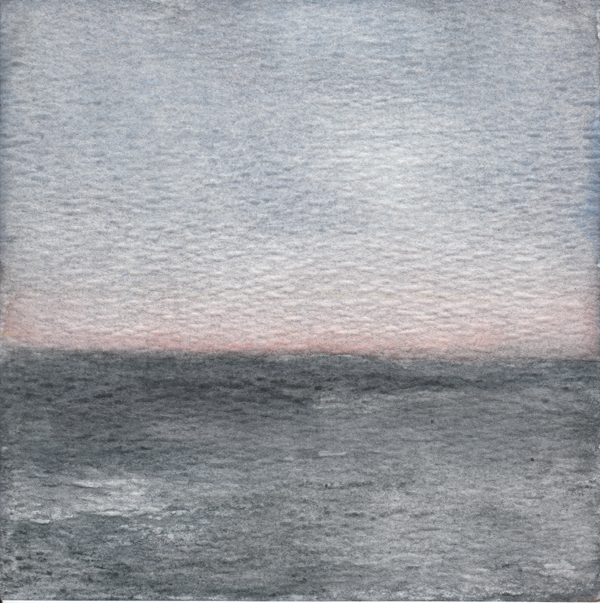
Walking back to the harbour, I see the waters disappearing into darkness. I belong to an ancient family. This is our home.
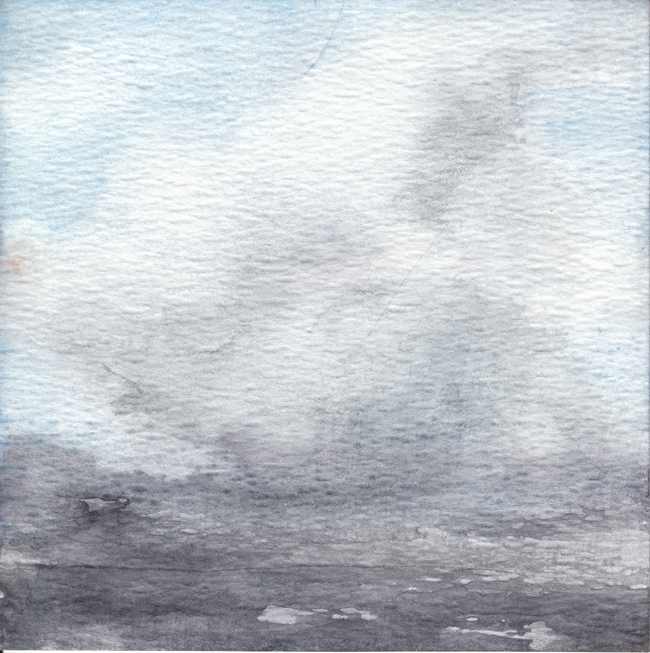

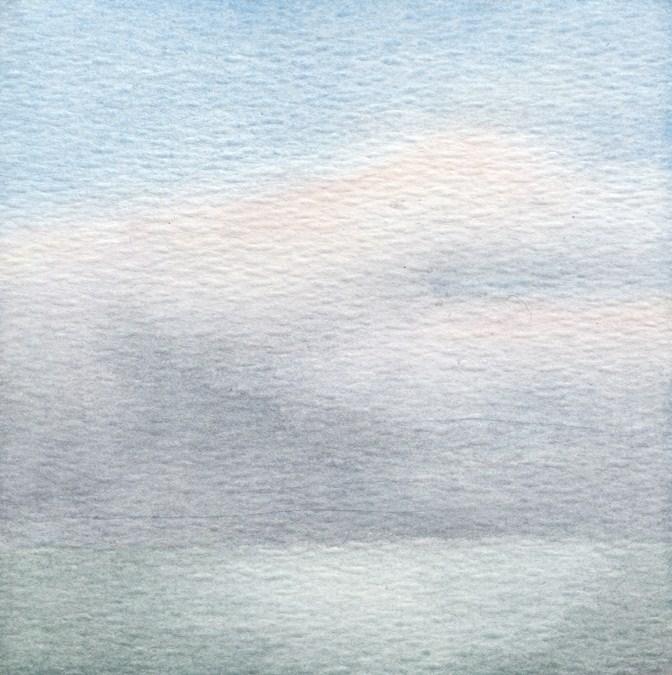
110716 from Stornoway; watercolour on paper, 15 x 15 cms
Constantia diary: Tobermory to Oban

time-out

110714 Tobermory;
110715 Tobermory to Oban;
watercolour on paper, 15 x 15 cms
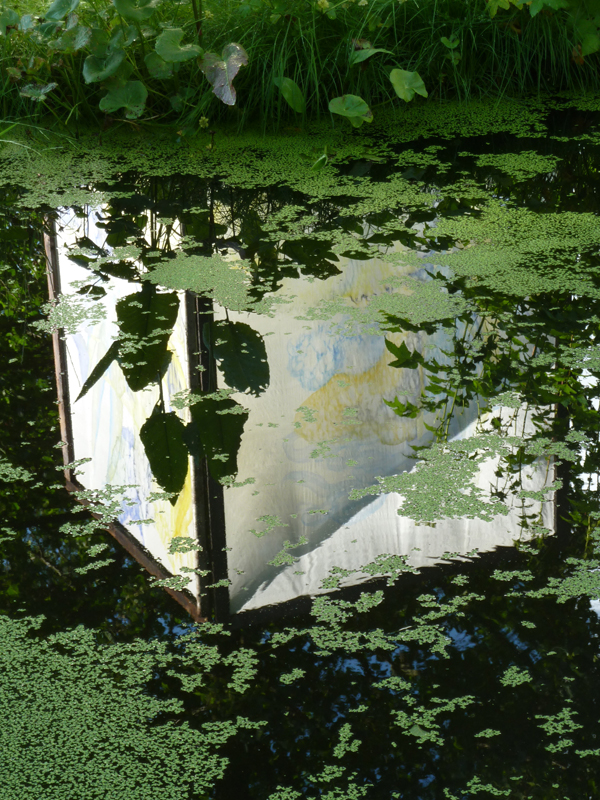
From Greenock a night’s sail to Port Ellen on Islay, anchorwatch during the dark hours and leaving again in the dull light of morning. Then twenty hours of more or less rainy weather to Tobermory, Isle of Mull. Once more anchoring and leaving with daylight, now for Oban on the mainland.
Luckily, the atmosphere in Constantia’s cabin is warmer and more friendly than the surrounding skies.

Voice of Colour – Colours of the Voice III

art, recent work


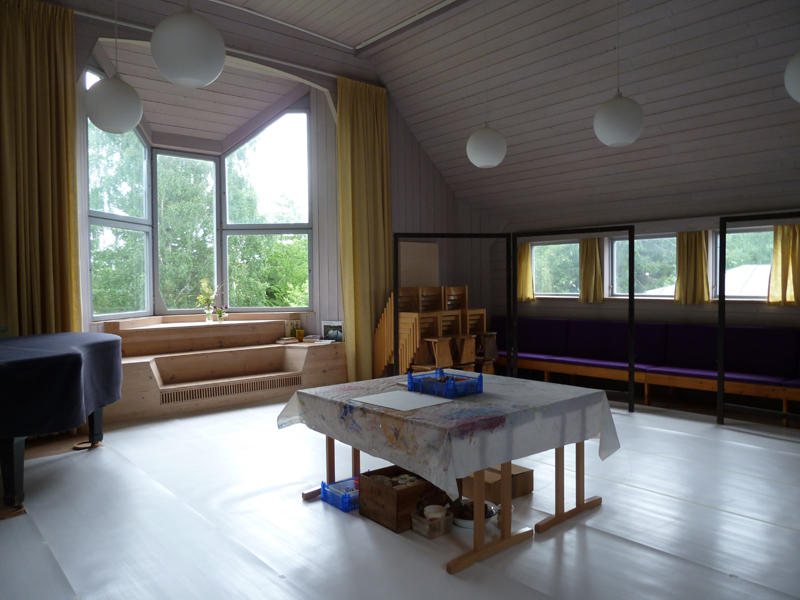
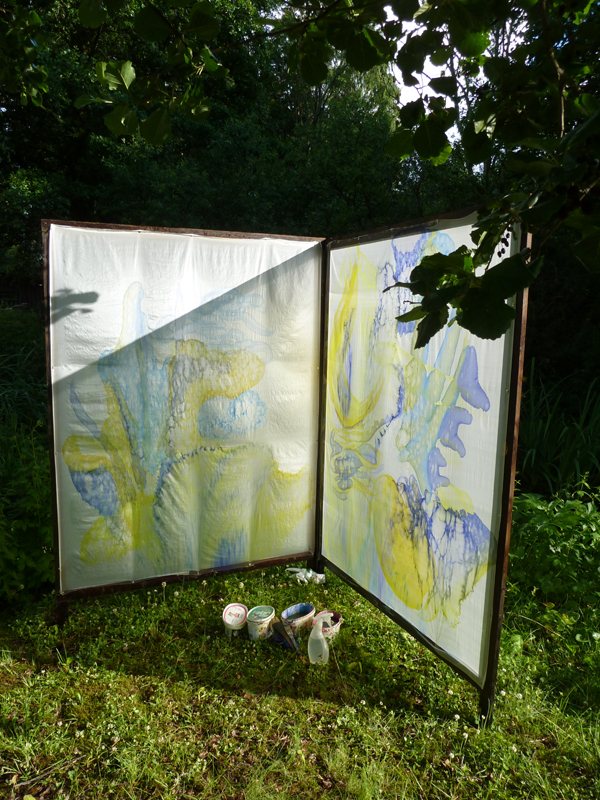
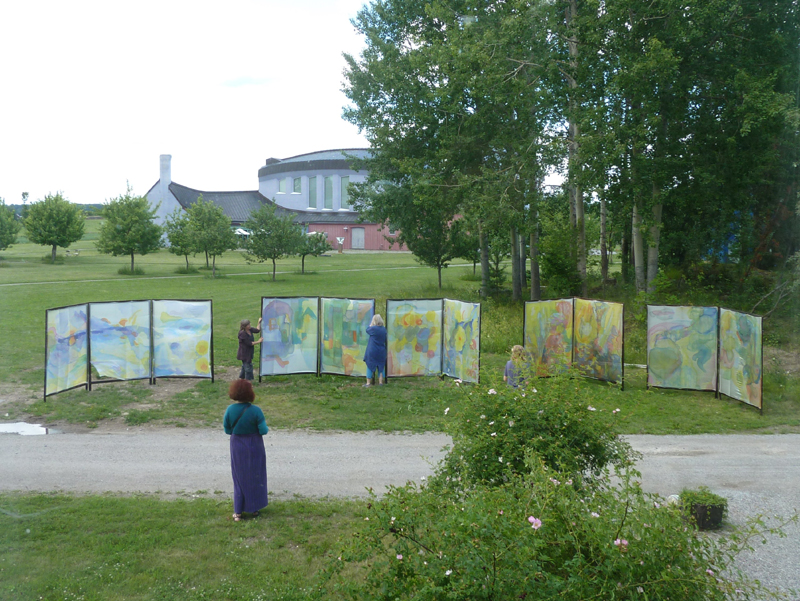
Another three days passed. Each morning, the workshop started out by a quiet walk through the garden, followed by individual work on some chosen spots. Small sketches on paper transform into large collective paintings on silk screens, some placed outdoors and some in the music room.
The see!colour! exhibitions provides us with an excellent pedagogical instrument; within a few steps’ reach, we could meet the distinctive approaches of Hilma af Klint’s esoteric painting as well as the blackboard drawings of Rudolf Steiner.
On midsummer night’s eve, we spent a full two hours sitting or lying down in James Turrell’s Skyspace; experiencing a kind of illusionistic light-space where an opening above us turned into a floating coloured body, and the blue of the sky changed in turns into yellow, green or grey.
Thanks to Eva-Karin Planman, we could also bathe ourselves – morning and afternoon – in the living light of two stained glass windows at the nearby Vidar clinic; one green from iron, the other rose-purple from pure gold.


all photos by HHW.

Voice of Colour – Colours of the Voice II

art, recent work

Here we go – despite Sinikka’s falling ill, the workshop takes place more or less as planned.

We started out by a walk in the garden park in Ytterjärna, stopping by the different characteristic spaces – or ‘rooms’, even; the hilltop, the little islets in the system of ponds, the seashore and the rosegarden… finally ending up in Almandinen music room for tea and talk.
And then some basic colour exercises: collective painting with crayons on paper, where the materials and creative process itself  play the leading part – and our different  temperaments disclose themselves.
To finish, one participant suggested that we improvise singing in a similar way. And so we did.

I really look forward to see where the group will take this workshop…

Voice of Colour – Colours of the Voice

art, beauty, recent work

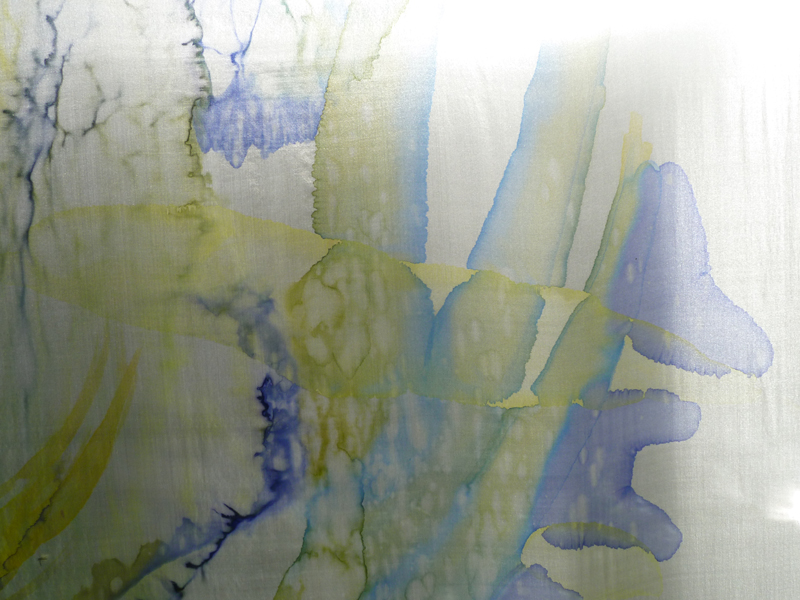
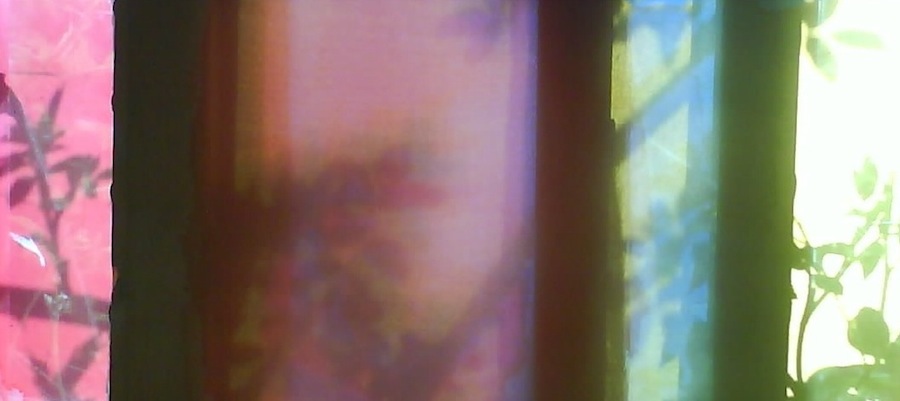
light falling through painted silk screens; photo by HHW.

And today is the grand opening day for see!colour! – a multiple exhibition in Järna with works by James Turrell, Hilma af Klint and Rudolf Steiner, along with colour experiments in the spirit of Goethe – all surrounded by Ytterjärna garden park by the Baltic Sea.

The four parallell exhibitions and the living light and spaces of the garden offer a range of experiences. I am very happy to be a part of this event; together with singer Sinikka Mikkola, I will stage two workshops where listening is the artistic core – Voice of Colour /Colours of the Voice; one at Midsummer, June 23 – 26, and one by the end of September.

Sinikka is a long-time experienced Werbeck singer and pedagogue. As for myself, I have carried out artistic works in different social settings since the mid ’90s – since 2007 documented on this website. Both of us aim to practise a listening mode in our professional fields, something we wish to develop further by this joint workshop.
In the mornings, we will practise to uncover the fullness of voice, individually and as a group. In the afternoons, we will explore the life of colours perceived through the personal temperaments, painting outdoors on large silk screens in the garden. For the evenings, there will be time for reflections and the deepening of artistic themes as well as for improvisational vocal music.

Interested to join?
Leave a comment below, and we’ll contact you for further information. Welcome!


calling Apollo; installation in Ytterjärna garden park 2008; HHW.

LICHTWECHSEL XV

art, beauty, recent work


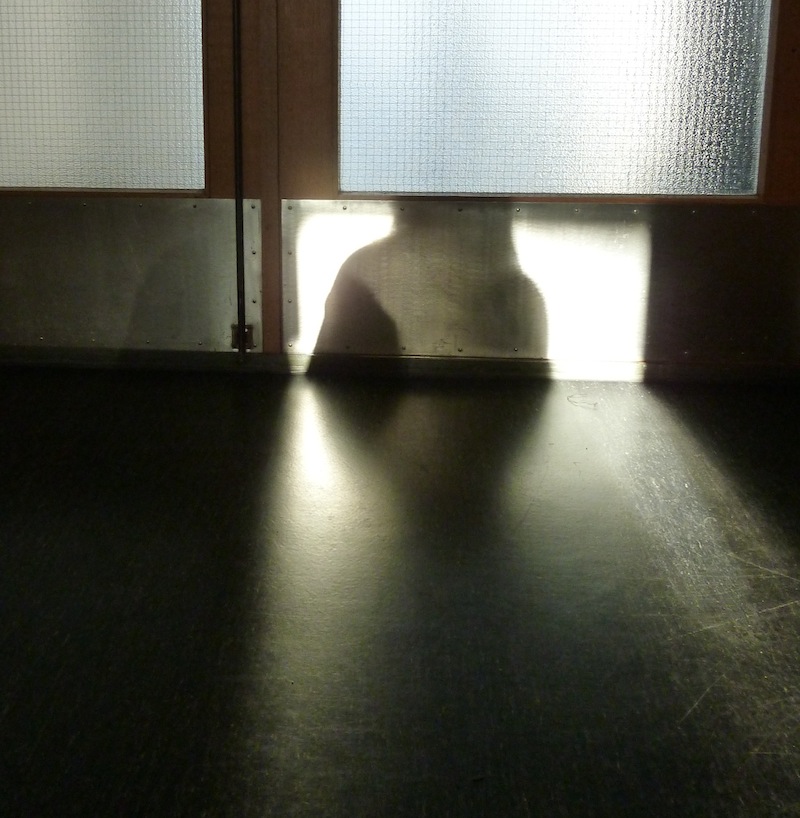
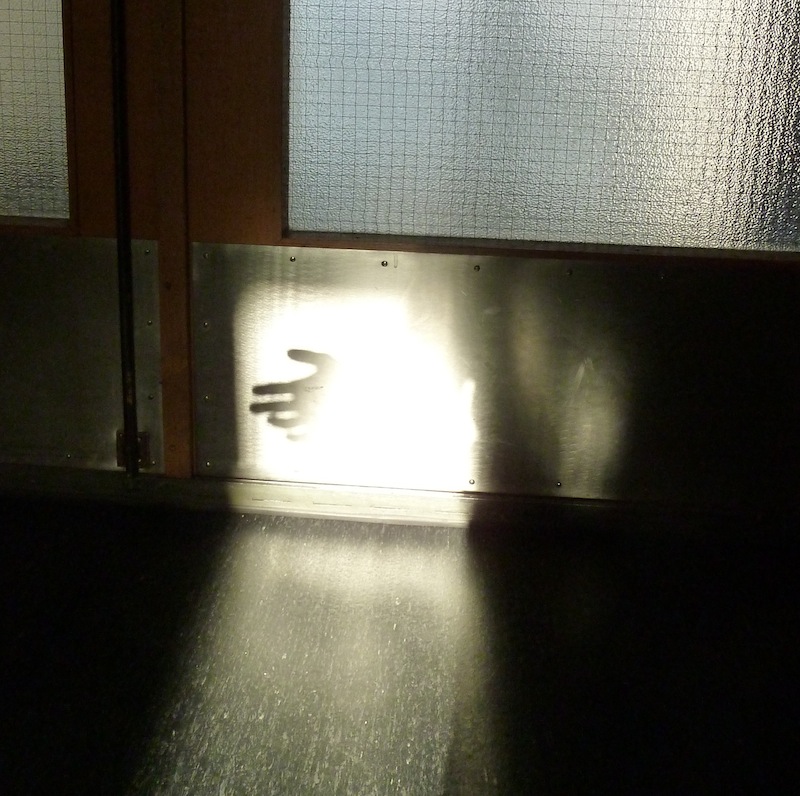
light and shadows in the corridor; photos by HHW.

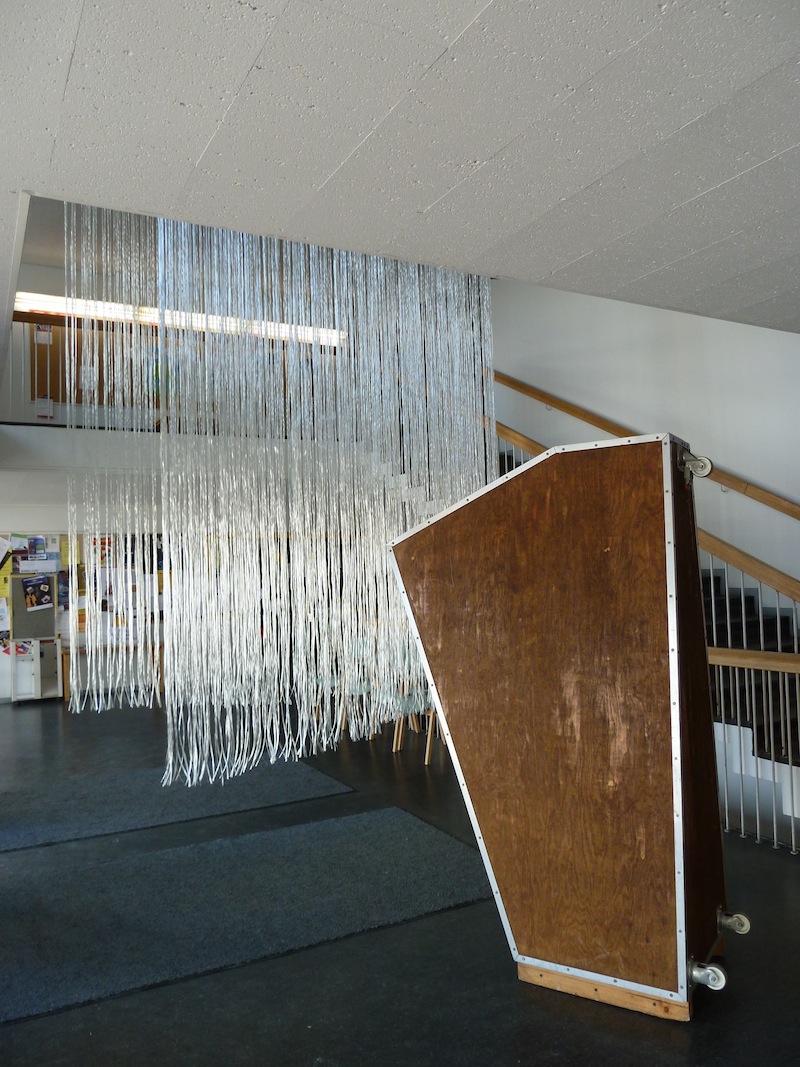
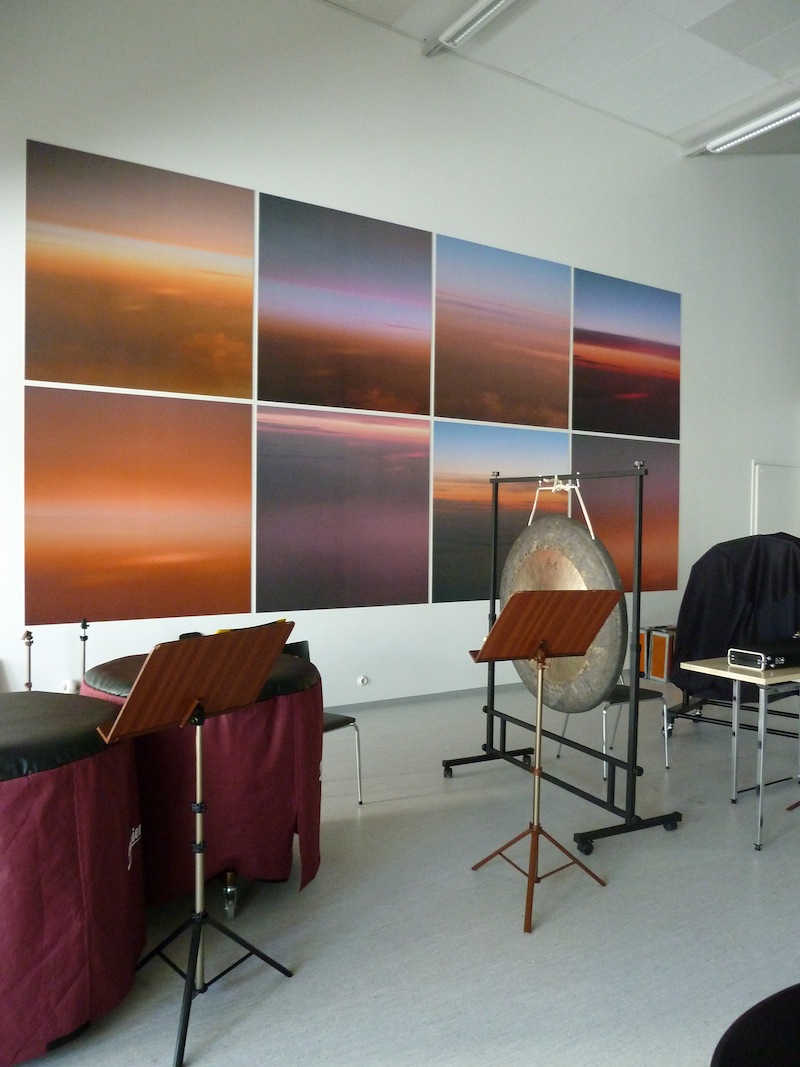
For three weeks, The Åbo Akademi University Business School became an art gallery: its walls mirroring an artistic journey through Europe, captured encounters of light, places and people.
The LICHTWECHSEL exhibition closed in April, but some of the works – among them Erika Lojen’s Das Licht das Ich Suche – will stay. And so will the memories, for all of us who were part of the process. Art comes to life in our minds, it is there whenever we recall it.

LICHTWECHSEL XIV

art, beauty, recent work

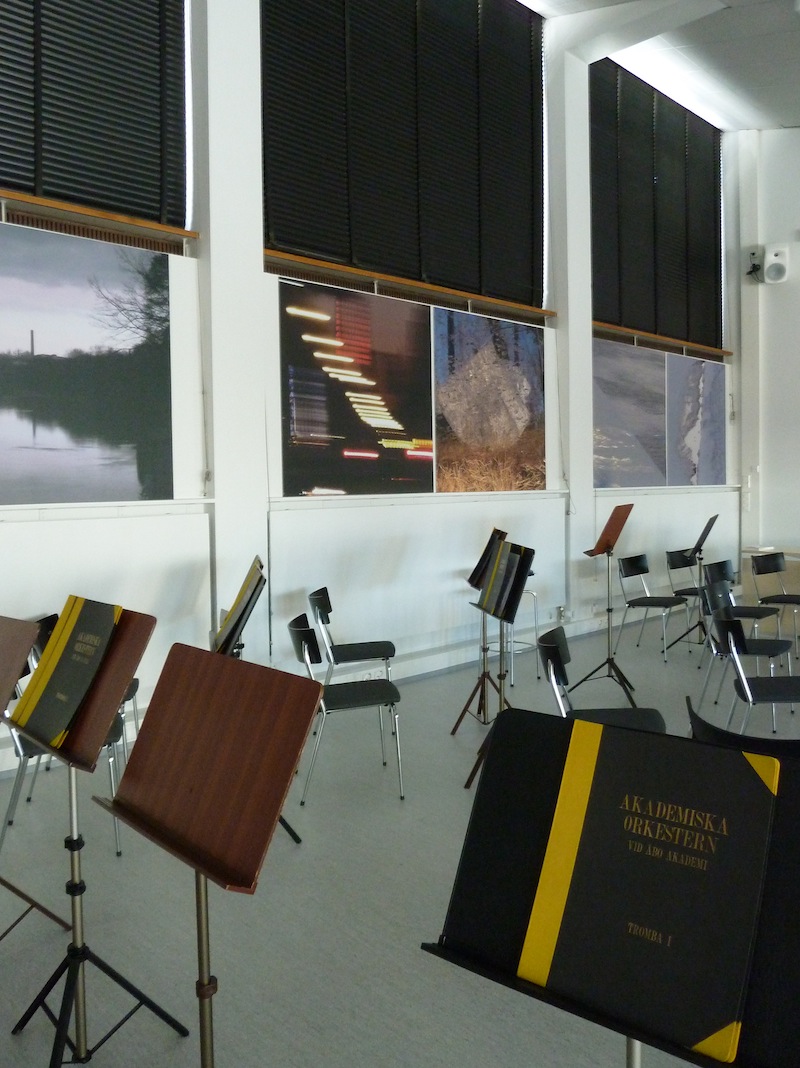
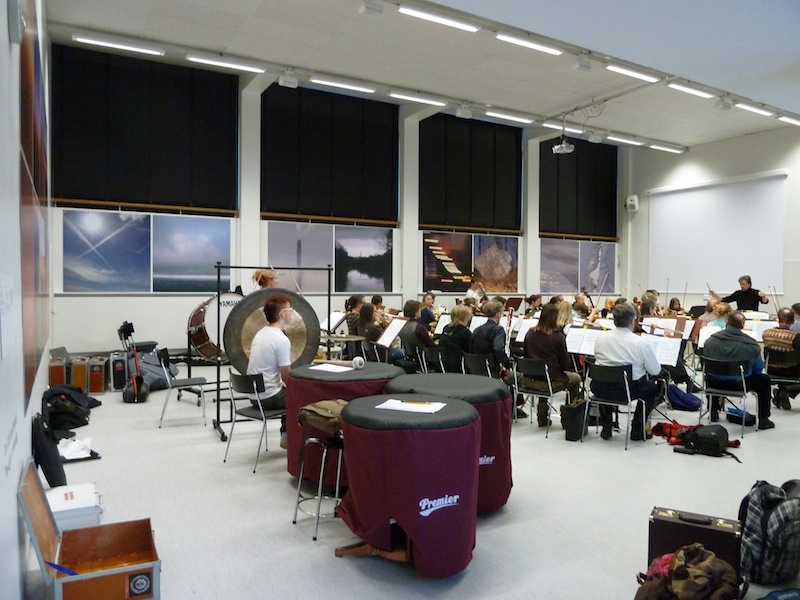
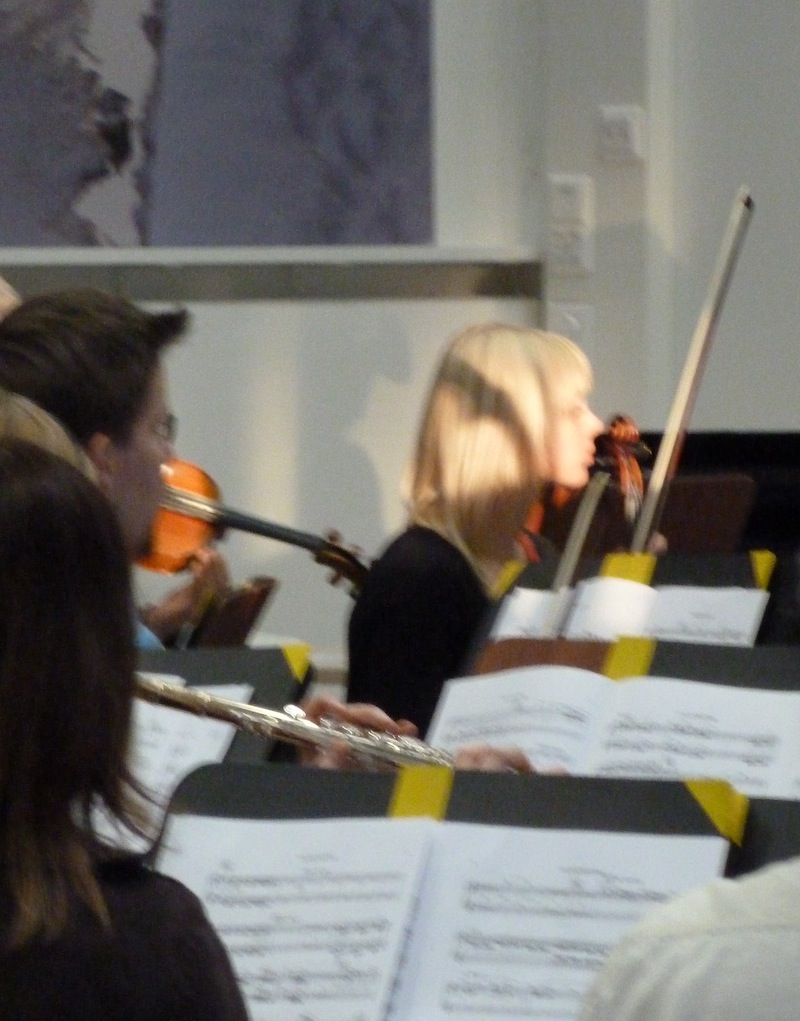
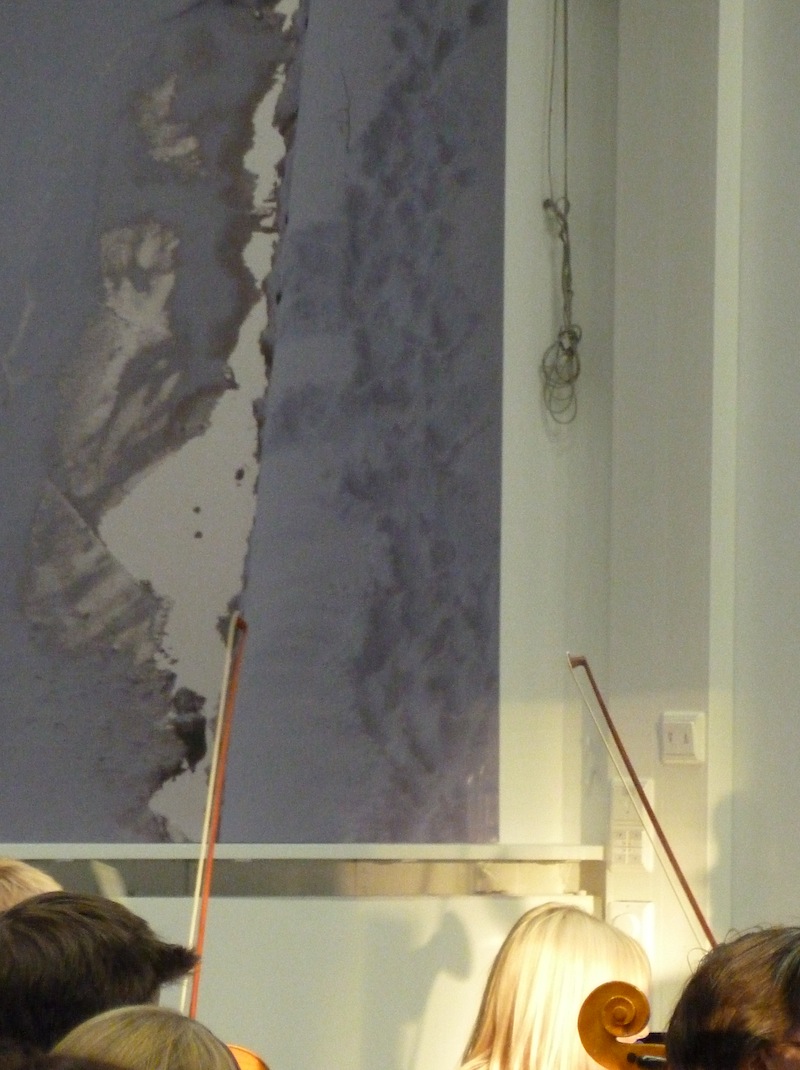
Orchestra rehearsal in Auditorium I; all photos by HHW.

In Auditorium I, the Academic Orchestra is rehearsing under Das Licht das Ich Suche – a photo series composed for this space by Erika Lojen.
The River
, a piece by Finnish composer Selim Palmgren, searches its way through Sunday morning hours; begins, then halts to take another direction and unfold anew, over and over. As day turns towards afternoon, sun reaches in through large windows and the orchestra tunes their instruments for Claude Debussy’s La Mer.