
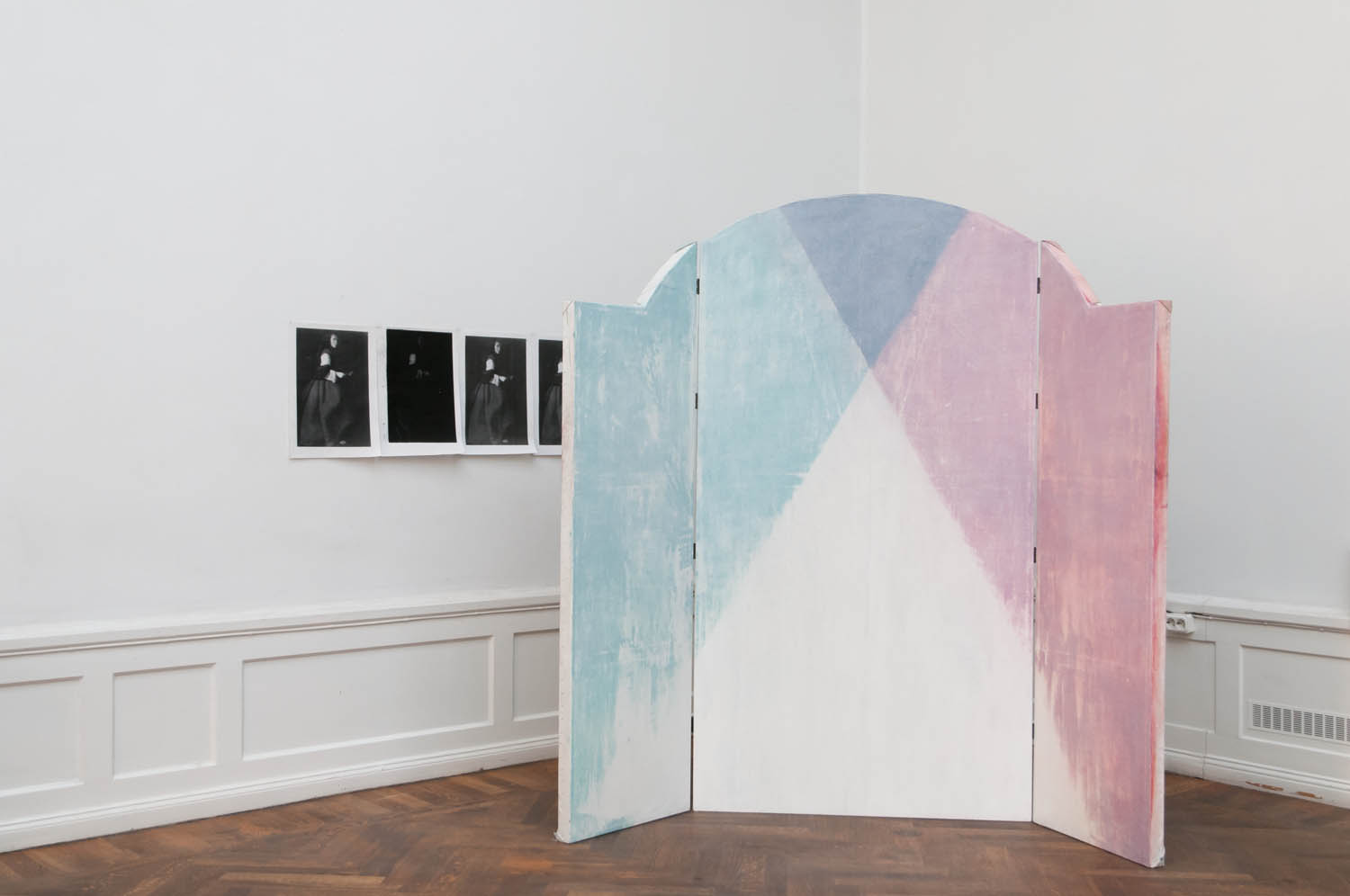
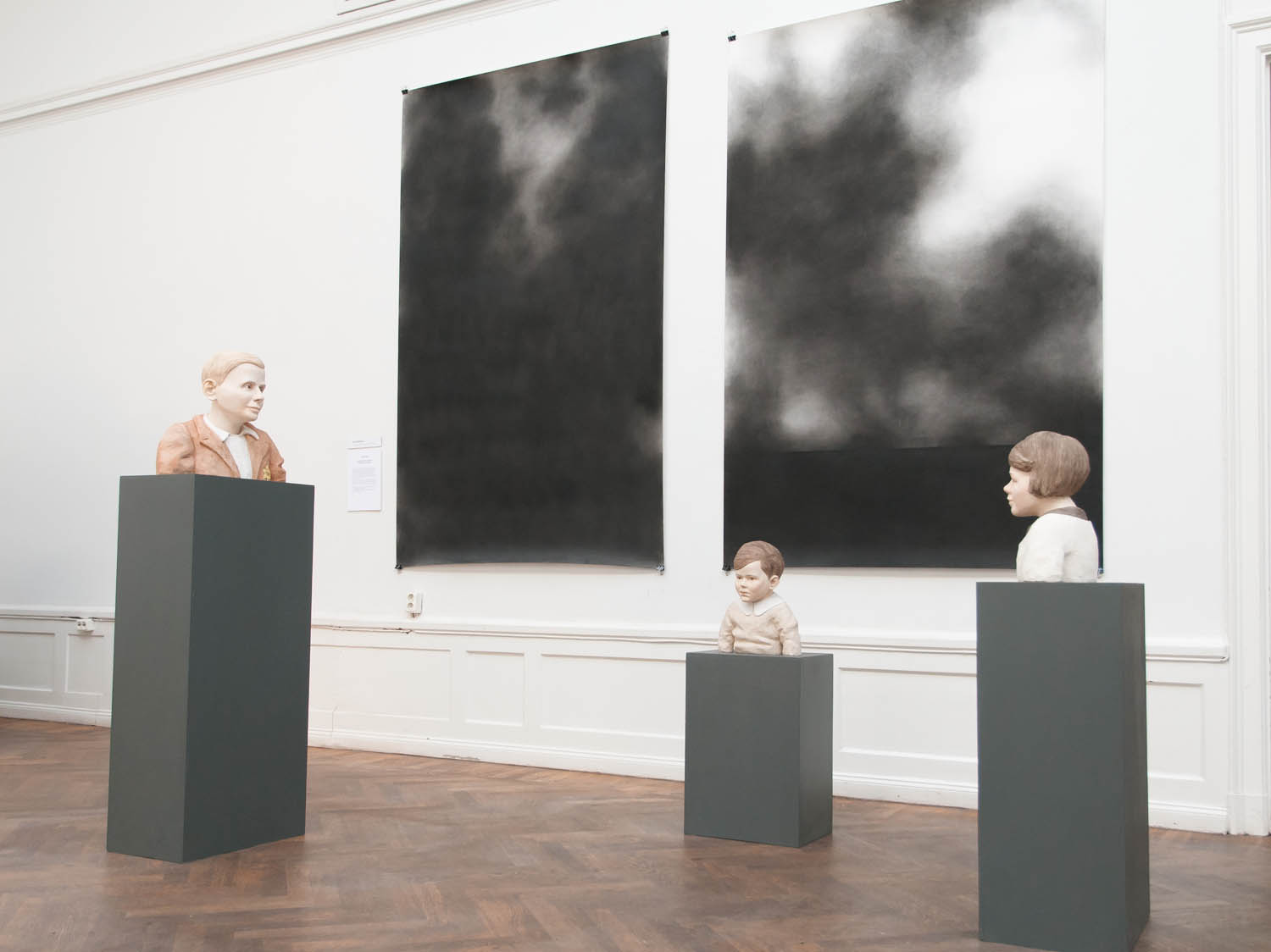
Helena Hildur W, installation with painting and prints at Konstnärshuset;
photo by Gert Germeraad
For my own participation in this exhibition, I brought painting #IV (still unfinished) as the central piece of an installation also comprising prints from Art Lab Gnesta’s risograph and a few items from the studio, along with an artist book with text and photographs from the project.
The book is available, in limited edition (30 copies in total); to order, please leave a note in the commentary field below.
Full text – in Swedish, although with an English abstract – can also be found here:
Om varseblivning av kvalitet i gestaltande processer: del 1, en individuell process.
The exhibition at Konstnärshuset is finished. For you who missed it, or couldn’t come – here’s to give you an idea of the rest of the exhibited works, along with links to full text papers (in Swedish):

Lena Oja: The management of a Cervical Spine/
Ridkonstens samtal: en vägbeskrivning (2012)
—
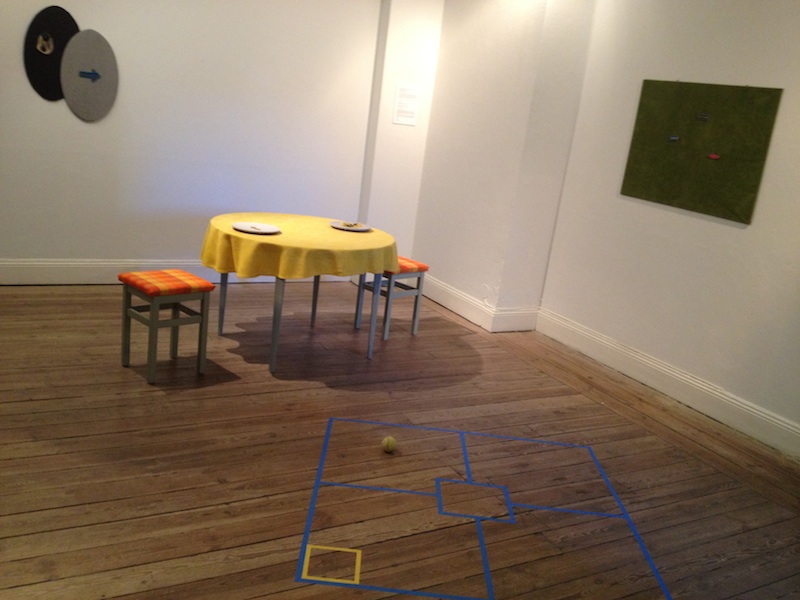
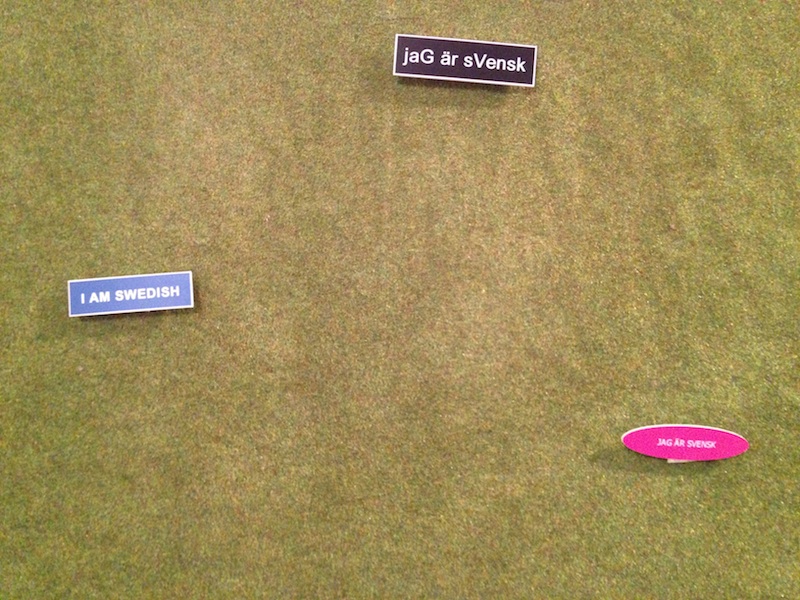
Auli Laitinen: In My Nature/I min natur (2012)
—
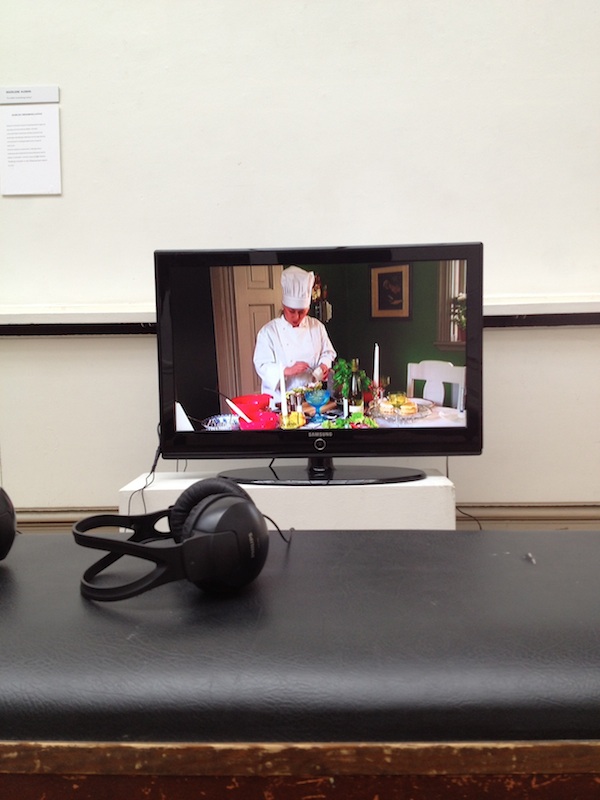
Madeleine Aleman:
A Meal in Swedenborg’s Summer House/
En måltid i Swedenborgs lusthus (2012)
—
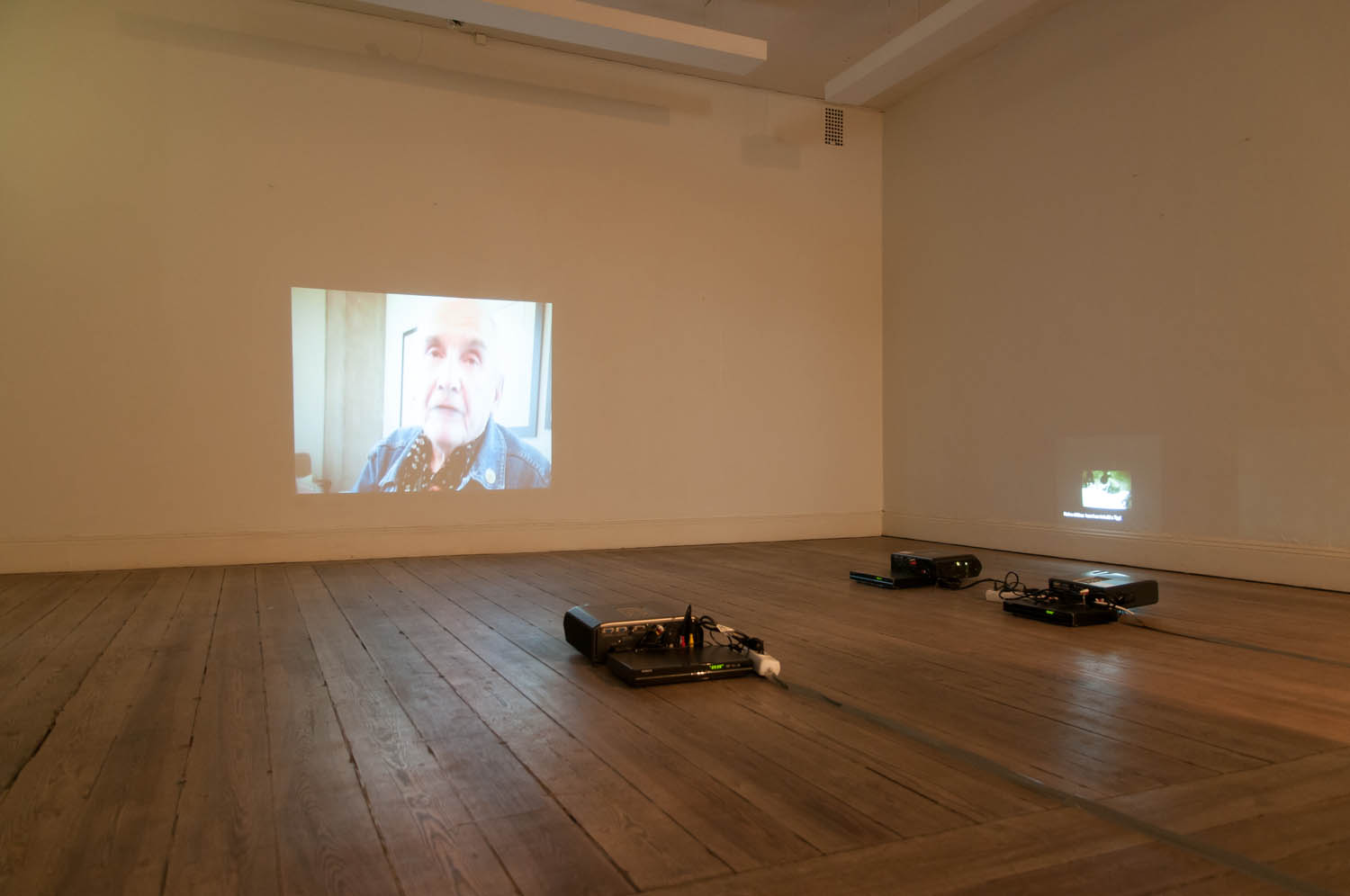
Antonie Frank: [WHITEWASH] (2012)
—
And a few more projects which come as artistic statements, with the verbal part yet unpublished:
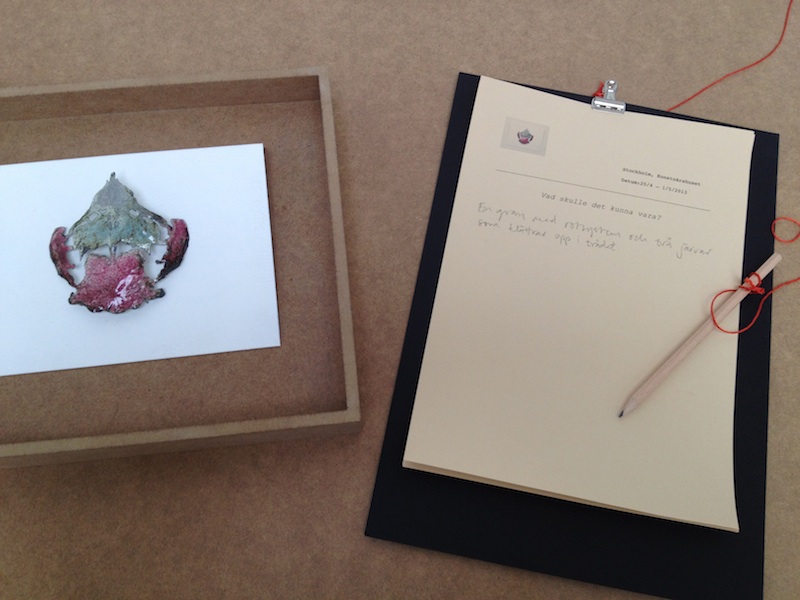
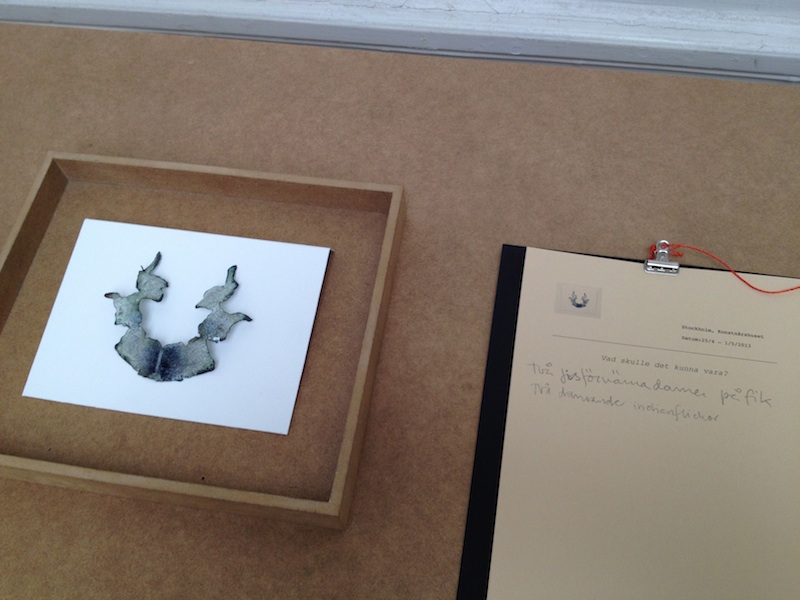
Agnieszka Knap: What Could it Be?/Vad skulle det kunna vara?
—
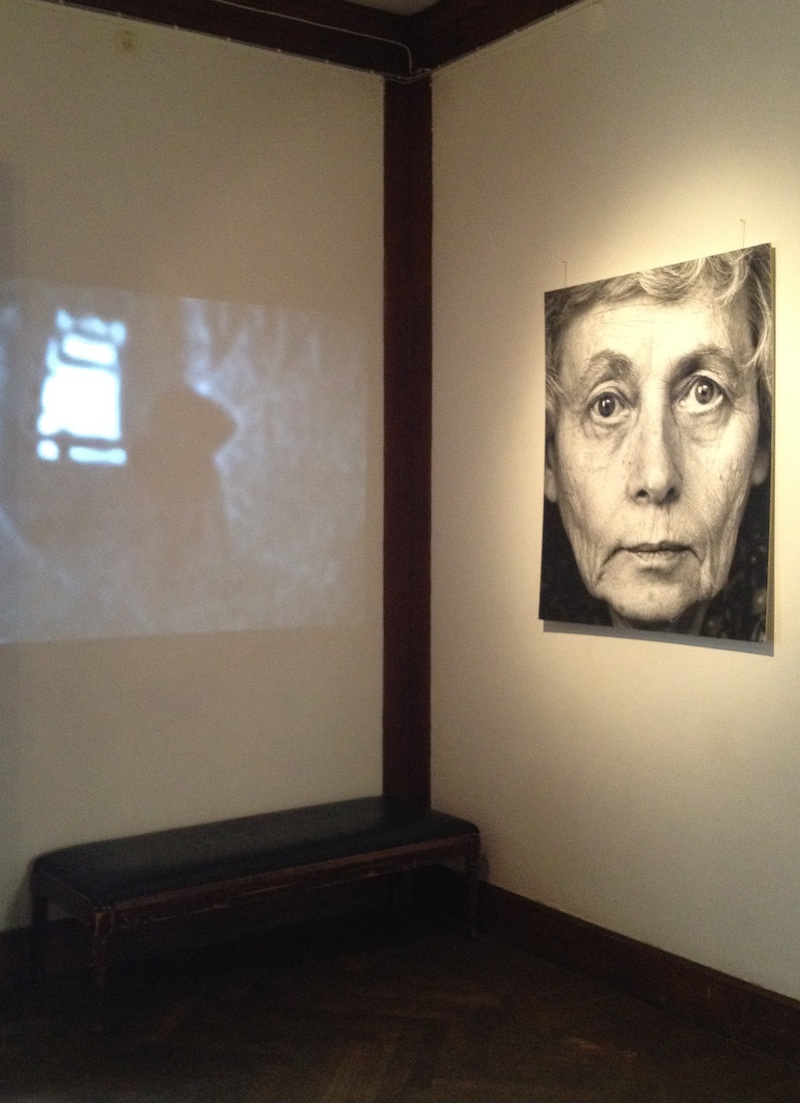
Ivar Sviestins: The Human Face/Människans ansikte
(note that the left picture is an extreme zoom-in, focusing the eye of a portrayed person – who is, in his turn, watching the photographer)
—
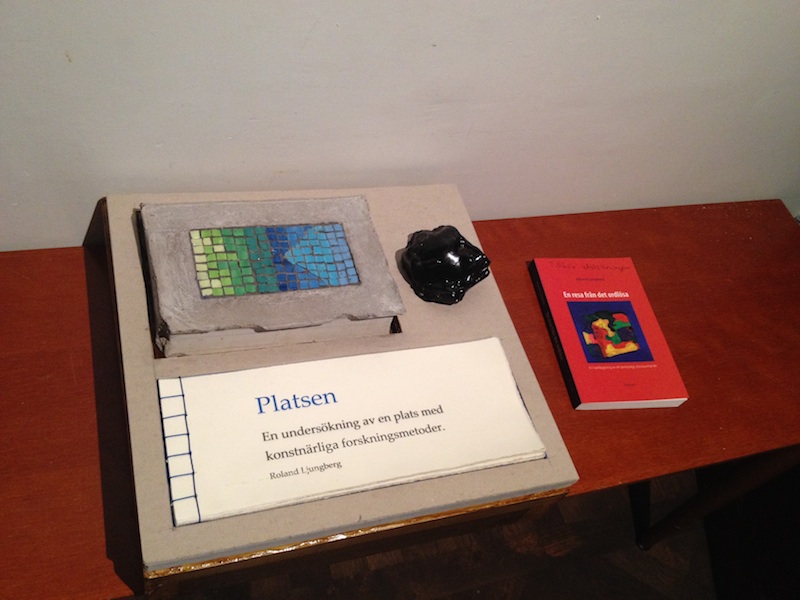
Roland Ljungberg: The Place/Platsen – artist book (2013)
PhD Roland Ljungberg is – together with Emma Göransson – the developer and leader of the course Artistic Research Processes. His dissertation (“En resa från det ordlösa”) is a personal mapping of the artist’s professional skills and knowledge.
—
All photos by HHW.
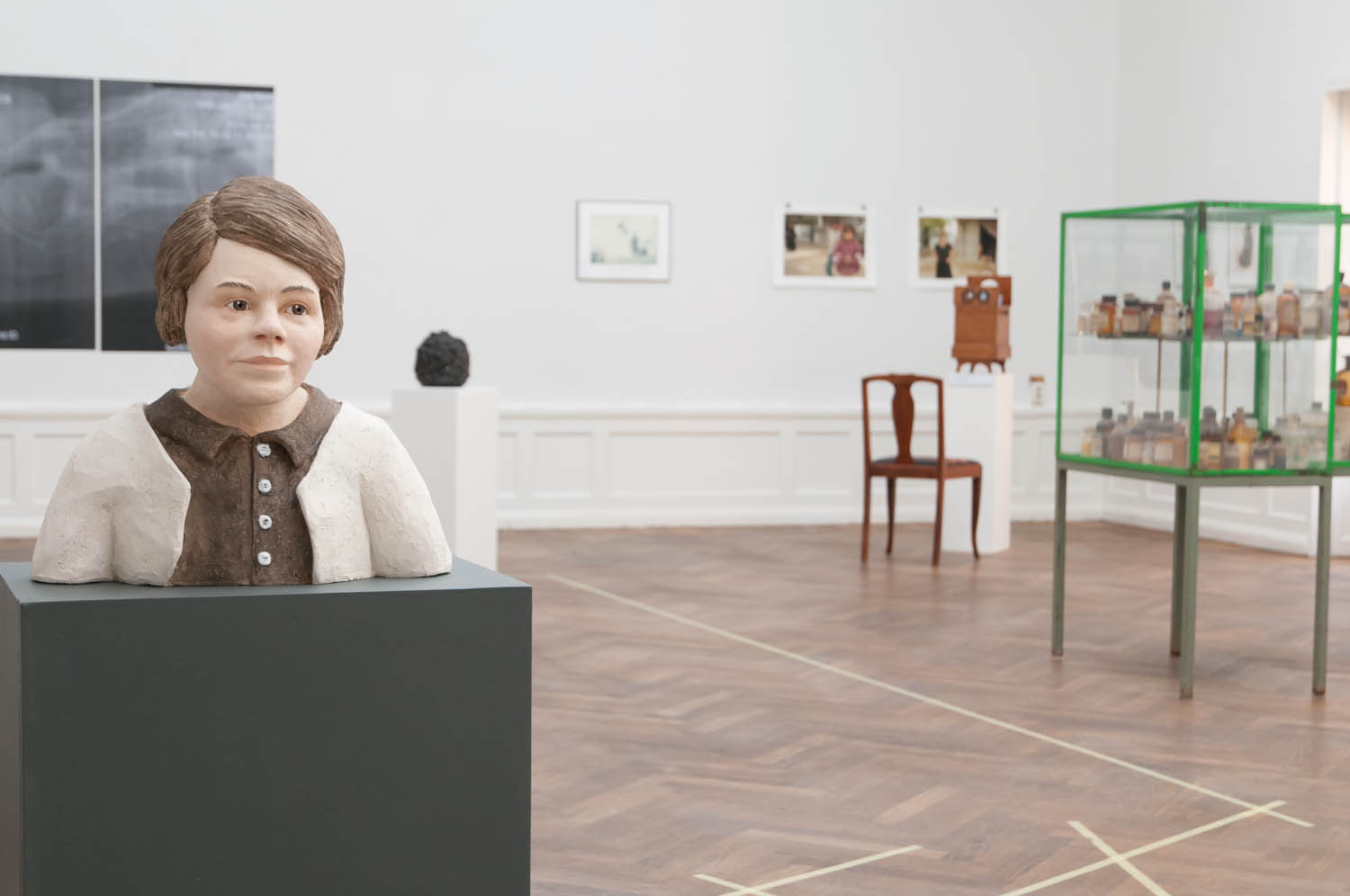
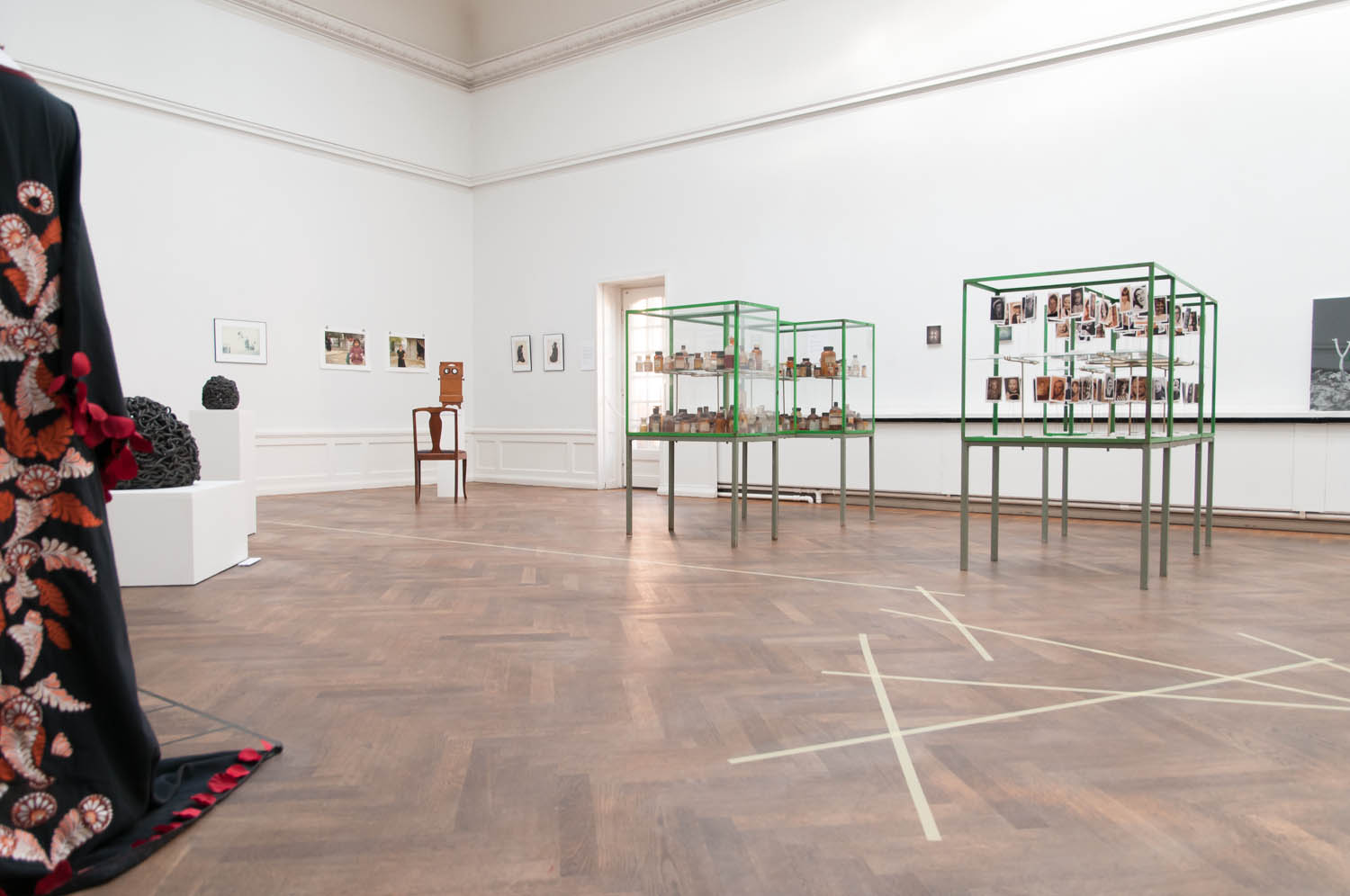
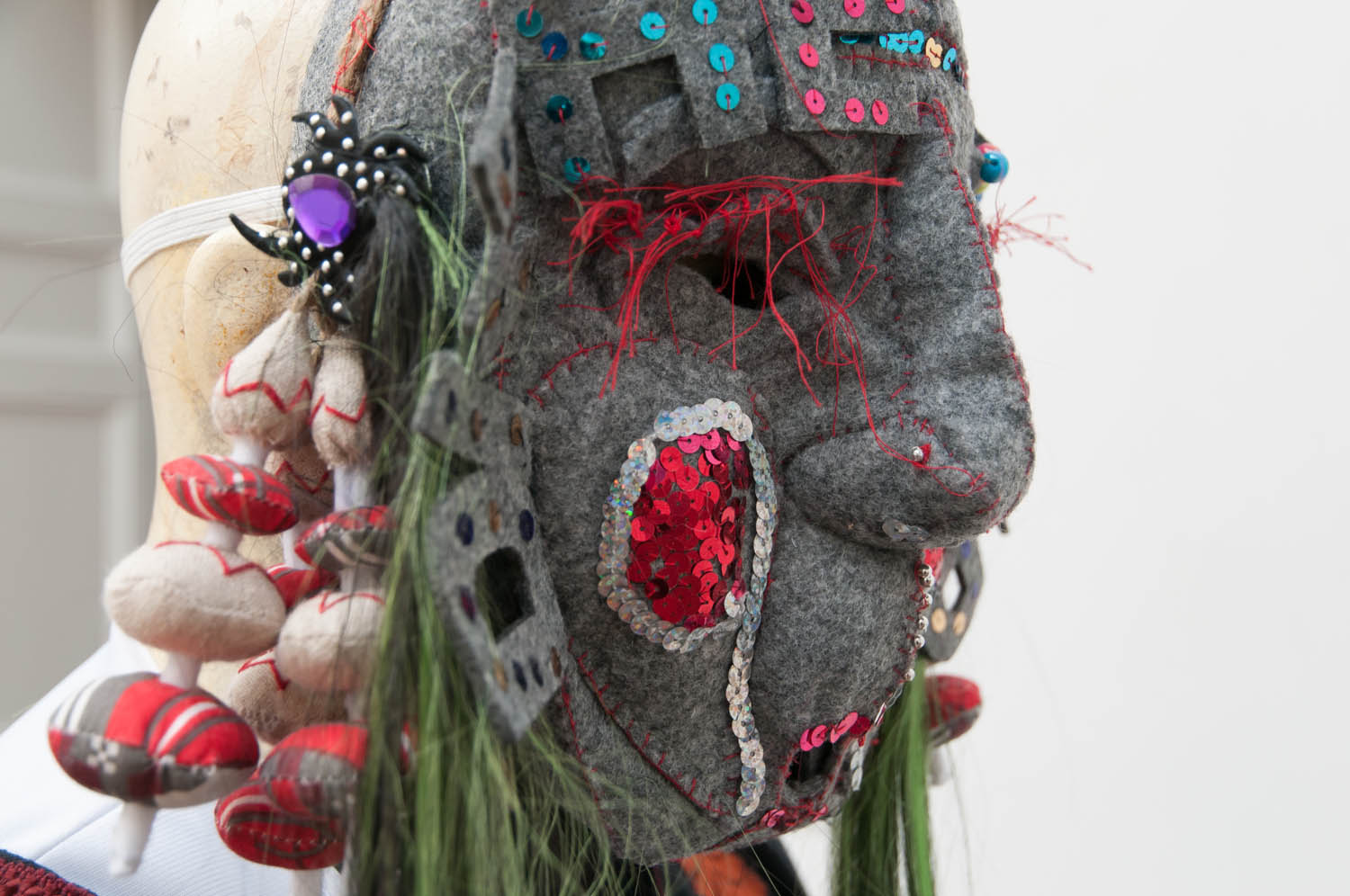
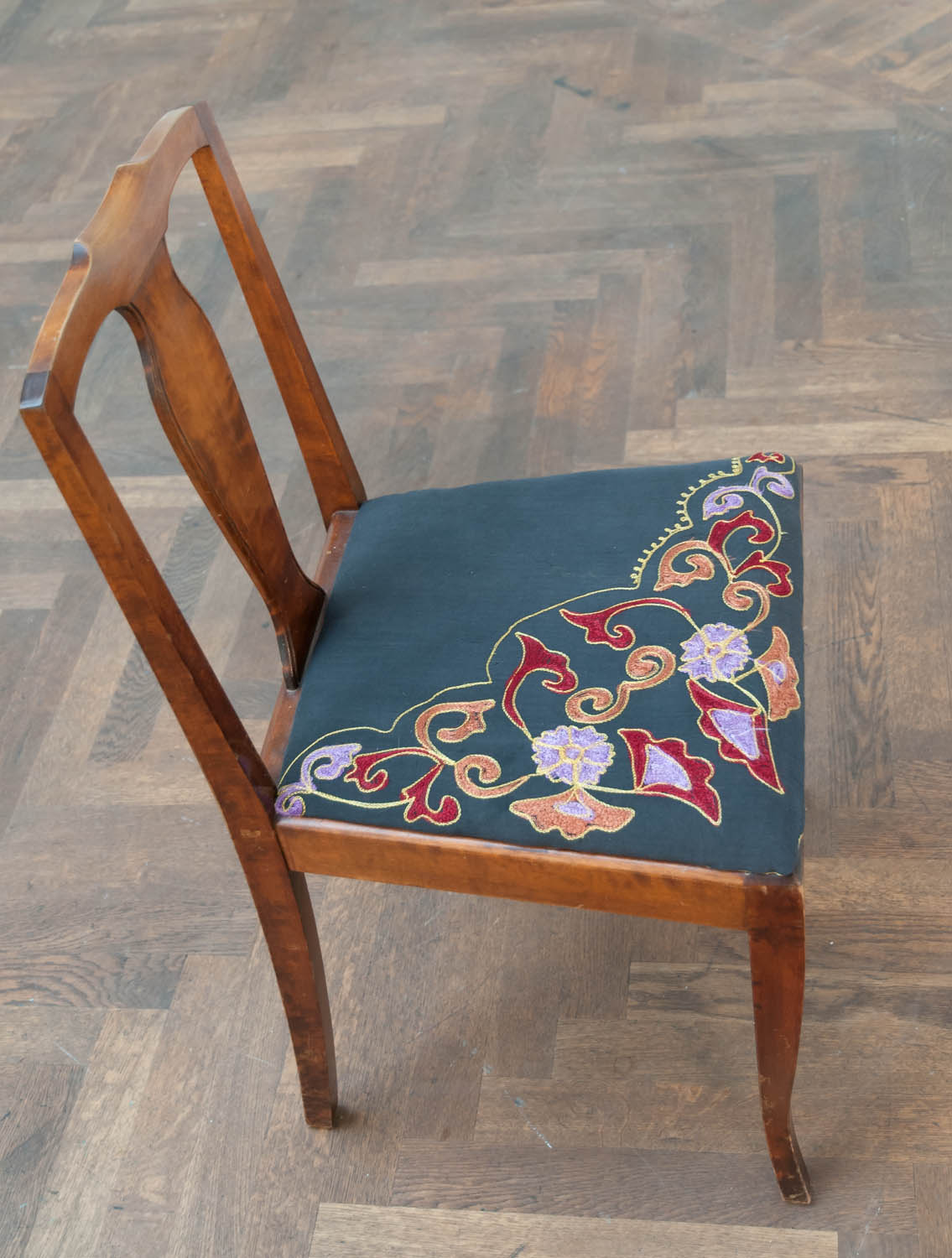


Exhibition Konstnärliga Forskningsprocesser at Konstnärshuset;
all photos by Gert Germeraad
Today is the last day for the exhibition Konstnärliga Forskningsprocesser at Konstnärshuset, Smålandsgatan 7 (Stockholm). Opening hours 12 – 18!
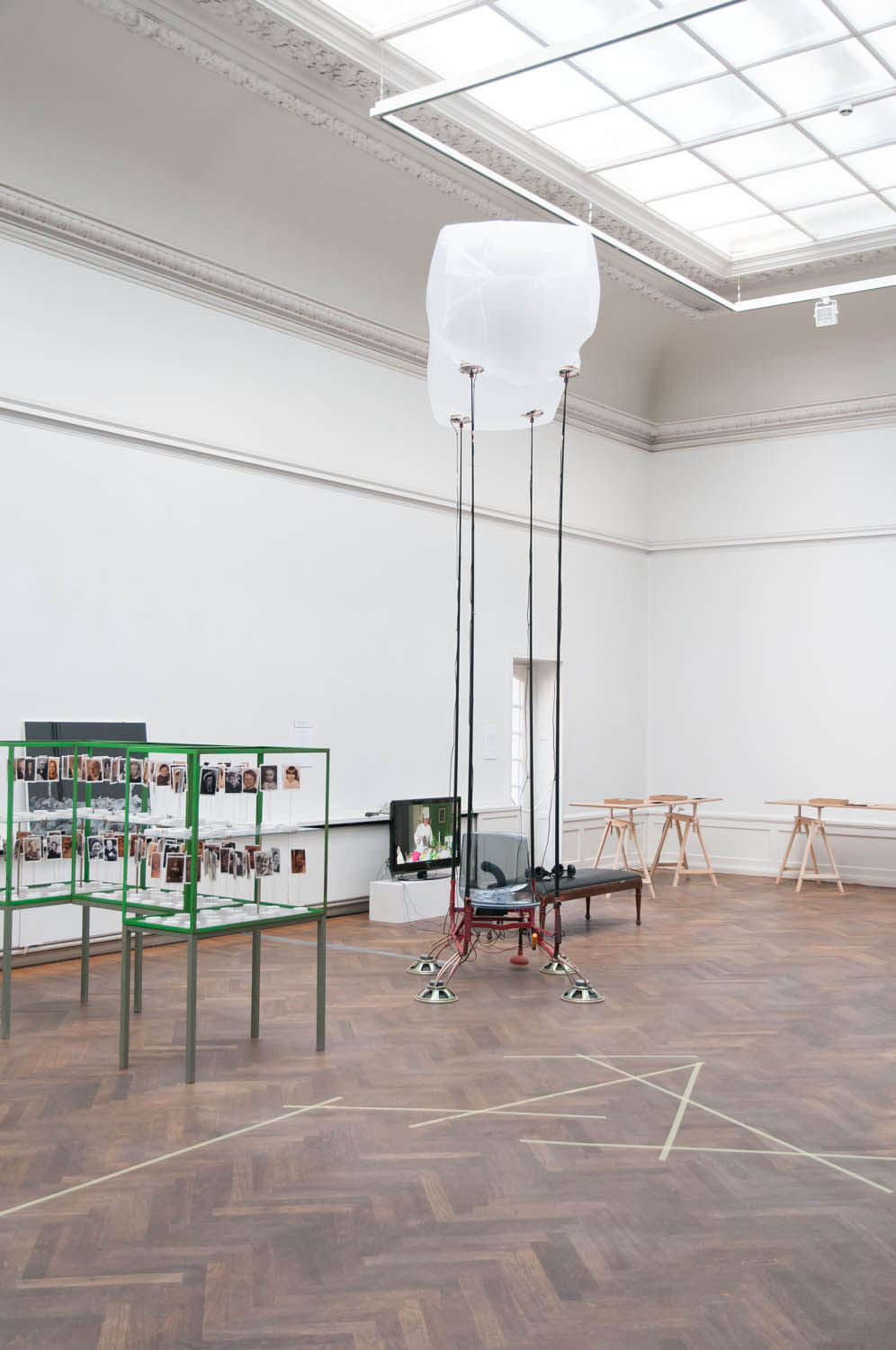
These photos are credit to Gert Germeraad, whose own project combines abstract drawing with sculptural representations of French children lost in the Holocaust.
Ana Maria Almada touches on experiences of carnival and captivity, expressed in ritual performance.
Photographer Angelica Harms pictures the majority population’s view on Roma men and women begging in the streets of Stockholm.
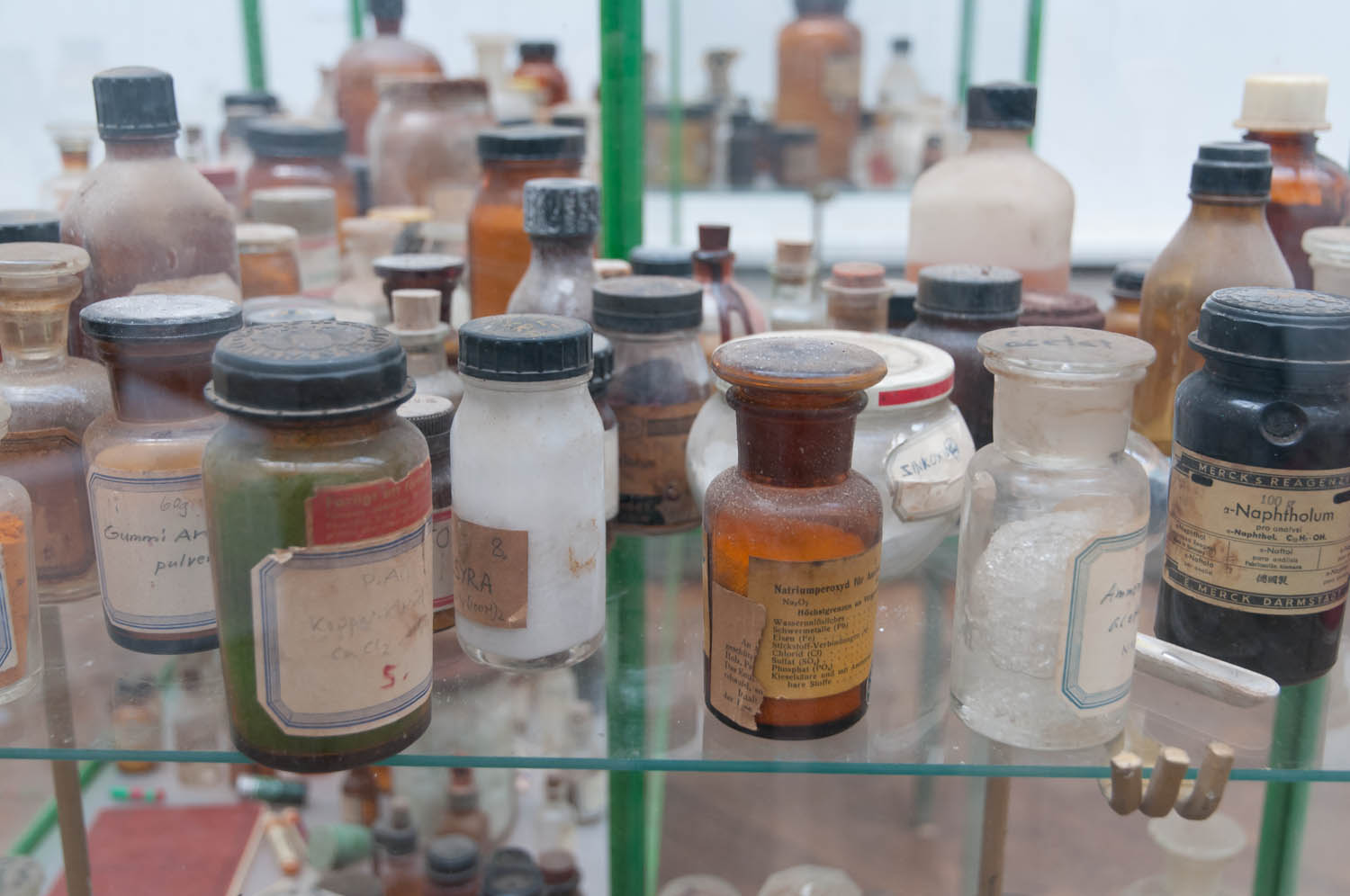
Arne Widman and Magnus Carlén are the co-creators of The Symmetry of Being, an installation with several parts – among them a collection of chemical substances, photo portraits and a chair with a mounted plastic lung.
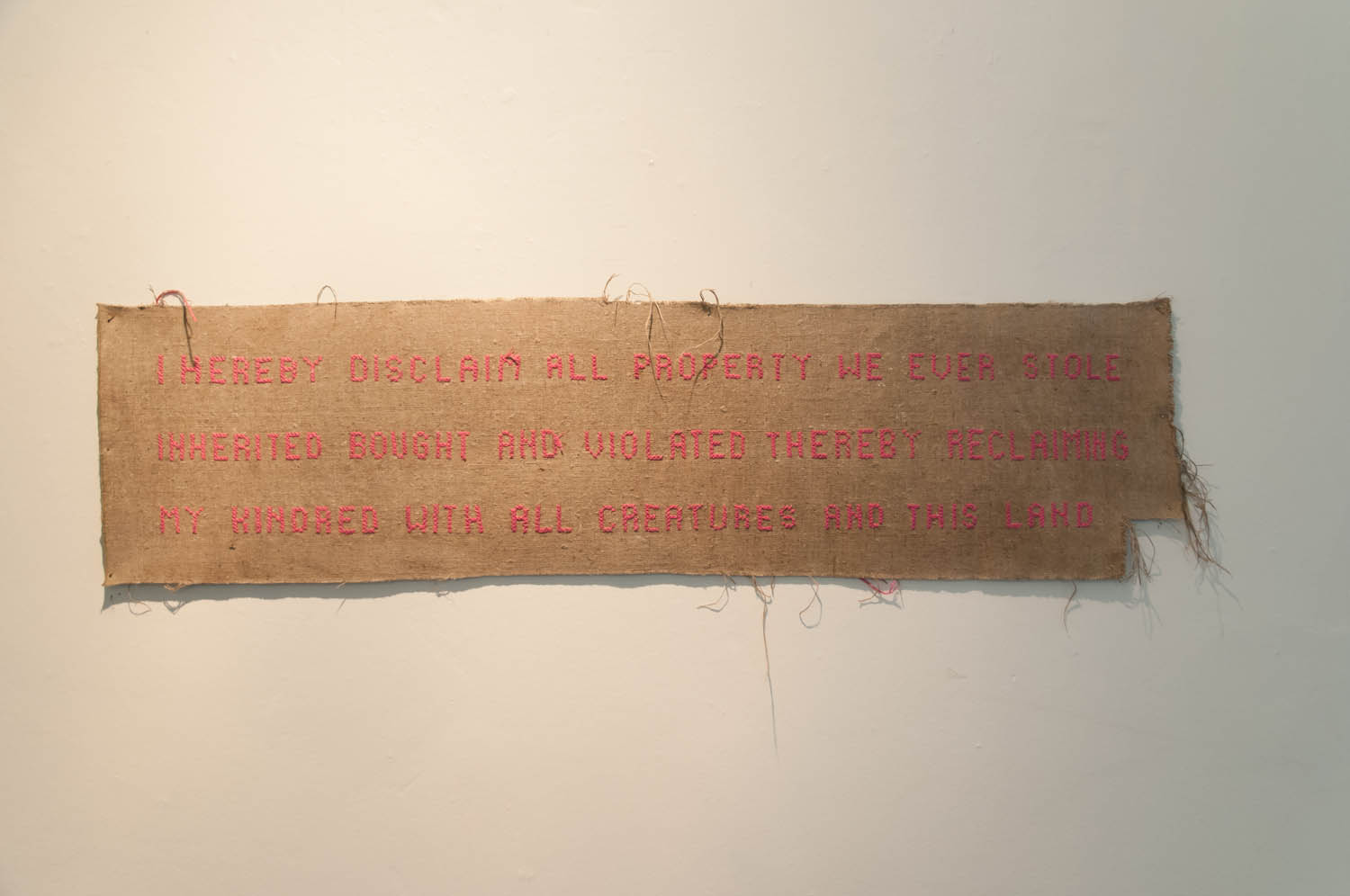
Emma Göransson’s artistic contribution comes as a Post Colonial Feminist Sami Kayak with an embroidered statement. Along with her work as an artist, Emma Göransson holds a PhD in archaeology and teaches at Konstfack Arts, Crafts and Design College (Stockholm).
For full text on each project, please click links!
(Gert Germeraad’s paper Rationality, Intuition and Emotion; Exploring an Artistic Process is written in English. For other papers, text is in Swedish.)
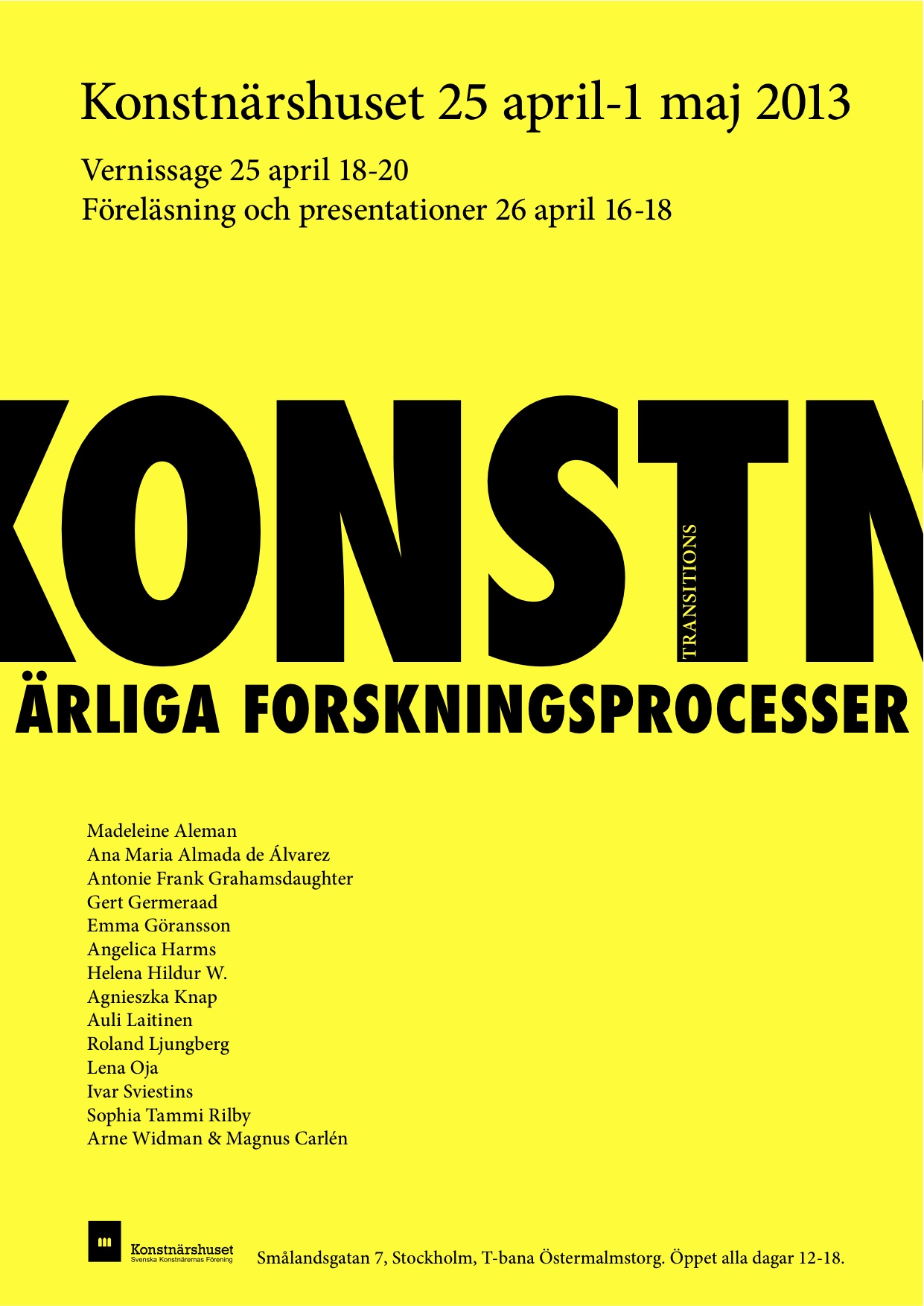
The booming interest for artistic research is, I think, a shift of focus from result to process. When ‘art’ – in some contexts – has become synonymous with ‘investment’… and in others, primarily an act of provocation… the processual aspect along with reflexivity, and the intention to make a positive contribution, is well communicated within the framework of artistic research.
Would you agree?
Exhibition open today and tomorrow, 12 – 18, at Konstnärshuset (House of Artists), Smålandsgatan 7, Stockholm.
For Swedish speakers, here’s a series of interviews on some of the projects and the idea of establishing an independent platform for artistic research; six short films made by Art Lab Gnesta and nigo produktion:
“Hör mer om ALG/R på Supermarket”
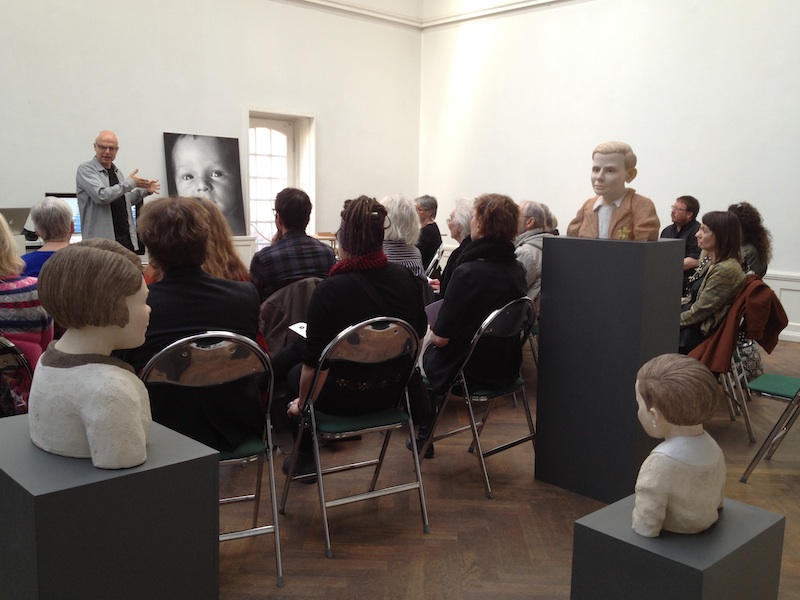
Seminar with presentation by Ivar Sviestins.
Foreground: sculptures from the series “French Children of the Holocaust” by Gert Germeraad.

The Symmetry of Being, Arne Widman and Magnus Carlén 2012
Konstnärshuset, Stockholm – a somewhat tattered gem of a building from 1899, housing two artists’ associations – is next stop. Here, the Konstfack course projects are represented in the traditional exhibition format, focusing less on process and more on artistic achievements. A seminar with artist talks and a lecture by artist and PhD Emma Göransson complements the exhibition.

The Management of a Cervical Spine, Lena Oja 2012 – 2013
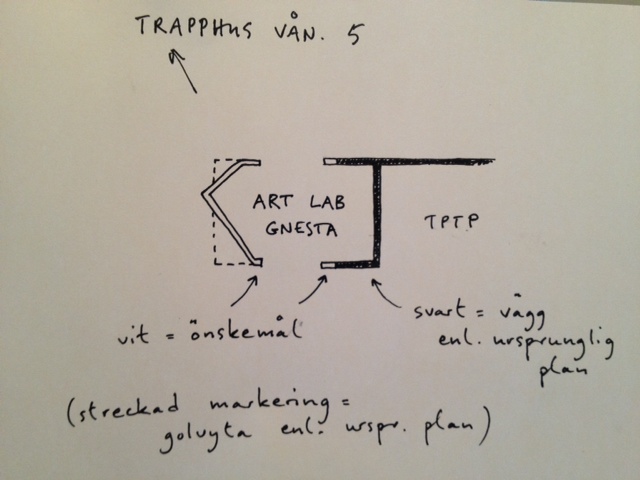
Supermarket Art Fair in Stockholm is the annual meeting point for artist driven initiatives worldwide since 2006
At Supermarket 2013, Art Lab Gnesta was represented as an independent platform for artistic research; a story which begun with the course Artistic Research Processes at Konstfack College for Arts, Crafts and Design in 2012. When the course was finished, the people involved wanted to go on – so Art Lab Gnesta opened its doors for their experimental, non-authoritarian research quest. Thirteen individual projects were brought to Kulturhuset, Stockholm, during the days of Supermarket 2013. Here’s an interview (in Swedish) explaining the whats, whys and hows of Art Lab Gnesta/Research:
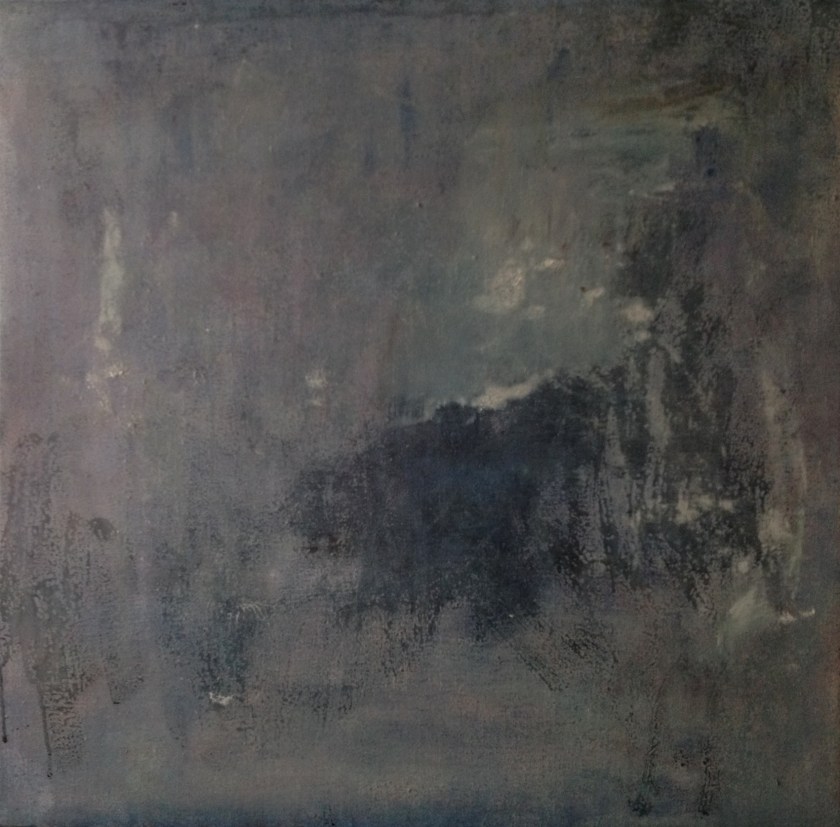
blue painting #03; oil on canvas, c. 54 x 54 cms
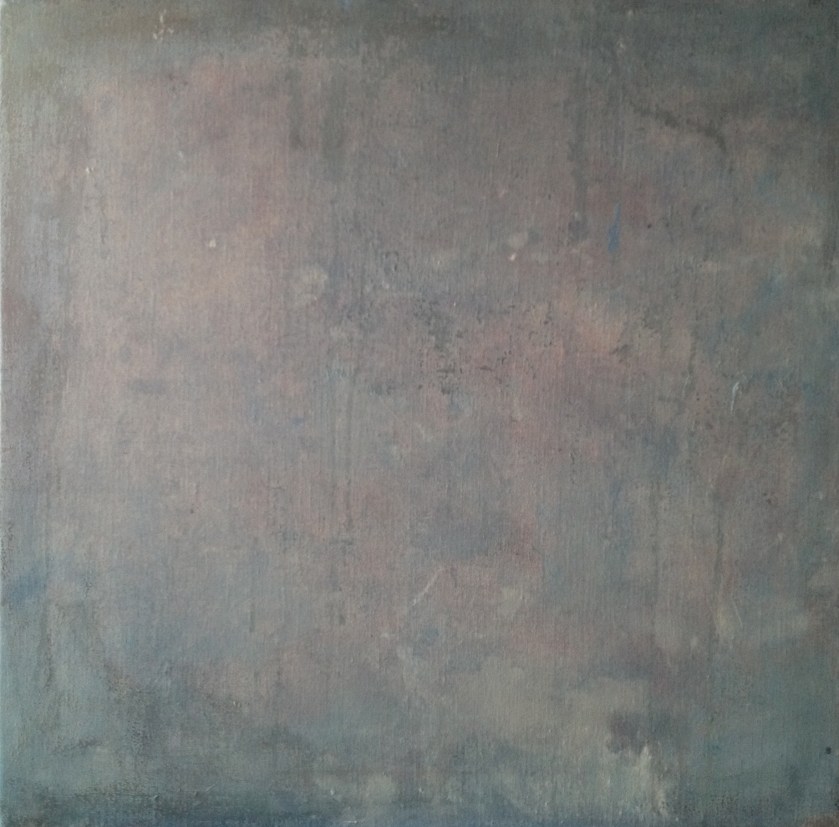
Blue painting #02; oil on canvas, c. 54 x 54 cms




 Helena Hildur W.