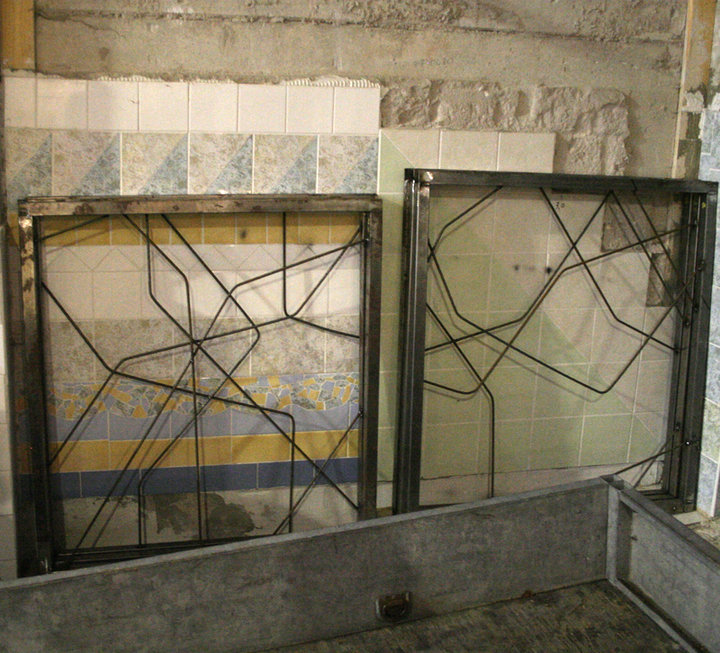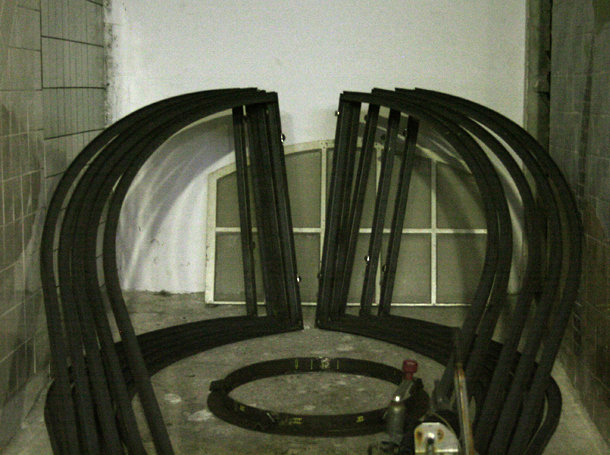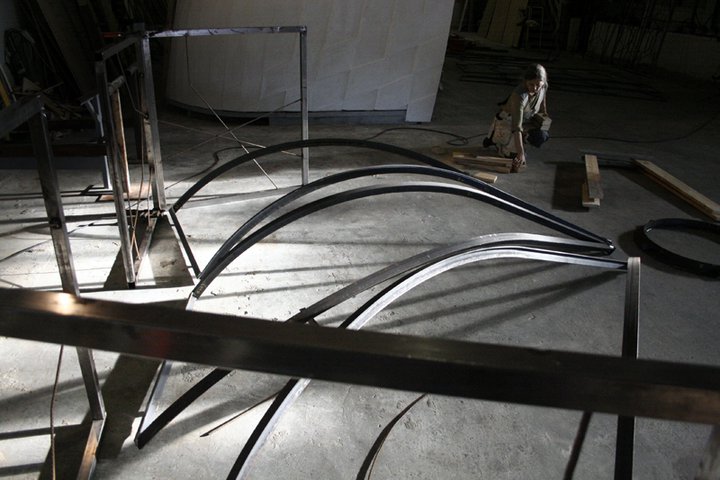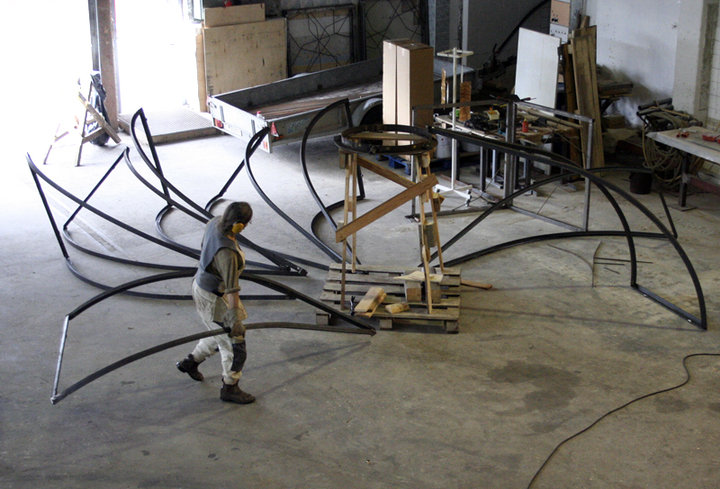
Return to Darkness XV

art, recent work


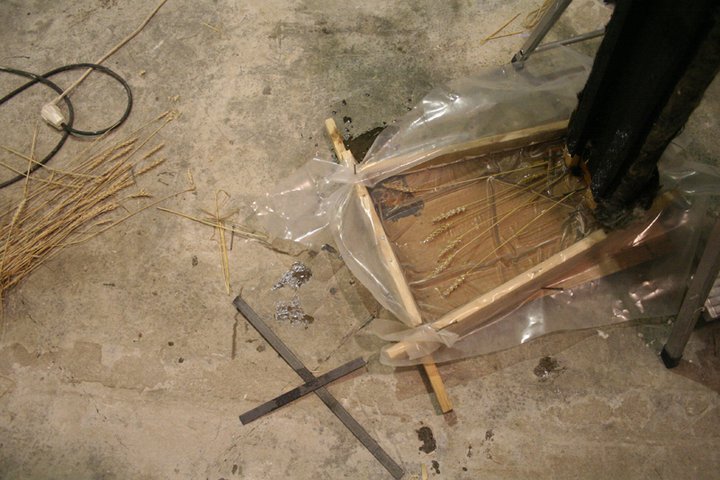
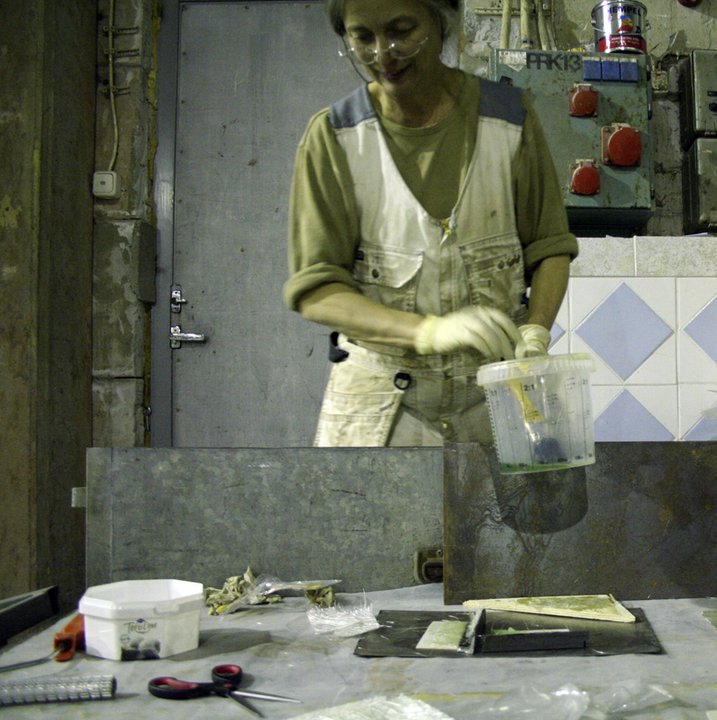
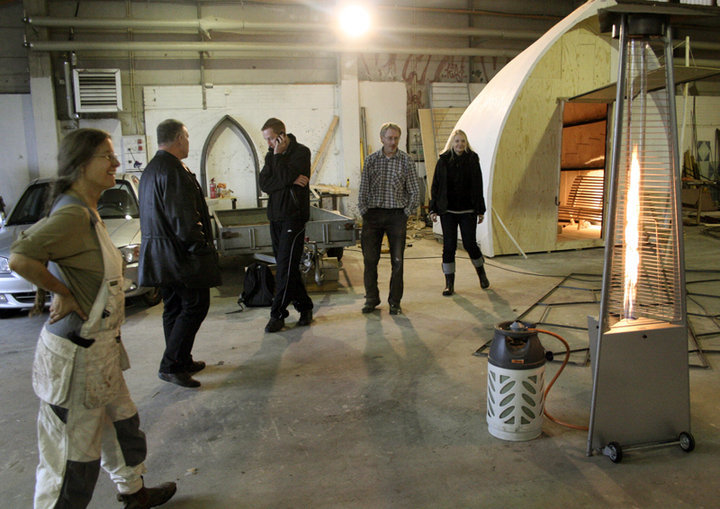
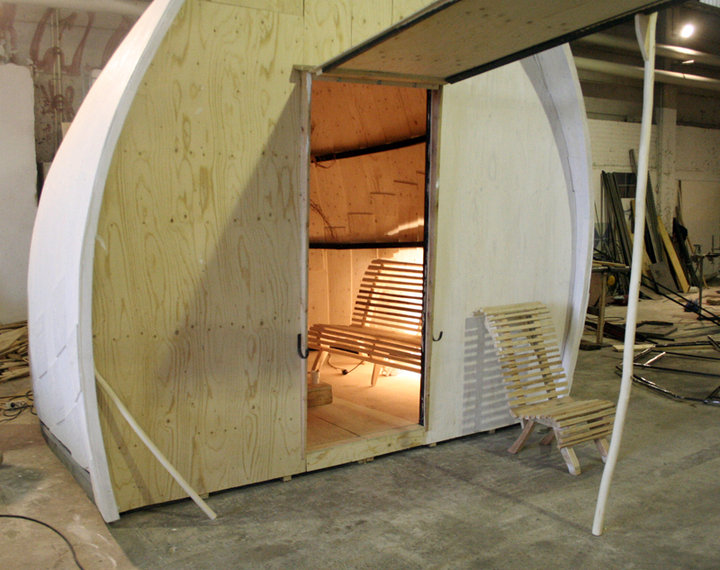
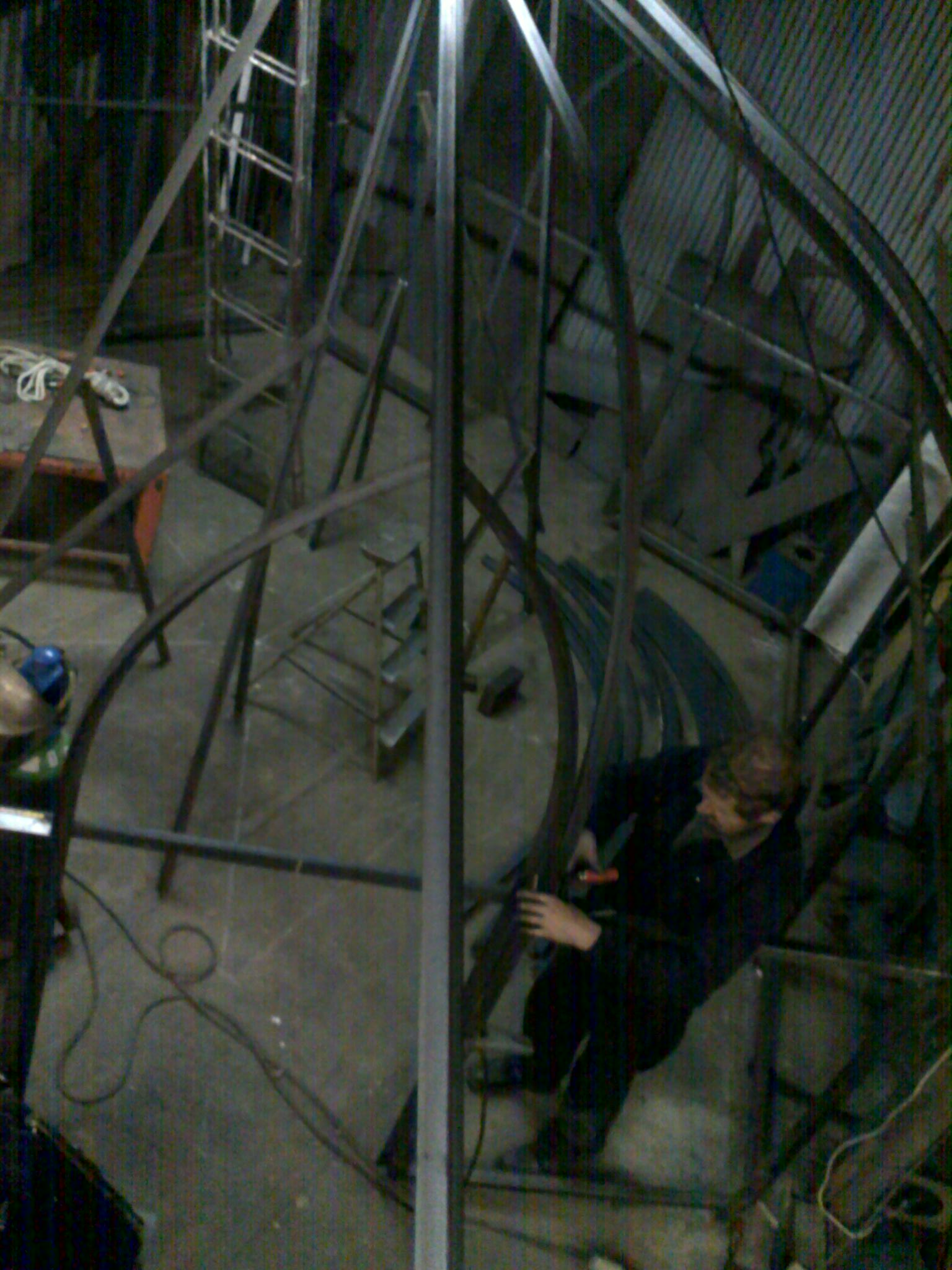
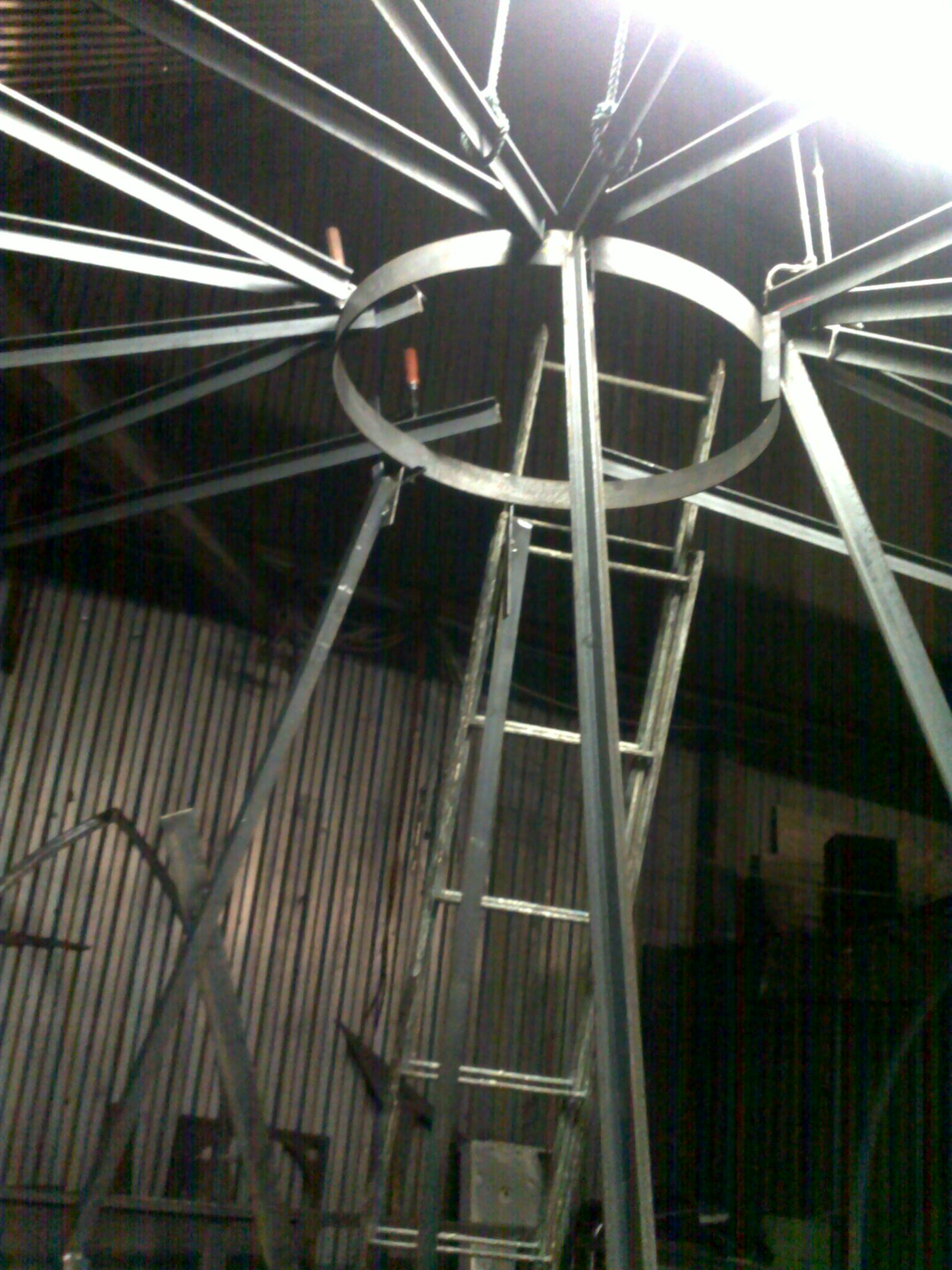
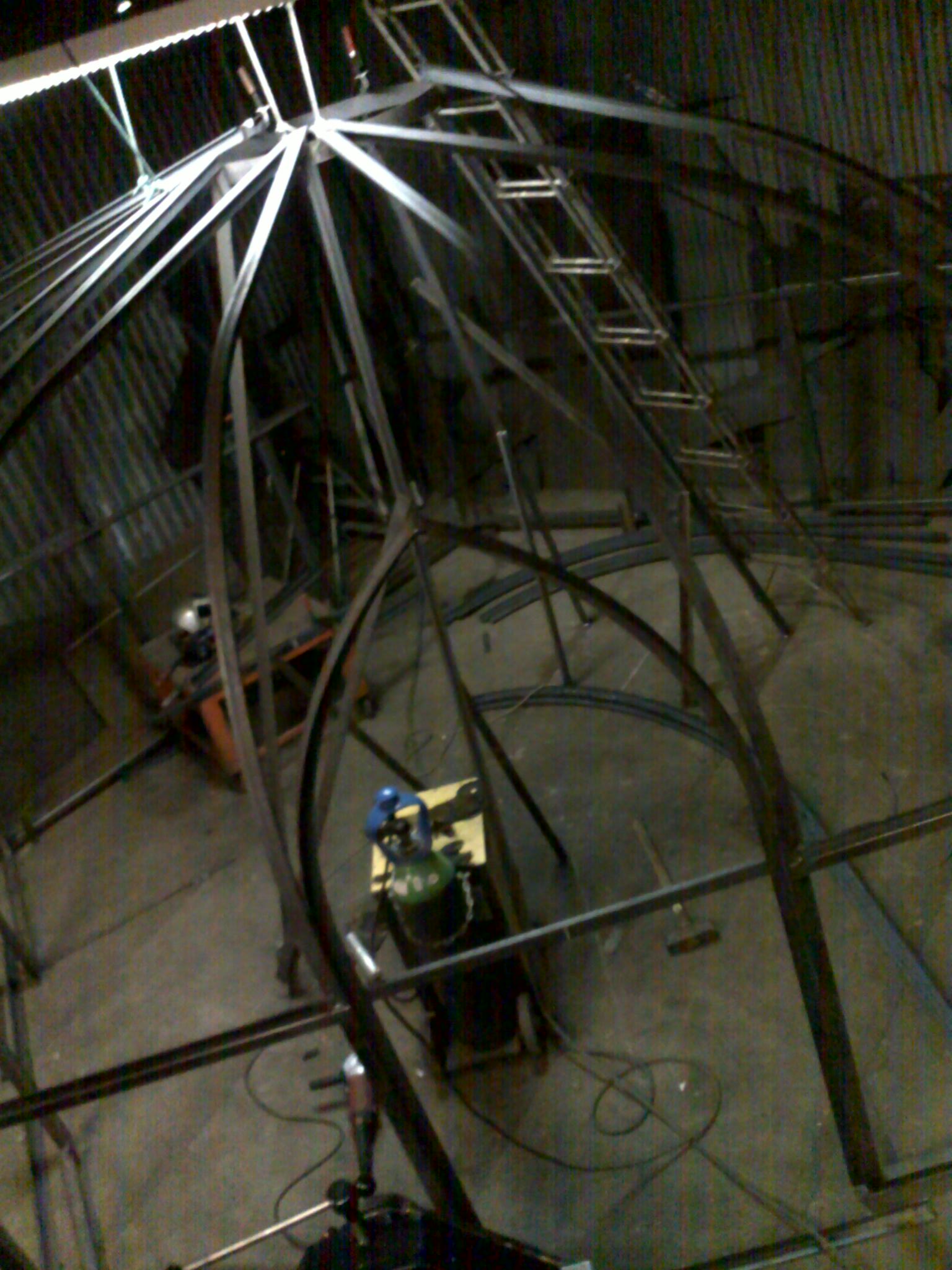
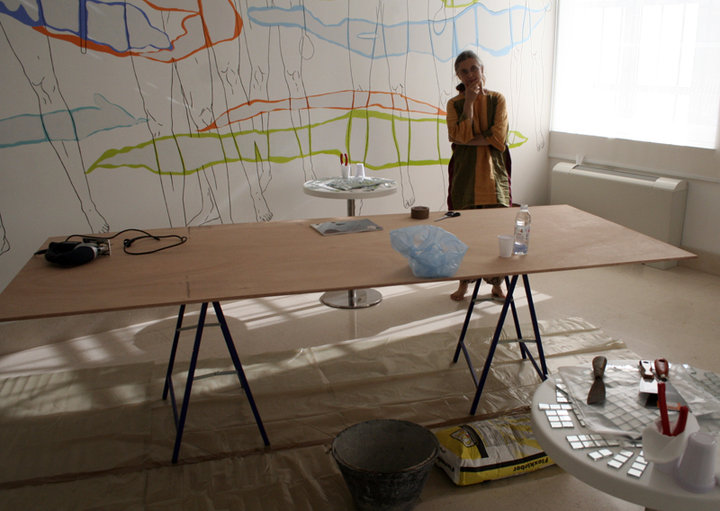
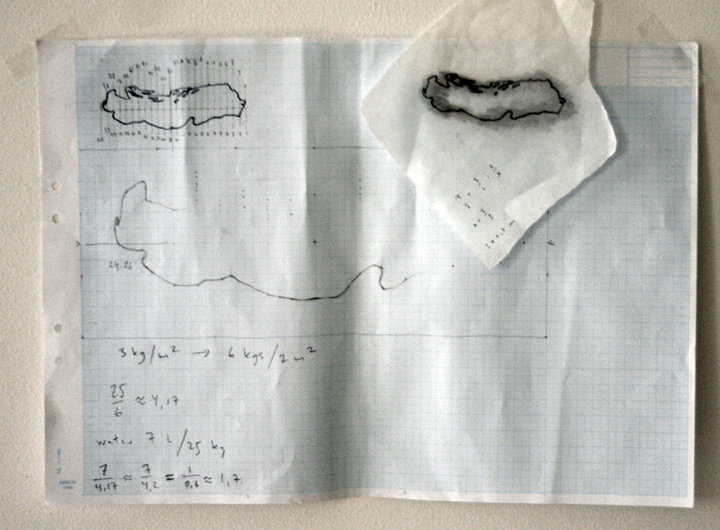
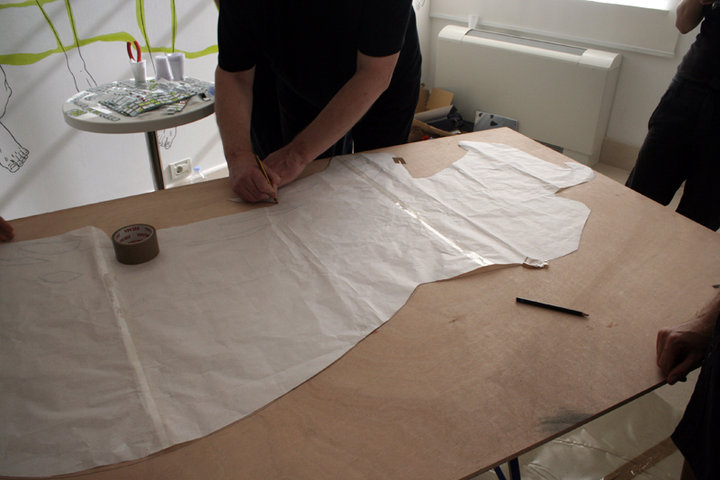
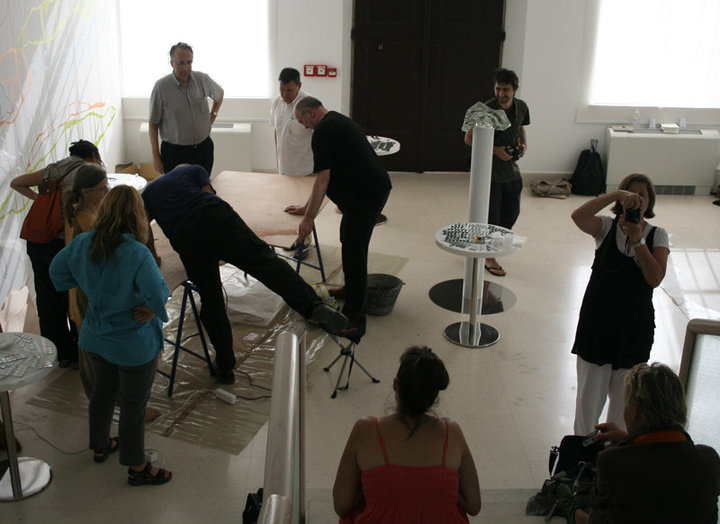
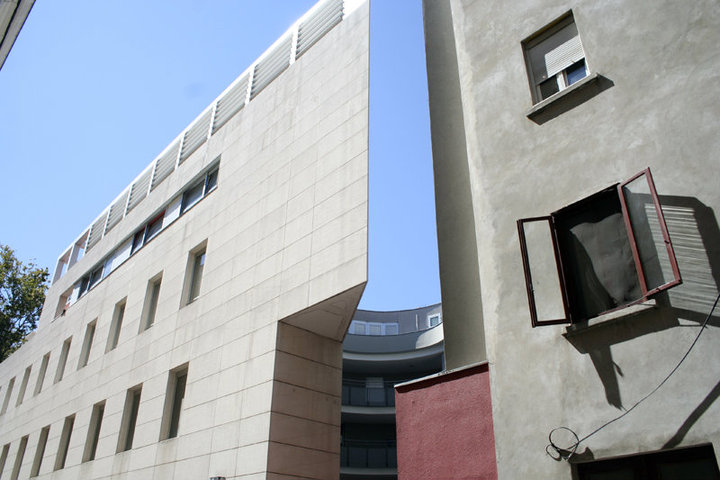
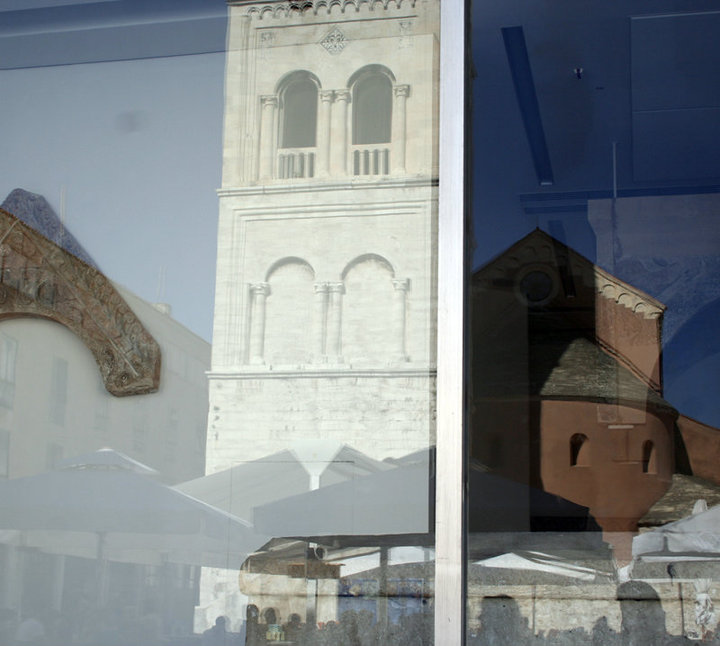
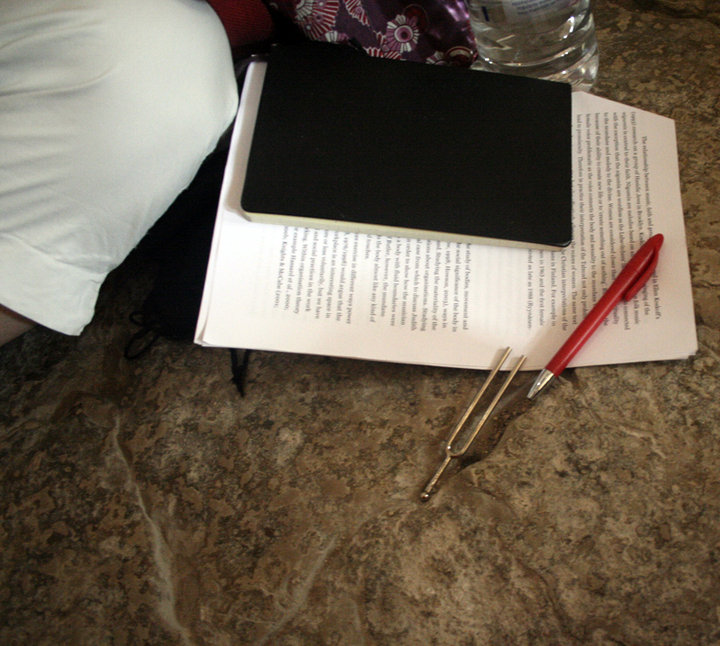
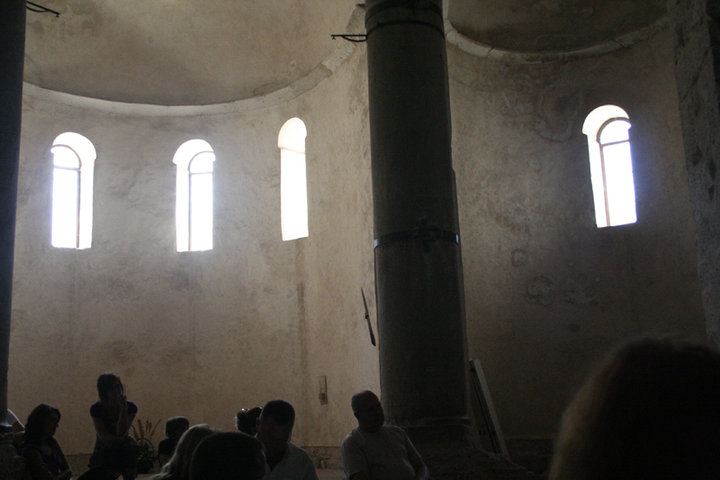
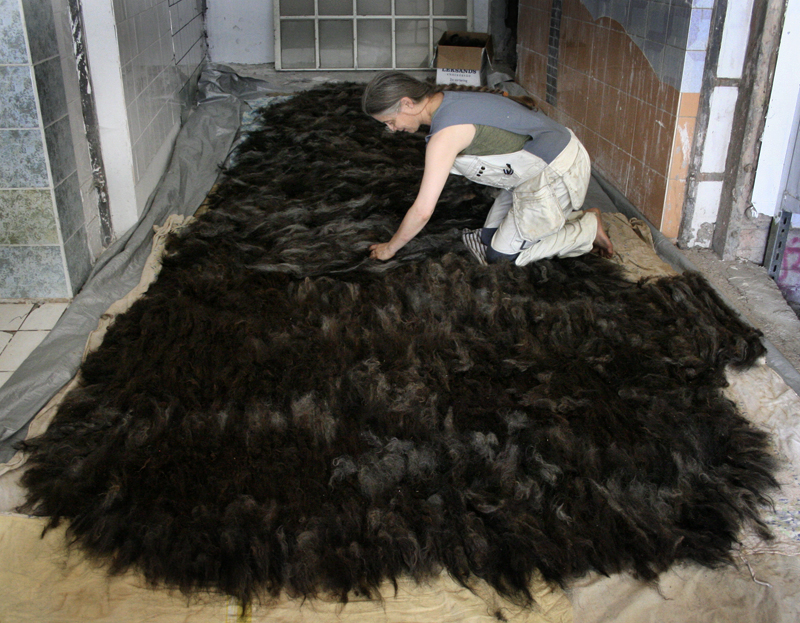
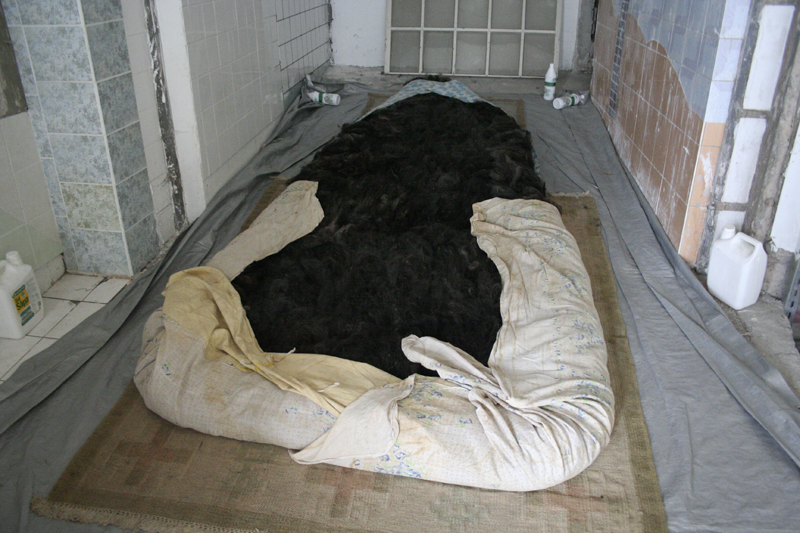
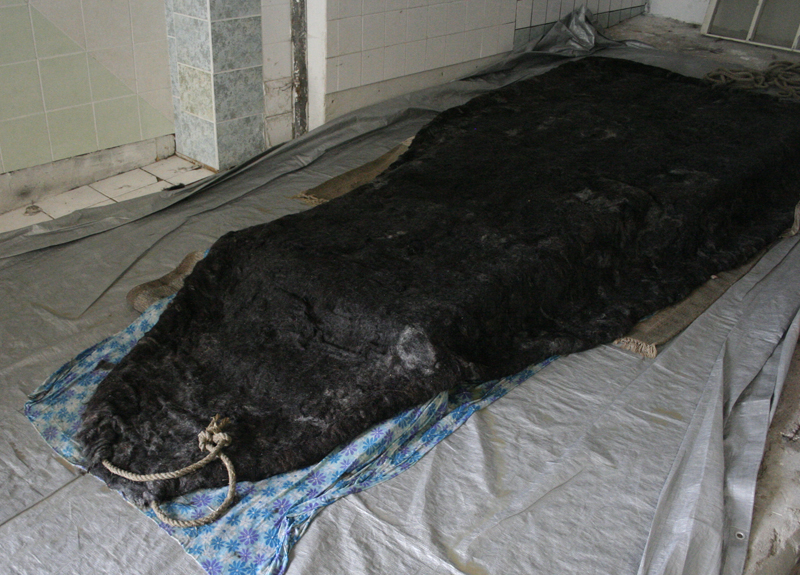
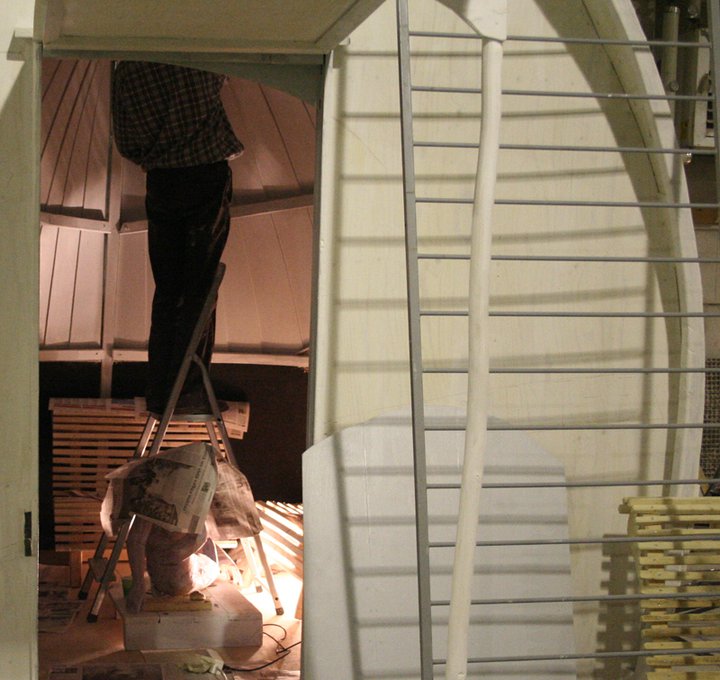
Darkness workshop at Barker, October 4th – 13th; all photos by Reino Koivula

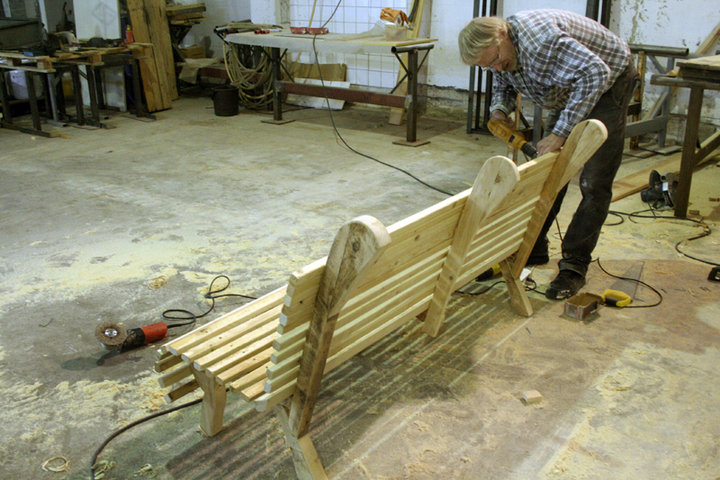
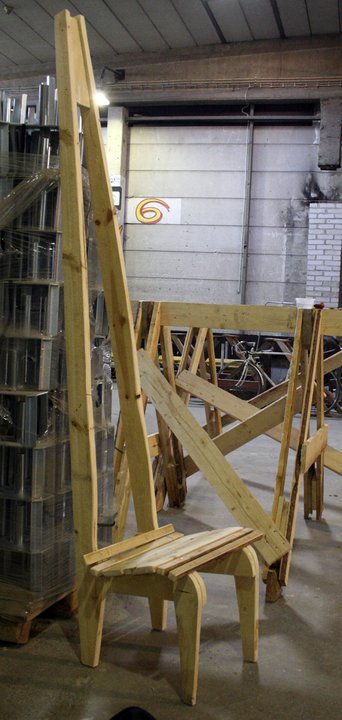
The chairs and benches of Simo Helenius may look simple, but sitting upon them makes you a queen, or king – sitting position is upright, yet relaxed; leaning your back to them, you feel the chest opening up and breath deepening. I had to ask Simo how to make them… upon which he produced three more for Terrastella, inbetween working with his own Bow.
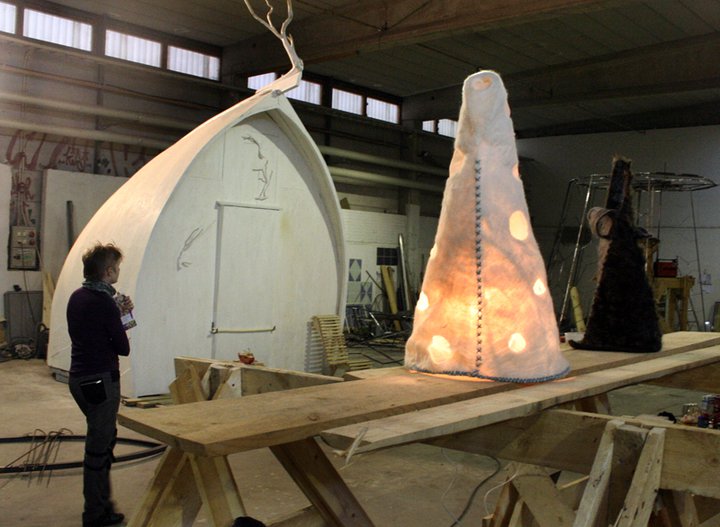
One day, art student Josefiina Kiikka shows up. She did her summer project felting with me in July, and since then she has continued on her own. Now she brings two felted lampshades – a dark mouse and a white bird shape. Together with a tale, they too will come to stay in the cot.
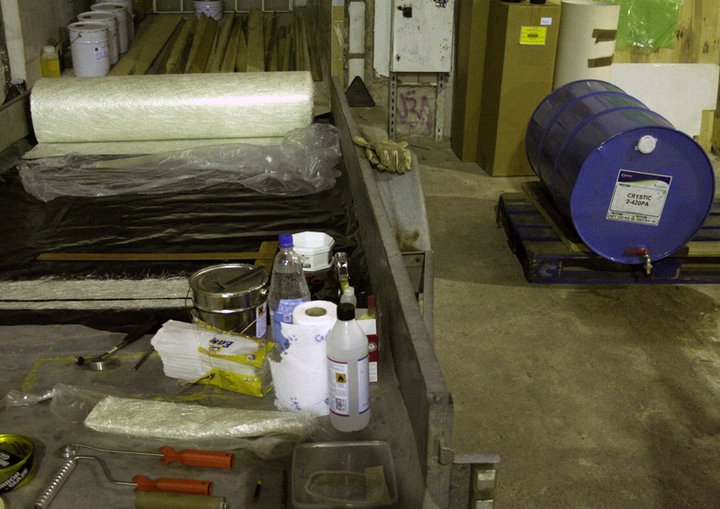
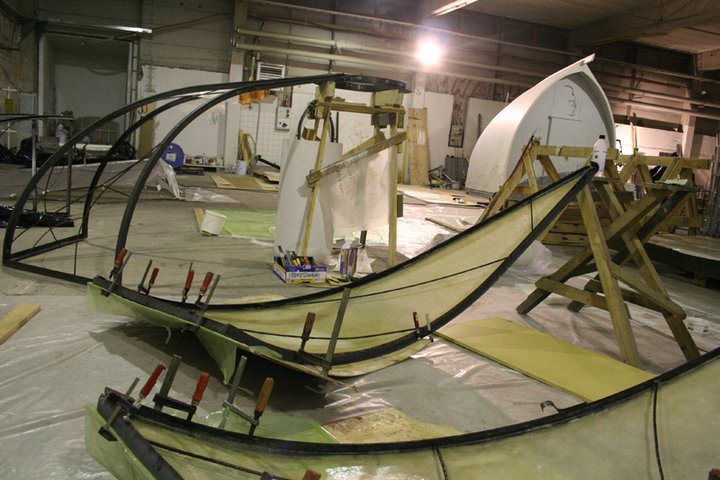
In GRP moulding we proceed by steps, learning by trial and error… but time is running out.
How to handle the balance between quality, time and economy here? In addition to earlier support, Terpol company now offers professional help in glassfibre works, which I very gratefully receive.
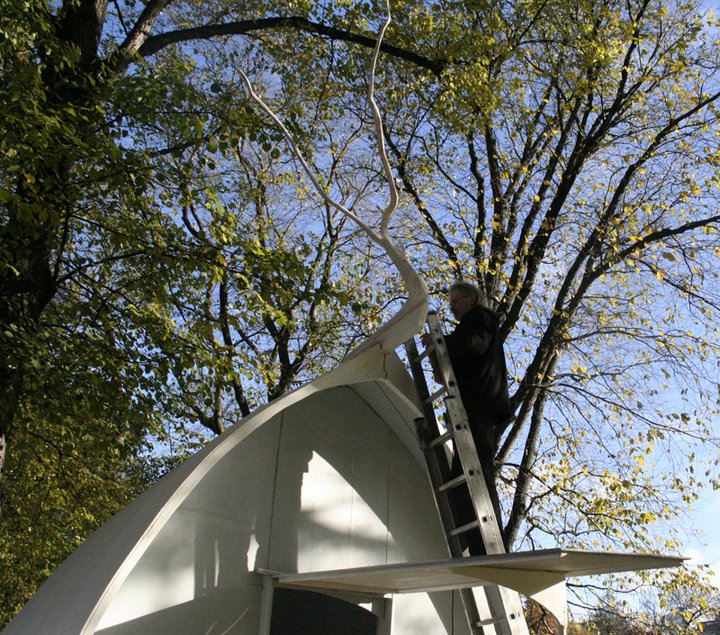
On Thursday October 14th, Simo’s Bow cot is installed by Aura river.
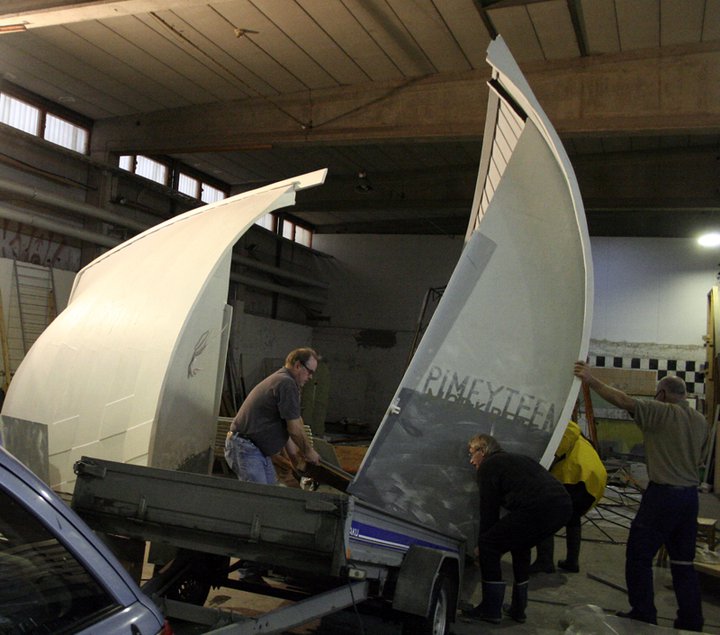
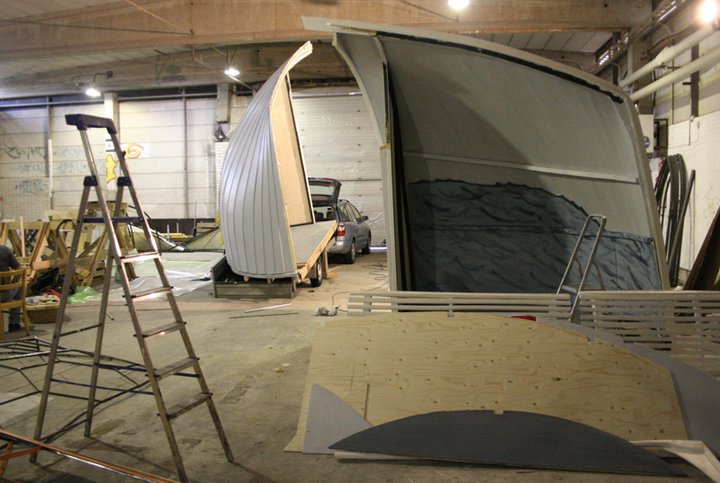
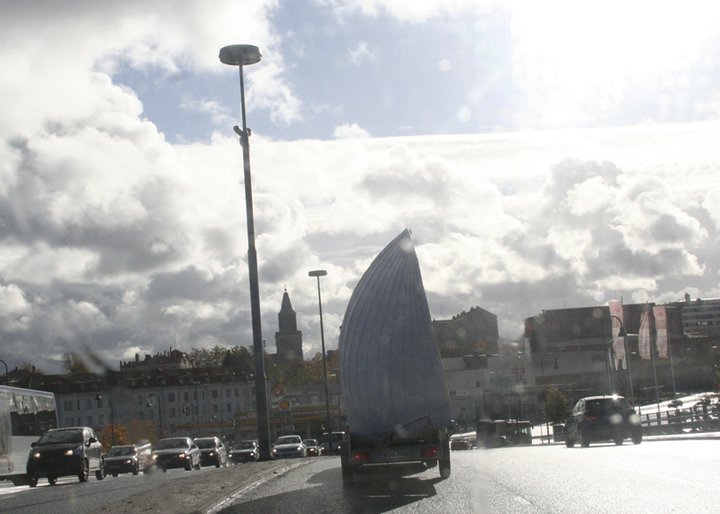
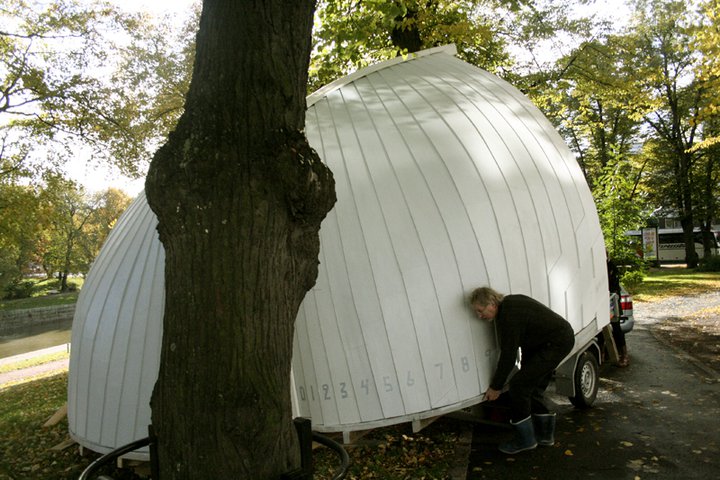
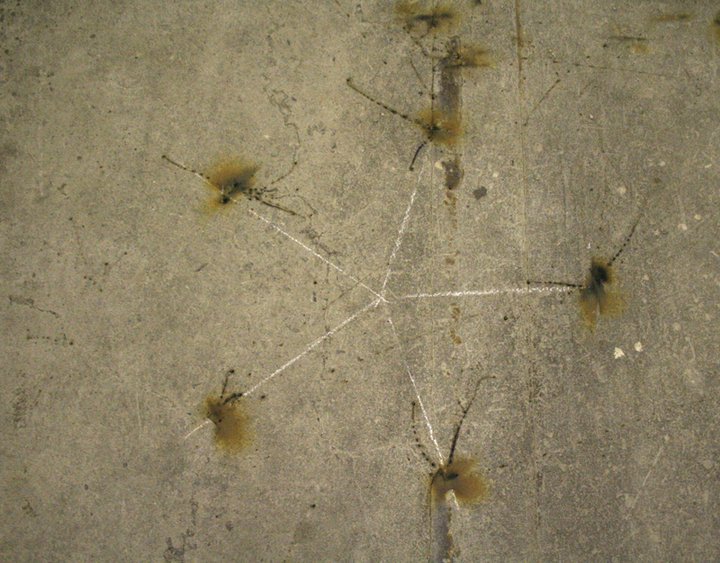
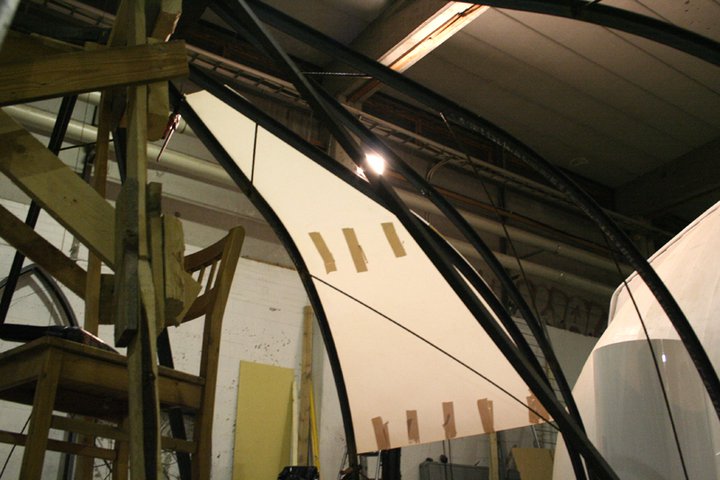
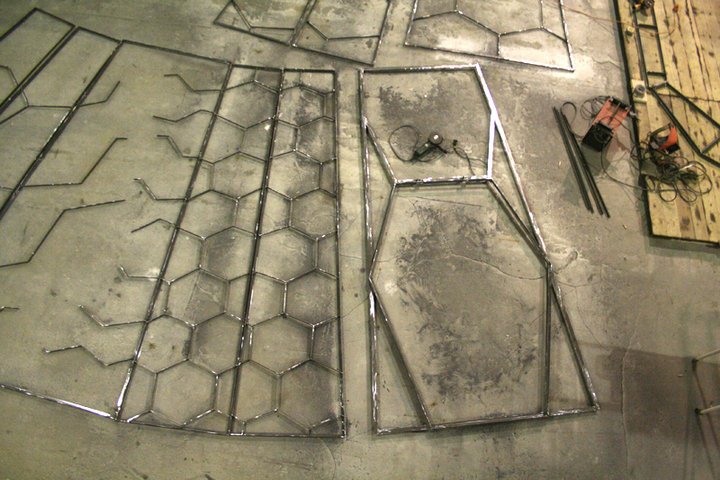
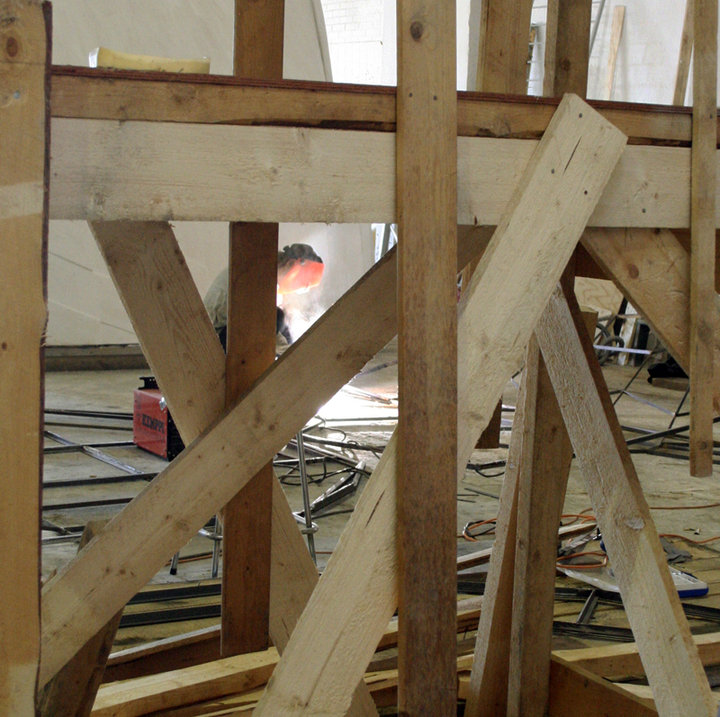
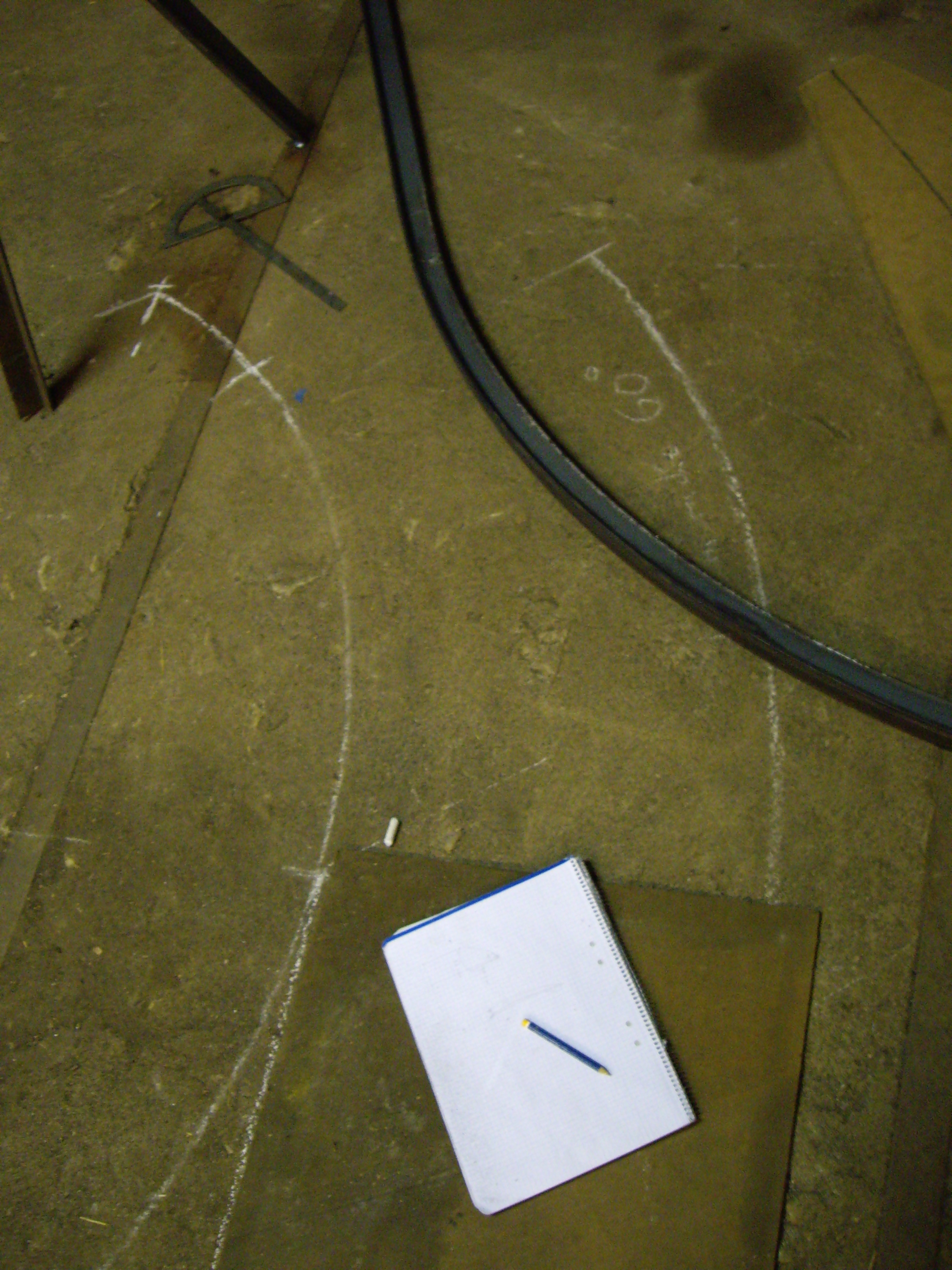
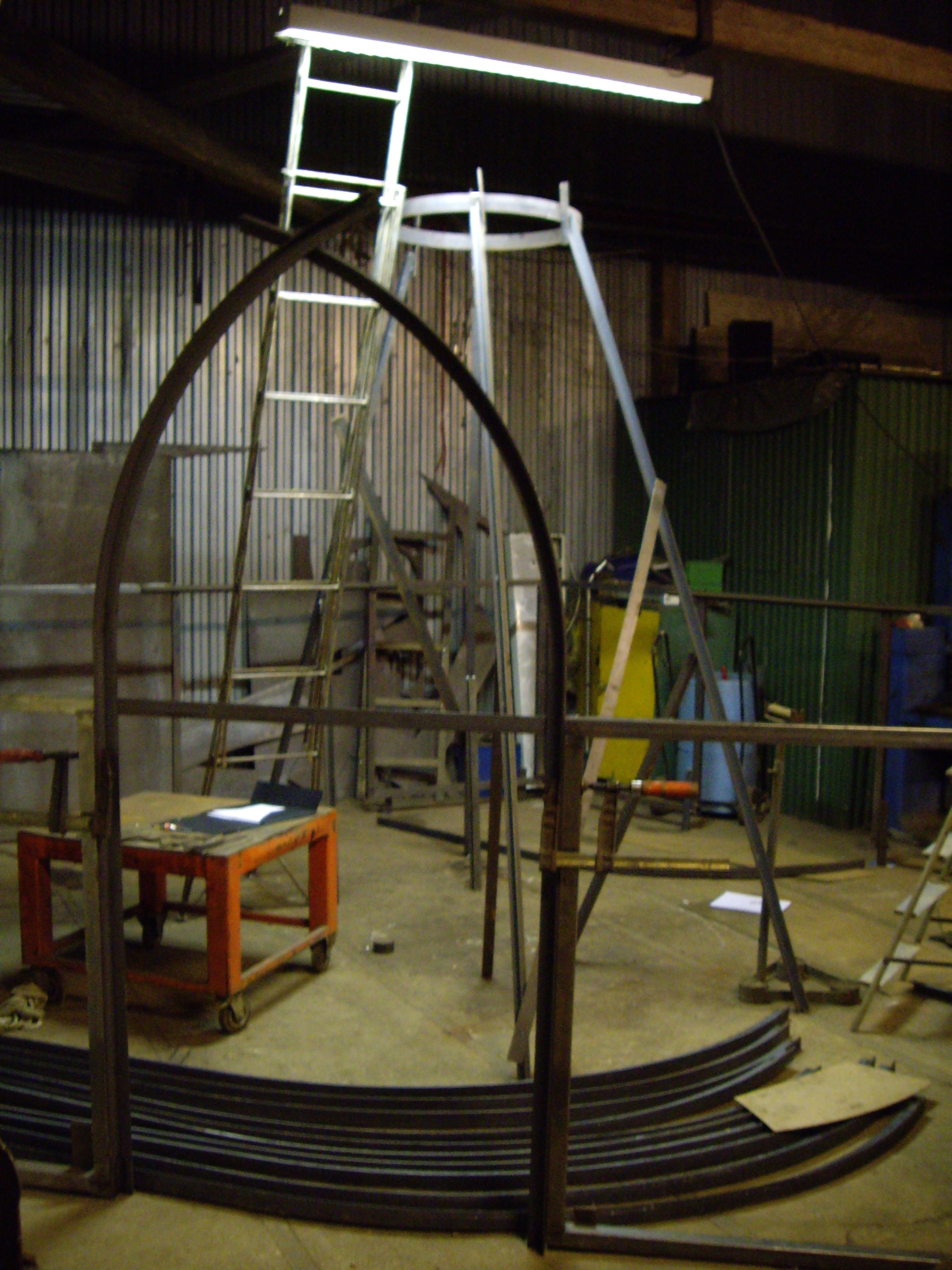
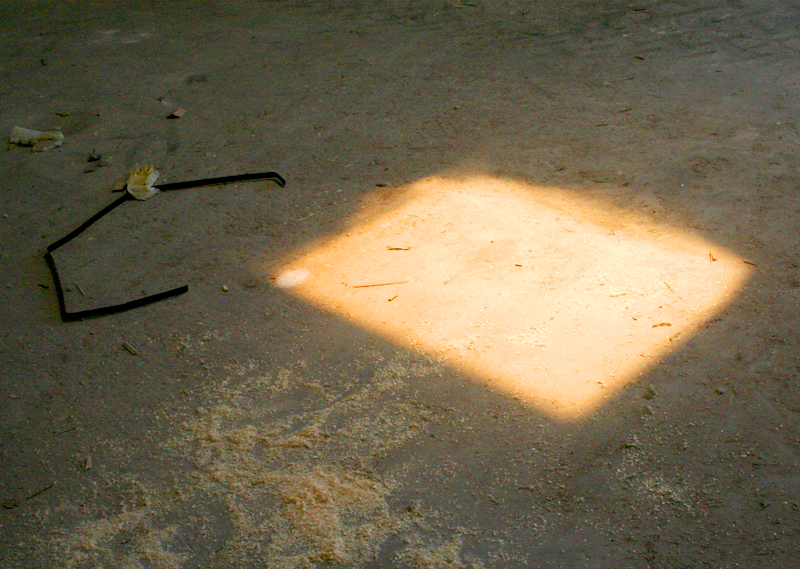
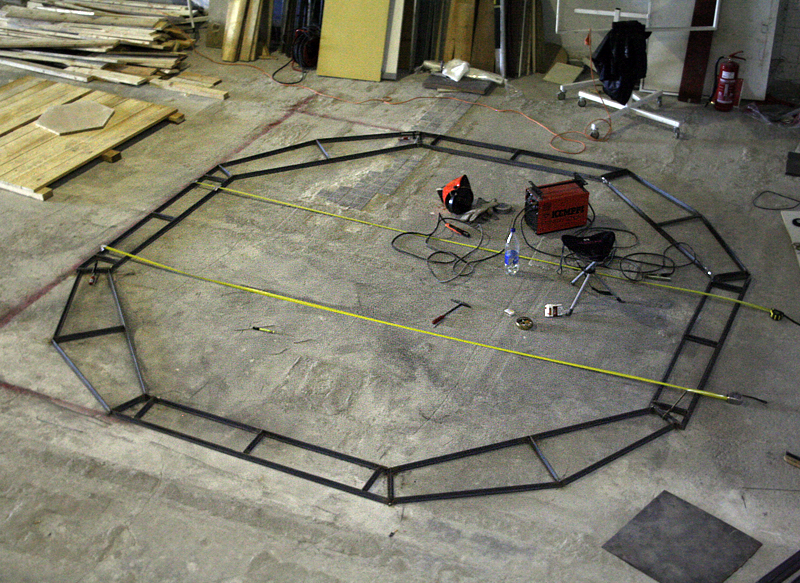
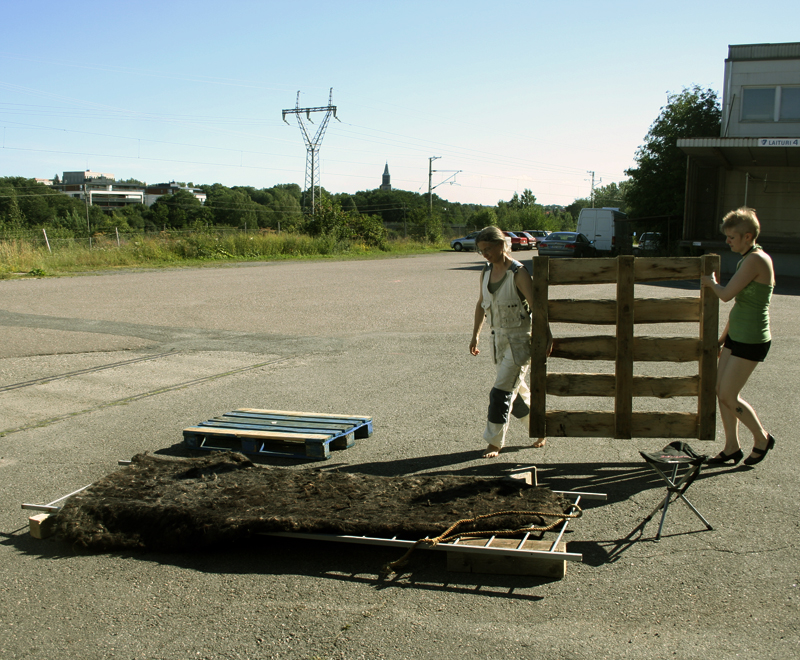
The Bow installed by Aurajoki, and welding tracks on workshop floor; all photos by Reino Koivula
Return to Darkness XIV

art, recent work

polyester works: Terrastella wall sheets and mould constructions for roof parts;
all photos by Reino Koivula
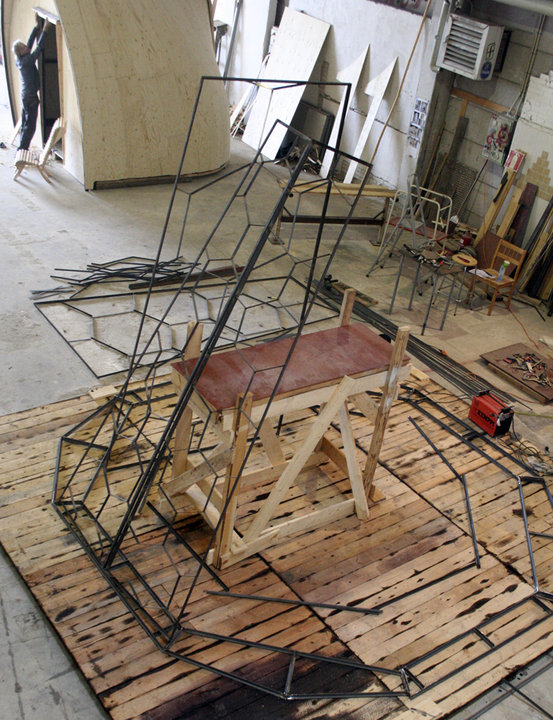
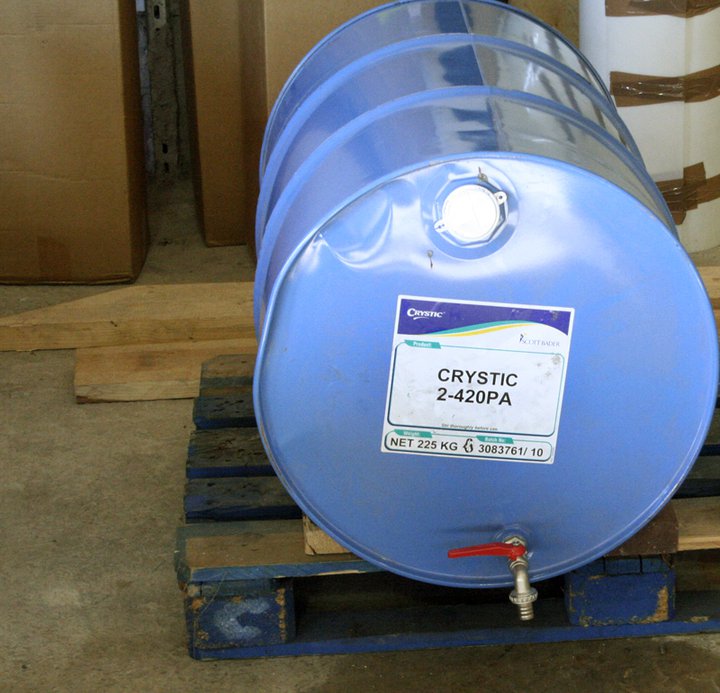
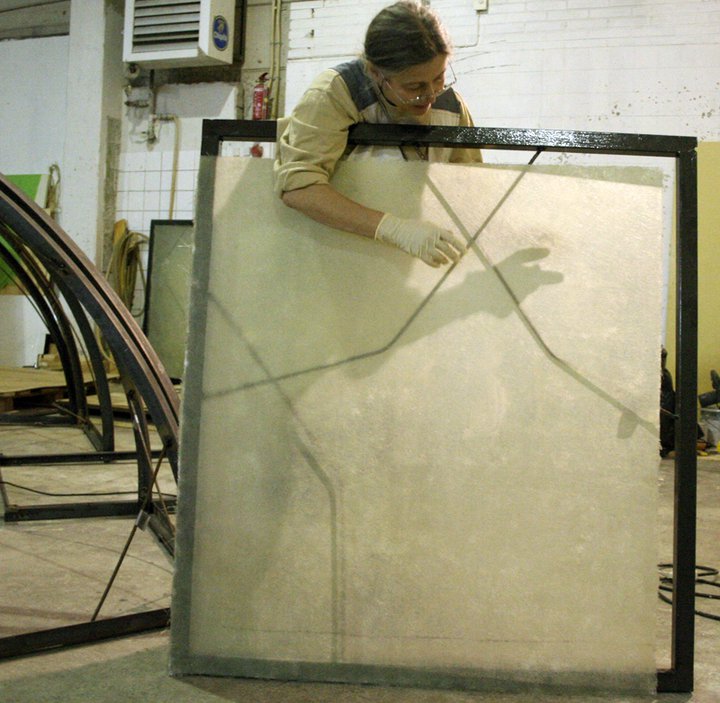
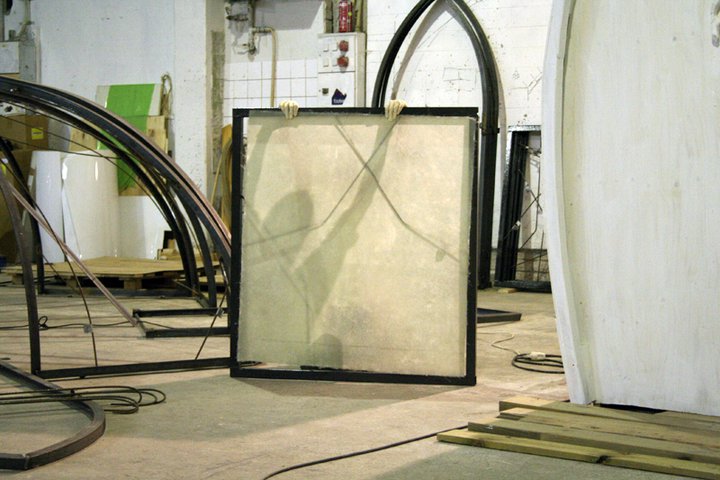
So, yesterday we turned the thermostat up to 18°C and finally started the GRP (glassfibre reinforced polyester) moulding. Carefully following the instructions of our tutor Matti Suominen, I laid out the sheets on flat plywood surfaces – three times waxed – then left them to cure for 24 hours. Today, the GRP sheets could be removed to fit into the iron frames.
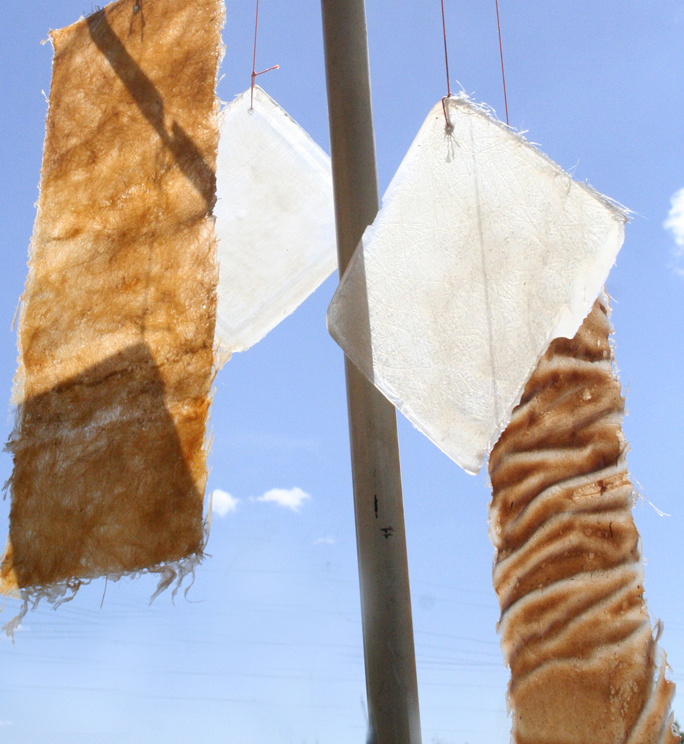
The result is far above expectations; the material diffuses light much like Japan paper, and has a slight but distinct tint of its own. I find it beautiful – it will turn our cots into large lanterns.

Reiska’s clear polyester moulding; photo by Reino Koivula

Return to Darkness XIII

art, recent work

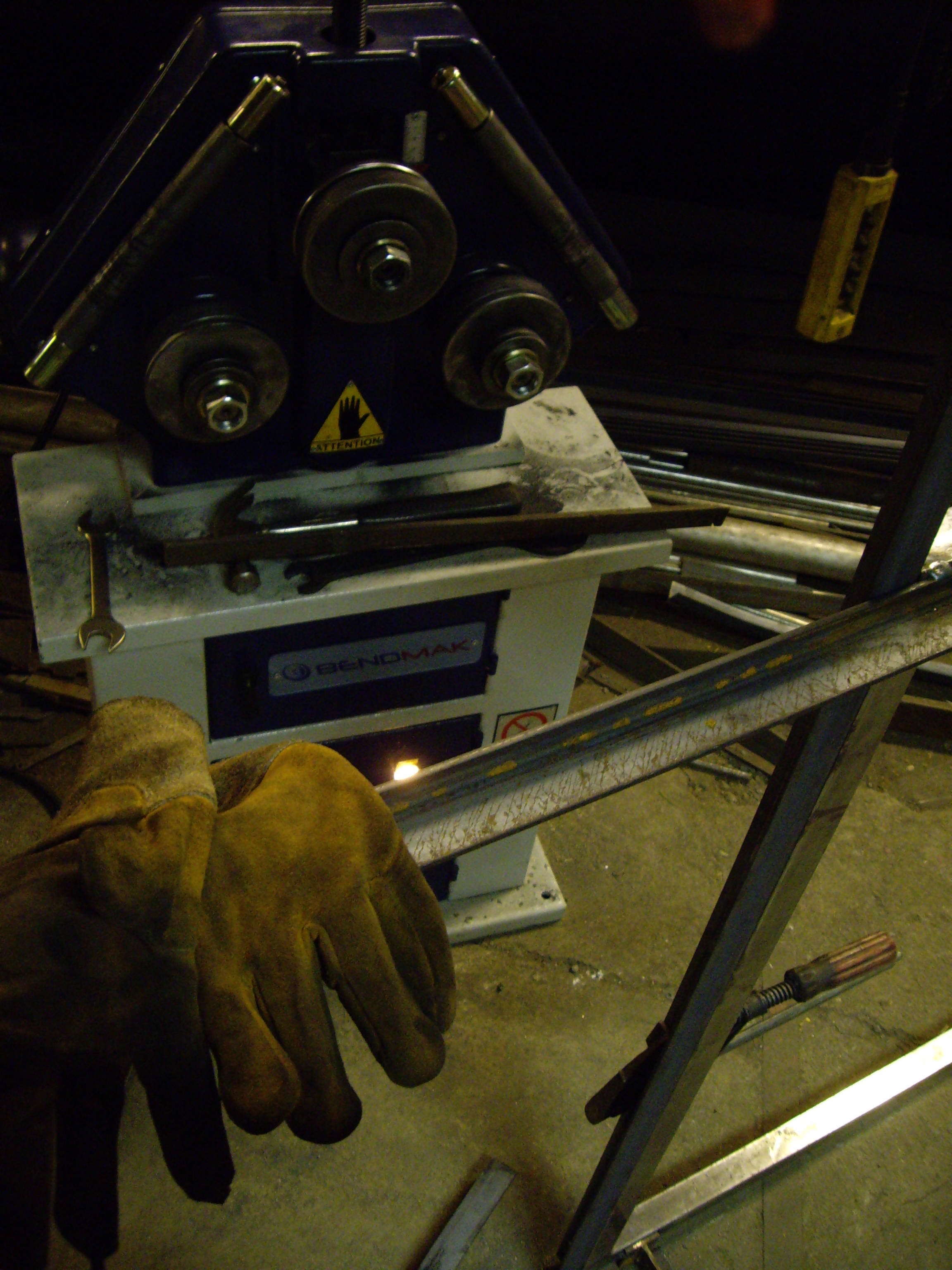
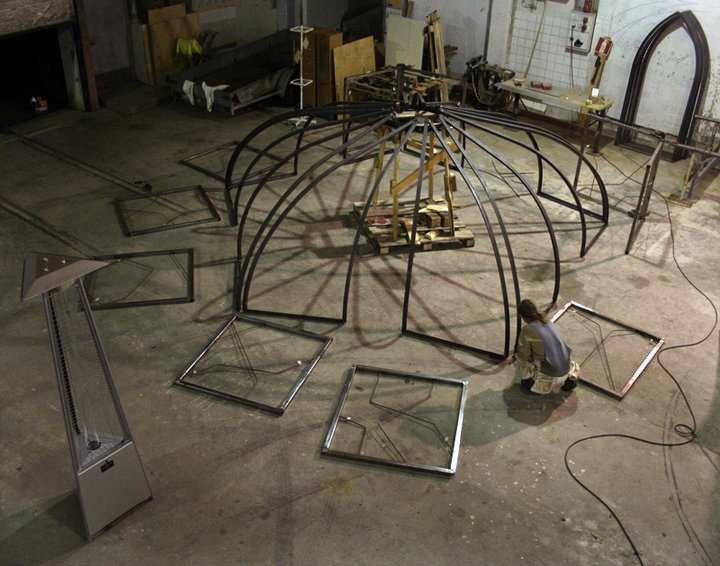
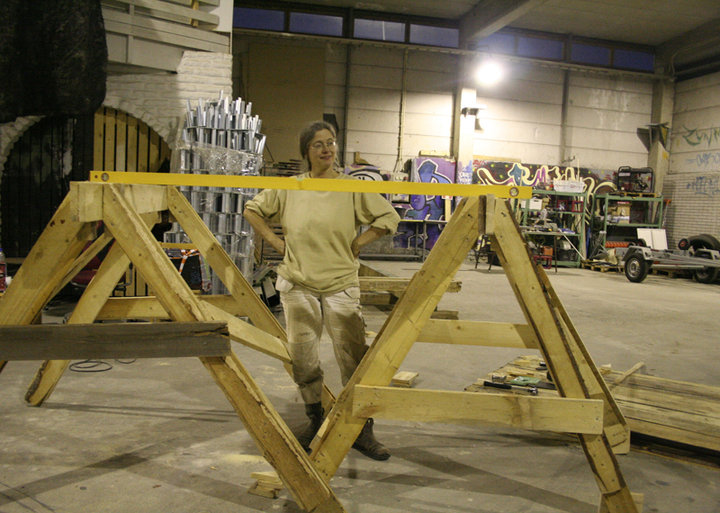
The ten last days of September passed with the wink of an eye; again I’ve been bending armoury irons and attaching them to the frames with the help of Reiska and his welding set, making two large trestles for the raising of the cot, working out all those little necessary details… too involved with the material world to be present on Internet, and no problems in falling asleep at night.
Yesterday, a construction engineer visited us to check the stability and durability of our structures. QC passed for all three cots.
As most of the welding works are done by now, it is possible to start the moulding of glassfibre walls. Today is Polyester Day.

making glassfibre samples; photos by Reino Koivula
Return to Darkness XII

art, recent work

Sunday September 19th, by midnight, we finished the Terrastella iron frames in Sören’s boatyard. Another hour or so for bringing everything down and packing it on the trailer, then I had almost two hours’ sleep before leaving to the ferry… on Monday evening, I reached Turku and the Cots of Darkness workshop at Barker, the old factory site by Aura river. Reino Koivula and Simo Helenius have been working there since I last left in July – now Terrastella joins with the Honeycot and the Bow.


all photos by Reino Koivula, except the two showing Reiska himself at work;
I shot those.

For full documentation of the project, see the Cots of Darkness on Facebook:

  • http://www.facebook.com/photo.php?pid=6689574&id=556631290&ref=fbx_album#!/group.php?gid=200151726024&ref=ts
  • light stones, singing voices – back to Zadar II

    art, recent work


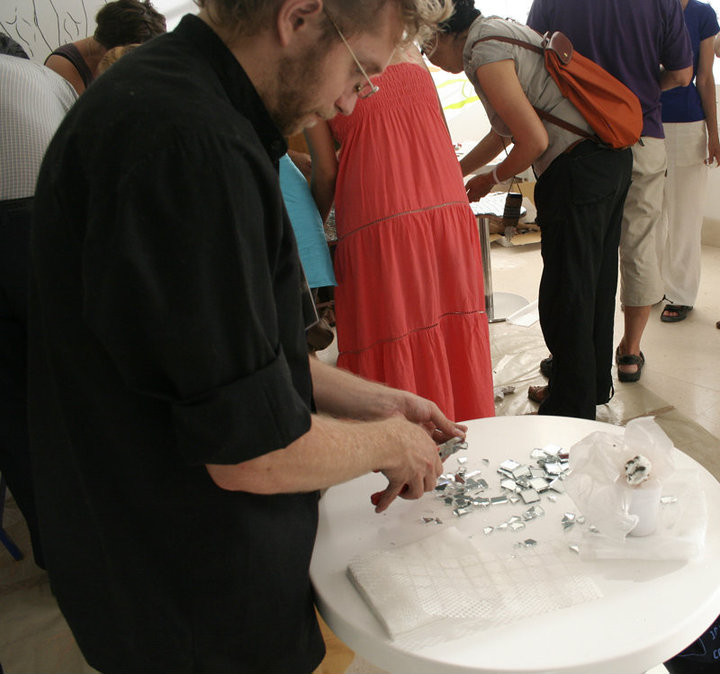
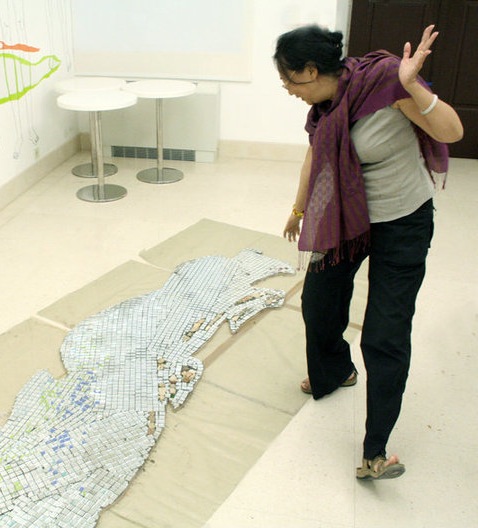
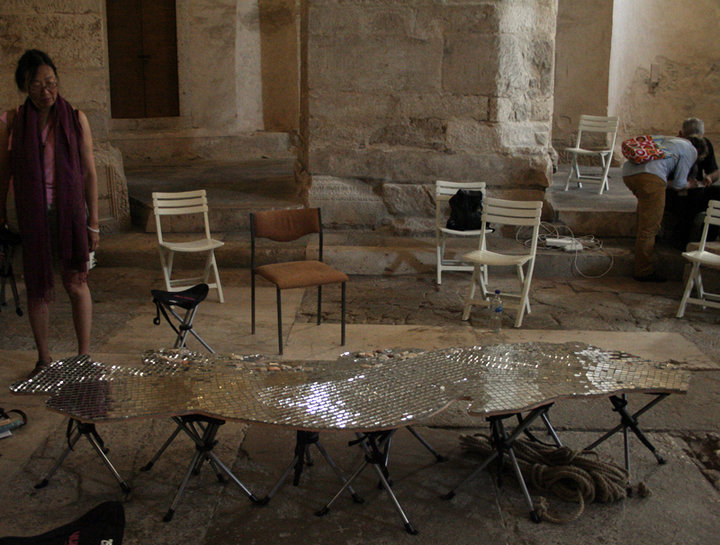
    the Adriatic Table;
    all photos by Reino Koivula,
    except ‘carrying nomadic table 1’ by Raine Johnsson

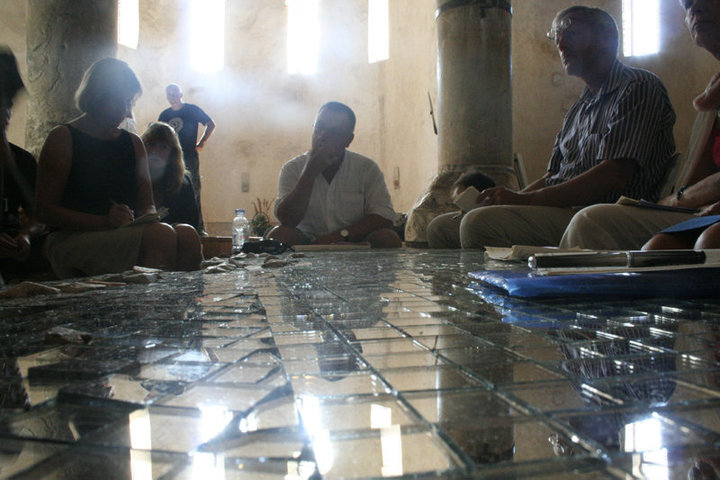
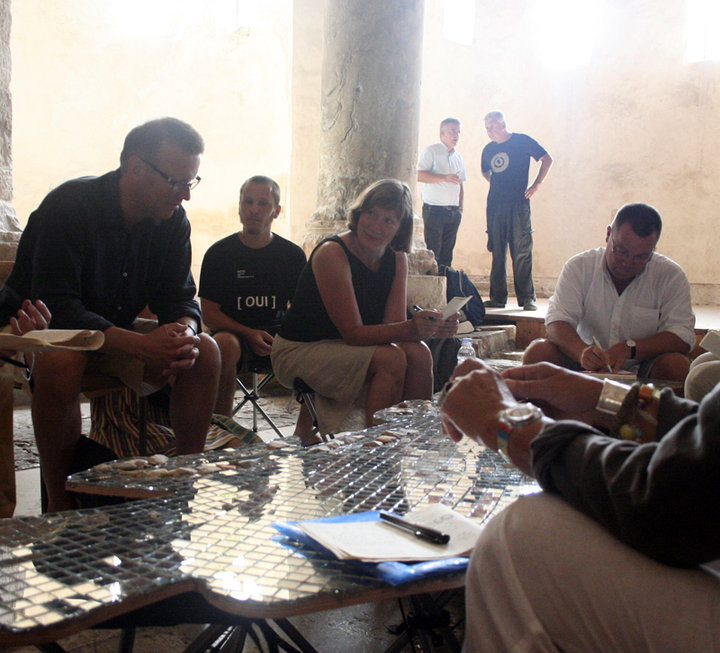
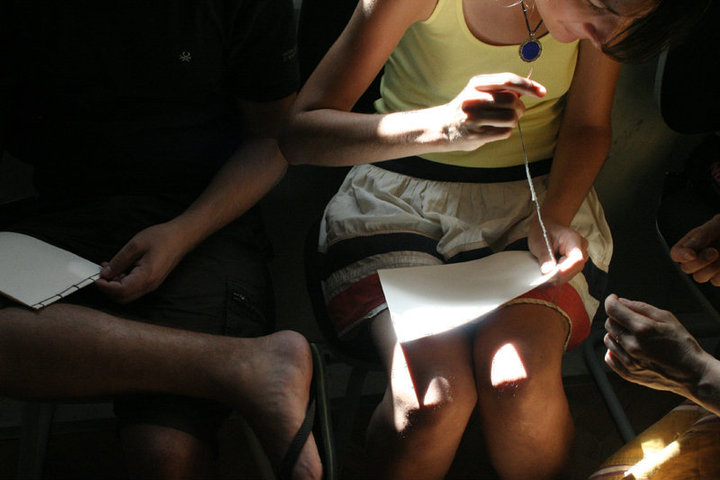
    The Nomadic University makes use of three characteristic kinds of artefacts; notebooks for reflection, the nomadic chairs for flexibility and a table for communication.

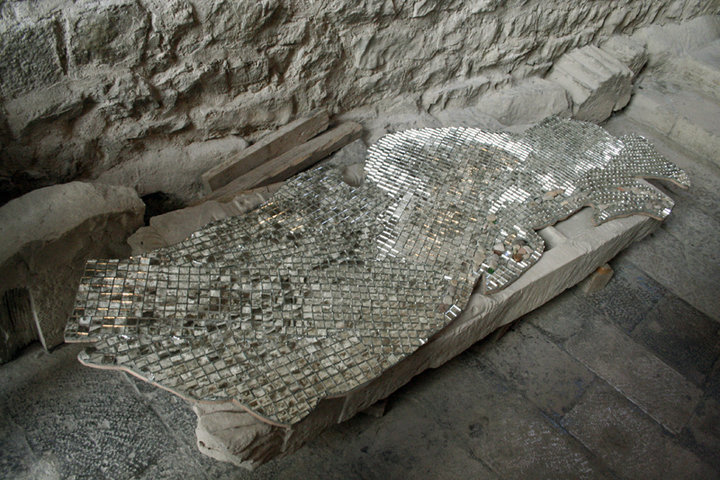
    For the first oases of NUrope, Michelangelo Pistoletto created the Baltic and Mediterranean Tables – made from mirrorglass and shaped like maps of the seas. Since then, those two tables have taken turns to serve nomadic dialogue in several European cities.
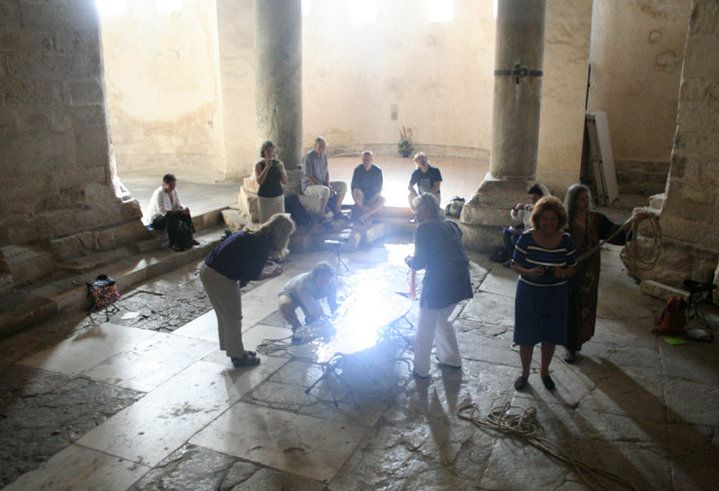
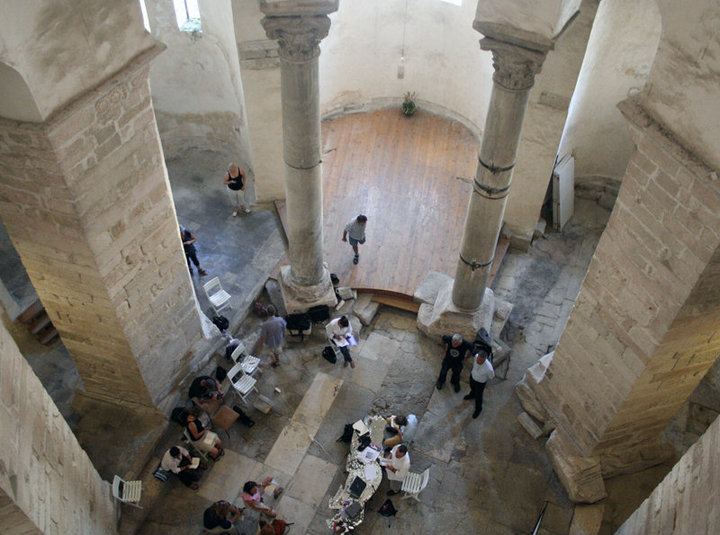
    However, during this oasis the Mediterranean Table stayed in Cittadellarte, Biella. In its place, and as an hommage to it, an Adriatic Table was created by the Zadar Nomads. The Zadar Museum of Ancient Glass hosted the workshop, and afterwards the table was carried to the former church of St Donat where we gathered around it for the last day’s programme.

    Oasis completed, the University of Zadar received the table as a gift from NUrope.

    light stones, singing voices – back to Zadar I

    recent work, time-out


    August 23 – 27, 2010:
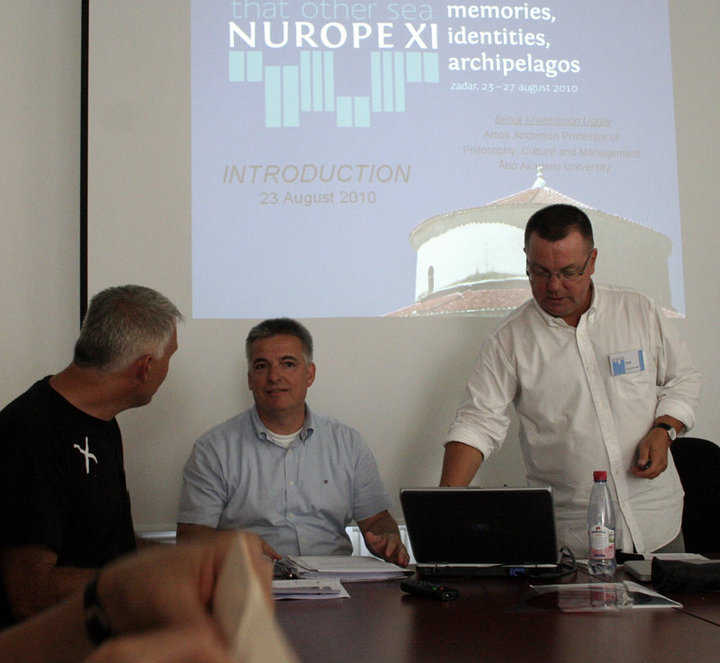
    NUrope XI, That Other Sea – Memories, Identities, Archipelago;
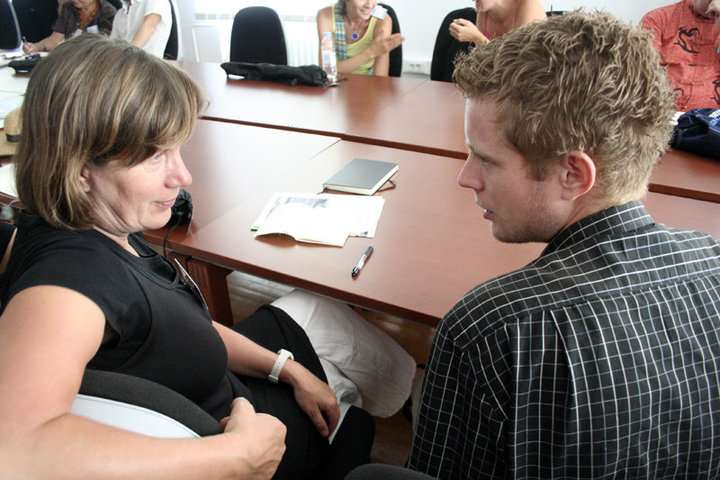
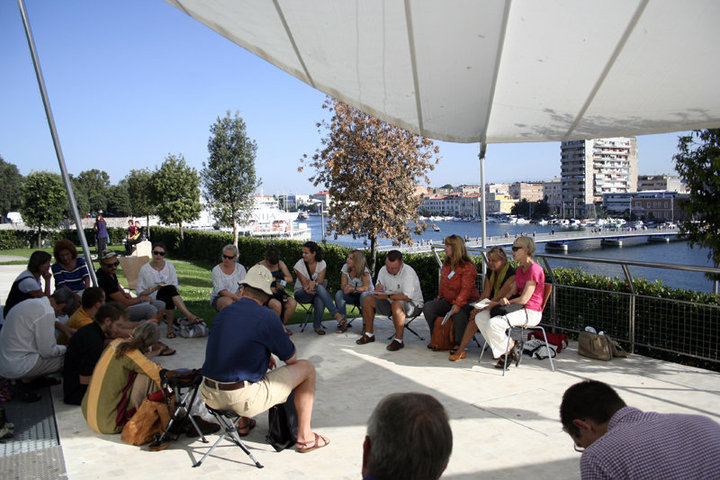
    all photos by Reino Koivula.

    Another oasis of the Nomadic University accomplished.
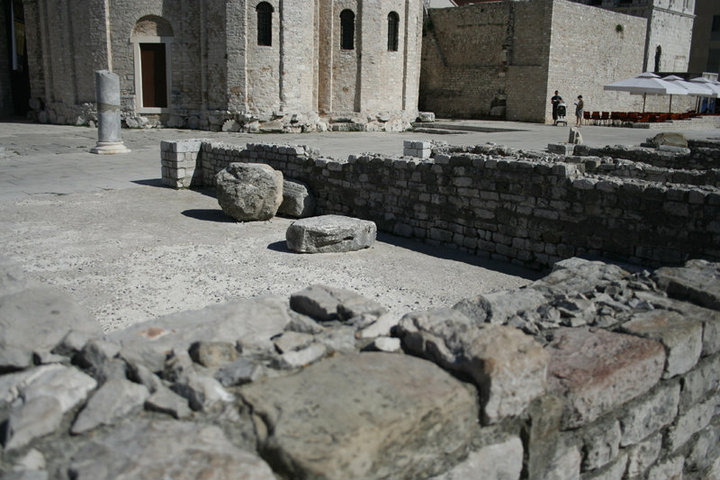
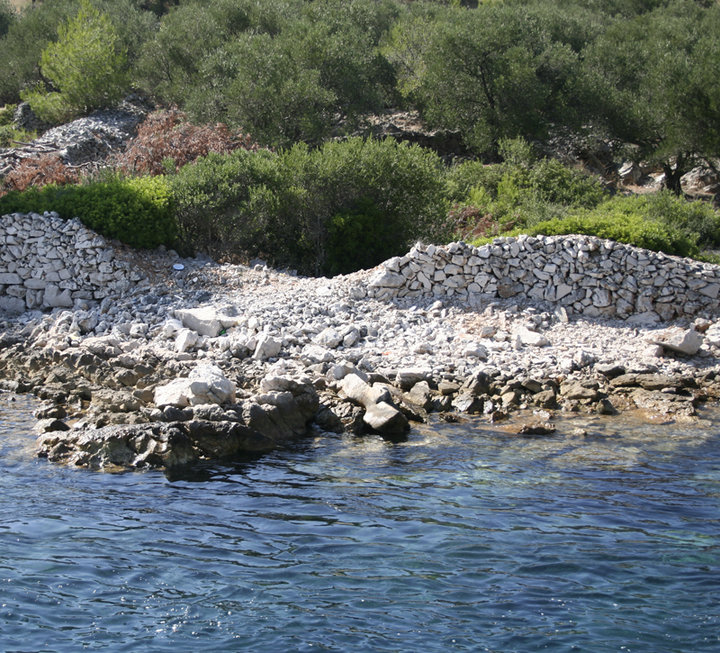
    Zadar, a city floating with light; as everywhere, one can sense tensions between a specific heritage, linking to the past, and changing traditions; and between Nomads and locals, the here-and-now qualities of collaborative encounters.
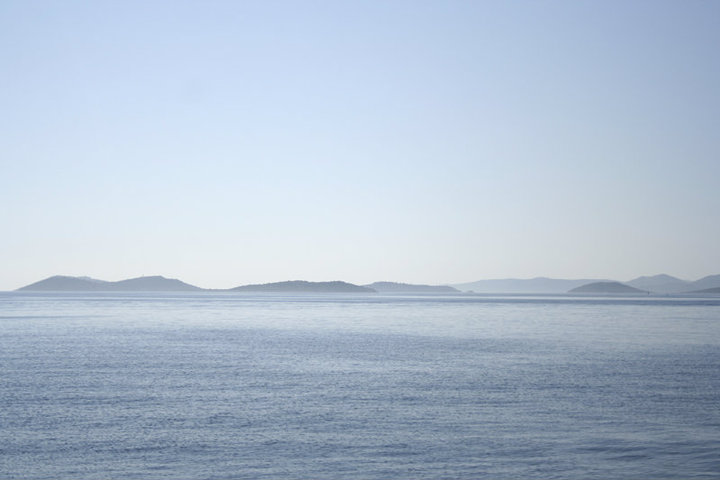
    And the sea.


    Return to Darkness VIII

    art, recent work


    Reino’s honeycot under construction; photo by Reino Koivula
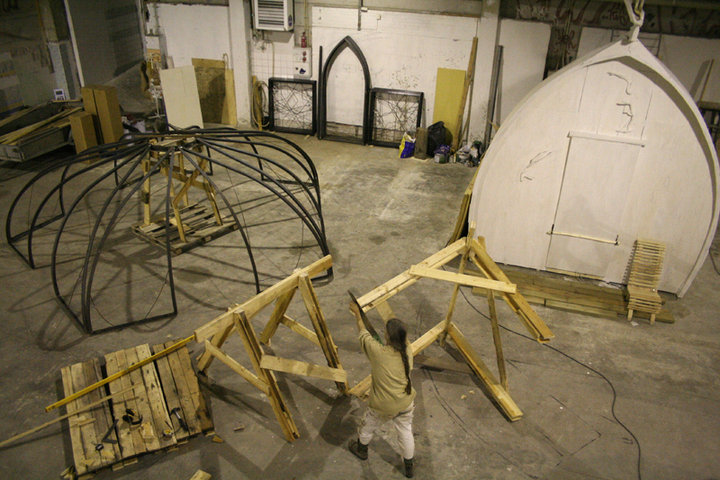
    Back at Barker by Aura river; Reiska is welding the bottom part of the honeycot, and making a level wooden floor for further construction.
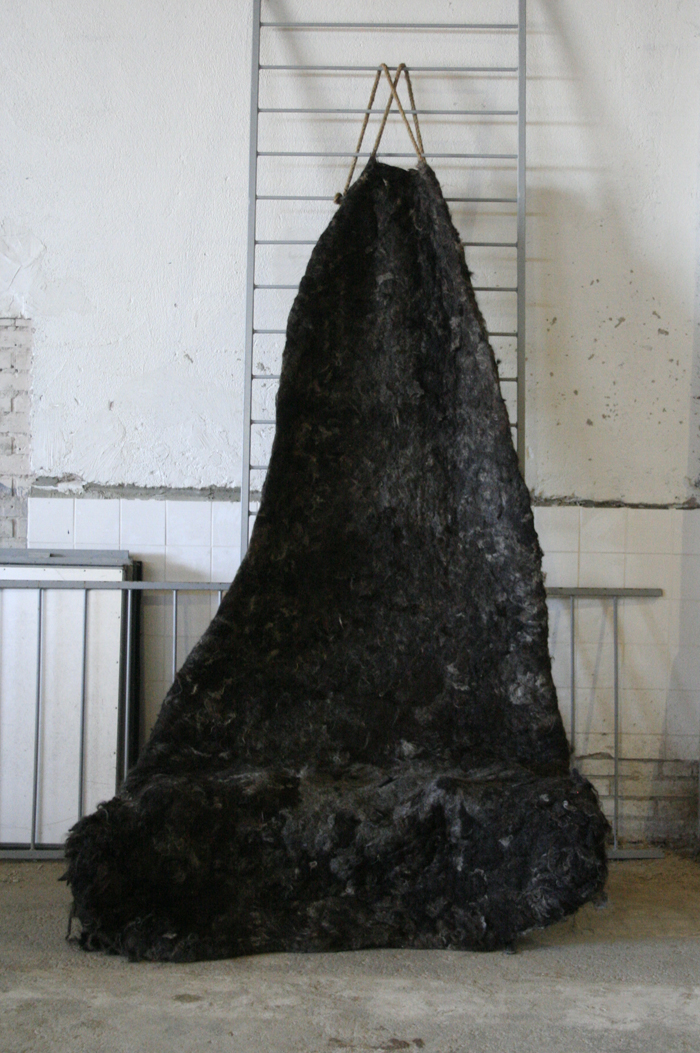
    The rug we felted last week was still wet on my return, but dried by sun and wind yesterday.

    another sunny day; photo by Reino Koivula
    The wool I use comes from a local sheepbreed of Western Sweden – värmlandsfår – kept by Kerstin Danielson and her husband Bo, who live and work in Stockholm. Most of the year, this flock is grazing in a large park-like meadow in the outskirts of Stockholm, but for their summer holidays Kerstin and Bo bring them to the countryside.
    The wool comes in colours which Kerstin describes as “black, graphite-grey, chocolate brown, chestnut brown and silvery”, and is extremely apt for felting. Furthermore, Kerstin cleans and combs her sheep before cutting the wool. The hides are packed separately, with the name of the individual sheep written on a slip of paper. So, we choose and mix between pitch-black, silver-tipped “Mats”, whose hair is coarse like the mane of a horse, greyish fluffy “Johanna” or silky coffee-and-milk brown “Karin”…
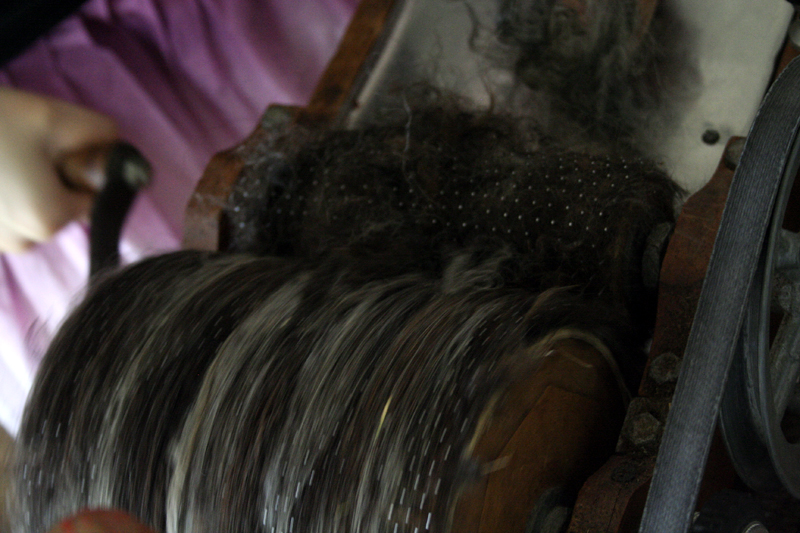
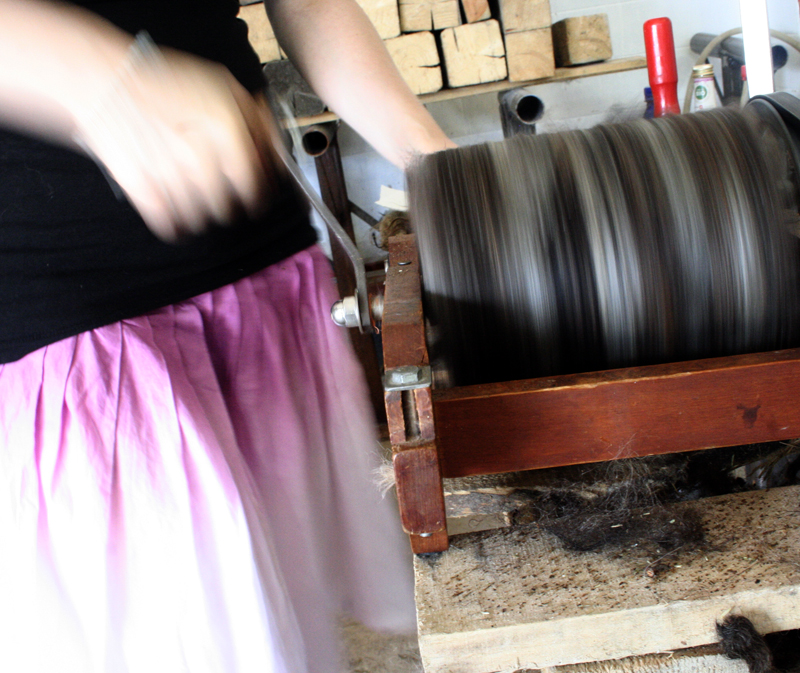
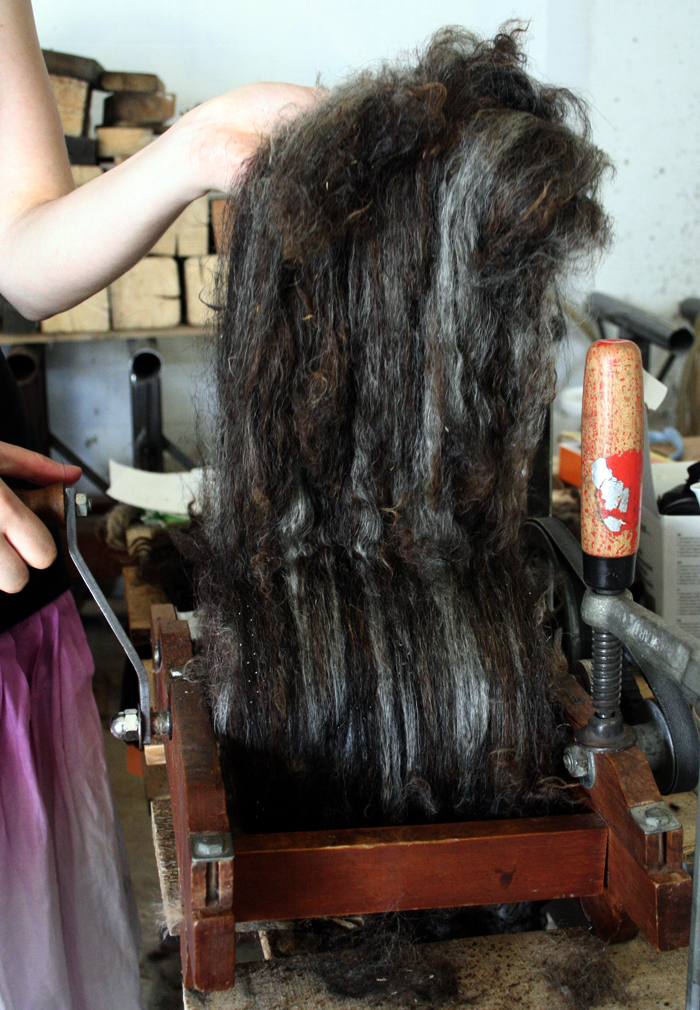
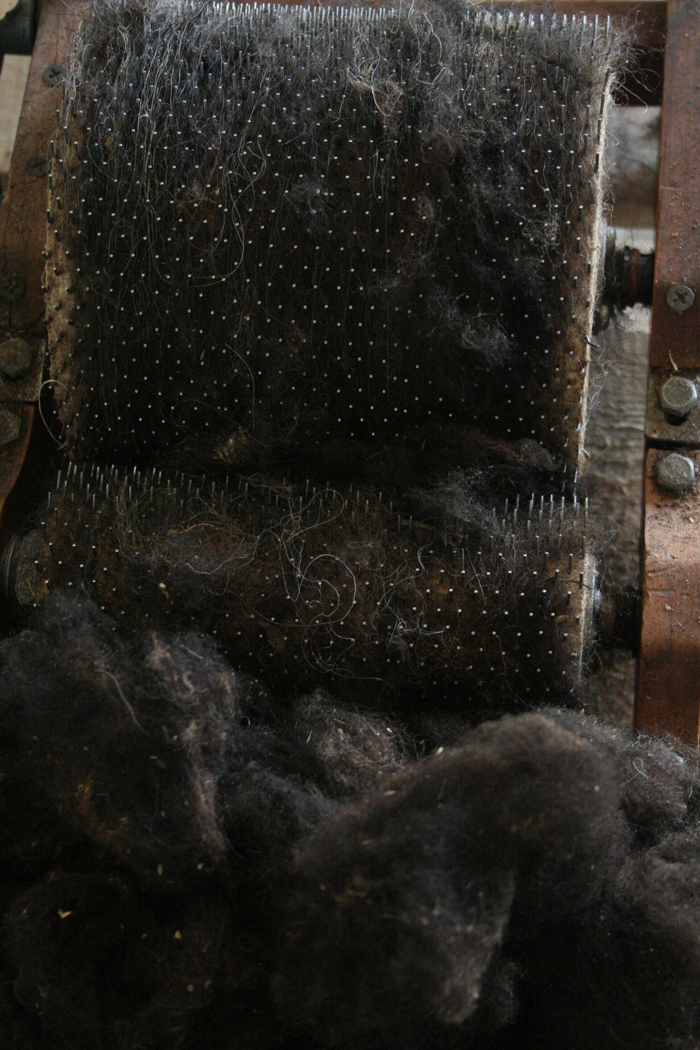
    From Sweden I brought a hand-driven combing machine, kindly lent to me by Lena Hansjons – thanks, Lena! Now Josefiina and I take turns with it, and I start laying out the second rug.

    Lena’s combing machine; photos by Reino Koivula