Imago Mundi I

art, recent work, time-out

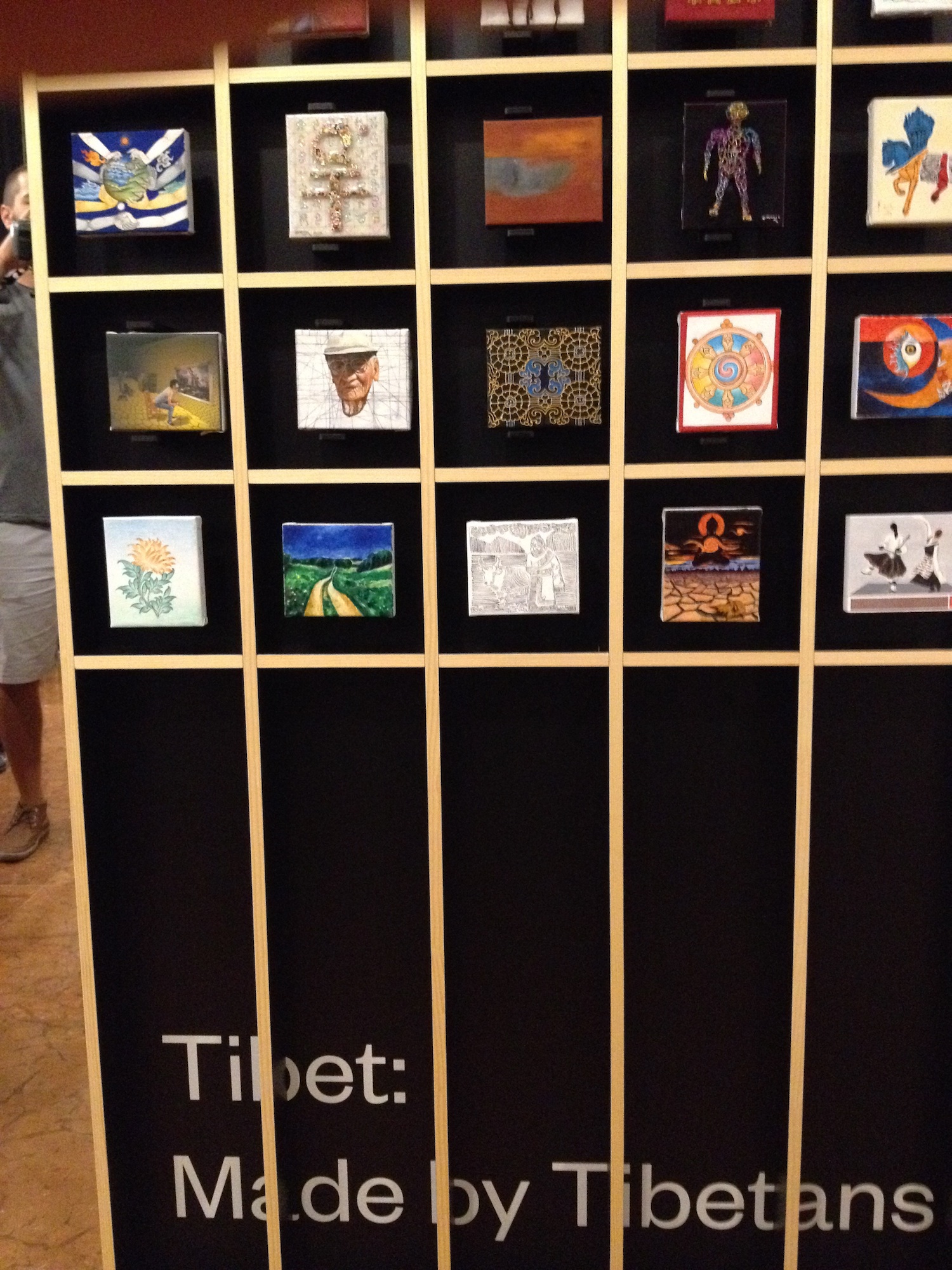
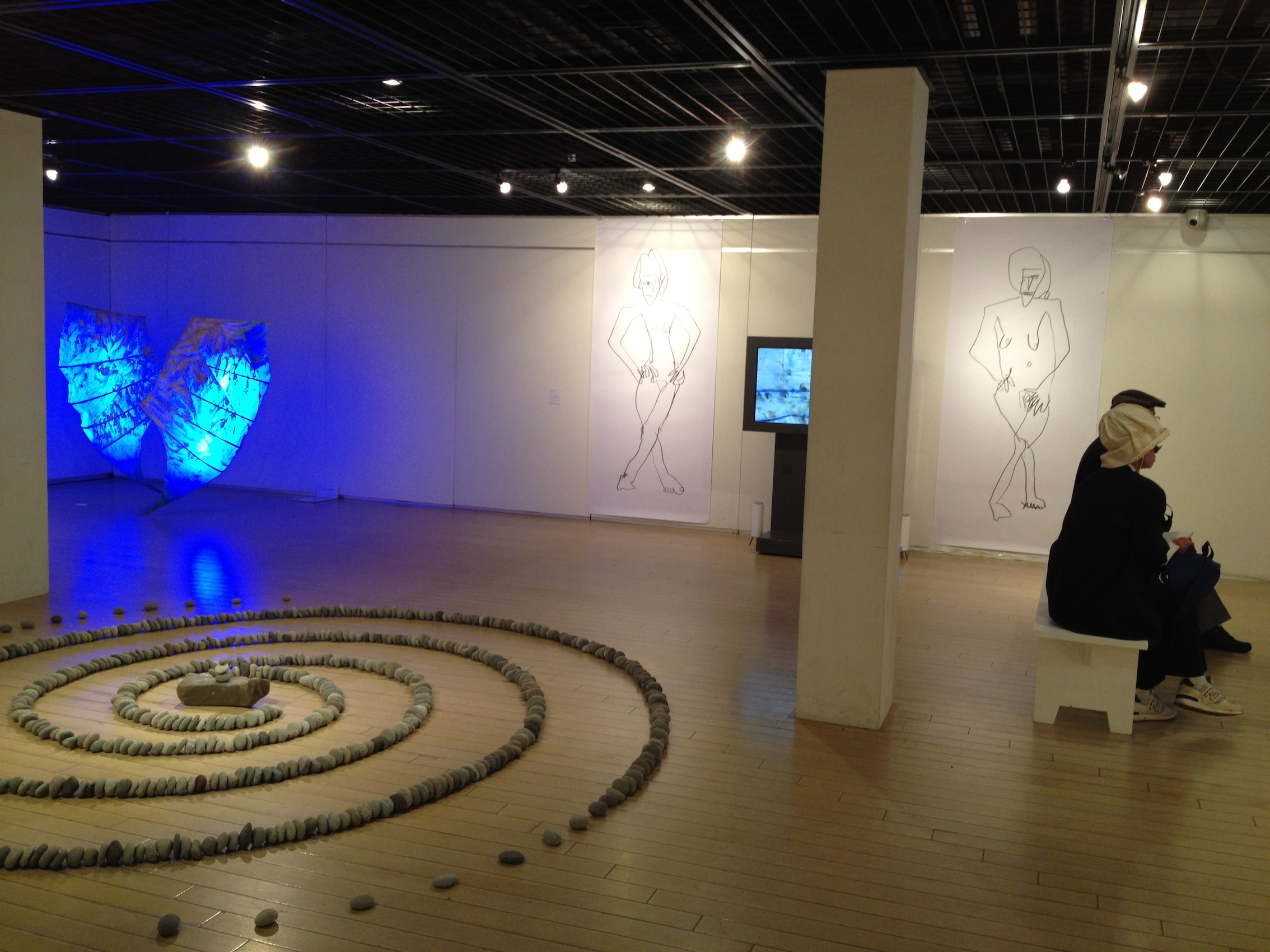
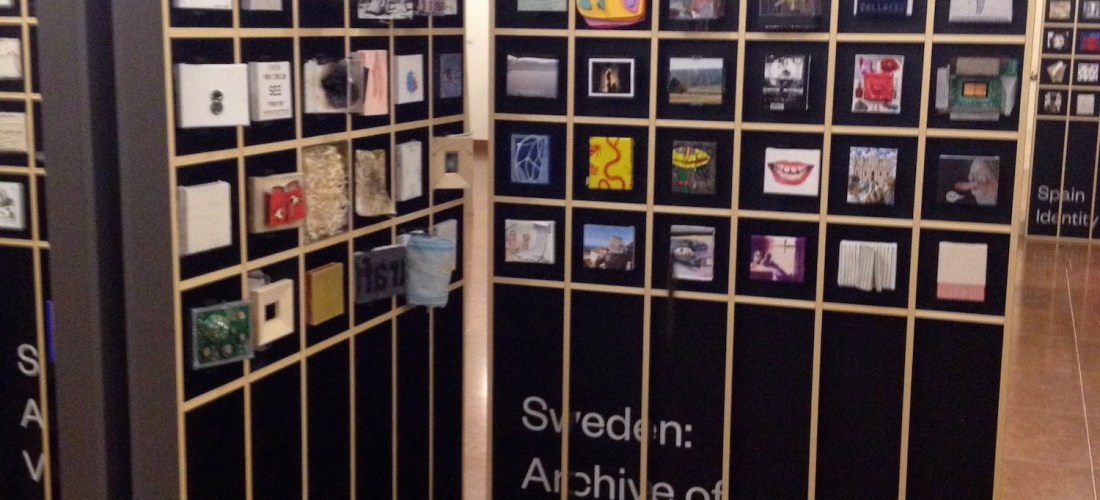
The format of Imago Mundi is strict: each curator is contracted to collect a number of representative works from a defined geographic area – usually a nation, but sometimes a group of countries, a single city (Vienna) or a native territory such as the Kalahari. Each invited artist receives a framed canvas 10 x 12 centimeters, and is free to alter it by any chosen artistic technique; the result has to fit into the pre-designed display system, though. Each geographical collection is given a title by the curator. I remember some of them, holding an open or concealed statement: Syria Off Frames; Israel/One; North Korea, A Unique Country; The Andinian Gaze; Tibet: Made by Tibetans. The Swedish collection is presented under the title Archive of Visions and Actions – a very apt one.
Although the conditions of this project may well be questioned from several aspects, I find the body of artworks not only overwhelming by quantity but also surprisingly interesting. But a press review isn’t really the ideal instance for experiencing the art… I’ll have to return later.

150831 08b 150831 10b  150831 26b 150831 18b 150831 24b

Opening Day at Fondazione Cini

art, recent work, time-out

150831 21b

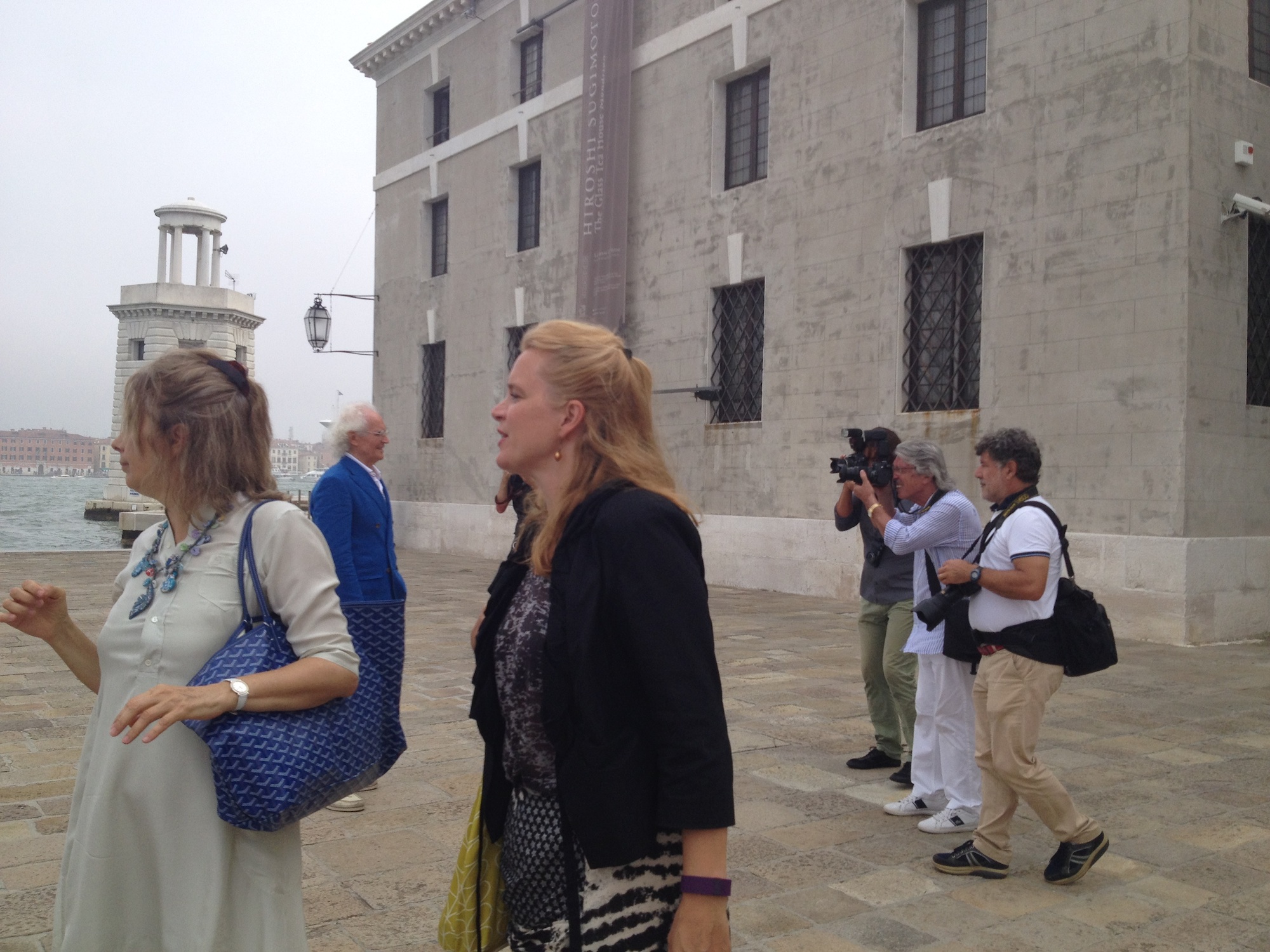
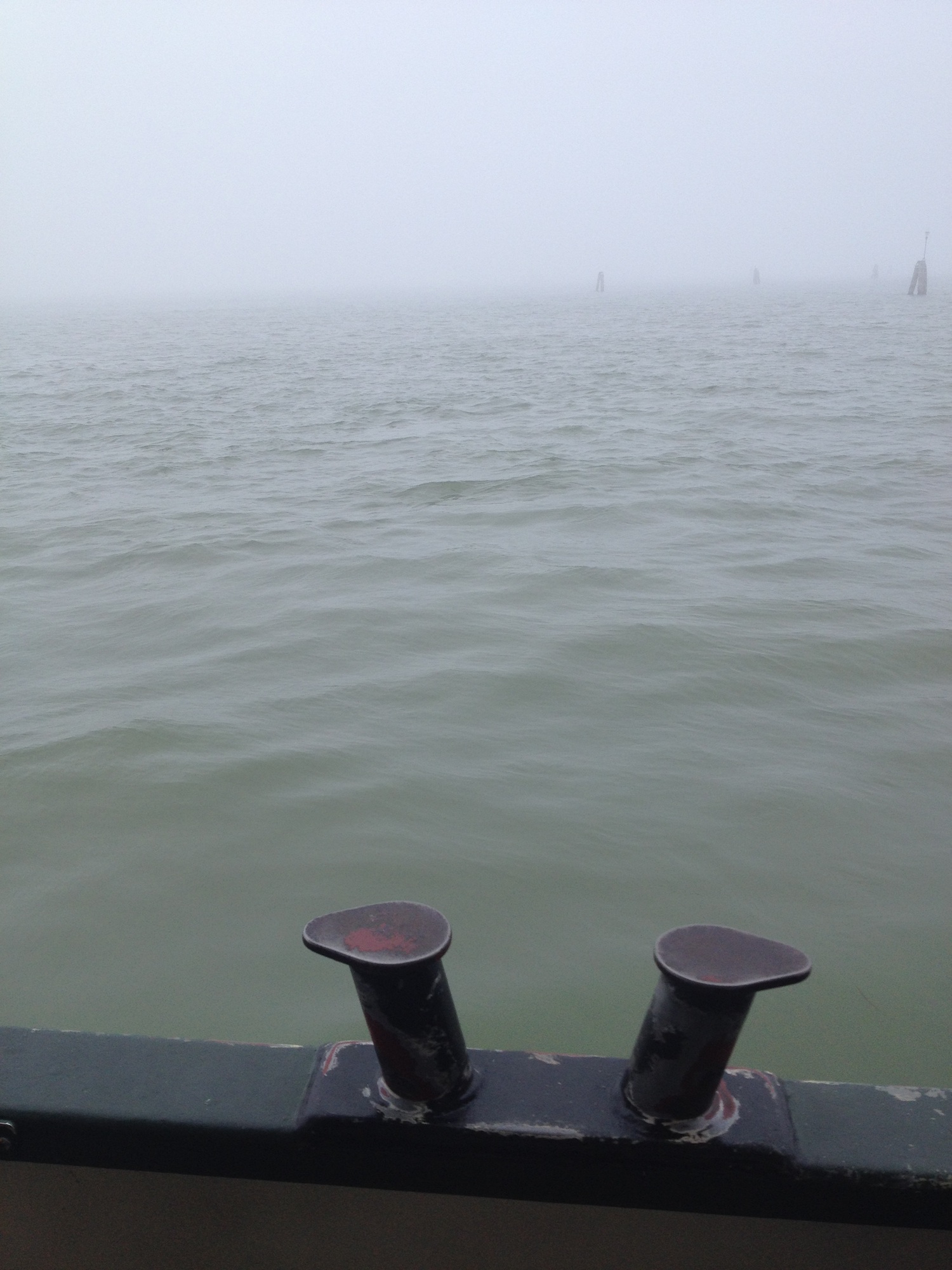
Sitting on the quay at Isola San Giorgio Maggiore, dipping my feet in the water, waiting for the press conference to begin. This is the opening day

150831 20b

for a permanent exhibition of more than 6000 artworks from all inhabited continents on the globe. It’s also a release event for the book presenting the Swedish part of the collection (in which I contribute). Look,

150831 06b

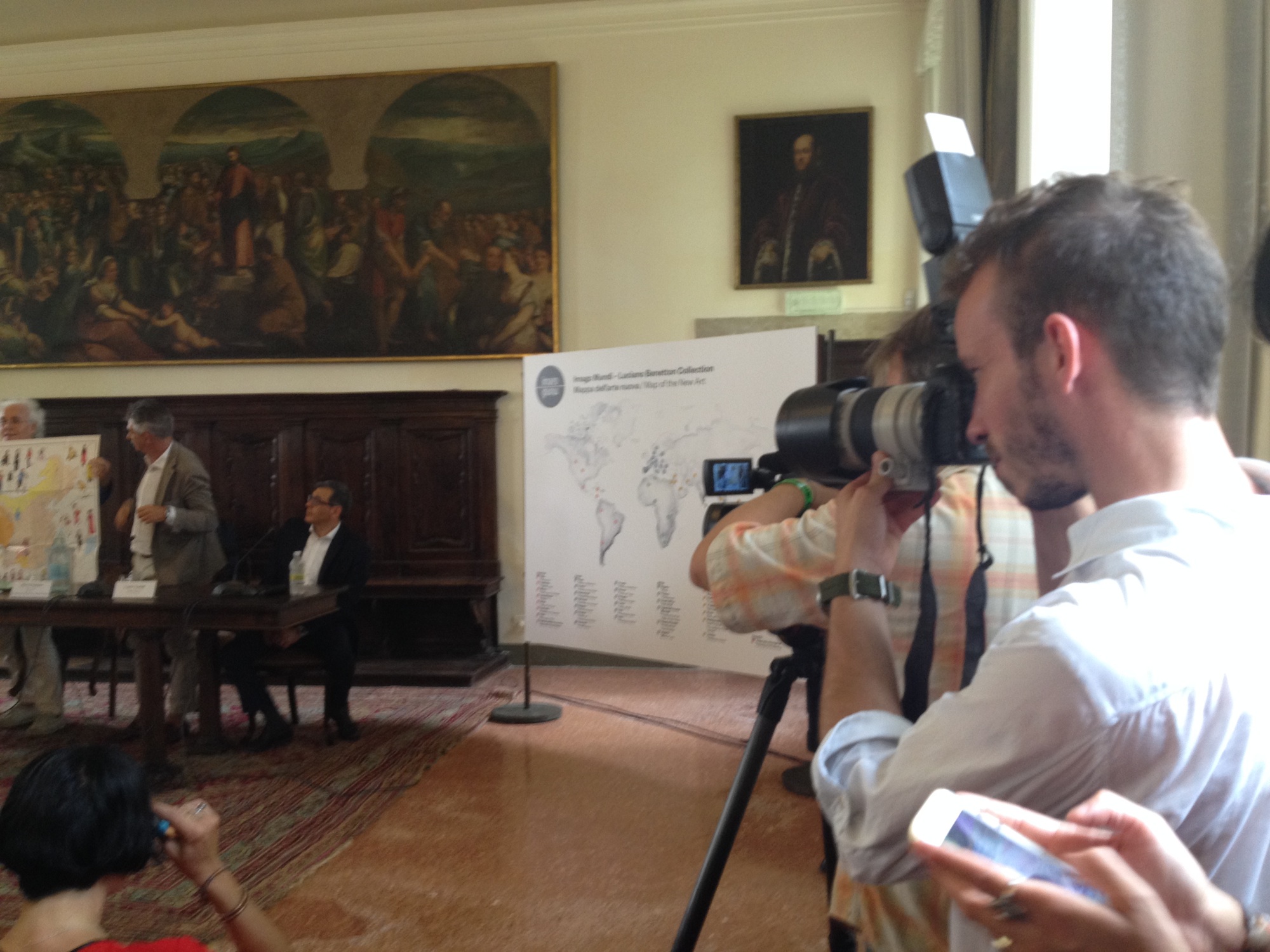
there’s the Swedish curator Paula von Seth. We – the artists – gather around her trying to get a clue, while the photographers are clustering in front of the man in the blue jacket. Photo session finished, he invites us into the Fondazione Cini to present this project of his:

150831 19b 150831 07b

the Luciano Benetton Collection Imago Mundi.
More to follow…

Art Lab Gnesta/Research goes Supermarket

art, curating, recent work, time-out

Art Lab Gnesta monter

Supermarket Art Fair in Stockholm is the annual meeting point for artist driven initiatives worldwide since 2006
At Supermarket 2013, Art Lab Gnesta was represented as an independent platform for artistic research; a story which begun with the course Artistic Research Processes at Konstfack College for Arts, Crafts and Design in 2012. When the course was finished, the people involved wanted to go on – so Art Lab Gnesta opened its doors for their experimental, non-authoritarian research quest. Thirteen individual projects were brought to Kulturhuset, Stockholm, during the days of Supermarket 2013. Here’s an interview (in Swedish) explaining the whats, whys and hows of Art Lab Gnesta/Research:

Riksutställningar intervjuar Helena Hildur

Back from Japan

art, beauty, time-out

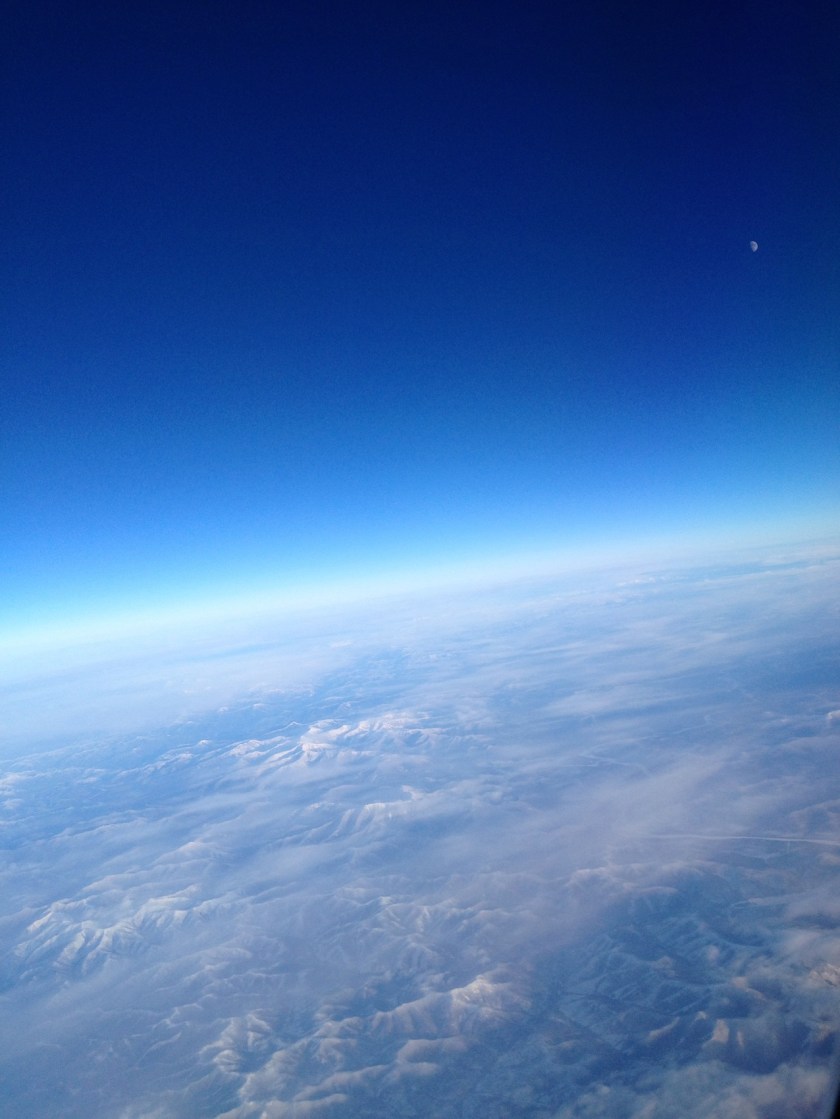
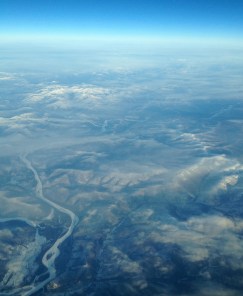
Get up early. Leaving Tokyo from Narita Airport at midday. First passing over red mountain ridges, meandering rivers and roads, then the deep blue for a while. Clear day.

121122 03b

121122 04b

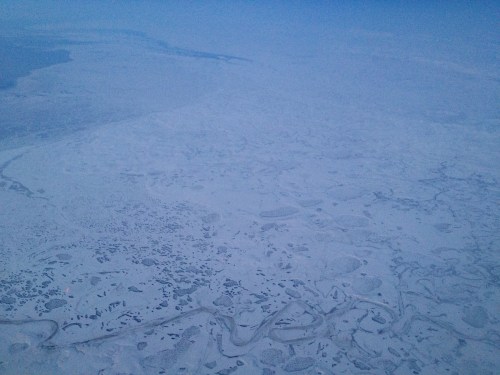
Another shore. Marshlands. Patterns much like marbled paper in old books; running water under ice and snow – going this way, that way.
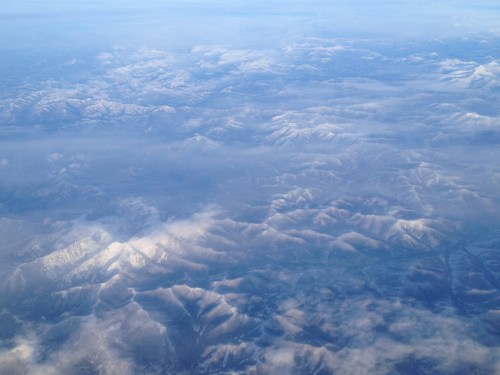
Then the highlands, watershed.

121122 05b 121122 01b
121122 02b

Floating high above Siberia for hours and hours, hooked between the progressing afternoon in Tokyo and Scandinavian morning. An outstretched present, clock jumps back and forth. North of the polar circle; night at noon.

121122 07b 121122 09b
121122 10b

Rivers running north. The surface bears witness of forces working from below, exposed to those working from above. Geology, meteorology. Interface like a text which I can only vaguely guess the meaning of. Sometimes – but rarely – tracks of human activities. A broad, straight road. A military base? A single light shining from the shore of the Kara Sea.
Light, temperature, time; basics.

121122 08b

Hej Tokyo!

art, recent work, time-out

 
121119 03b
121119 02b 121119 01b
121119 04b  121119 08b
121119 05b 121119 06b 121119 07b
Tokyo urban nature; all photos by HHW.

121121 12b 121121 03b
121121 05b 121121 06b 121121 02b
121121 07b 121121 08b
121121 09b
121121 11b 121121 10b
Zenpukuji Park, hosting a community art project with (among others) artists Shoko Miki and Motoko Hoshi;
all photos by HHW.

After some days off in Hakone, Cecilia and I return to the group… to set up another exhibition in another city. The Swedish Embassy in Tokyo has opened their reception hall to host our party for a couple of weeks. Although the hall is large, it cannot compete with the Red Brick Warehouse; so, for want of space, only the Swedish artists are invited to participate this time. Oddly enough, this makes the exhibited artworks appear more disparate, and the exhibition as such is (in my view) a weaker statement compared to the Yokohama version.

Still, the hanging is – as always – an intriguing challenge. How does the imaginary space of a painted surface interact with the surrounding reality of all senses?
How can the spatial arrangement of physical objects result in a resonance of light, proportions and rhythm?

Our Japanese colleagues – whom we now think of not only as professionals, but as true friends – are incredibly supportive; most of them spend the whole day working for our benefit. The embassy staff are welcoming and helpful, too, and the positive atmosphere stays as the opening night turns into a hello-and-goodbye party. The ambassador’s speech is followed by a statement from EAJAS’ spokesperson Toshiko Watanabe, a powerful primus motor in the realization of this event.

121121 13b 121121 14b 121121 15b
121121 16b

Contemporary Art from Sweden at the Swedish Embassy, Tokyo; all photos HHW.

121121 18b
Good-bye, friends!

Time Off in Hakone Gora II

time-out

121115 02b 121115 03b 121115 01

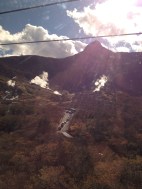
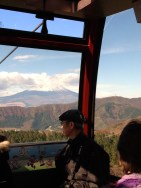
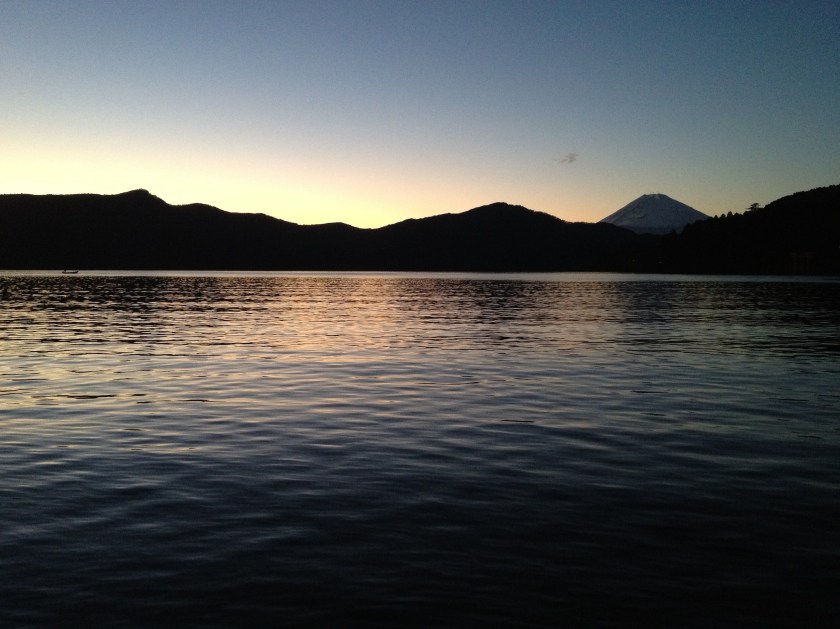
The ryokan where we stay is close to the Hakone Tozan Cable Car which brings tourists like ourselves uphill. At the Sounzan terminus, one switches to ropeway for a yet steeper rise. Sulphuric vapours and steaming swift rivulets pour along the slopes far below, the foliage has turned to red all over the mountainsides and at Owakudani close to the top we change cars. Going down on the other side opens a new view; down, down towards lake Ashi – a sharply blue iris contemplating the view of Mount Fuji.

121115 04b 121115 05b

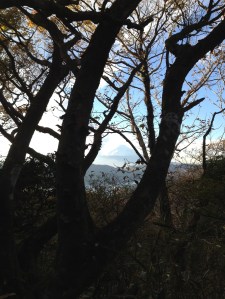
At the other side of the lake we hit upon a former imperial highway, planted with cedars all along for shelter. We follow the narrow path, climb another hill – more steep than high – by a flight of stairs and trek through the forest above… Turning around a ridge, we find ourselves facing Mount Fuji once more, now more distant but clear in the crisp afternoon light. After a couple of hours, we reach the country road of our own times, asphalted and with a bus that brings us back to the shores of Ashinoko. And, as the sun sets, Mount Fuji reveals itself for a third and last time this day.

121115 07b

Time Off in Hakone Gora

time-out


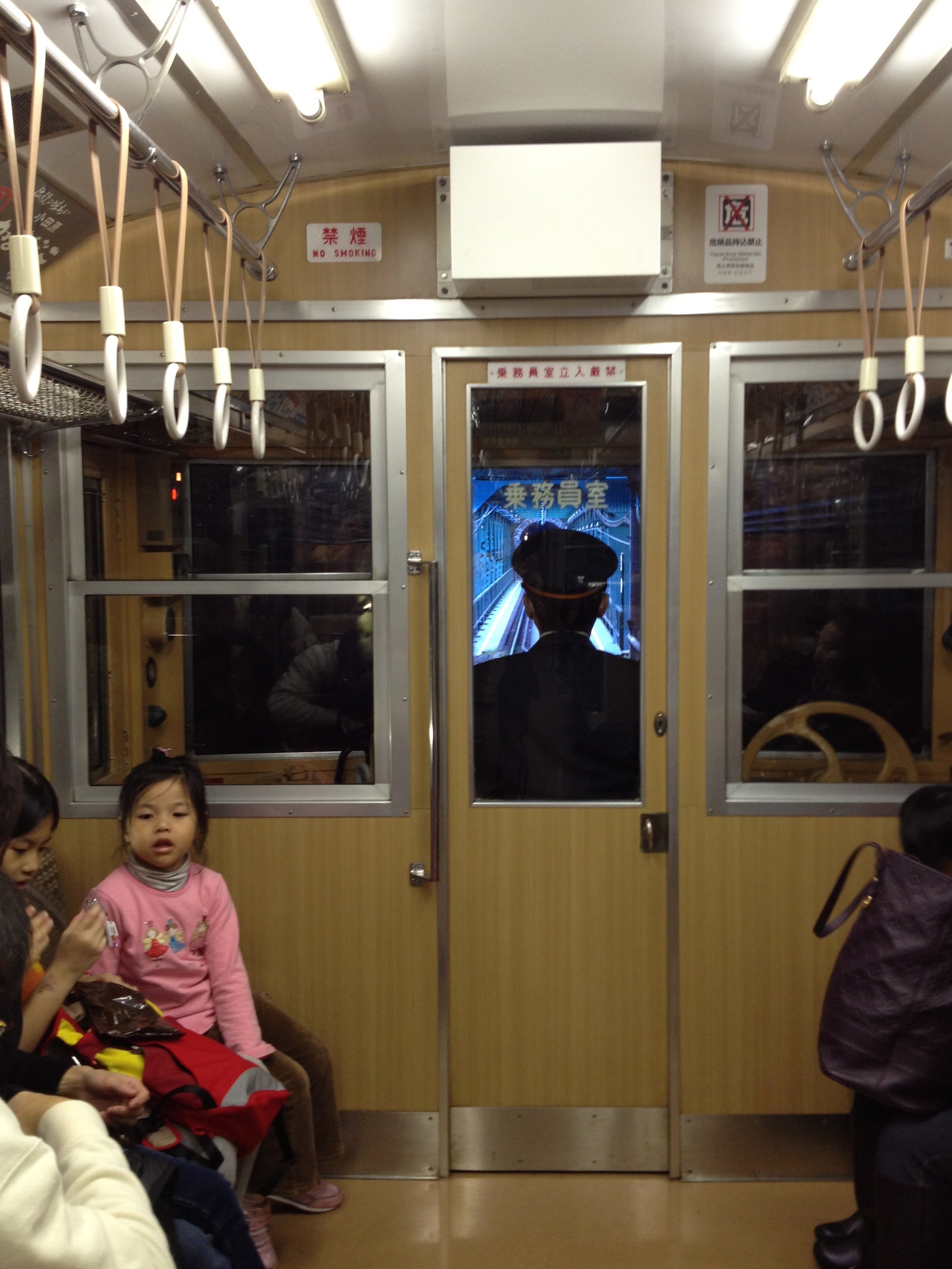
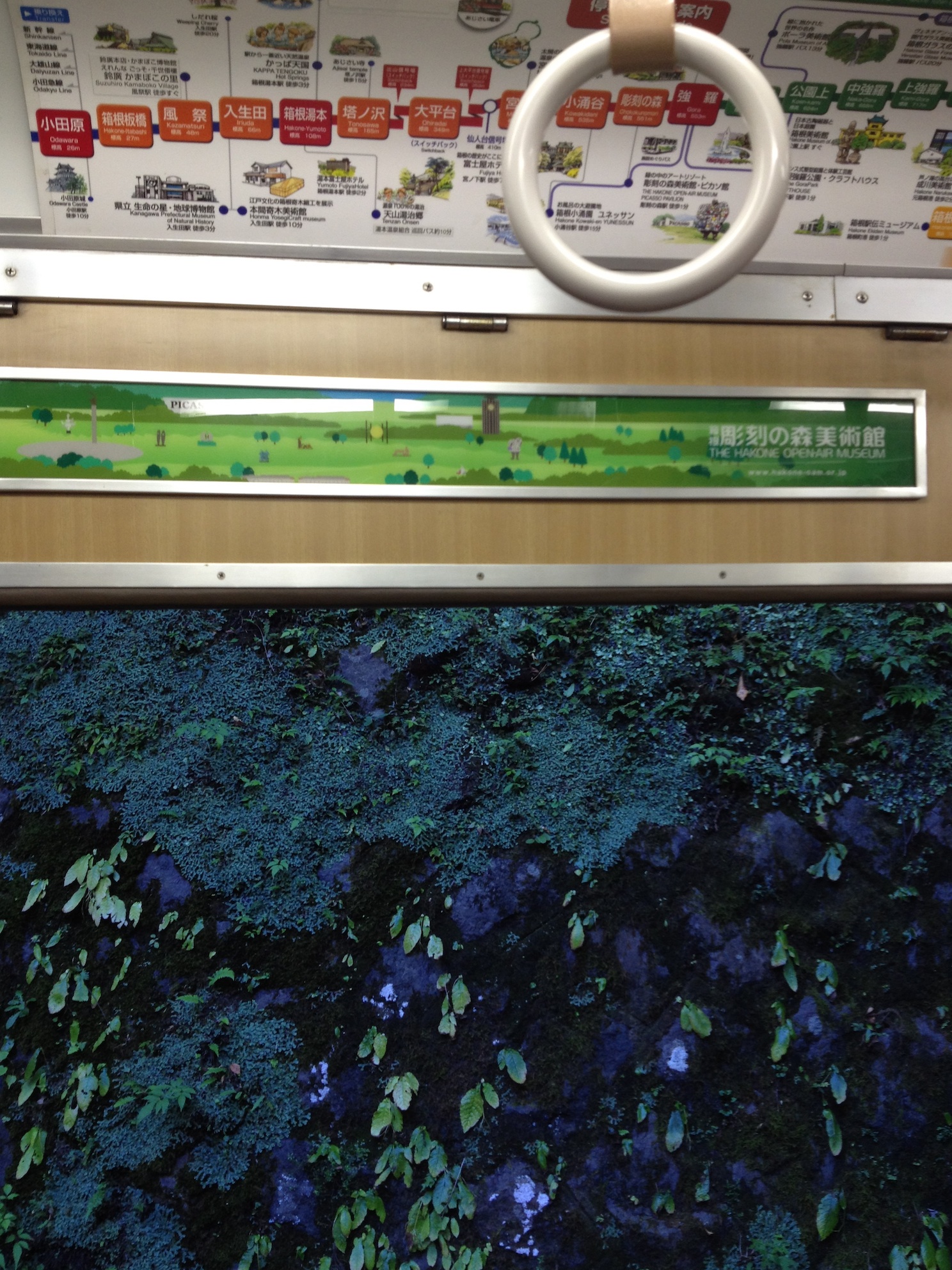
From Hakone Tozan railway; all photos HHW.

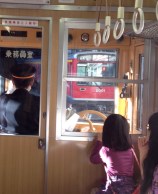
Day after the opening, I leave Yokohama together with my Swedish colleague Cecilia Lindborg. We’re off for Hakone – a vulcanic highland area, not far from Mount Fuji and wellknown for its beauty and its hot springs. The pitch of the railway leading up from the coast is so steep that tunnels and bridges aren’t sufficient to bring us there. The train zigzags its way up; three times the driver has to walk along the set of cars to change direction. At last we reach the terminus and find our way to the ryokan – the inn.
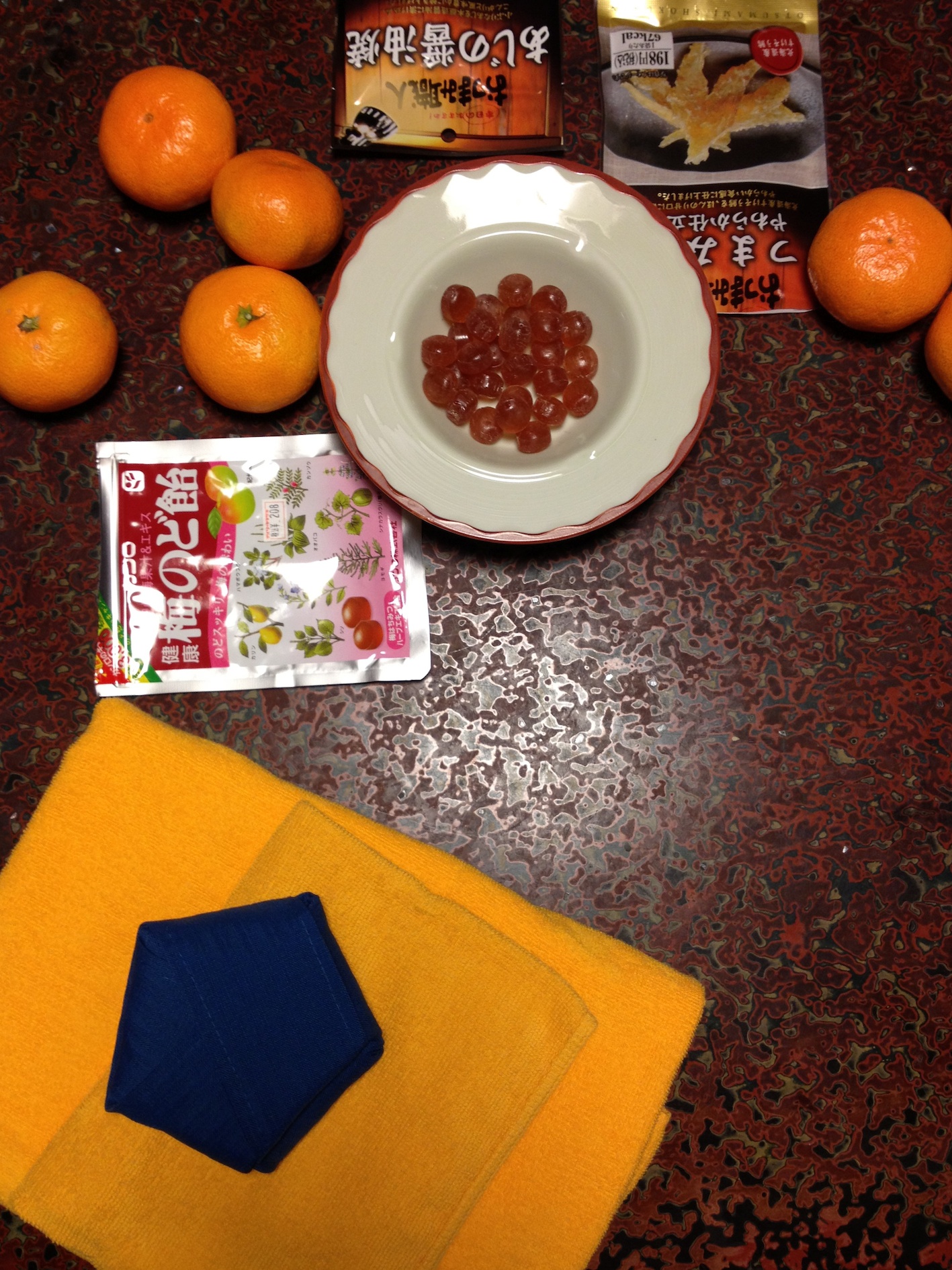
Our reserved room has not a number, but a name: Bright Star. A low table with two cushions to sit on; two sleeping mats with thick, warm, light blankets; a kimono, a coat and a pair of slippers each. Beyond the paper wall, a waxing moon is climbing over the valley. After dinner, the onsen bath is waiting for us – hot and sulphuric. Then, a cup of green tea, some sweets and a chat before bedtime.

World Citizens of Art at the Red Brick Warehouse

art, recent work, time-out

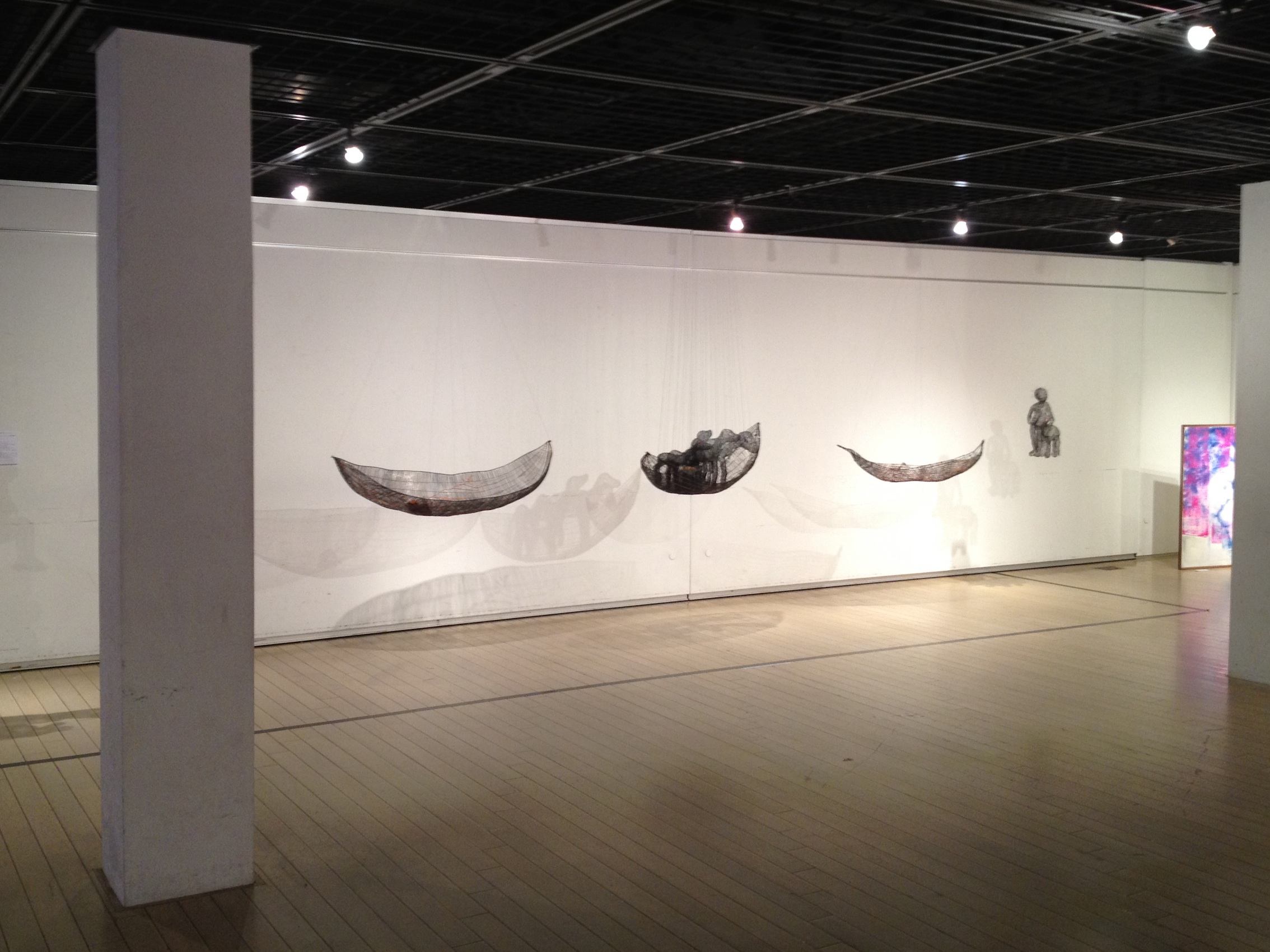
Despite the title of this exhibition – Contemporary Art from Sweden – it was a joint venture, displaying artworks by no less than eighteen Japanese and fourteen Swedish artists. On Monday, we gathered for the hanging at Red Brick Warehouse on the Yokohama waterfront. This is the result, or at least a fair portion of it – please note the mixture of distinctly different cultures; Expressionism, Pop Art, Modernism, Classicism…


left: Taeko Ukon, Mitsuharu Miyake and Håkan Wennström (video)
middle: Toshiko Watanabe and Kerstin Svanberg
right: Shoko Miki, Cecilia Lindborg and Hitomi Iwano

Kersti Rågfelt Strandberg and Ito Chihiro


left: Helena Hildur W; right: Shizuko Ono and Jan Manker

Kira Malmsten

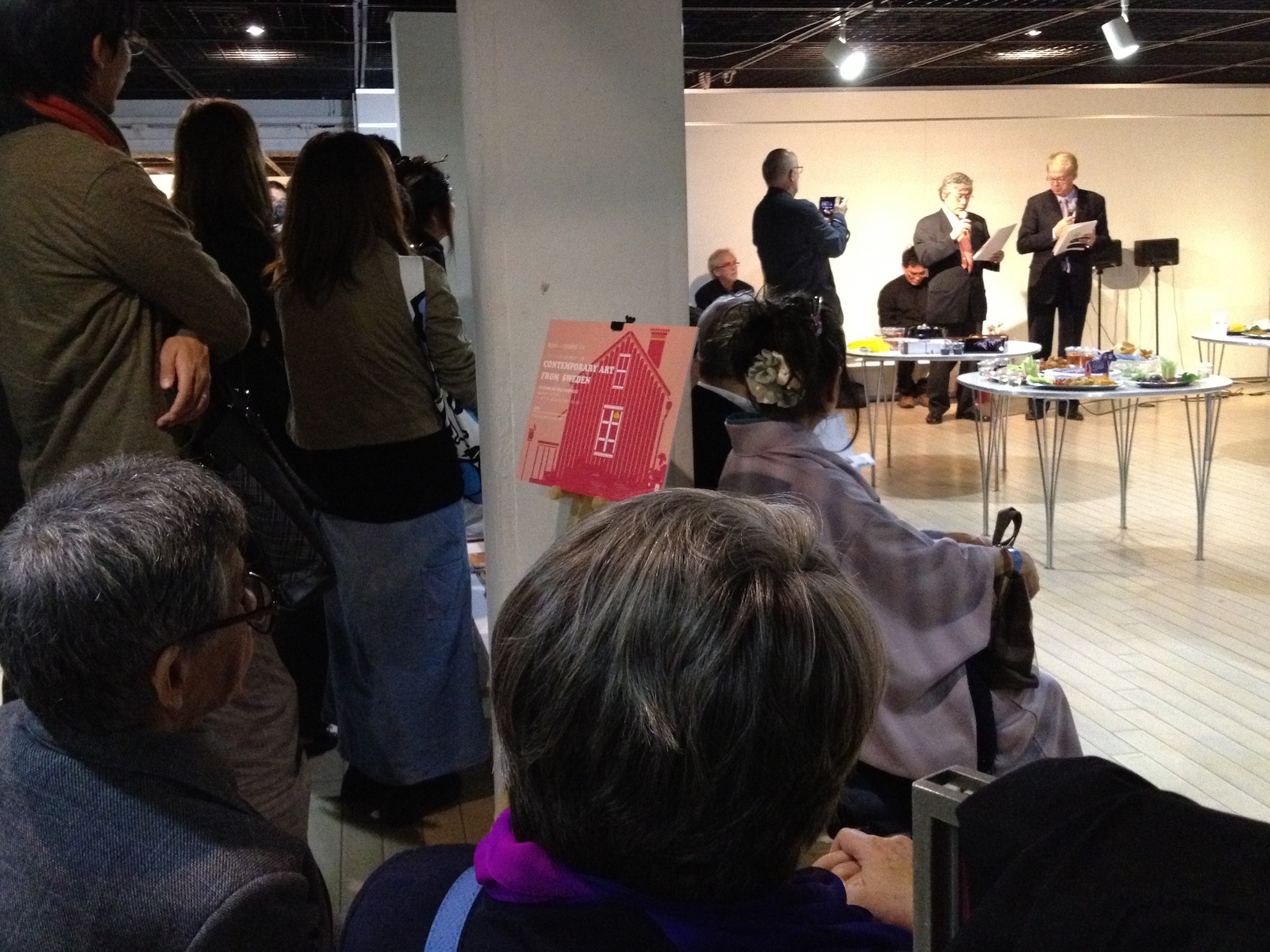
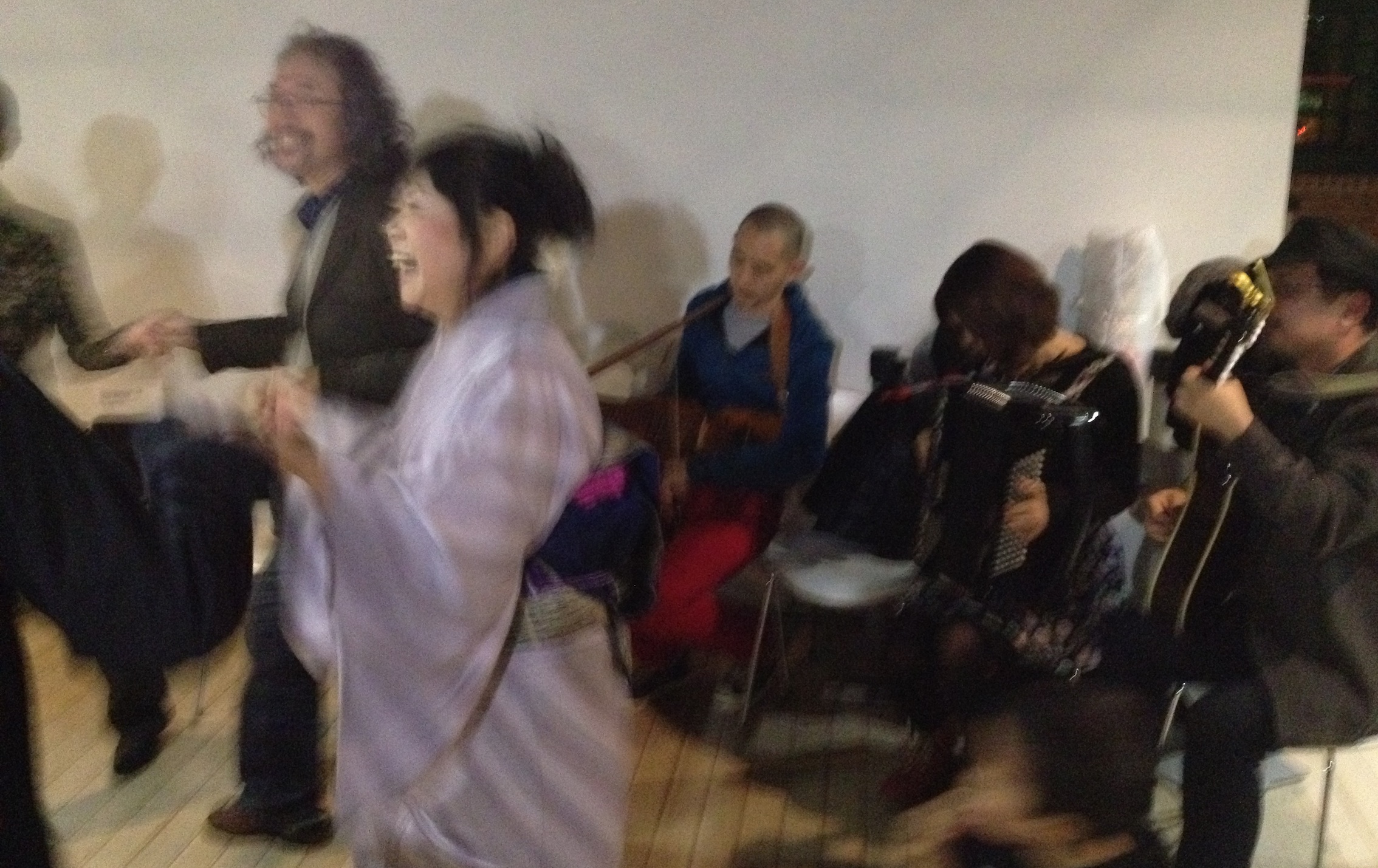
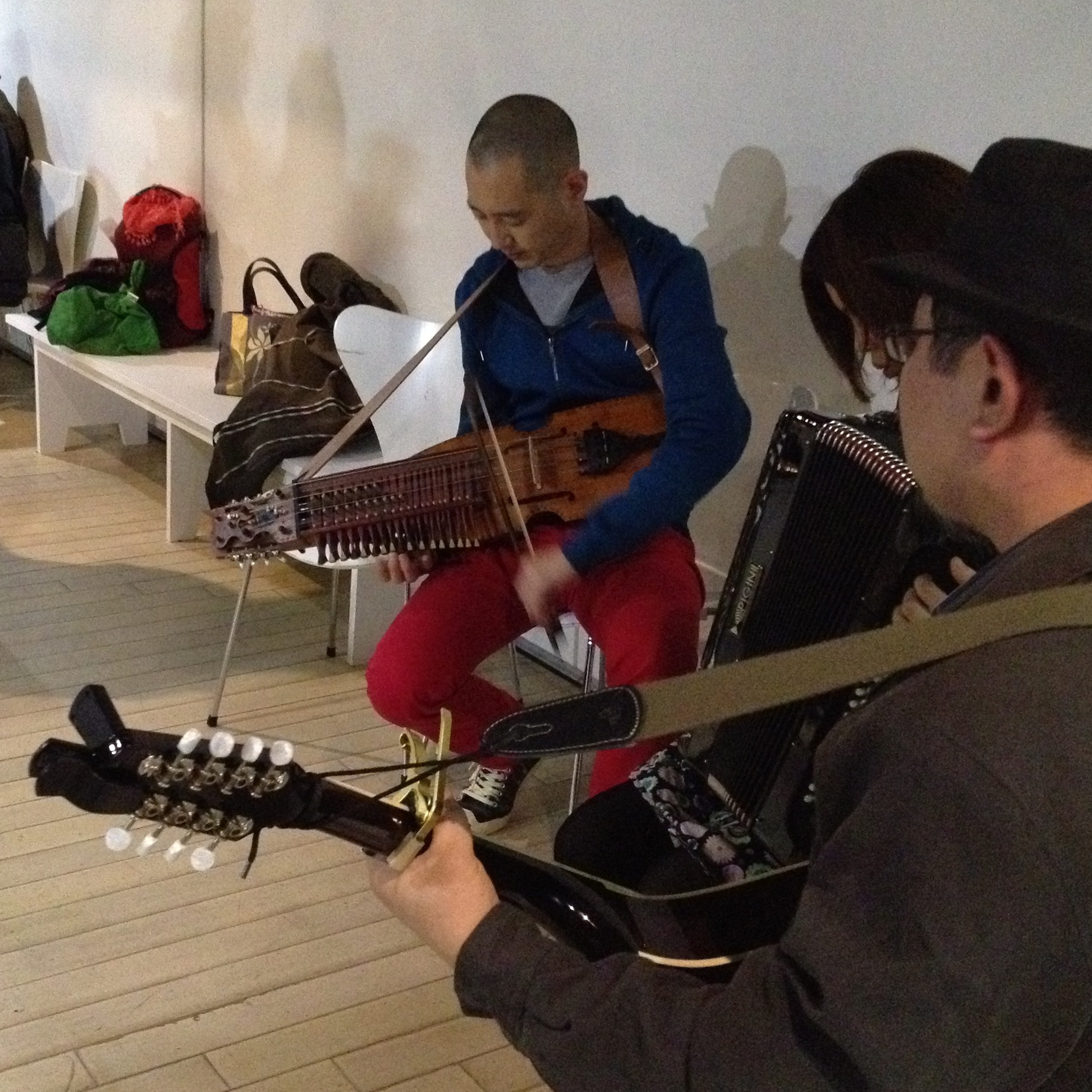
…and then, again, this happy mixture at the opening: after the opening speech by minister Ulf Sörmark from the Swedish embassy, Swedish folk music was performed on traditional instruments by Japanese kids having learned from Youtube how to play them. And a kimono-clad lady inviting everyone to dance the polska.