Safely landed at Narita Airport, the Swedish party head for Yokohama and the Red Brick Warehouse where the EAJAS exhibition will take place. Our hosts – particularly Ms Toshiko Watanabe, Ms Shizuko Ono and Ms Akiko Kondo – have prepared everything, including a welcome reception in the tiny studio of Ms Ono’s father, the late sculptor Nobumuchi Inoue. Emancipated by the cultural openness of the Meiji restauration in the 19th century, Nobumuchi Inoue gathered and merged influences from Japan, Asia and Europe. Later, during the second world war, his heartfelt world citizenship made him a conscientious objector. Today, his studio remains a working space as his daughter honours his legacy by her own career as a painter. History is present, and so is Herstory; we all share, and co-create.
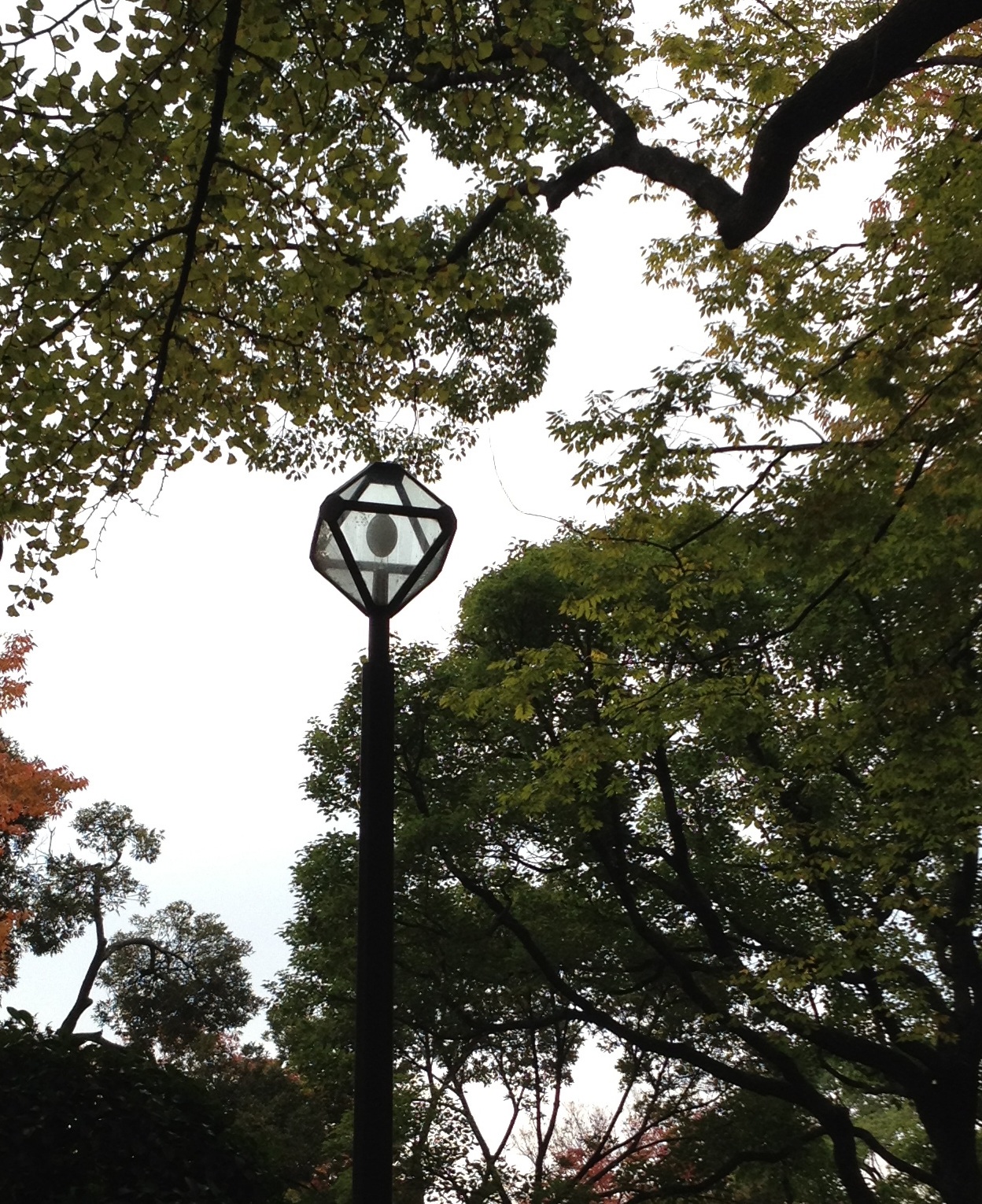
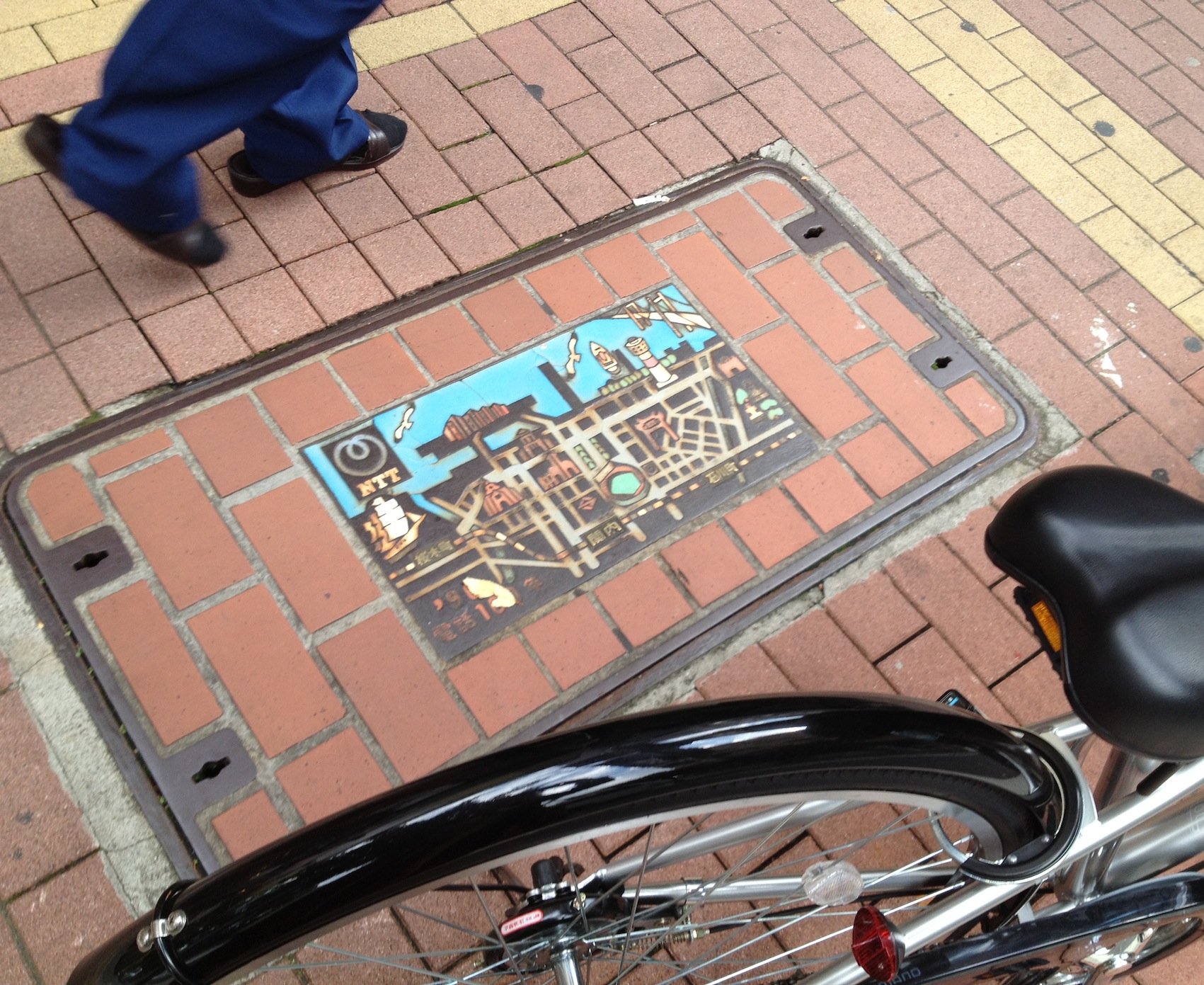
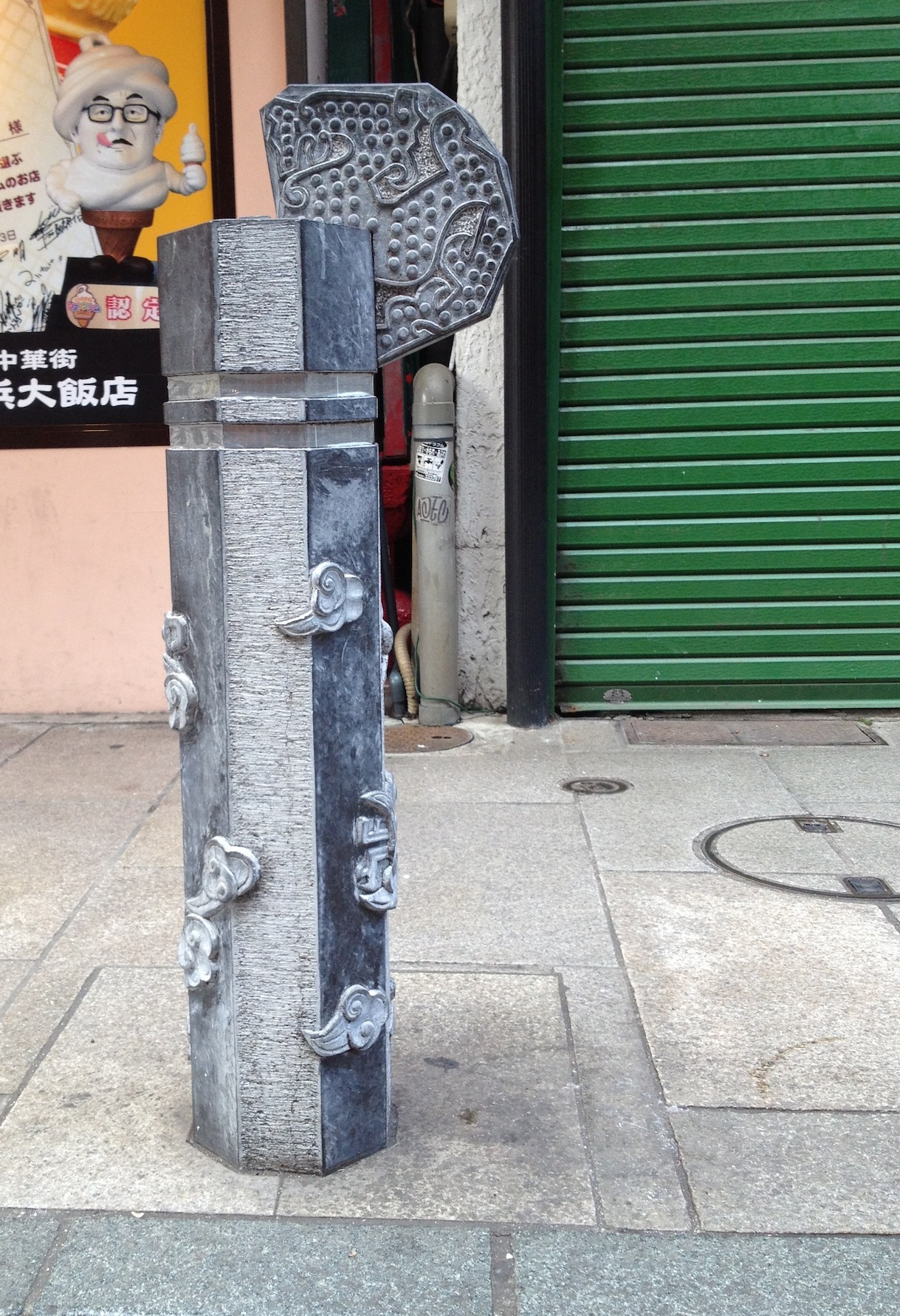
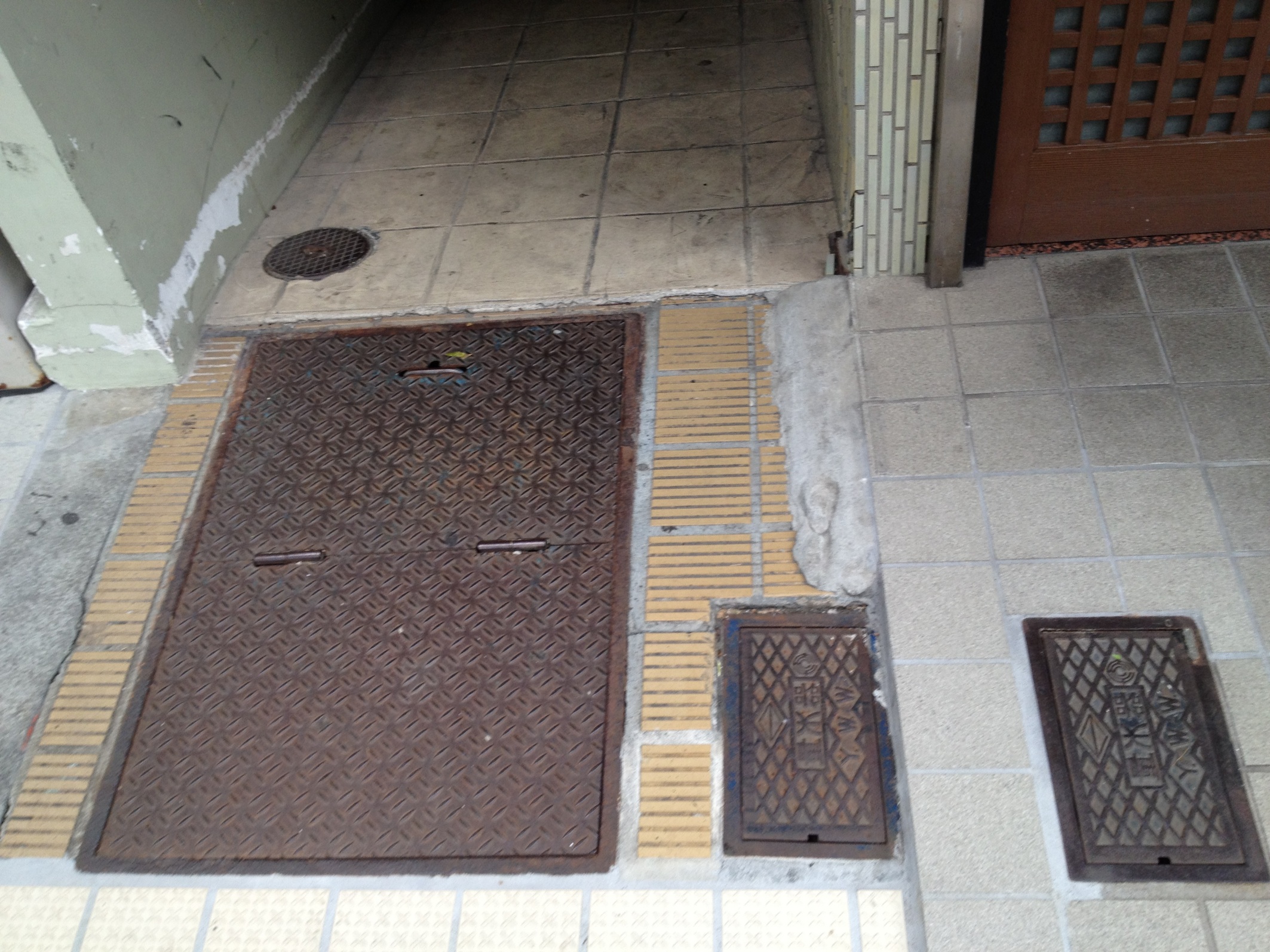
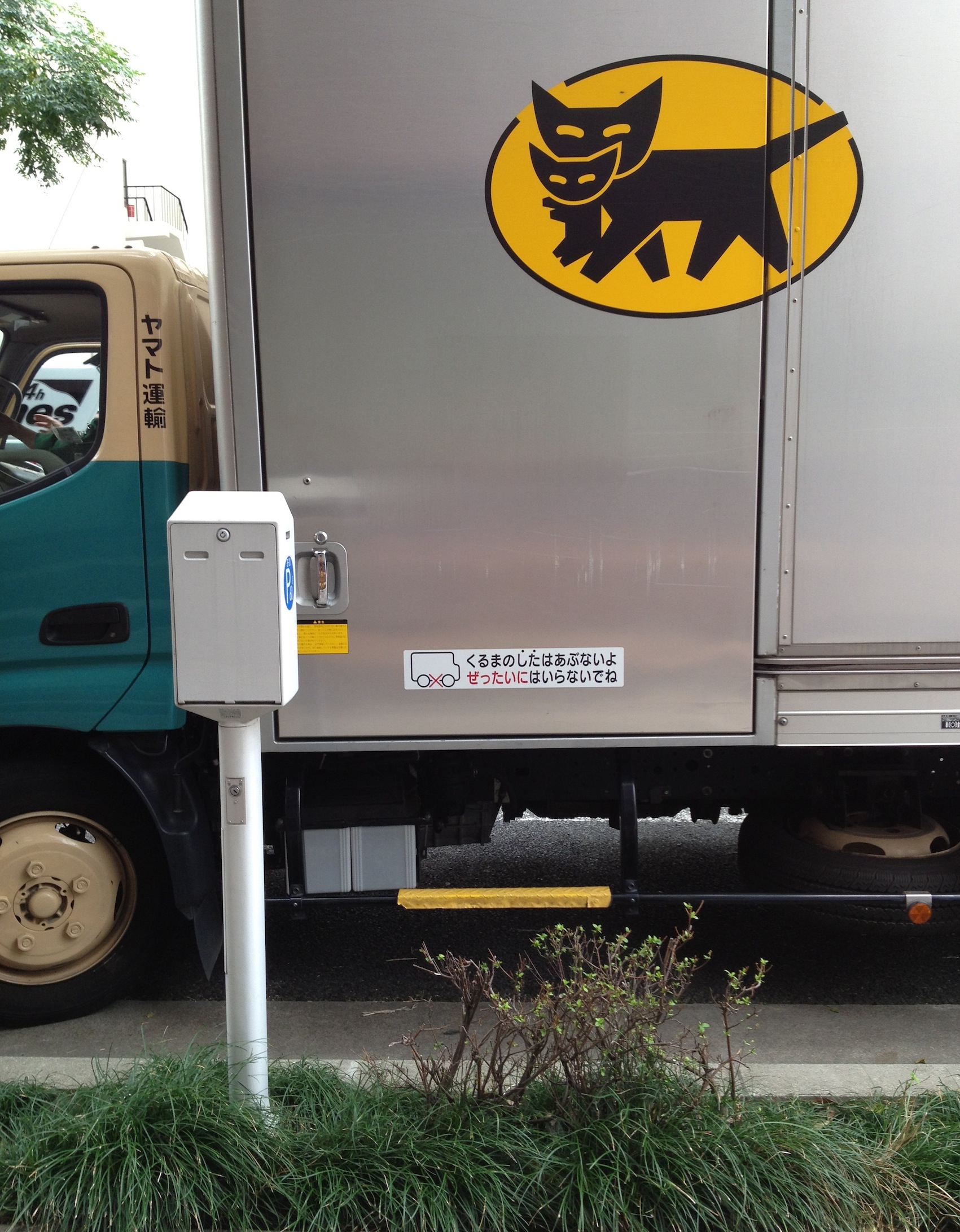
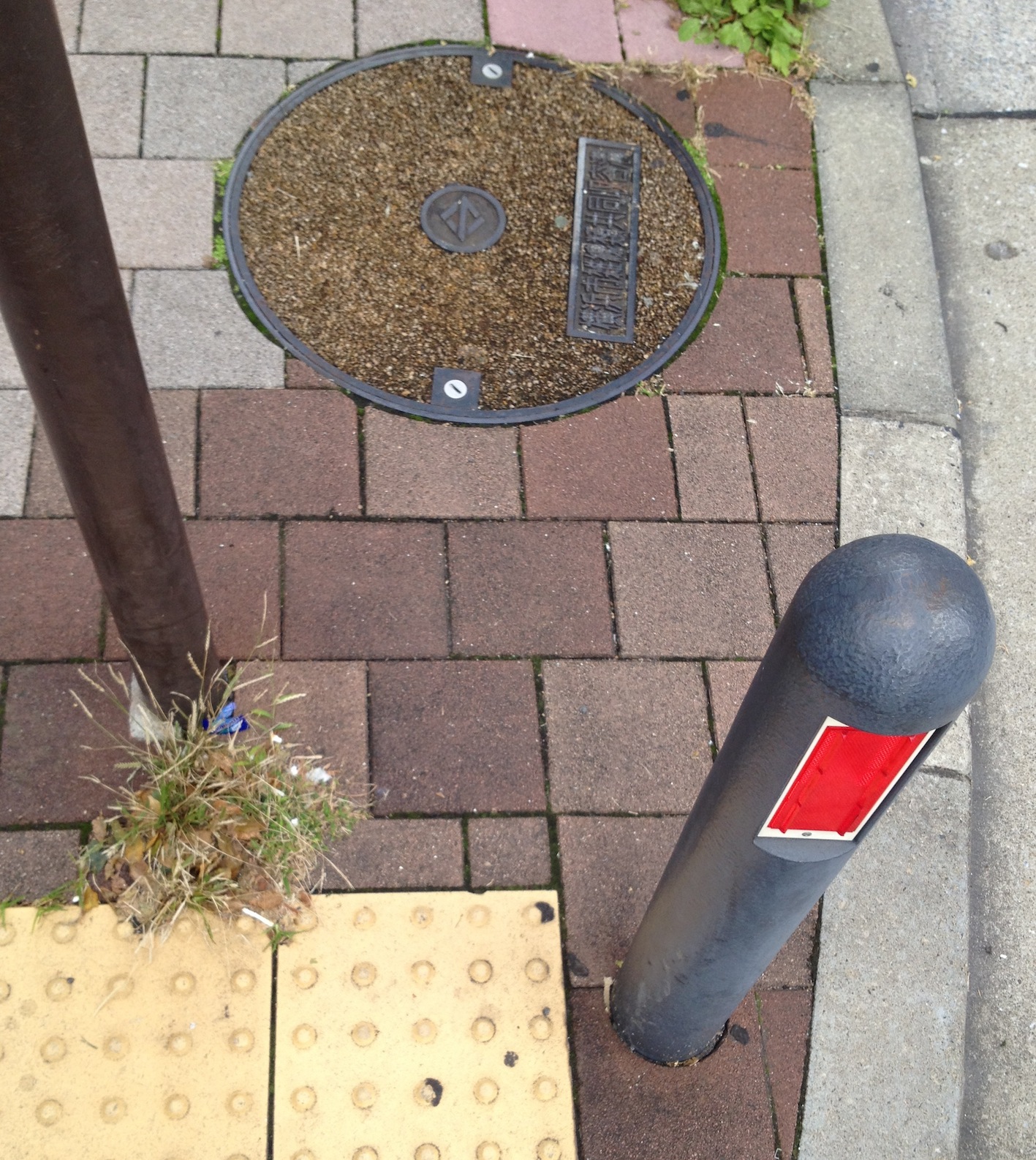
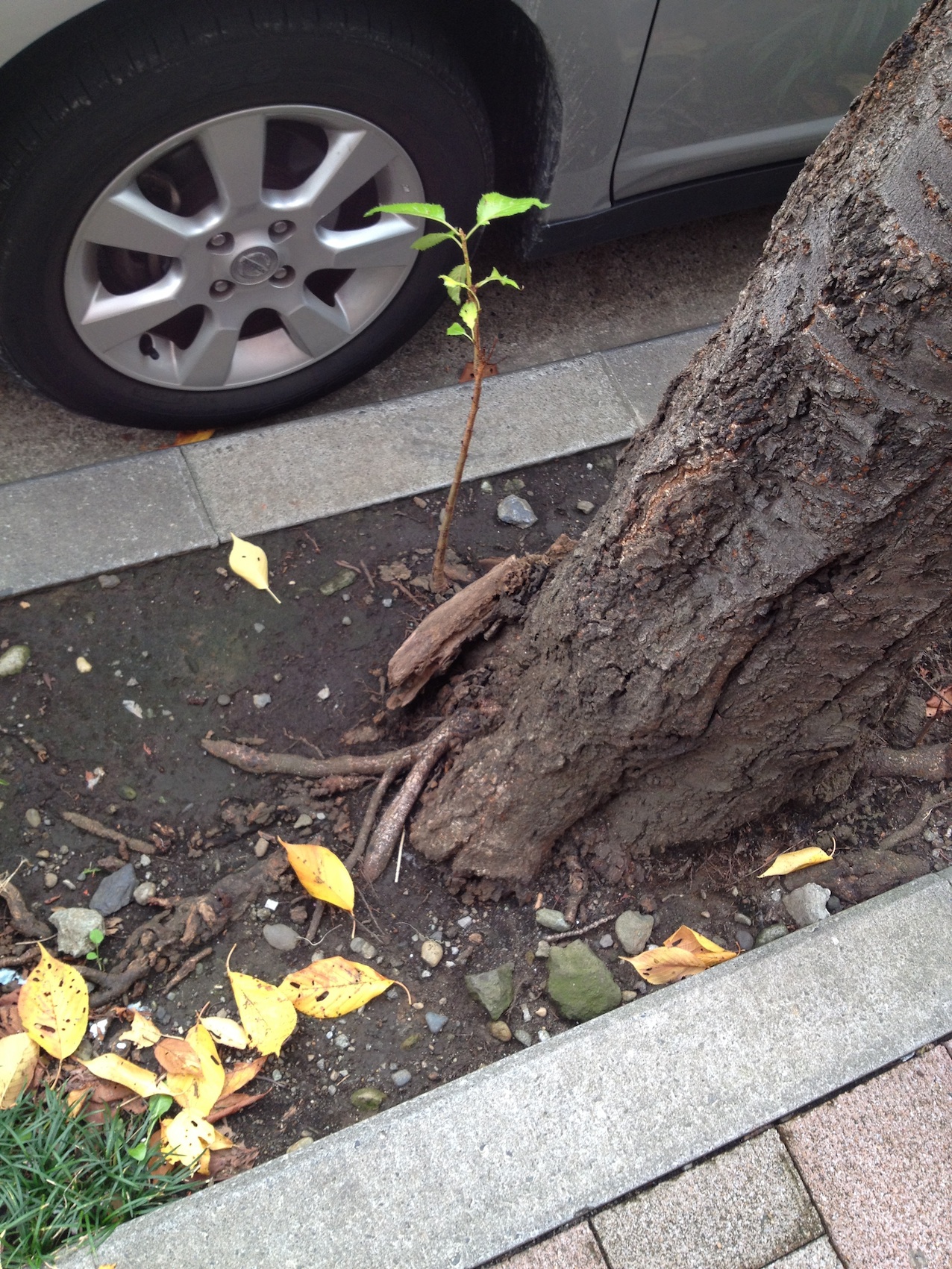
Nourished by this first encounter with our Yokohama friends, I set out next morning to take a look at the city. And this is what I’ve seen.
A piece of paper, some ordinary crayons or pencils. A sustained awareness during hours – days, maybe. The resulting image unveils the nature of a unique world; sometimes calling for the sensibility of a butterfly’s antennae, sometimes chaotic, disproportionate, disturbing. Sometimes orderly, even bordering to the surreal. And sometimes overflowing with the vitality and power of living colour.
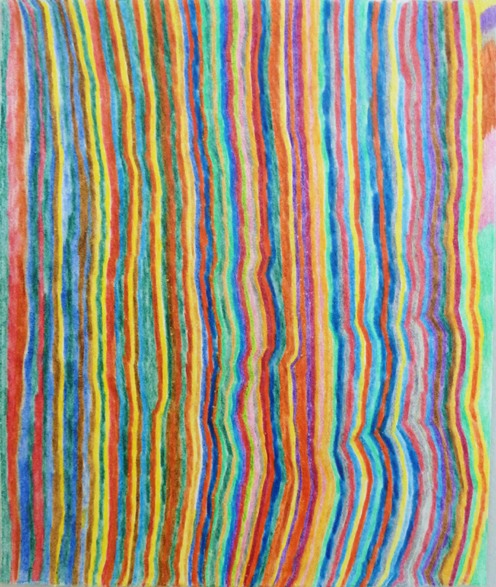
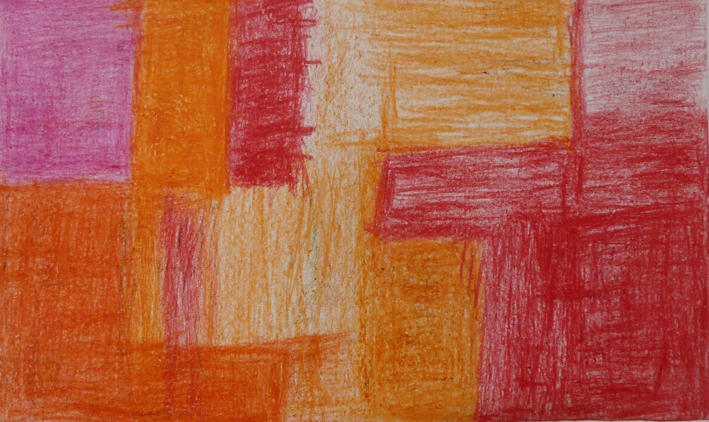
All works depicted here were performed by participants in this summer’s creative workshop at Gillberga, Södertälje (Sweden).
From top to bottom: a crayon pencil drawing by AE; two graphite pencil drawings by PS; a wax crayon painting by TK.
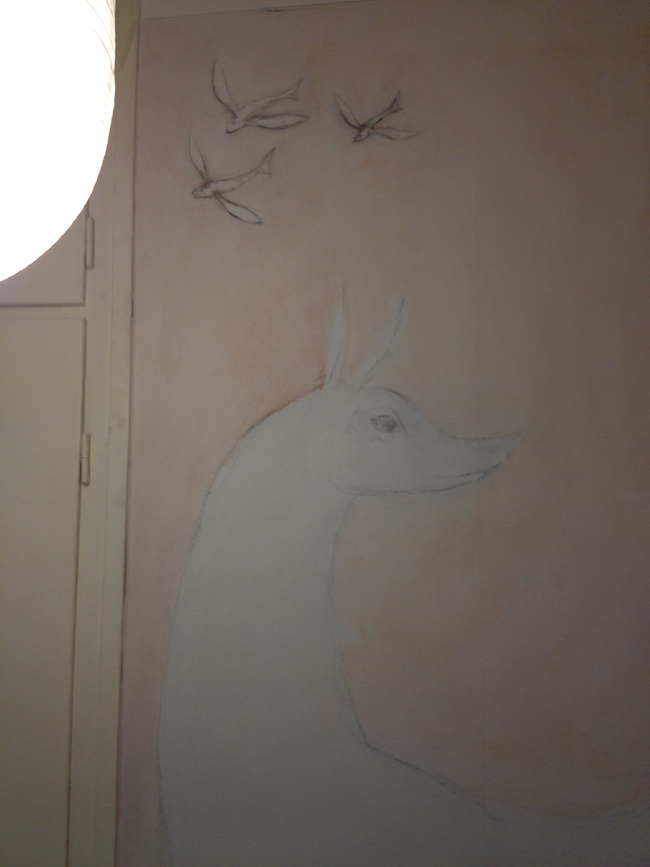
sketch for a wall painting, graphite pen and wall paint
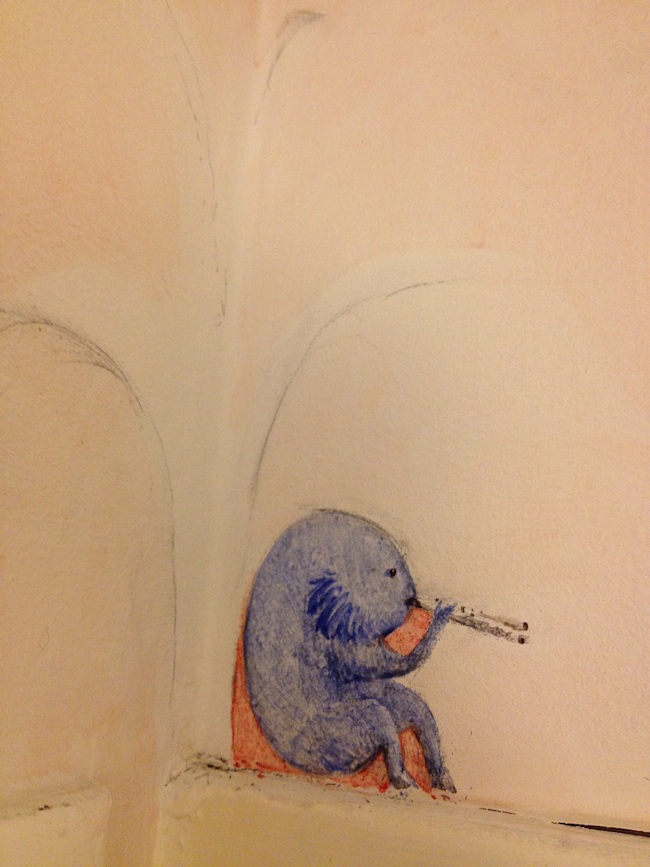
Painting on the walls in my beloved daughter’s and her loved one’s new home. Just for the fun of it.
Otherwise, there’s a lot of things on the agenda; I just finished a school project at Art Lab Gnesta, and now we’re hosting art and agriculture collective Kultivator in the old Brewery building. As for my own artistic work, I’m now turning to text-writing, since I’m again doing a course – Artistic Research Processes – at Konstfack University College of Arts, Crafts and Design. And then there’s the studio work, part of it related to the same course and part of it preparations for an upcoming exhibition in Japan.
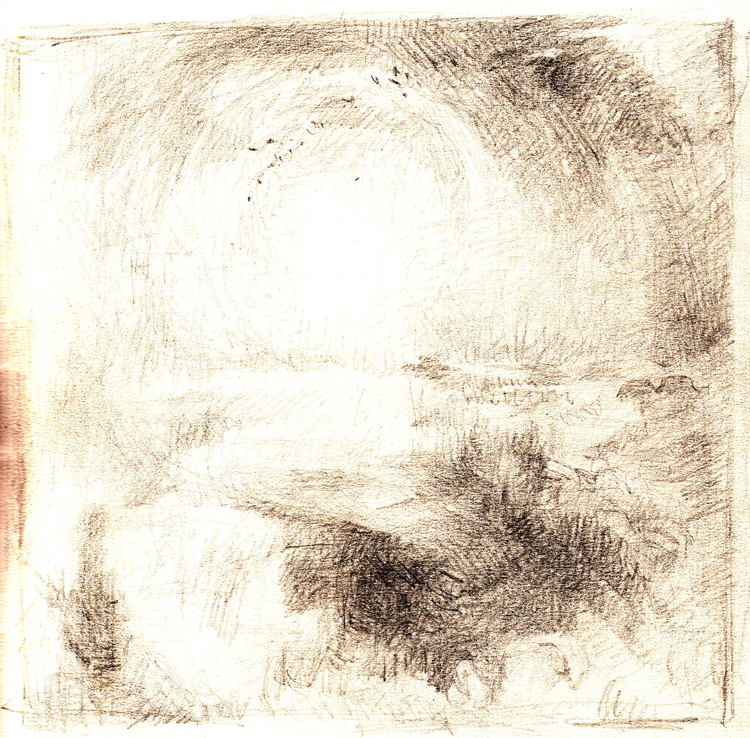
HHW. after Turner, “Shade and Darkness — the Evening of the Deluge”; graphite pencil on paper
The complexity of JMW Turner’s work is stunning and miraculous. Yesterday, I spent some hours with a couple of them, pencil in hand.
It was the next-to-last day of the Turner/Monet/Twombly exhibition at Moderna Museet (Stockholm); queuing started before opening, and hundreds of people filled the exhibition space. Yet the atmosphere was relaxed, friendly – the museum guards attentive in a quiet, kind way; the public taking turns in looking closer or from a distance at the paintings, giving each other time and talking softly under their voices; and the murmur had a warm tint to it. Several times, I heard dialogue develop between strangers, and also got involved myself.
This is just how it should be. Turner’s painting doesn’t give itself away instantly. There is always more to see. Composition is often powerful, compelling, and works at first sight. Then, if you stay with the images, they deepen and evolve on different levels; figuratively, choreographically, materially, spiritually.
HHW. after Turner, ” ‘Light and Colour (Goethe’s Theory) – the Morning after the Deluge – Moses Writing the Book of Genesis'”; graphite pencil on paper
Lighting the kitchen fire when dawn is yet to come.
Paying bills and answering mails while grey morning light edges into the room. An hour later, the dog and I are running free, bare-headed under a silvery November sky.
Memorizing the atmosphere and colours of the day, identifying the corresponding pigments; translating visual perception into materiality. Bringing it into the studio.
To kindle the fire inside. Another small step, and the path unfolds.
Afterwards, a pause and something to eat before it’s time to reach out again. There is no lack of work here.
At ART LAB gnesta, we realize that we’re into something even greater than we understood at the outset; re-inventing art as our social method.
To all friends in Ukraine: there are stories yet untold, and relations to develop. I hope to come back to you, from this new platform. For now, just this memory from Lviv, October 2011.
I hope to be back some day.
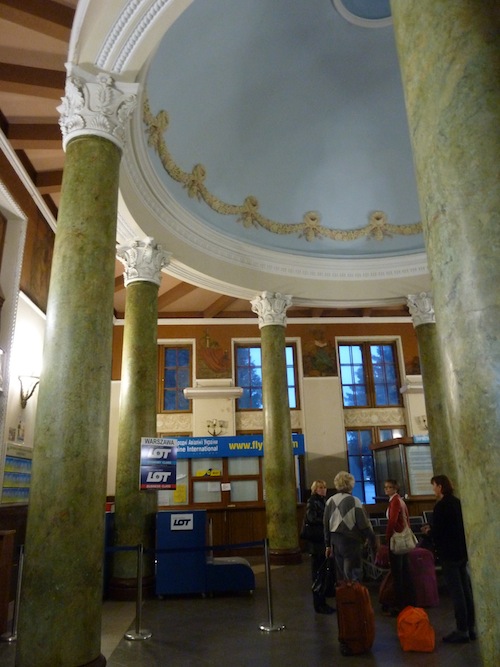
Lviv International Airport, October 2011; photo HHW.
From Kiev and Lviv back to Swedish countryside; last week was the opening week for ART LAB gnesta. Recently being appointed a board member of this artist-run space, I plunged head-on into five intense days of preparations, press meetings, art management conference, opening party and network meetings.
Here’s one of the absolute highlights – Nils Völker’s sculpture Thirty Six… air, light, technique and peace.
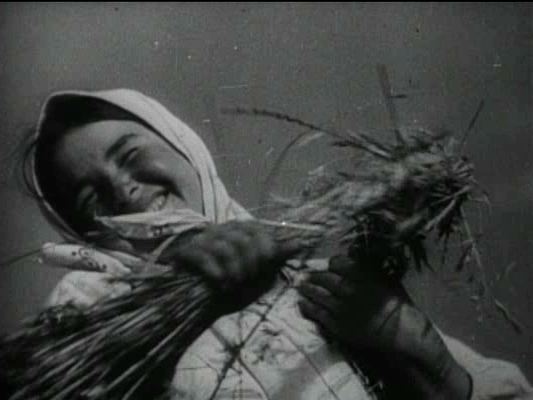
Last day in Kiev: in the morning Sergiy Trymbach, Head of the Filmmakers’ Union of Ukraine, received the Nomadic University at the National Cinema House. The building, in itself retaining a distinct scent of Sovietic atmosphere, made a very convenient backdrop for the screening of two ‘Ukrainian classics’ by film director Aleksandr Dovzhenko. His films Zemlya (Earth) and Zvenyhora were made in 1928 and 1930 – the years preceding the great famines, provoked by Stalin in order to break down resistance against collectivization in Ukraine. Zemlya deals with the issue of ‘Blut und Boden’, by telling the story of a young Bolshevik hero who gets killed by the desperate class enemy, only to be mourned and reborn among the victorious Soviet people. Despite its aim to promote the Party’s political purposes, the film evoked criticism because of its religious symbolism. Today, it may obviously still appeal to a conception of national identity related to the earth, and of Nature as a constant beyond social changes… Here three clips: Zemlya (1) Zemlya (2) Zemlya (3)
After this thought-provoking reminder of lingering history, we had a very different experience bordering on the same theme. Writer Stanislaw Tsalik took us on a guided city walk along the boulevards, parks and palaces of the 19th and 20th centuries; sites and memorials built for rich merchants and – later – for the Soviet nomenklatura. We followed the path of Bulgakov’s alter ego Alexei Turbin in his long run in the novel “The White Guard”, to end up at the Kreschatyk where demonstrations pro and contra Yulia Tymoshenko on trial went on…
The evening continued with an impressive counterpart of the morning programme. At Babuin, we met with contemporary Ukrainian filmmakers to attend a screening session of short films, manifesting various approaches to our recurring topic of history/histories and identity-making. Those films shall speak for themselves – just have a look, or more:
Cross (Maryna Vroda’s 2011 Palme d’Or award winner. This is but a short trailer – bad technical quality and superfluous commentaries but gives an idea of the atmosphere) Tram No 9 Goes On (clay animation by Stepan Koval, 2002) Against the Sun (part 1) (by Valentin Vasyanovich, 2004 – don’t miss this one! ) Against the Sun (part 2) Wayfarers (by Ihor Strembitsky, Palme d’Or for short film 2005)
***
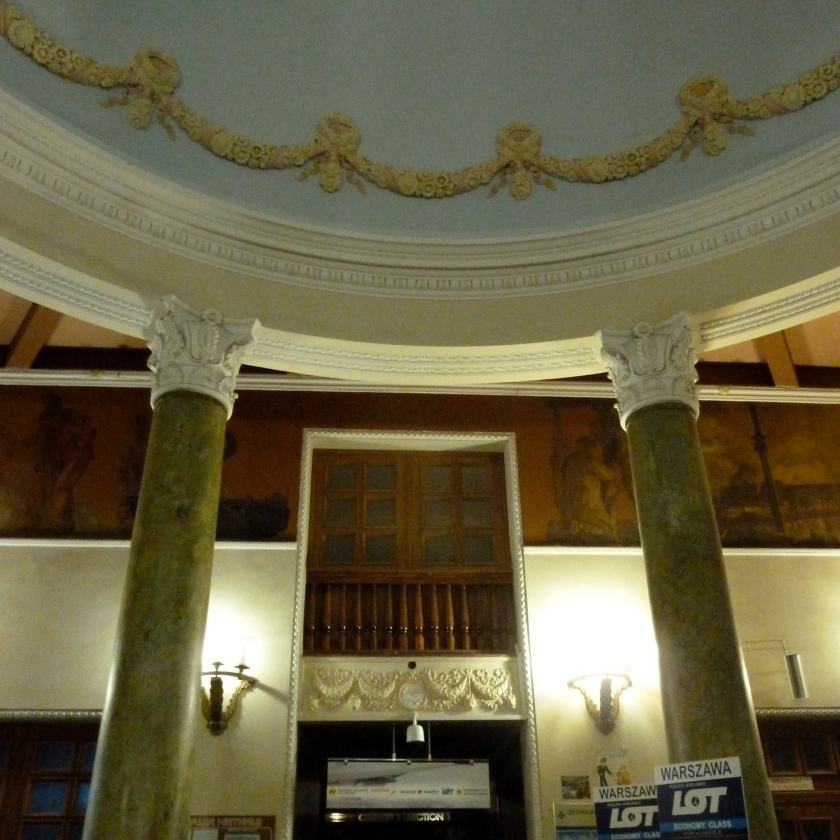
From Lviv, we bring other valuable memories (from the Business School, the open marketplace, the art galleries, the cultural mapping project at the Jewish centre, and more)… All of those experiences will stay with me. Here, just a last few glimpses from Lviv International Airport (very soon to be replaced by brand new facilities).
“We staged a situation where students met with a number of different teachers… our hidden agenda was to break the bonds between one single professor and his disciples”
“Ukraine is archaeo-modern; it cannot be post-modern, because it never had modernity.”
“If there exists corporate sponsorship for art? You must understand – in Ukraine, we’re not talking about companies, we’re talking about names.”
“There isn’t corruption within the system. Corruption is the system.”
… a few fragments of our Kyiv talks, some free-floating words from people involved in art and culture.
Nevertheless, and given the difficulties these words may imply, the achievements presented to us are striking; the experimental theatre play, the short films, the bilingual (Ukrainian/Russian) magazine… We have been touched, laughing, stunned and impressed more times than I could tell these days, and above all: although we are strangers in this country, we have felt at home.
Kiev; a city of 4 million inhabitants, seemingly planned and built by giants. Boulevards and large open squares, immense residential blocks along the highways, the majestic river spanned by huge bridges and a mass of gold-plated onion-cupola churches.
The Nomadic University’s thirteenth session opened here, yesterday morning – an ongoing happening, where seriousness intertwines with jouissance and sheer absurdity at times.
Gathered from six or seven different countries, we are meeting with all kinds of actors in art and culture: the theatre people who reconnect to a tradition erased by Stalin, the courageous young art activists, the slightly older international art scene professionals… the social psychologist who – arriving on motorbike from Moscow – makes the diagnosis of contemporary Ukraine while having tea and jam on the verandah of Mikhail Bulgakov… the Conseillère de Cooperation et d’Action Culturelle of the French embassy who gives us a foreigner’s view – très au courant – on what’s on… and not to forget, with Mykola the opera singer…
(to be continued)
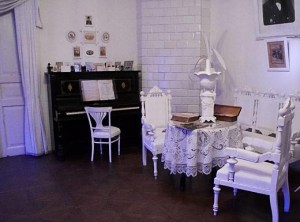
Bulgakov family house, salon on first floor – no photographing allowed, but I tell you the verandah was an even better place to hang out.
One of the local hosts of the Nomadic University: Les Kurbas Theatre Centre
Thanks to the dedication of Curator Yulia Usova (Perfect Art Institution, Stockholm/London/Kiev), the Nomadic University will soon see its 13th oasis happen in Ukraine – and for anyone interested in the field of art, culture and economy in contemporary Eastern Europe, this is a unique opportunity. We are invited to understand the current situation through professional people seeking to work along independent thoughtlines; artists, authors, journalists, theatre workers and film-makers will be sharing their experiences and views.
Programme here:






 Helena Hildur W.