EAJAS – Emerging Art from Japan & Around Scandinavia – was launched in 2010 as an art biennale alternating between Södertälje (Sweden) and Yokohama (Japan). Invited to participate in the 2012 Yokohama exhibition, I leave the Green Lab and Gnesta via Stockholm one dark November morning. First stop is Helsinki, where I meet up with a group of Swedish colleagues. Next, we fly through the night to reach another morning at the shores of the Pacific.
Green Lab at Art Lab Gnesta II
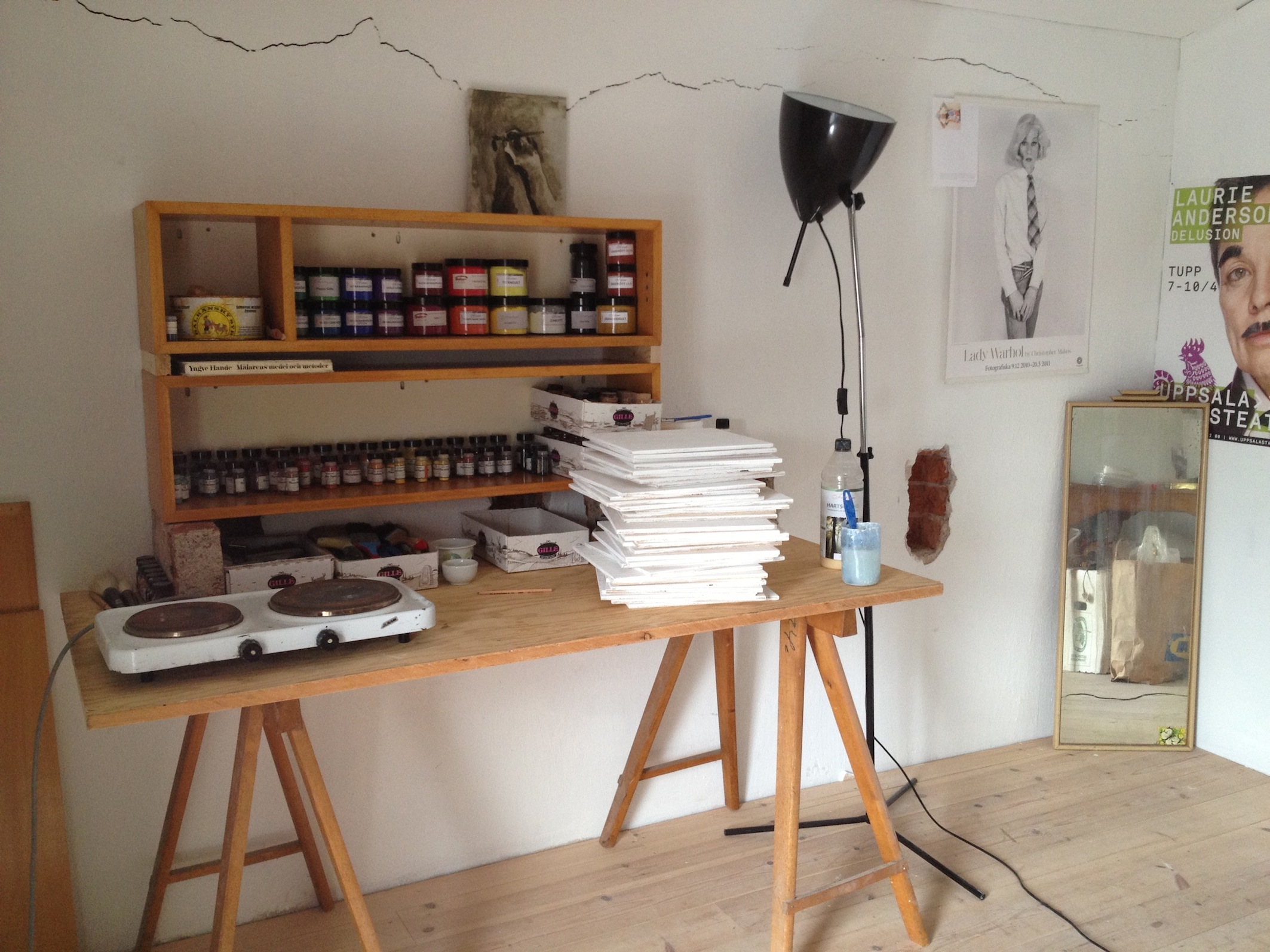
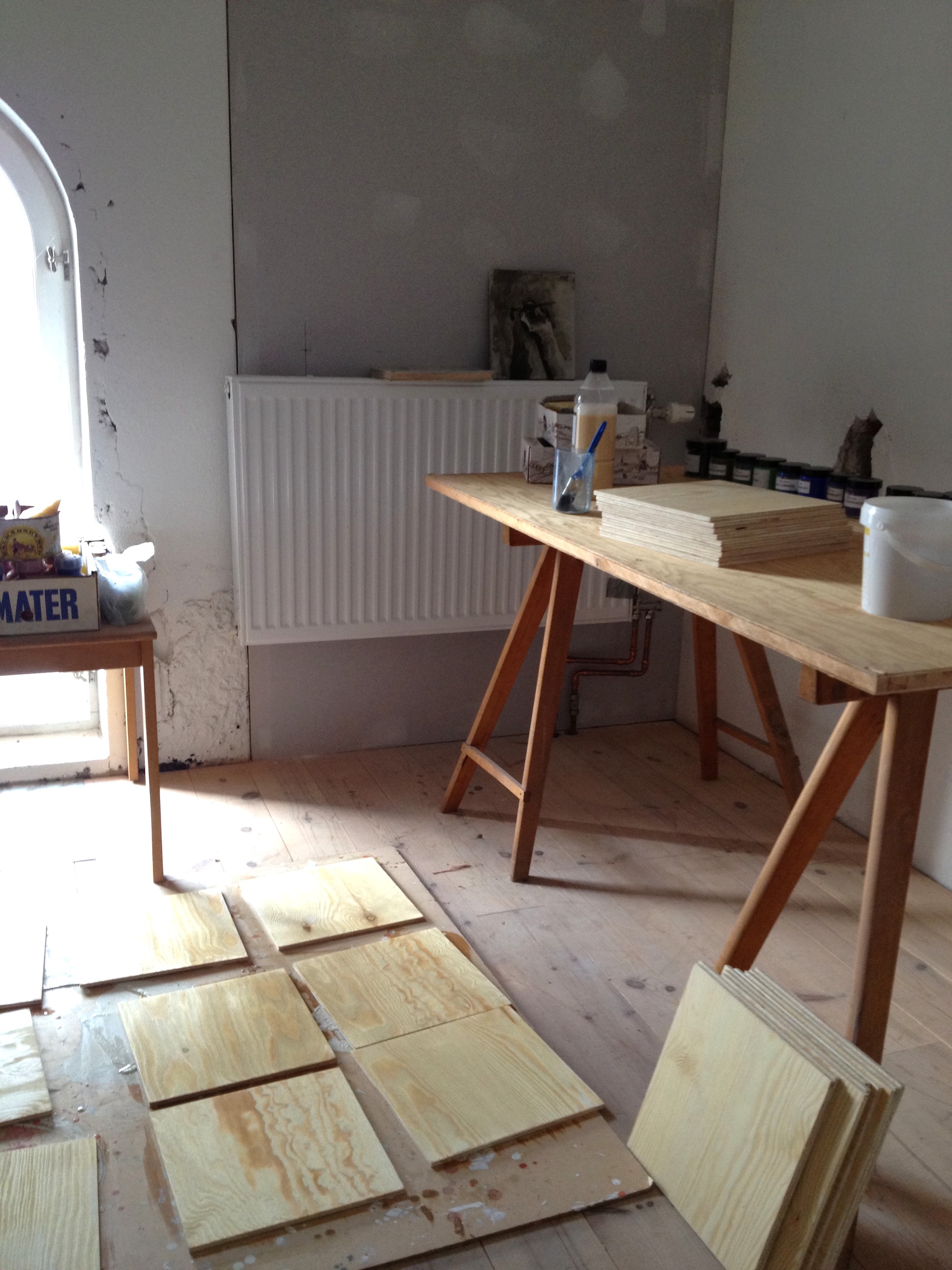
art, recent workToday’s piece of work in the Green Lab was primer painting. After one layer of natural resin primer, another layer of white casein paint is added. Next step will be the trying out of a ‘Green Label’ assortment of eco-friendly pigments.
The results from the Green Lab project will be collected, systemized and published at a separate Art Lab Gnesta website.
Green Lab at Art Lab Gnesta I
art, recent workThe Green Lab project at Art Lab Gnesta originated from the urge to scrutinize our own artistic practises during the Green Year 2012. Grounded in experience, this minor initiative turned out to match a general want, and rapidly grew into a larger project aiming at collecting experience about eco-friendly materials in painting and sculpture – partly also developing new techniques and composites – as well as highlighting the issue among art professionals and establishing channels for open exchange of knowledge.
Here’s the tiny first beginning of Green Lab/paint – trying out pigments, primers, binders and solvents.
To be continued…
2012 meet the artist@Åmells Möbler II
art, recent work
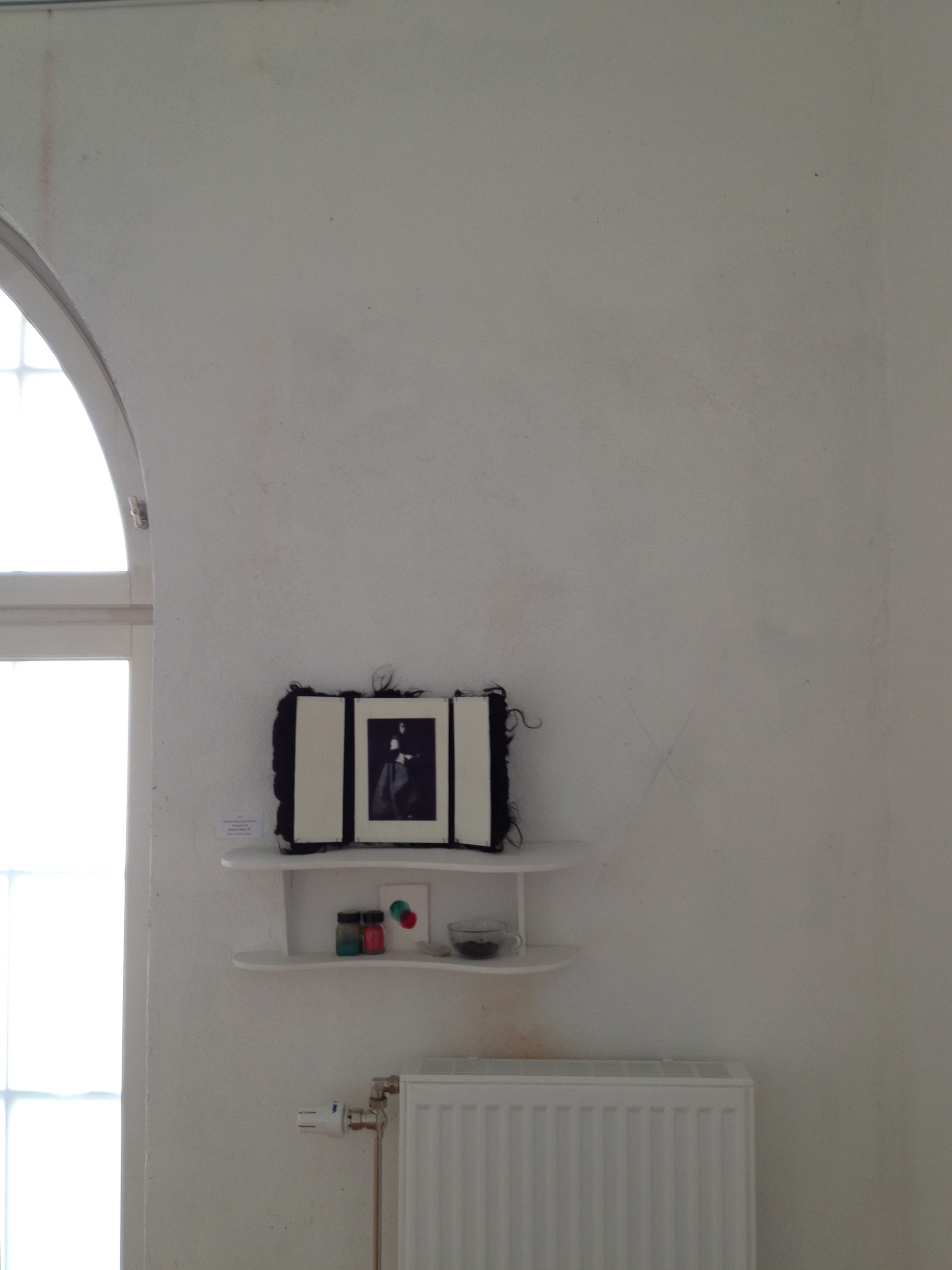
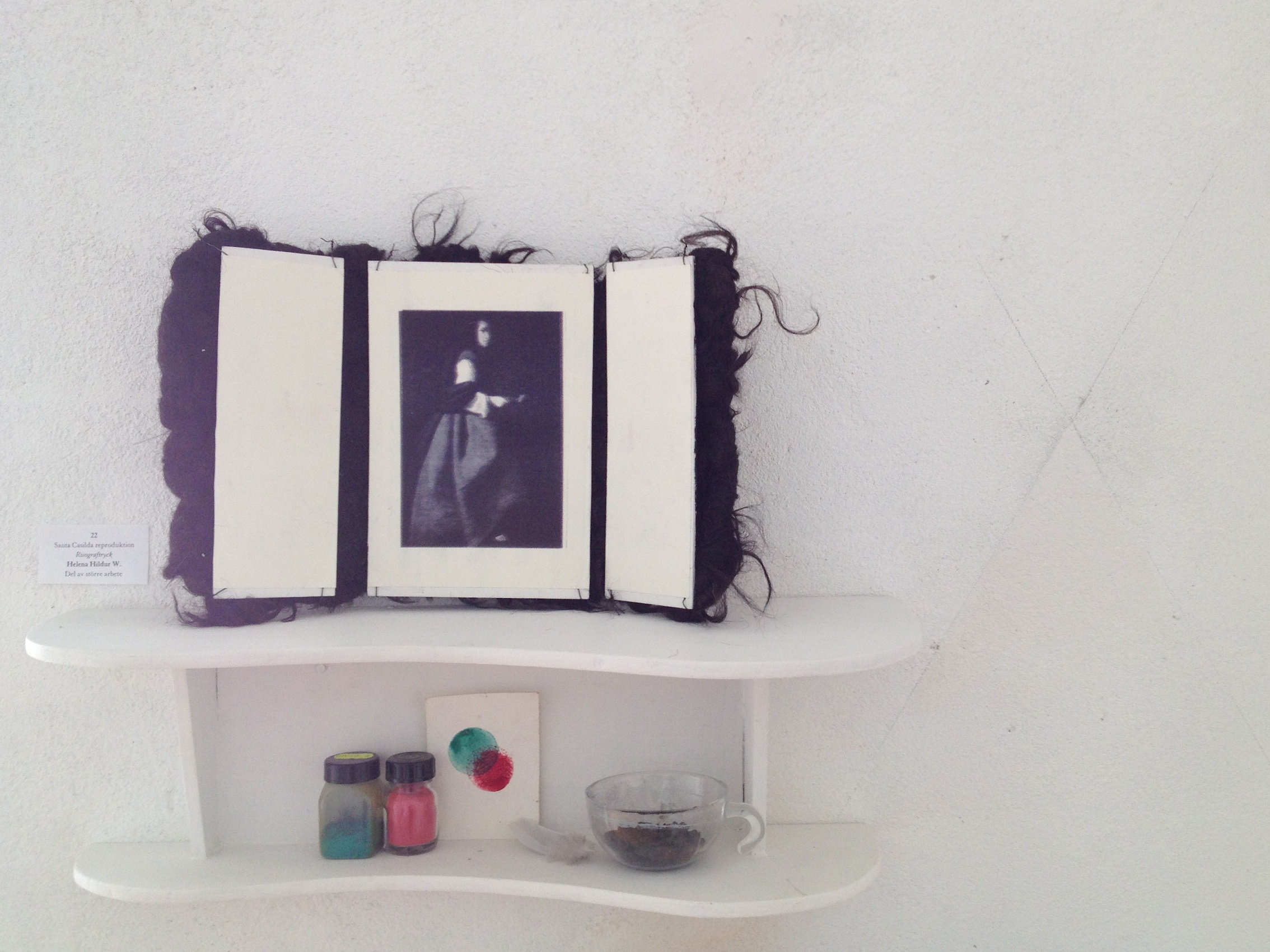
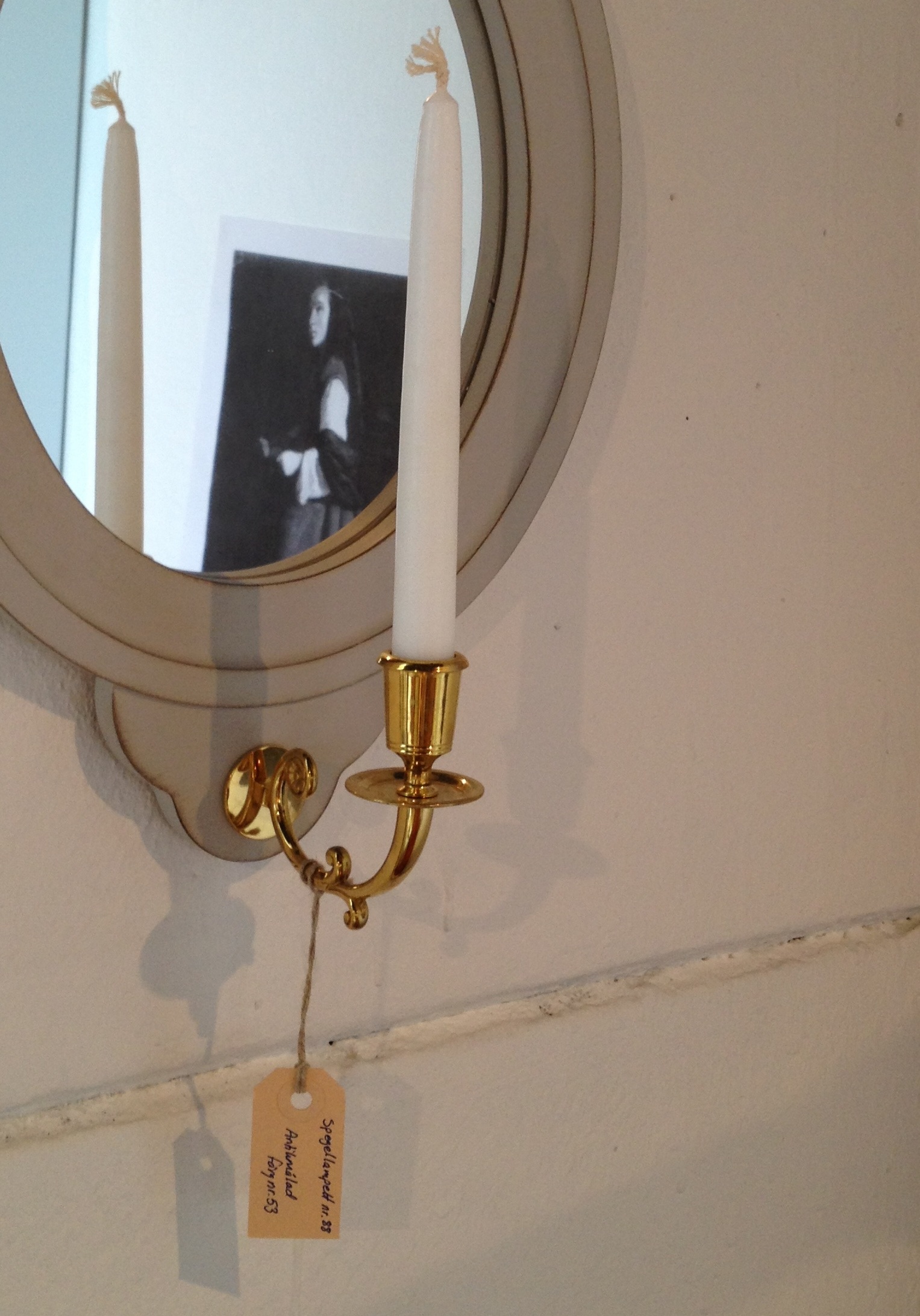
Santa Casilda reproduction at Art Lab Gnesta;
risograph print mounted on felt, pigments, monoprint on paper
and pencil drawing on wall; photo by HHW.

2012 Meet the Artist admins at Art Lab Gnesta;
photo by Signe Johannessen
The annual Meet the Artist event is powered by the municipality of Gnesta, with some help of volunteers. The exhibition space at Art Lab Gnesta is the hub where participating artists and artisans can present themselves by one work each, and open studios all over the neighbourhood attract hundreds of visitors over the weekend.
At Åmells Möbler, I share the space with photographers Bengt Björkbom and Pekka Virolainen and therapist artist Lars Berg. People come and go all day; some stay long, some are mainly interested in sofas and dining tables, some are friends and family, some are happy to recognize well-known features, some have precise technical or hermeneutical questions… For the artist, this is also a See the Viewer event, providing feedback on multiple levels.

2012 Meet the Artist event at Åmells Möbler;
photo by Lars Berg (thank you, Lars!)
2012 meet the artist @ Åmells Möbler I
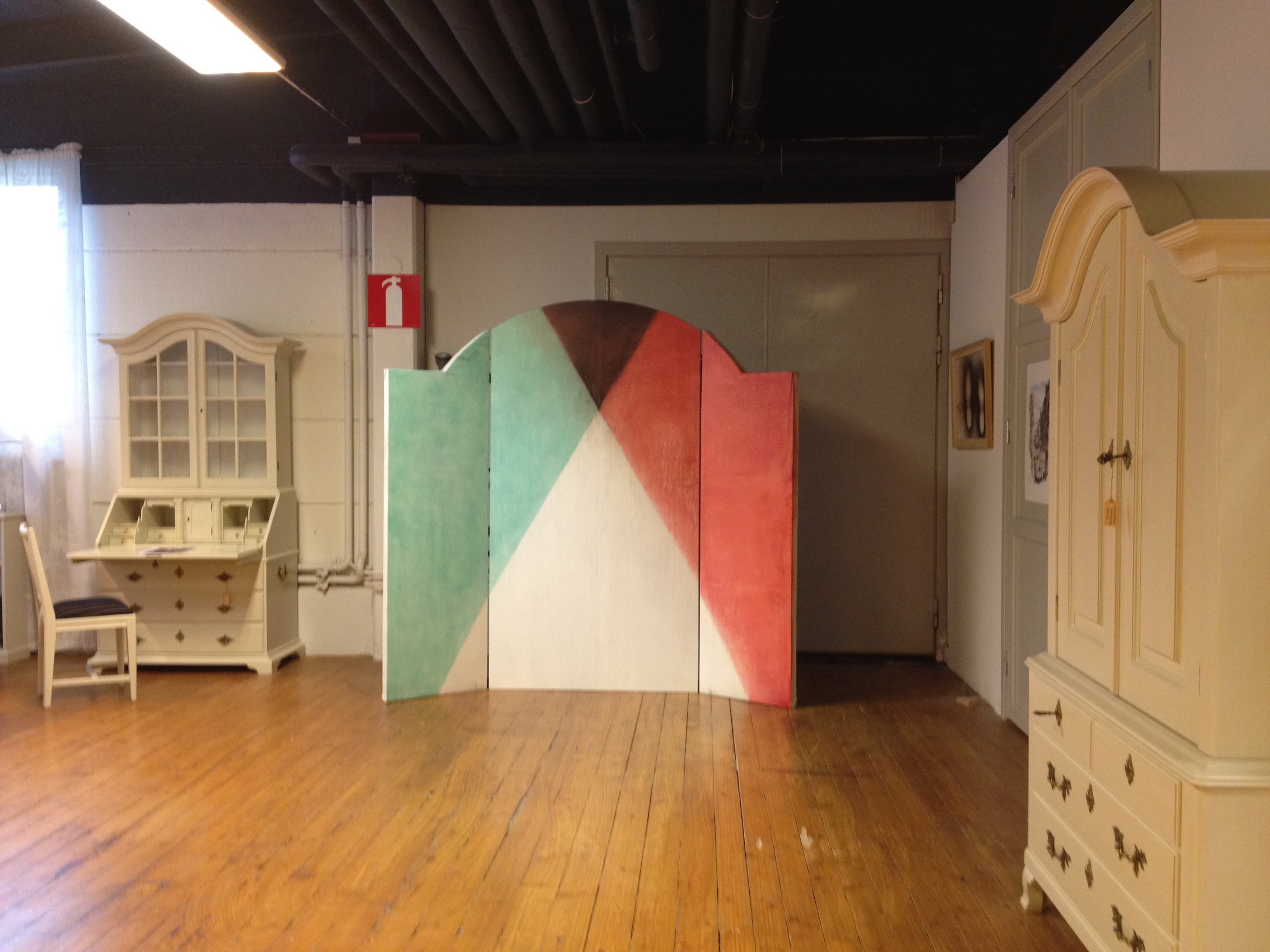
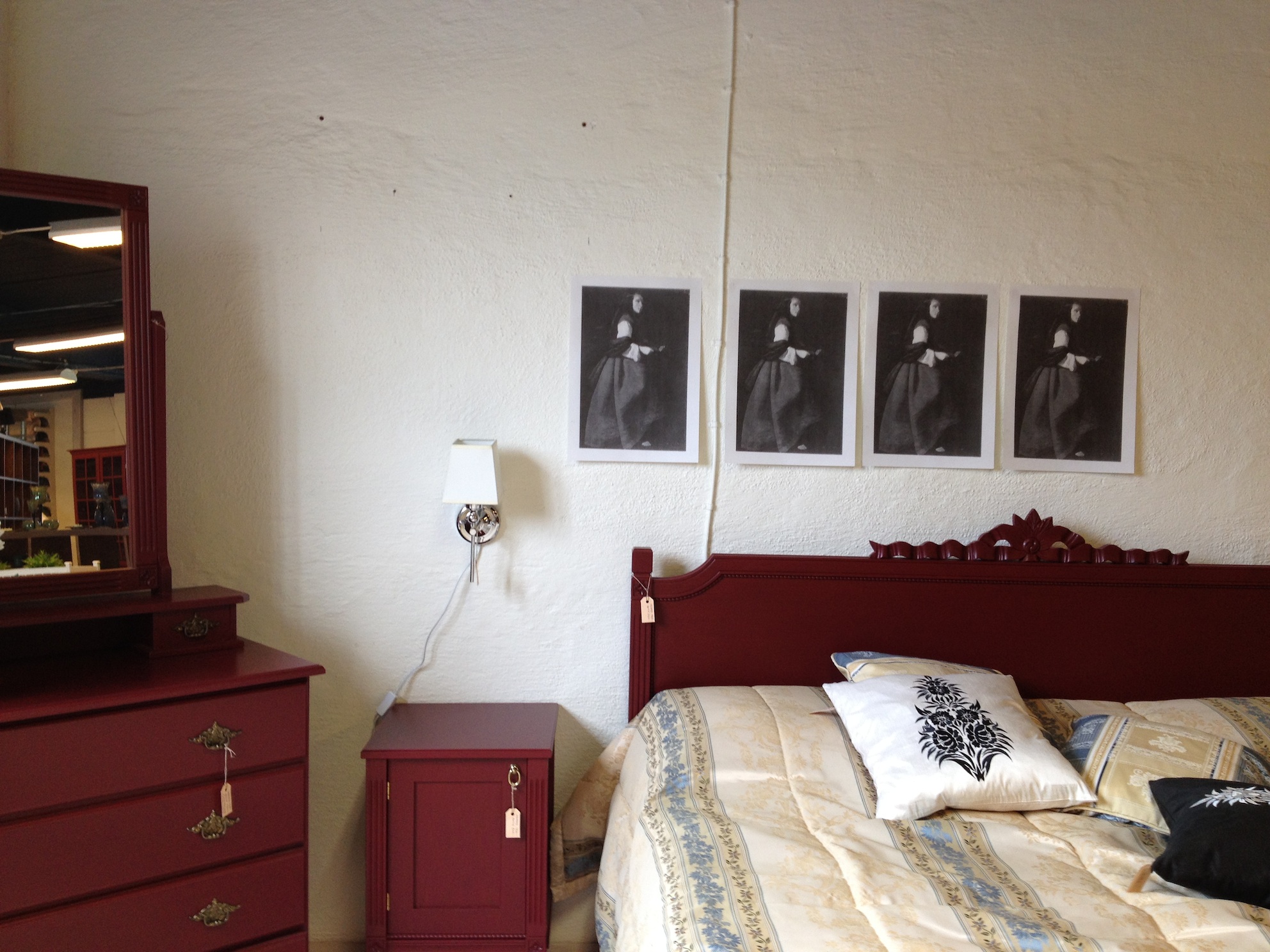
art, beauty, DADA, recent workThis is Gnesta Konstrunda 2012, a local ‘Meet the artist’-event. Just like a year ago, I’m invited to exhibit some works at Åmells Möbler – a company showroom for skilfully handcrafted furniture. I mount the recent #I triptych and place it between two cabinets… Right.
#I (work in progress) displayed at Åmells Möbler;
oil on canvas, app. 200 x 200 cms
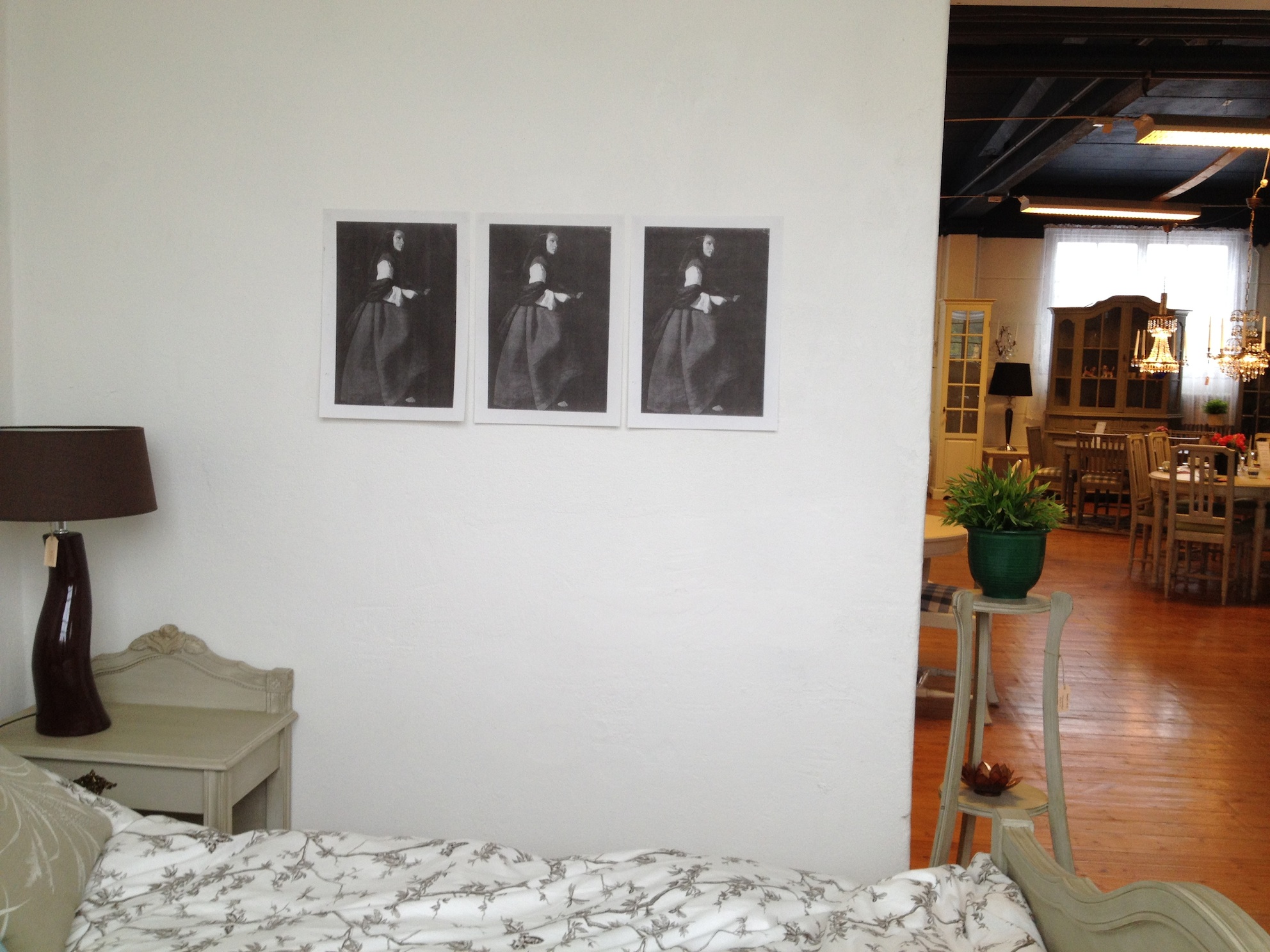
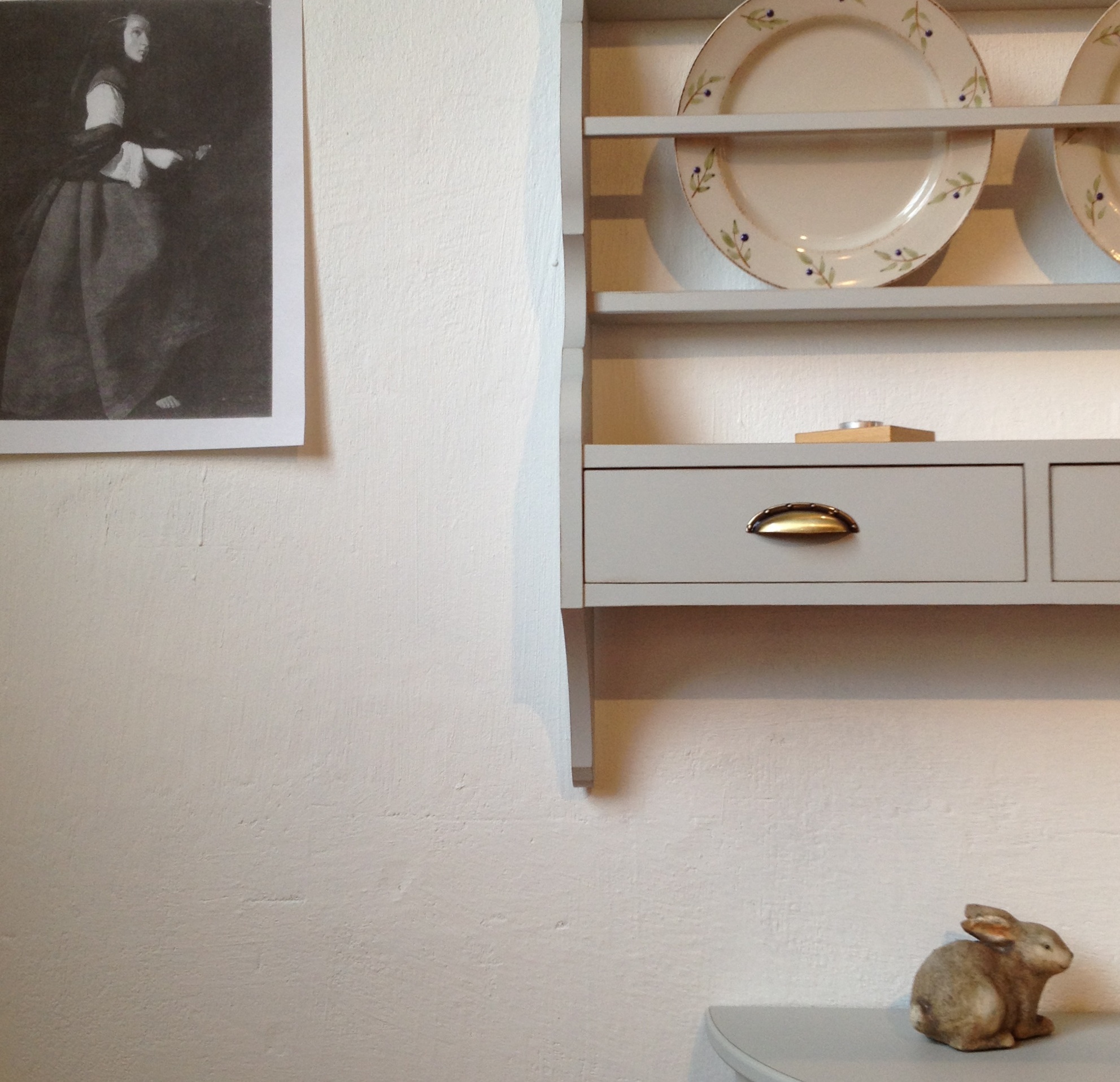
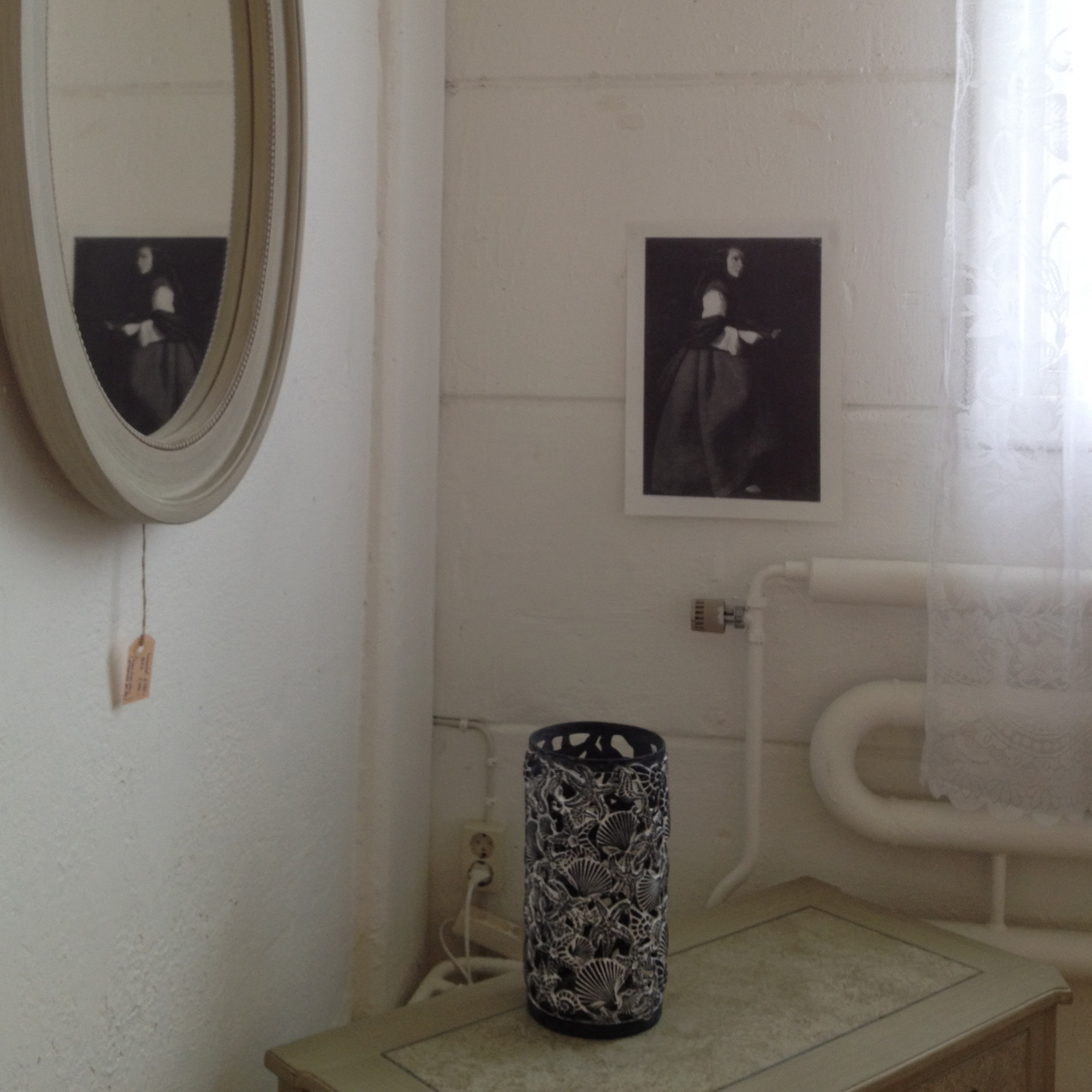
And next, 14 prints representing the Zurbaran Santa Casilda are hung at the approximate eye-level of a young girl.

Santa Casilda reproduction;
risograph print on recycled paper, 42 x 29 cms each
The legend of princess Casilda, discovered when carrying bread to the imprisoned martyrs held by her father, echoes in black and white images against the backdrop of stylish furnishing. Or, from another viewpoint, the prints provide a modest background for the items on display.
Ok, this is it. Now for two days of meeting the public…
images from the Land of Mir II
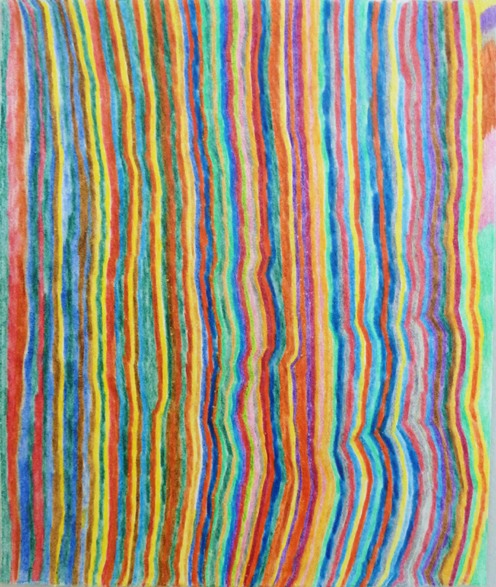
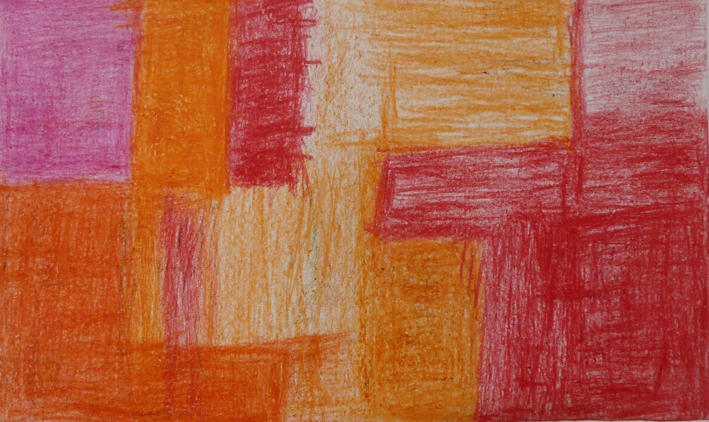
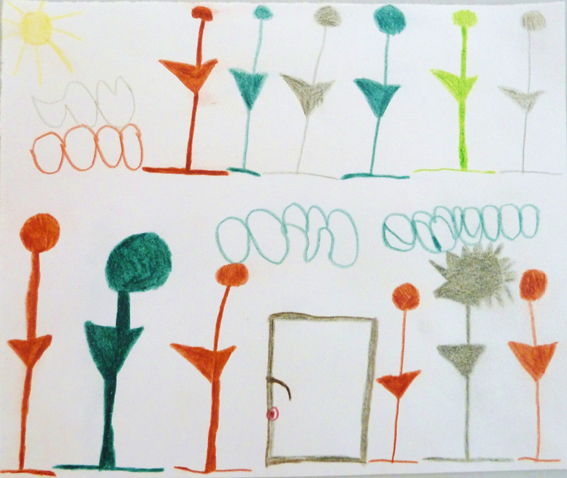
recent work, teaching, time-outA piece of paper, some ordinary crayons or pencils. A sustained awareness during hours – days, maybe. The resulting image unveils the nature of a unique world; sometimes calling for the sensibility of a butterfly’s antennae, sometimes chaotic, disproportionate, disturbing. Sometimes orderly, even bordering to the surreal. And sometimes overflowing with the vitality and power of living colour.
All works depicted here were performed by participants in this summer’s creative workshop at Gillberga, Södertälje (Sweden).
From top to bottom: a crayon pencil drawing by AE; two graphite pencil drawings by PS; a wax crayon painting by TK.
images from the Land of Mir I
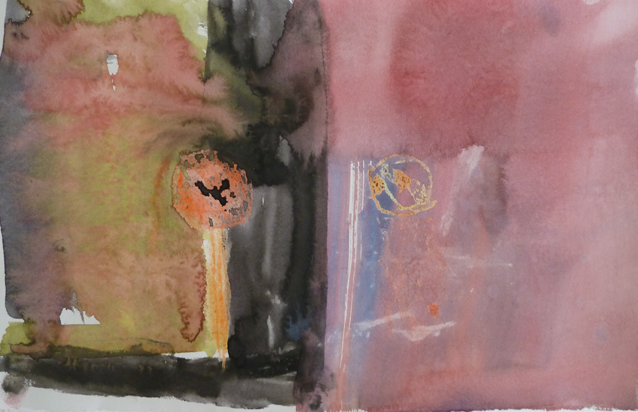
art, recent workWatercolour painting by EB 2012
Images from two weeks of creative work, together with a mixed group of intellectually challenged/funky people and so-called normal ones.
– Why do I keep leading these workshops, each summer since 2002?

Colour pencil drawing by AE 2012

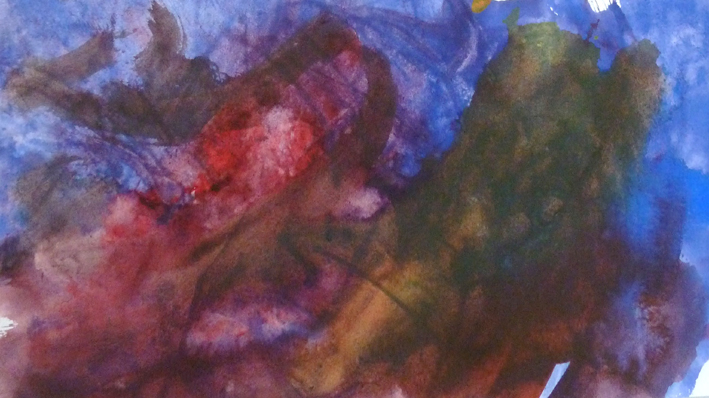
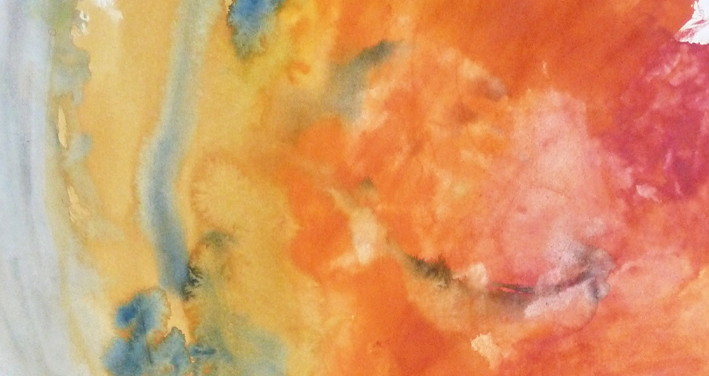
Watercolour paintings by LK 2012
Well, pictures like these give me the full answer. But the woman who asked me the question – one of the workshop participants – wanted more; she wanted a statement in plain, clear words. So, here it is:
Dear friends, your works open worlds unknown to me, they are vehicles to travel the inner space.
There are so many ways of being human.
gray paintings
art, recent workGnestopia/Grassworks/Fält
art, curating


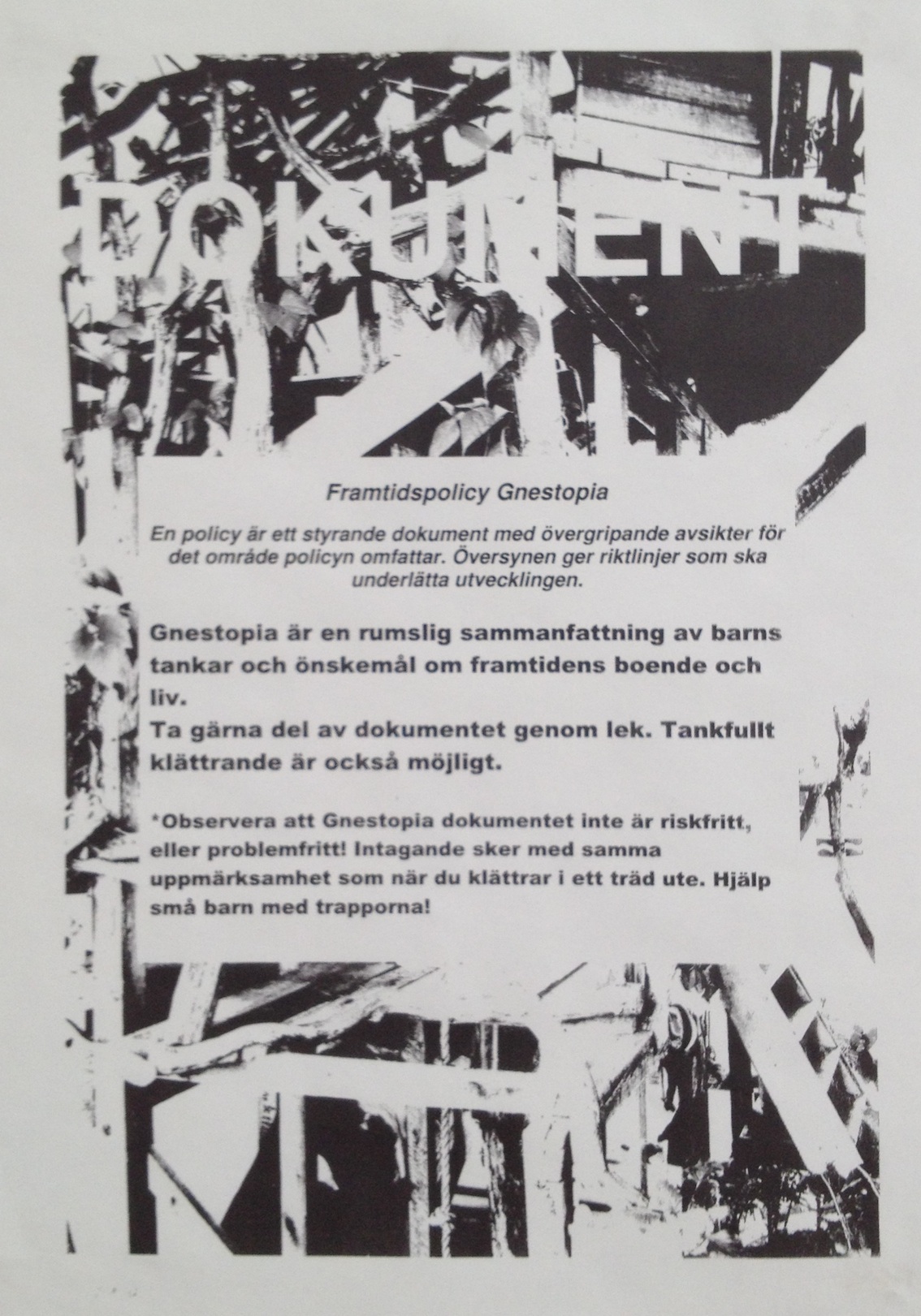
Future policy Gnestopia, artwork by Kultivator at Art Lab Gnesta
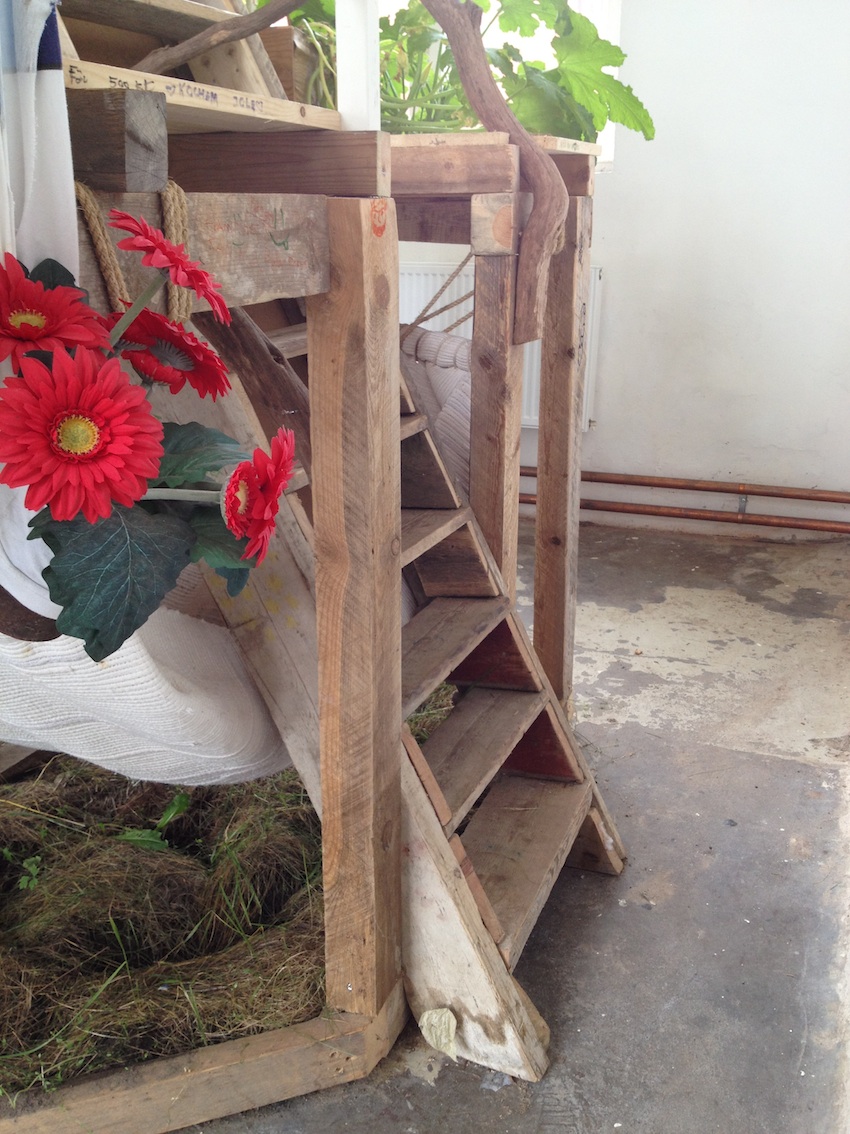
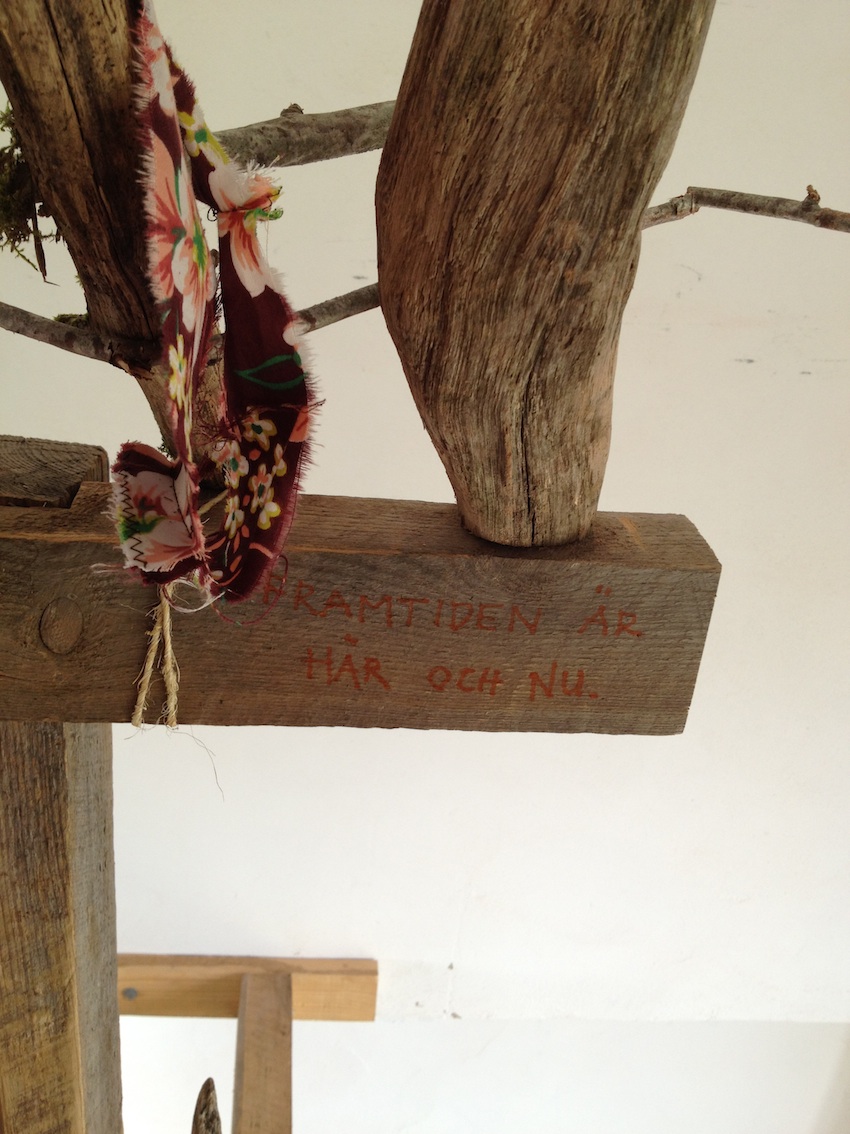
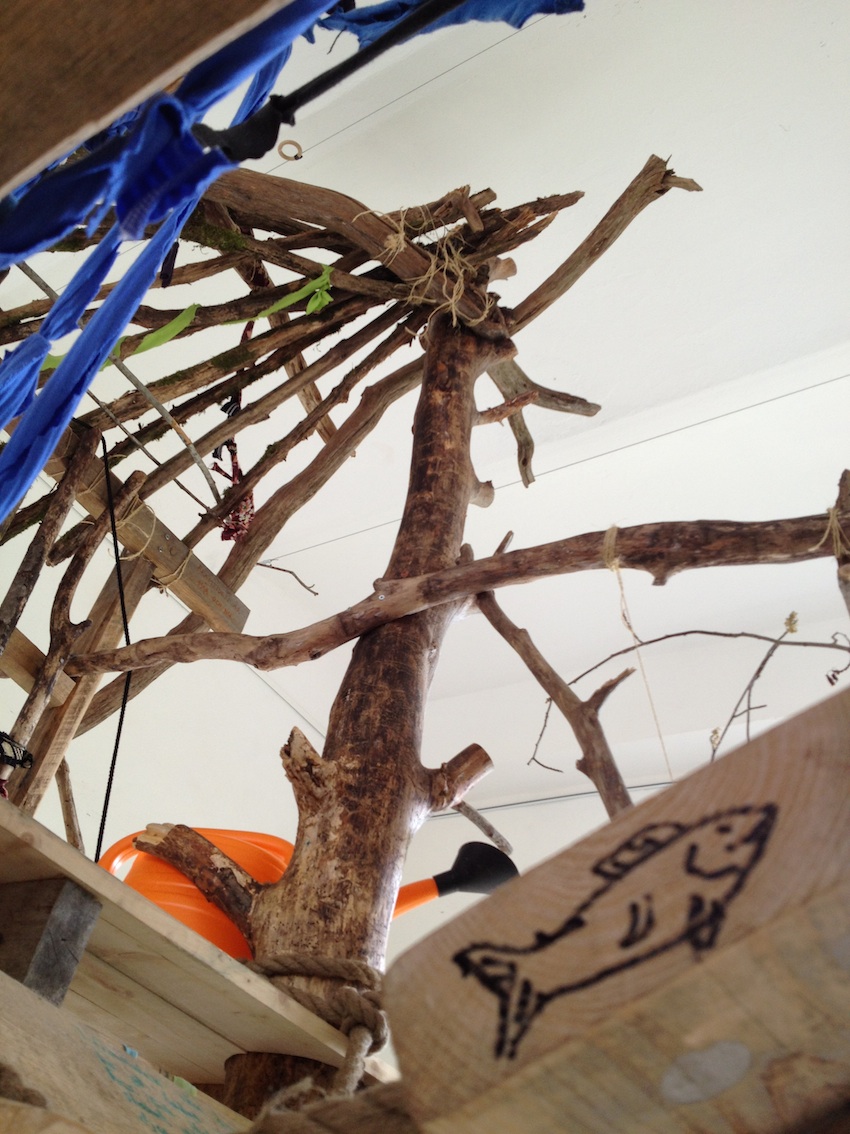
Sunday July 22nd was the last day for Gnestopia; it had then been alive and growing for six weeks in our exhibition space at Art Lab Gnesta. It was conceived and constructed by Kultivator – an experimental cooperation of organic farming and visual art practice based in the rural village of Dyestad, Sweden – in collaboration with Gnesta 4th- and 5th-graders. Since the opening in early June, visitors have added their specific thoughts and wishes for the future and seeds have grown to blossom and fruit.
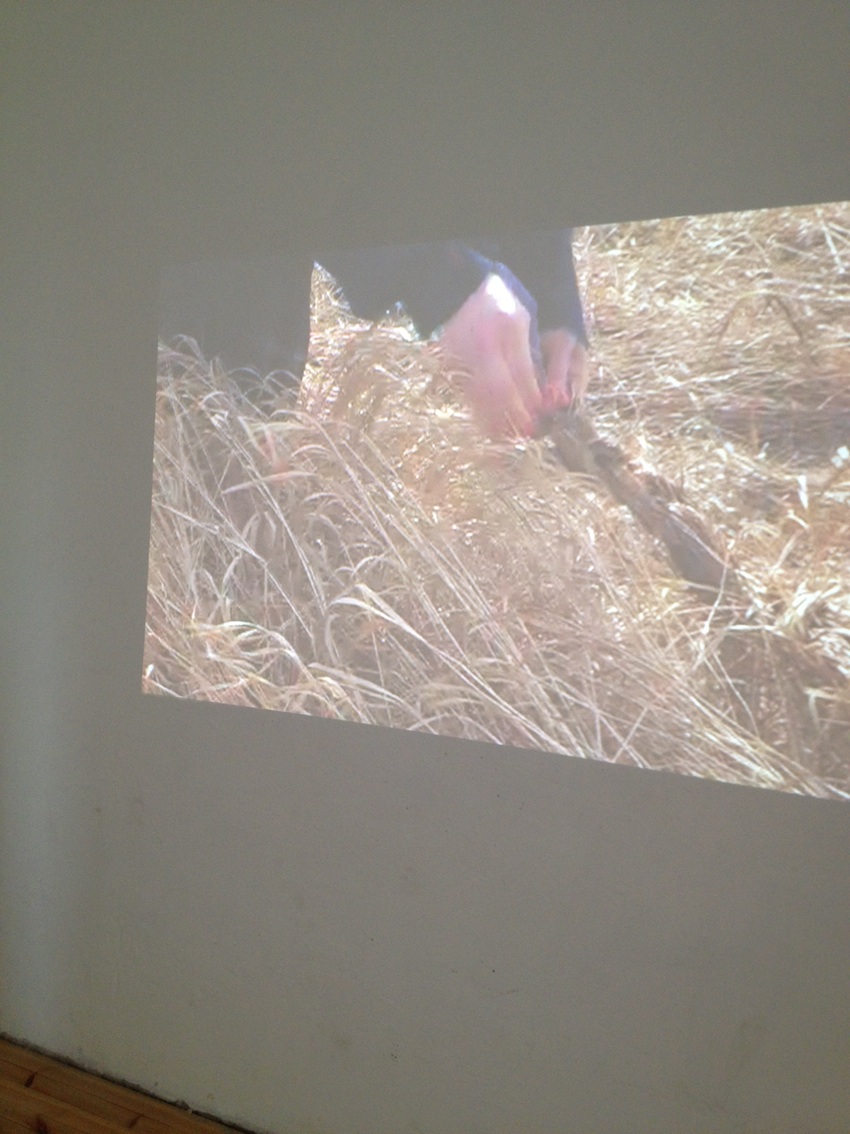
The playful, optimistic mood of Kultivator’s three-dimensional policy document was matched by the subtle and anti-monumental qualities of Grassworks, a video by Emma Göransson. Two hands braiding grass at the shore of a lake, a single voice humming; a celebration of the repetitive, the impermanent, the scarce, the indomitable.


Grassworks, video by Emma Göransson at Art Lab Gnesta
Oh, did I forget to mention Fält (“Field”)? It’s the brand new magazine launched by Art Lab Gnesta; first issue reflecting Green Year 2012 in a summertime mood. A large number of photos – from different photographers, sites and projects – produce a flow of blue, orange and green shades through the pages, while texts (in Swedish) provide food for thought, literally: on food-making as art, mindfulness and a middle-class lifestyle project; on long-term experiences from local biodynamic farmers; also about the Finnish art-and-forest initiative of Mustarinda, about a Mongolian yurt on a tiny island in lake Frösjön, and the mind of the osprey… Here’s the link:
Artistic Research Processes III
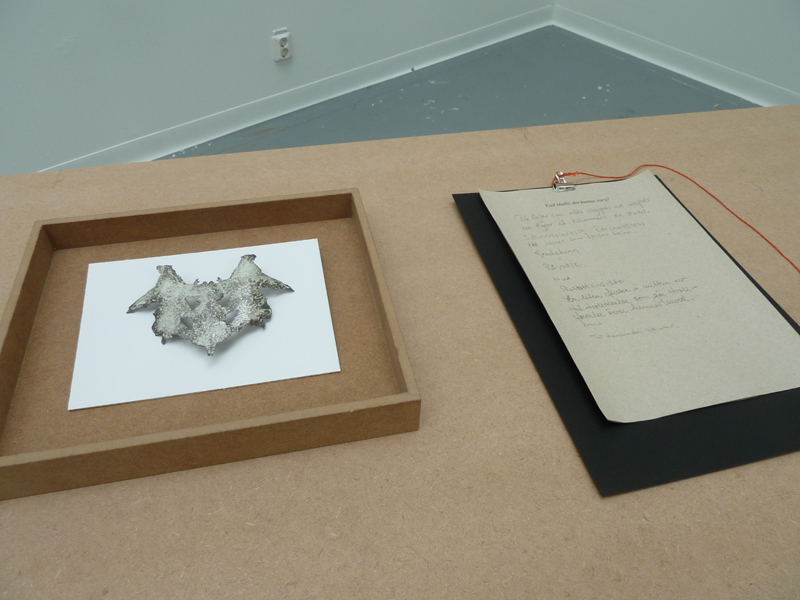
art, recent workAgnieszka Knap: What Could It Be? – enamelled copper plate object (one of four)
From ritual performance and classical horse dressage conceived as art, to interpretations of ambiguous images… The second day of examination continues with What Could It Be? Of jewellery and perception; a project by Agnieszka Knap, invoking the spirit of psychiatrist Hermann Rorschach and interconnecting craftsmanship, perceptual processes and psychoanalytical psychology. Four out of the ten inkblot images that constitute the Rorschach test have been transformed to three-dimensional objects, cast in multicoloured enamel on 0.1 mm copper plate – thinner than eggshell – and the written text reflects (upon) the process of meaning-making as a parallel to the making of an object.
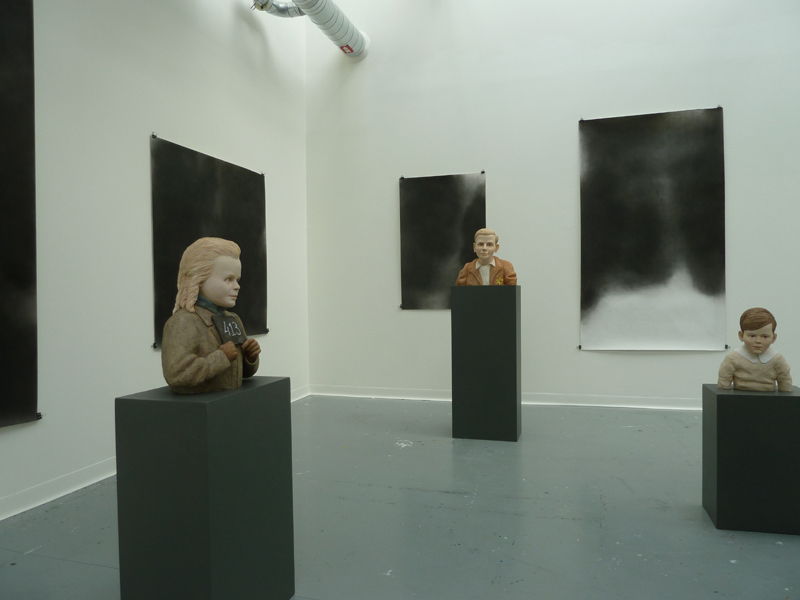
Gert Germeraad: Rationality, Intuition and Emotion
The title of Gert Germeraad’s work could have been a running head for the exhibition as a whole; his own project, a labour of empathy and sincerity, combines sculptural representations of French children disappeared in Auschwitz with large abstract drawings and a profoundly personal text. The three sculptures are modelled in a detached, non-modernistic manner, by adapting measures taken from photos of the lost children. The drawings – there are four of them – similarly vary in size. Text, drawings and sculptures together establish a space of utmost darkness pervaded by light and love.
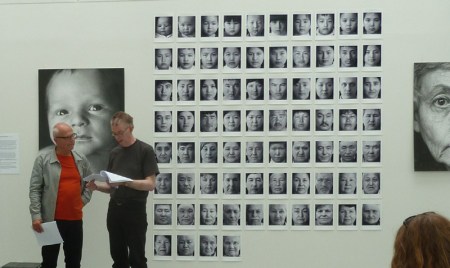
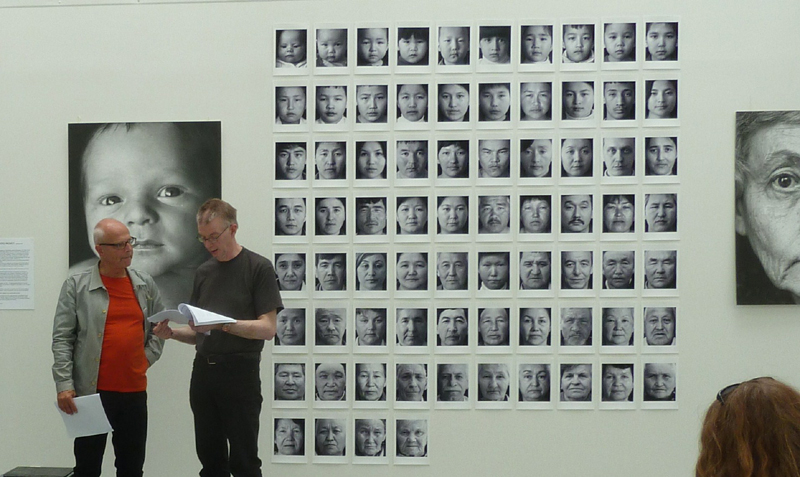
Ivar Sviestins: Reflections on the Global Photo Project
Ivar Sviestins is the photographer behind the Global Photo Project, representing nothing less than humanity itself in a reverse motion of statistic numbers back to individual human beings. The series of portraits picture citizens of a specific country; the choice is made to match the country’s life expectancy data, the framing is strict. And again – paradoxically – the impersonal, almost rigid, set-up helps to uncover the dignity of each person. The course project takes this one step further, through a set of animations; artistically exploring relations between the individual and the collective, between the portrayed person and the beholder, between the moment and the flow of time.
The last examination work, the video installation Whitewash by Antonie Frank, also touched on personal identity and human rights issues; her starting point is her native Canadian origin, only recently recognized. Two video projections were displayed simultaneously, literally down-to-earth, on the lowest part of two adjacent walls, a third one hovering above; black-and-white newsreel cuts, featuring First Nation people of Canada and the US, alternating with freshly made interviews with native Canadians reflecting on their stolen history.
The themes keep coming back, reappearing like the strands of a rope.