Project Student!

art, recent work

140901 01b KKH140901 05b KKH140901 07b KKH  Registration day at the Royal Institute of Art (Stockholm)

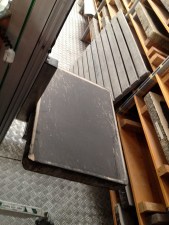
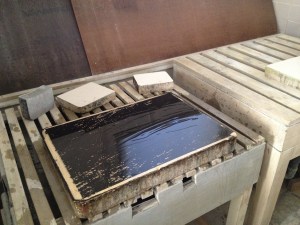
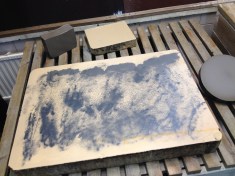
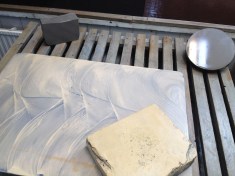
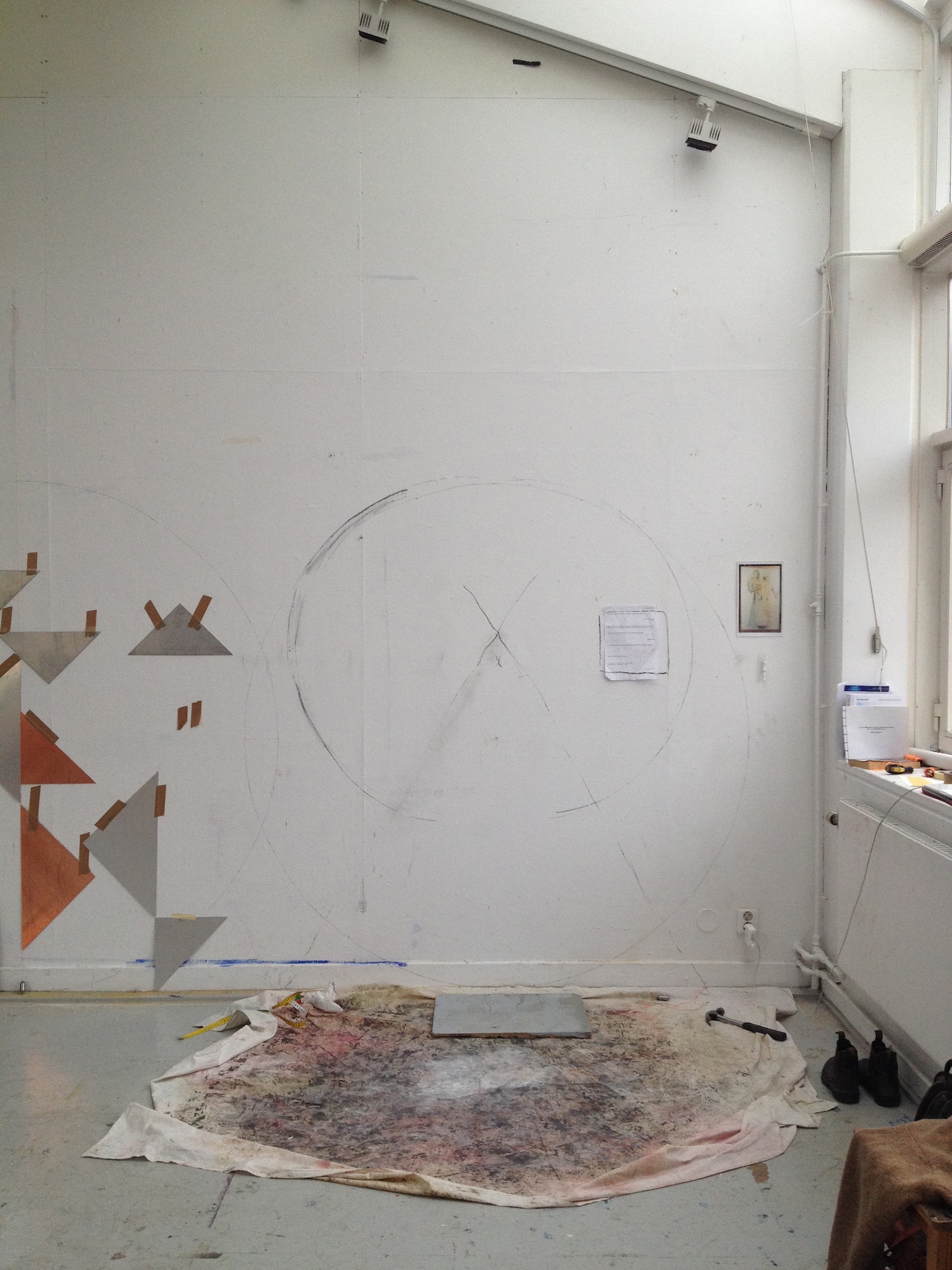
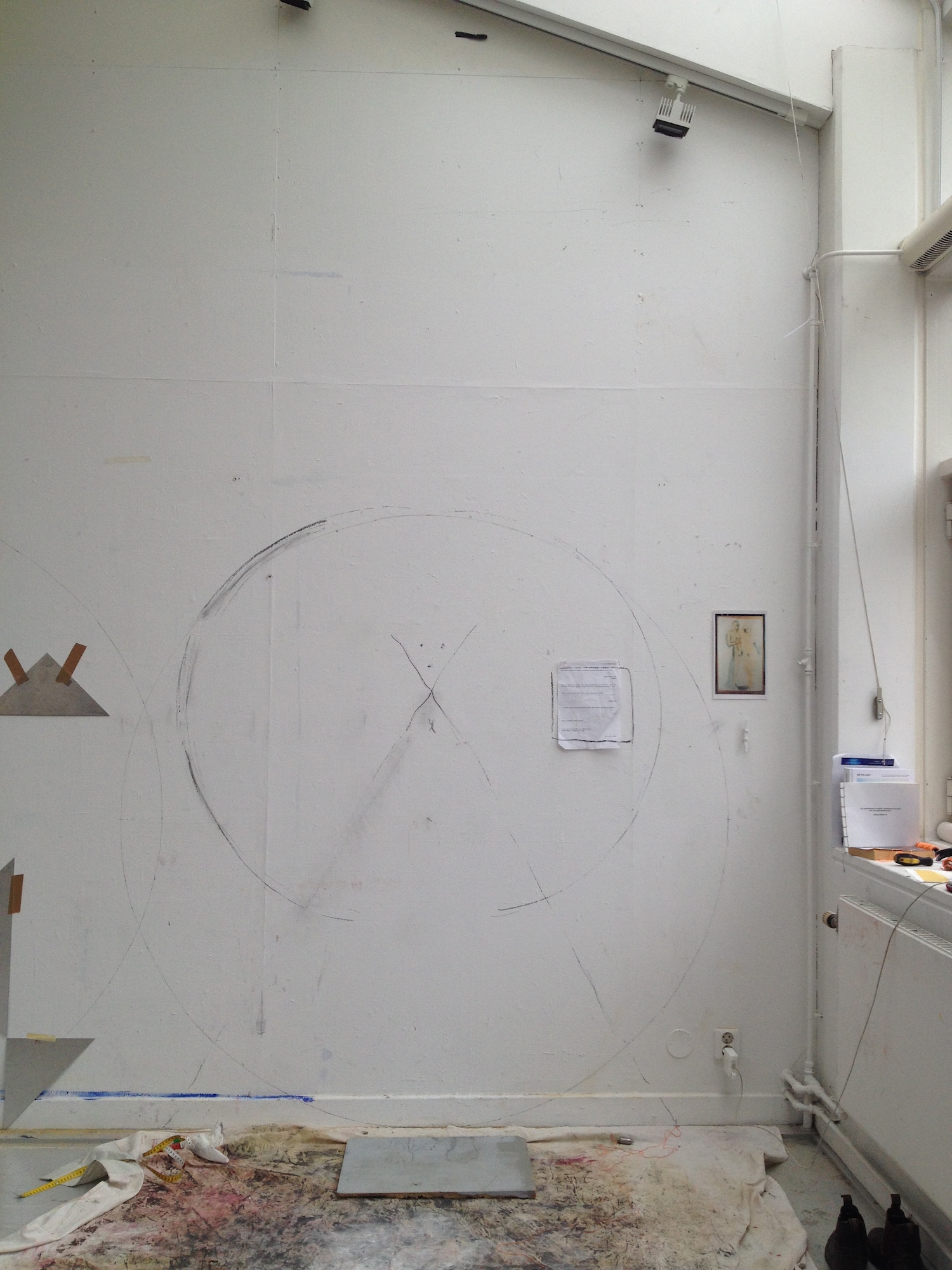
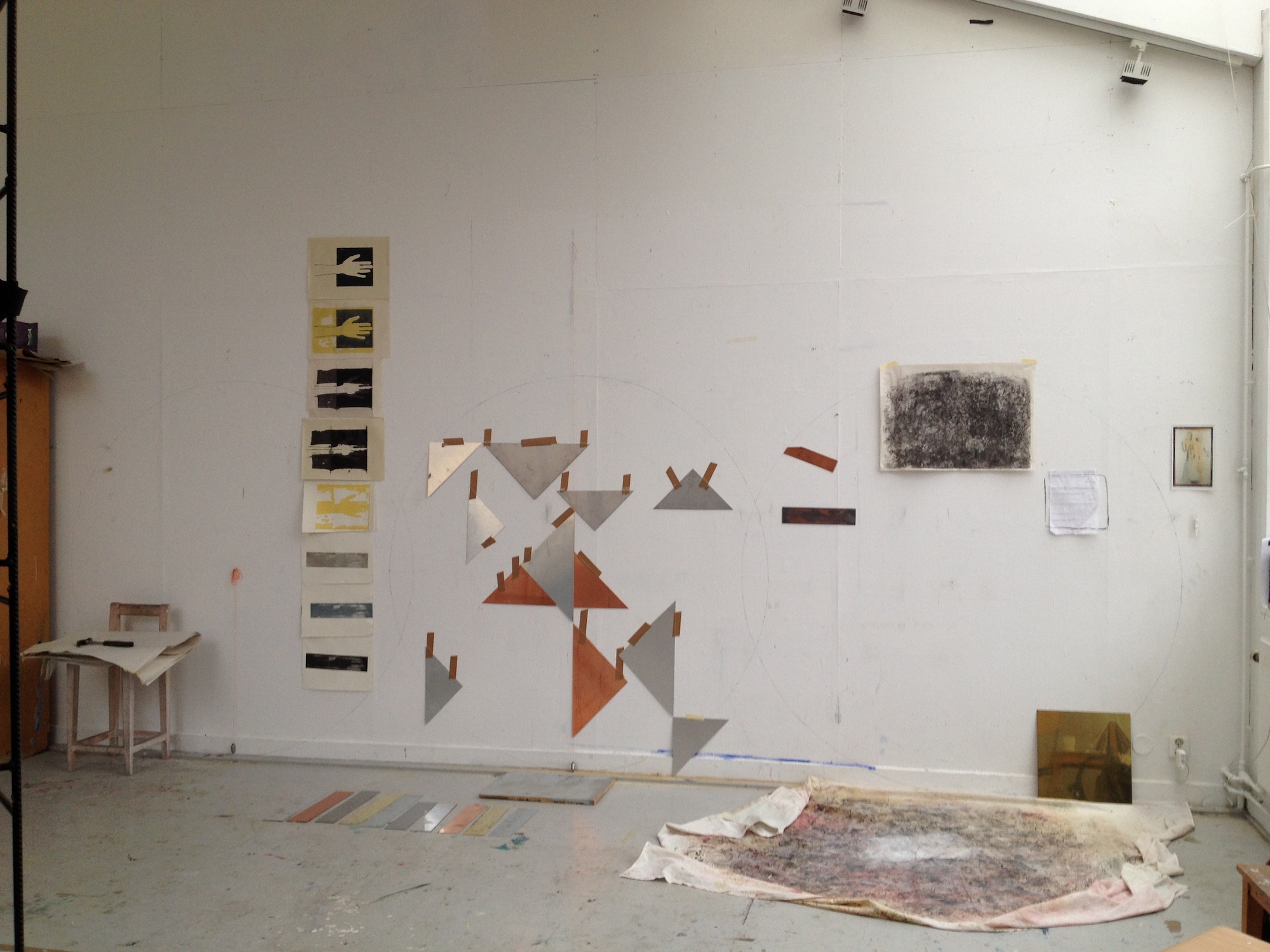
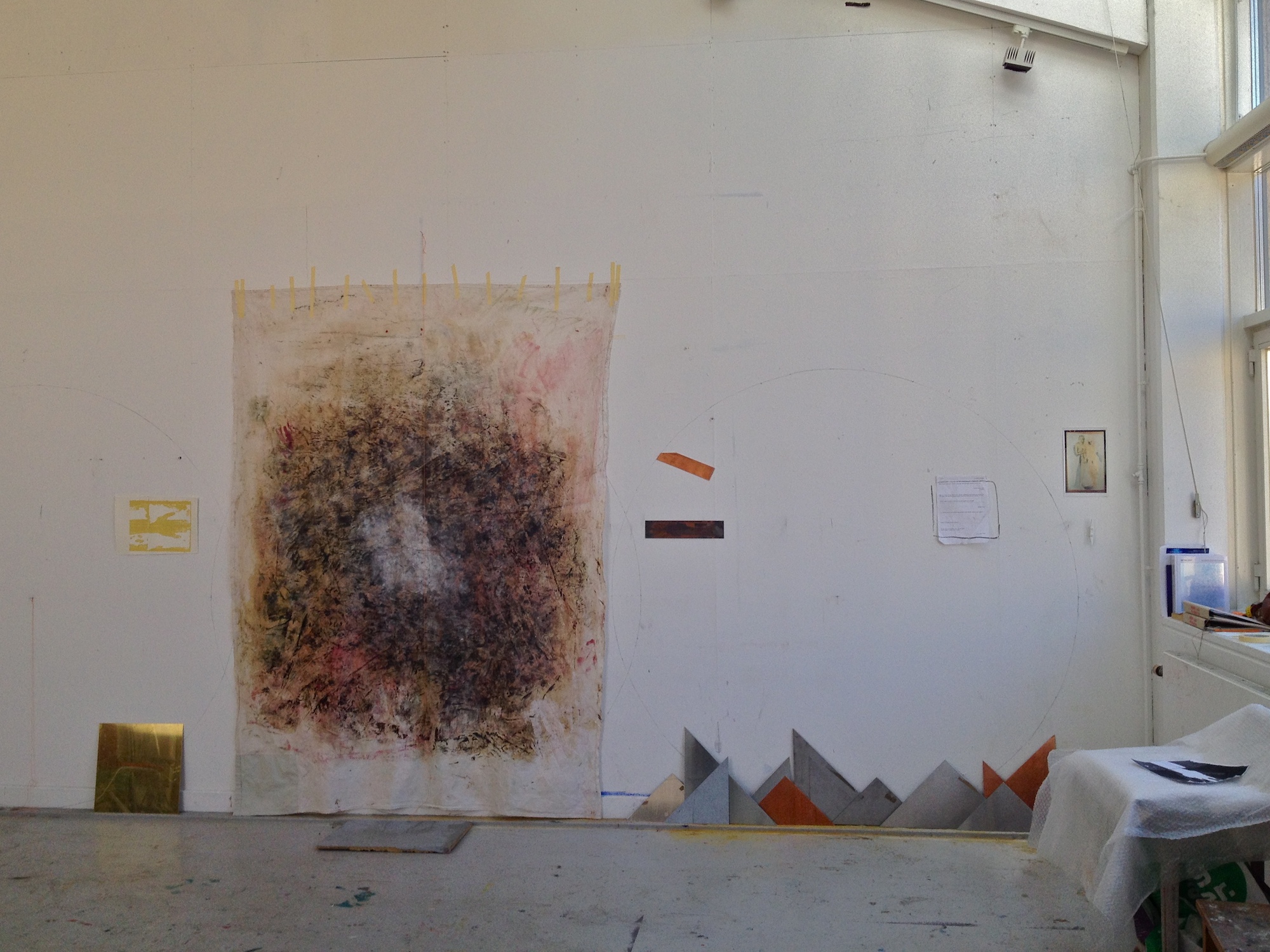
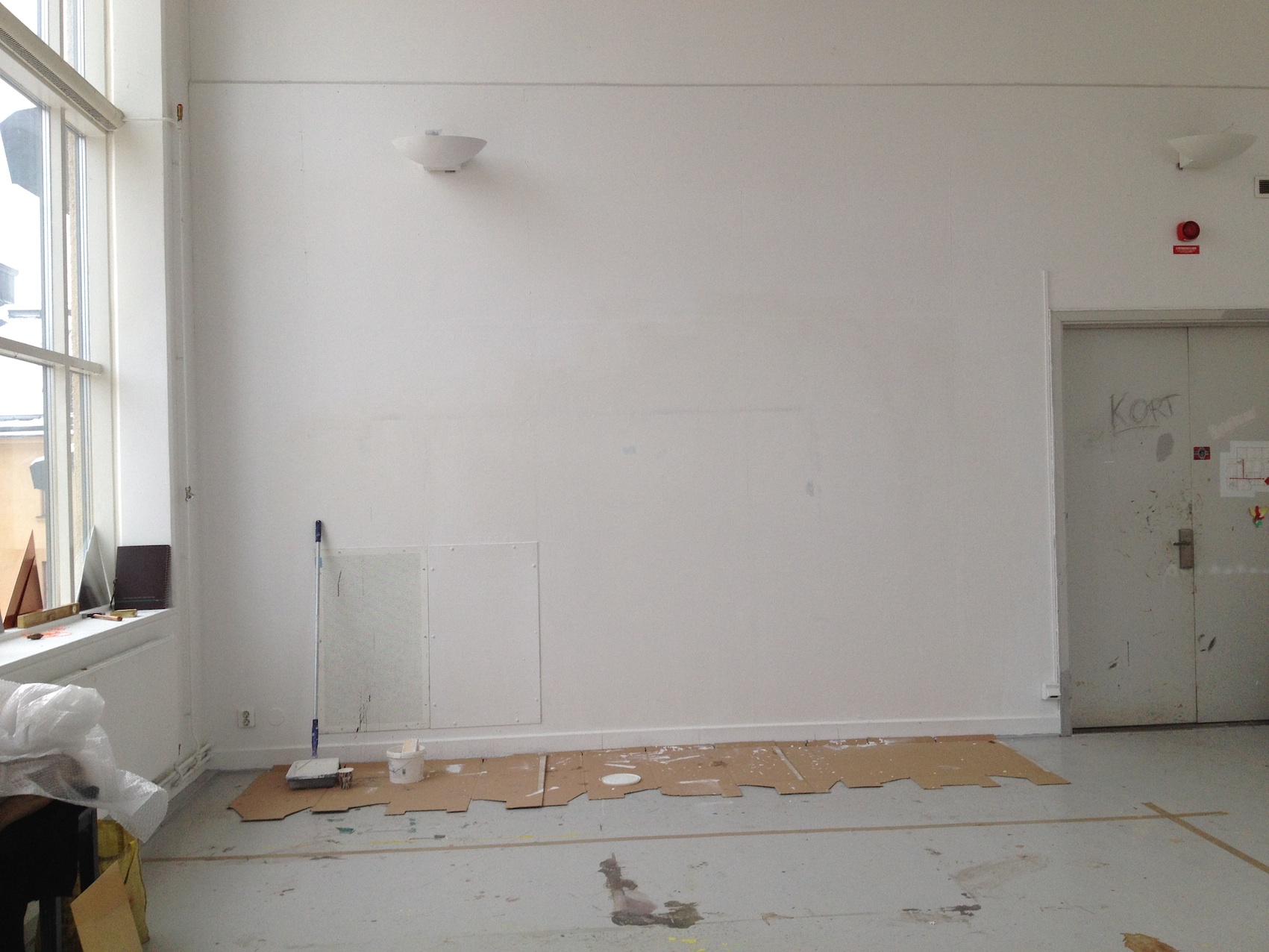
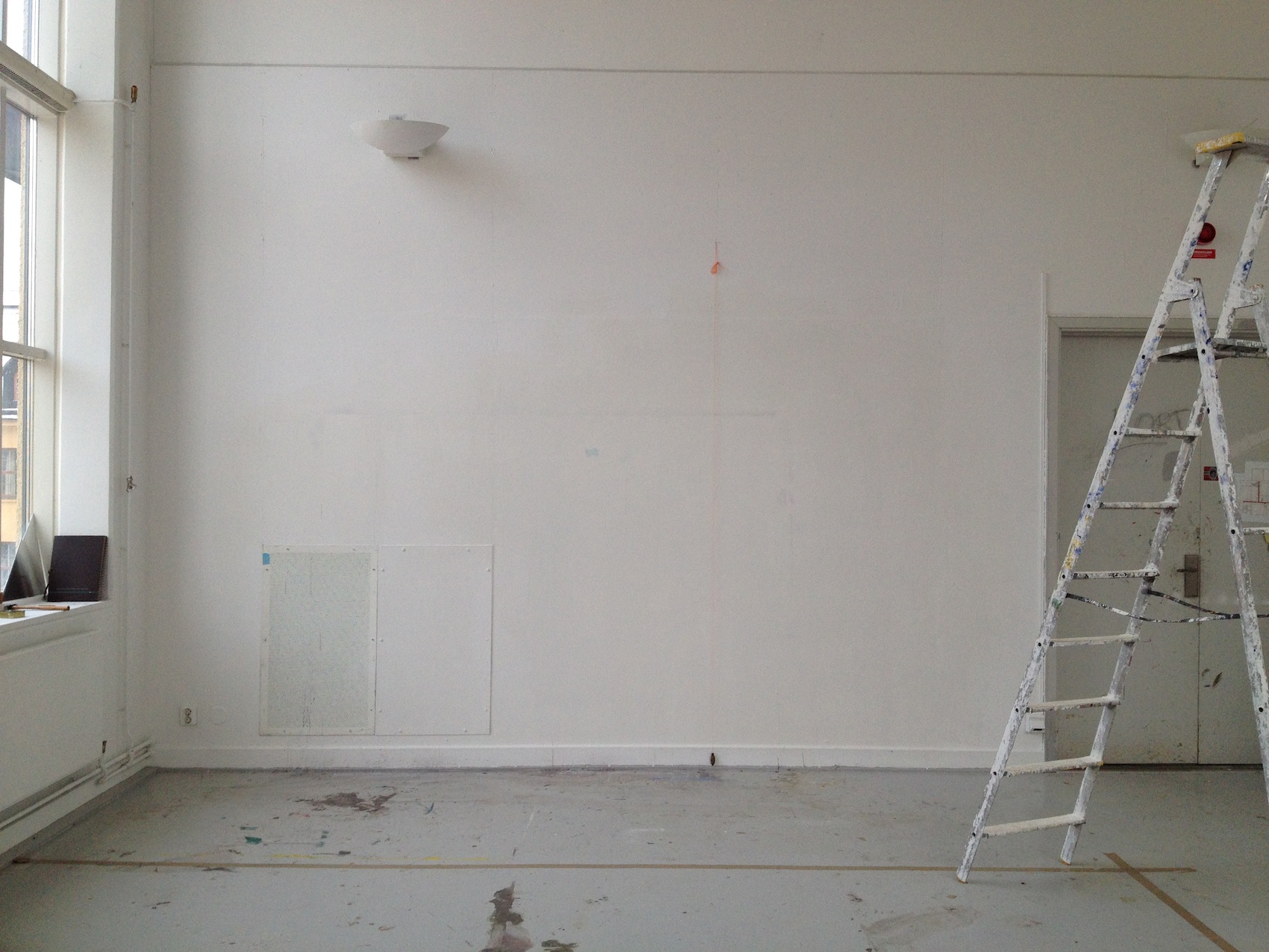
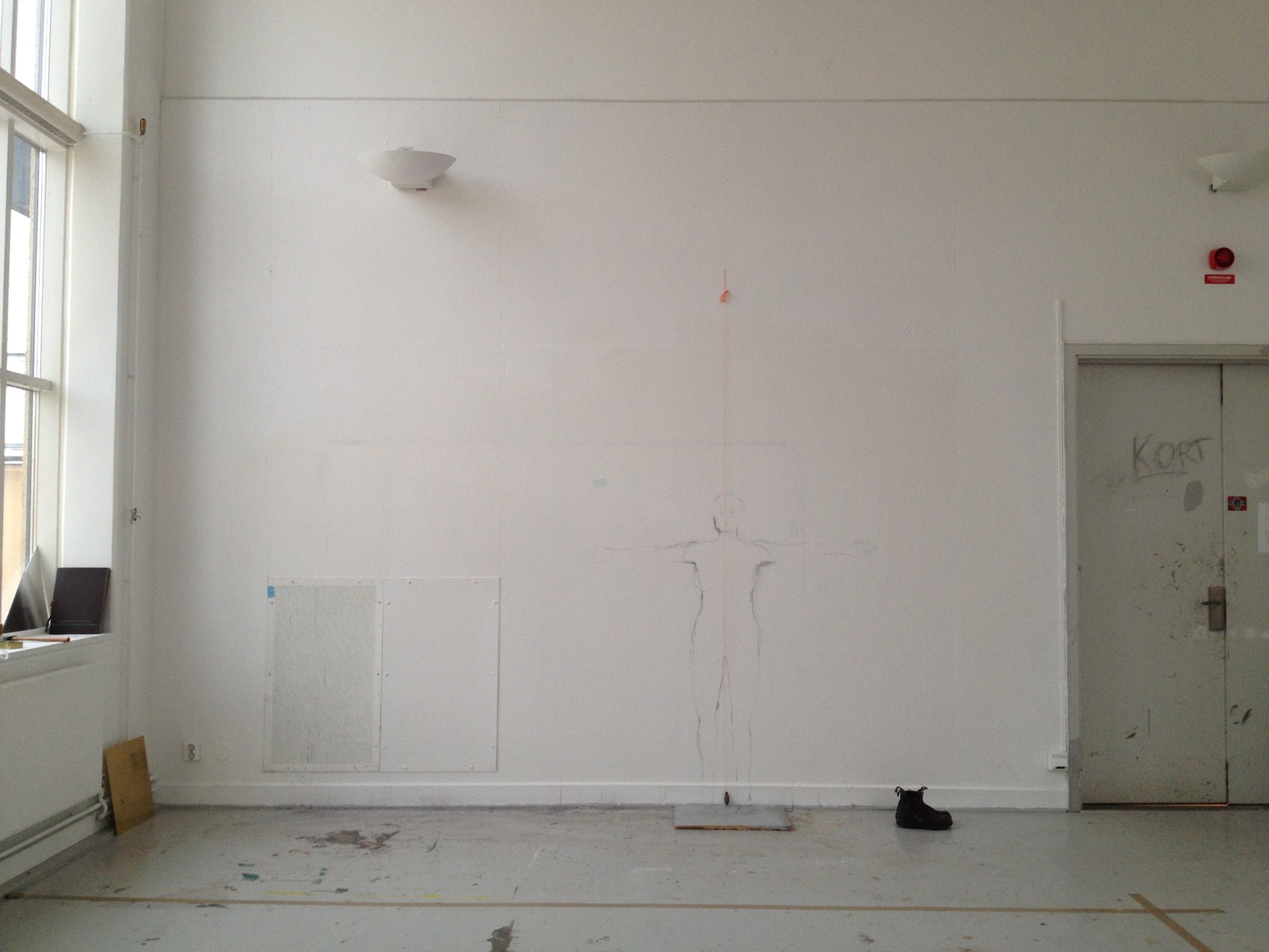
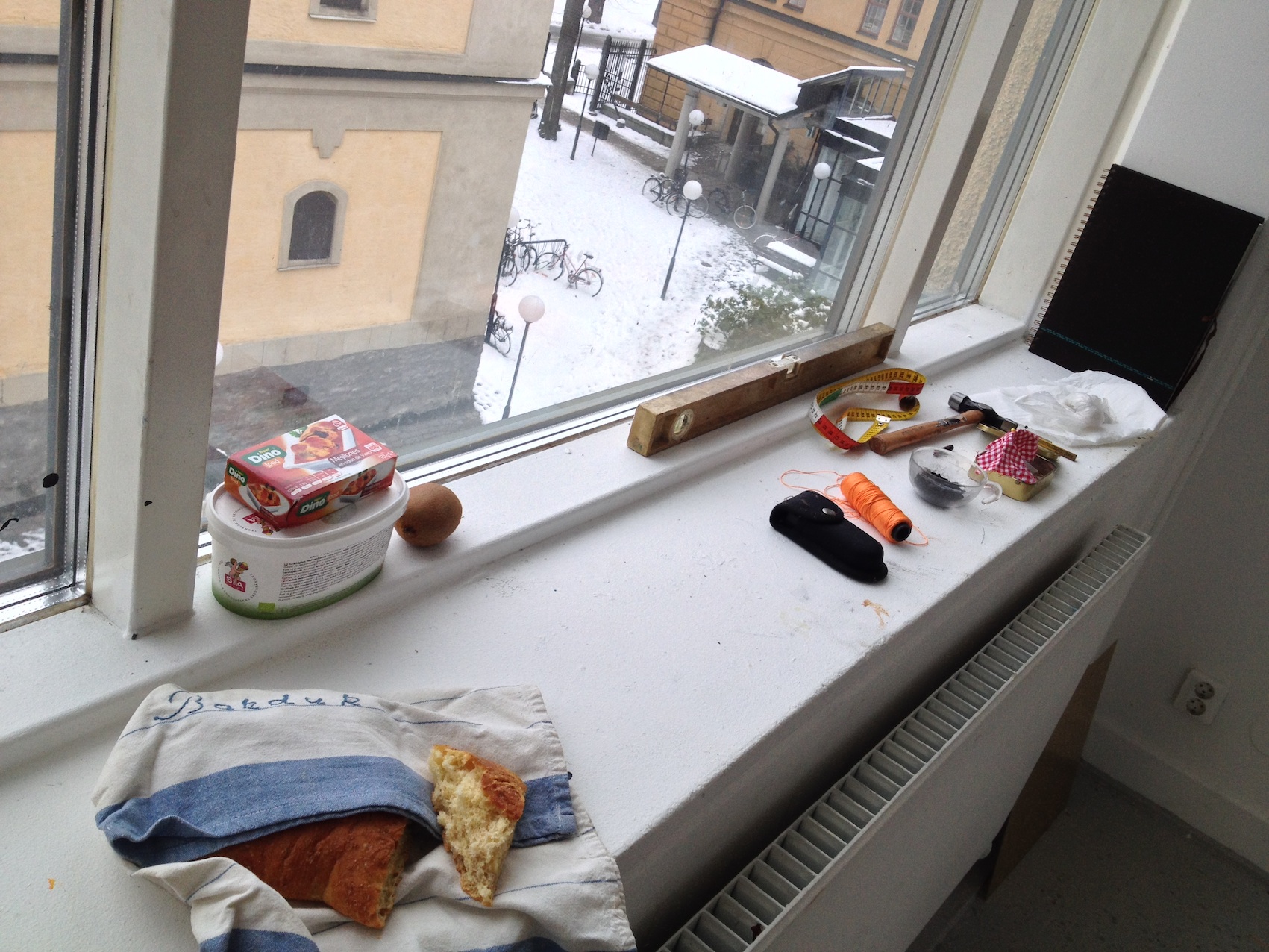
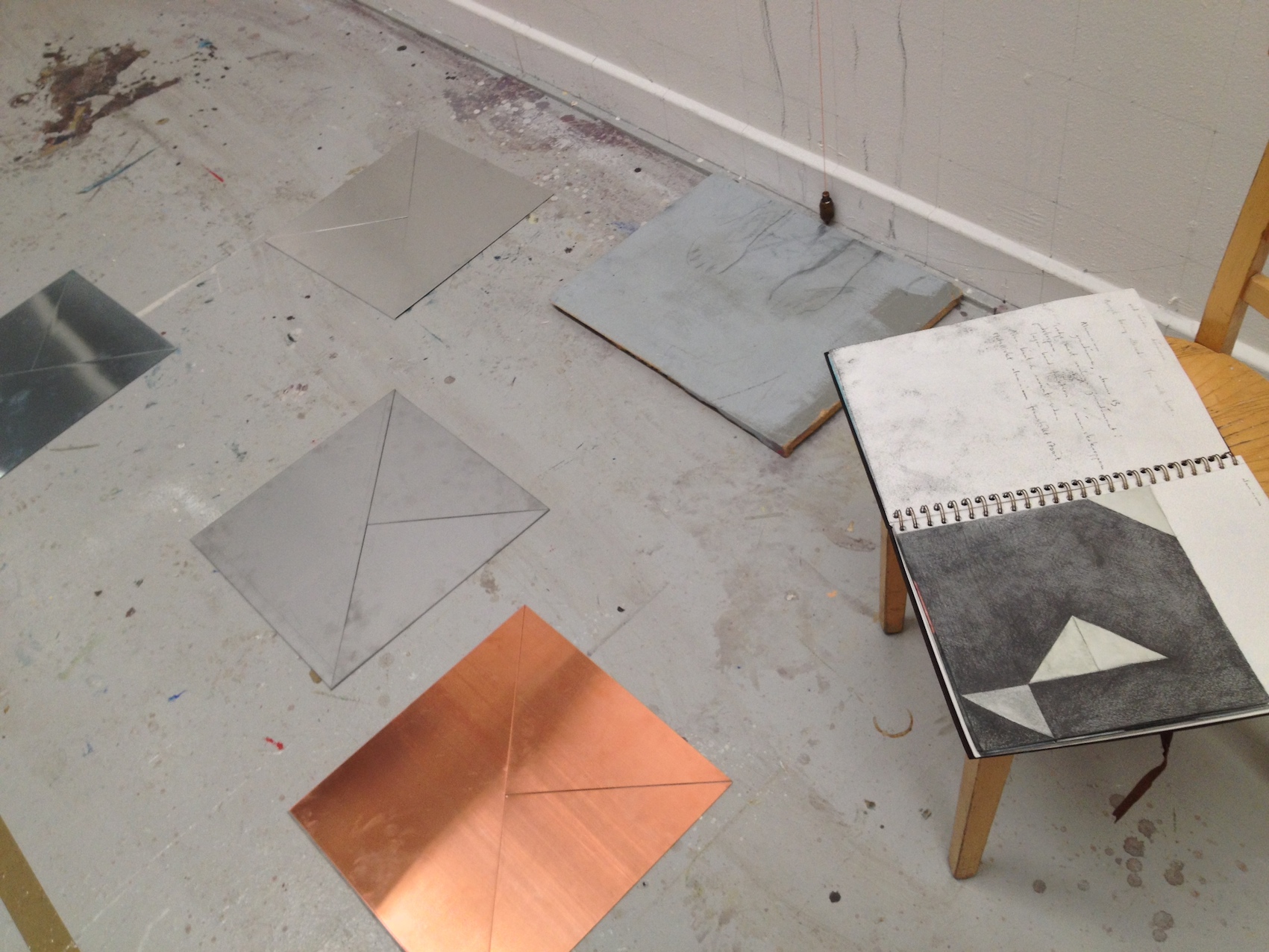
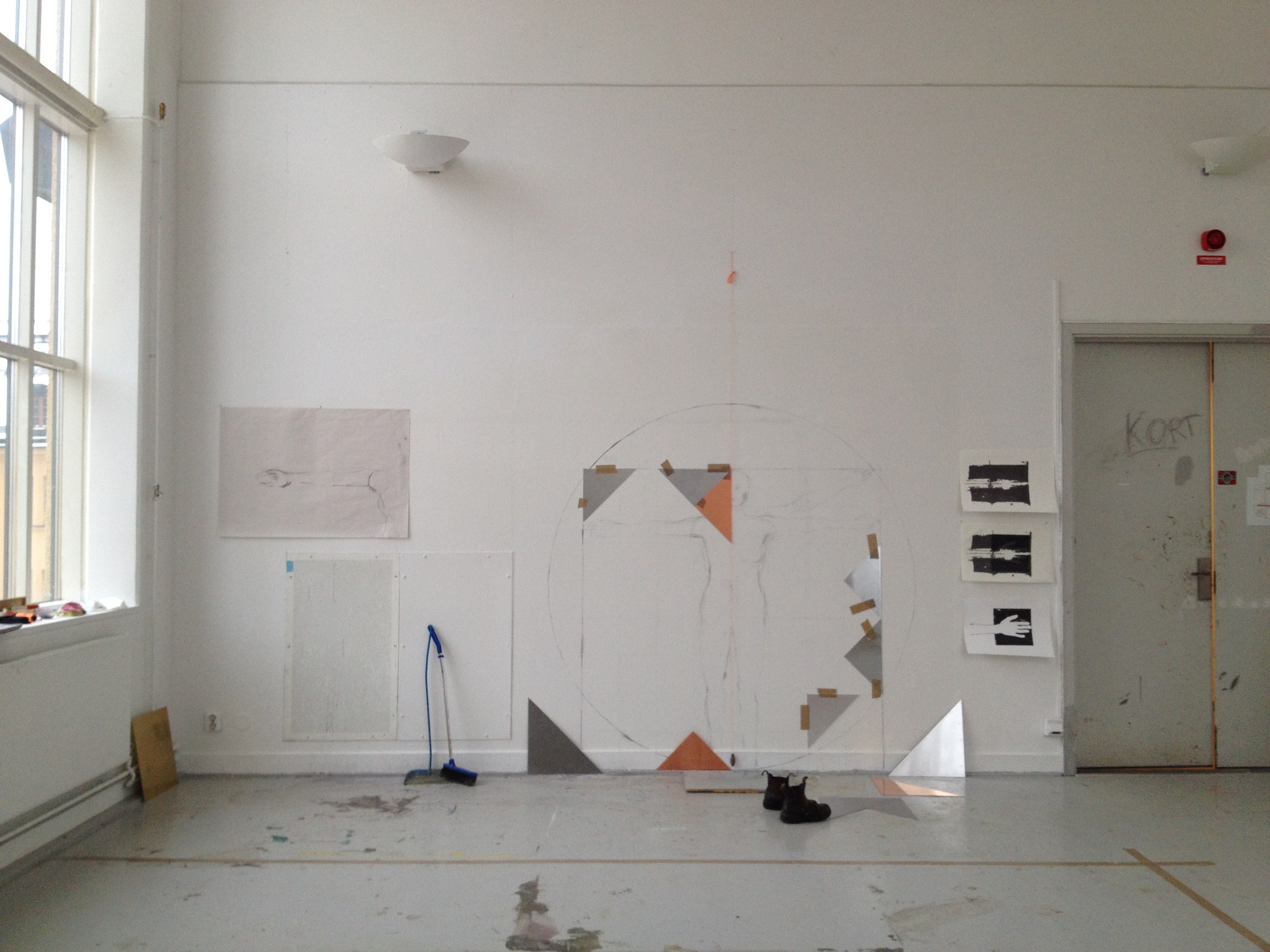
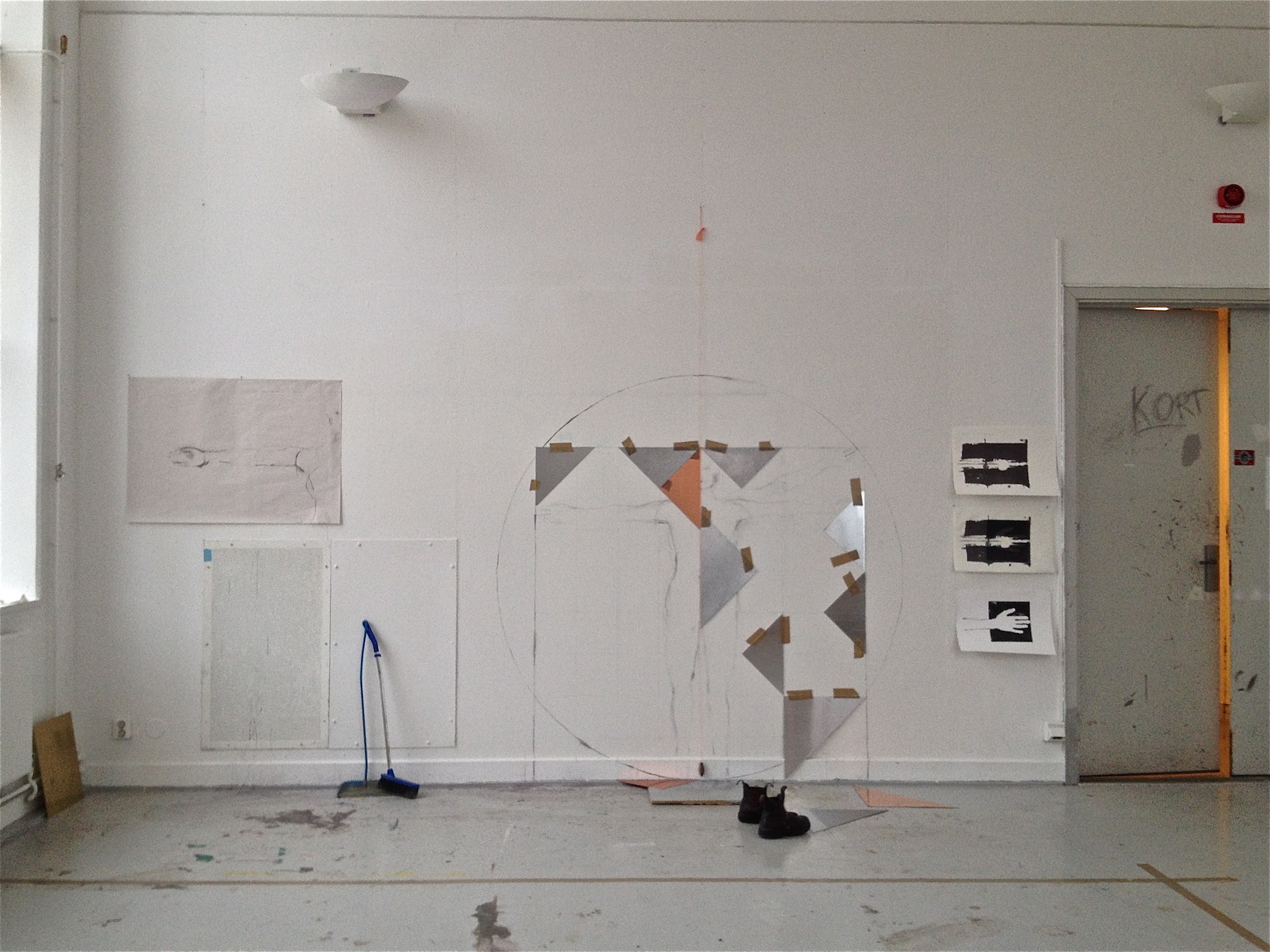
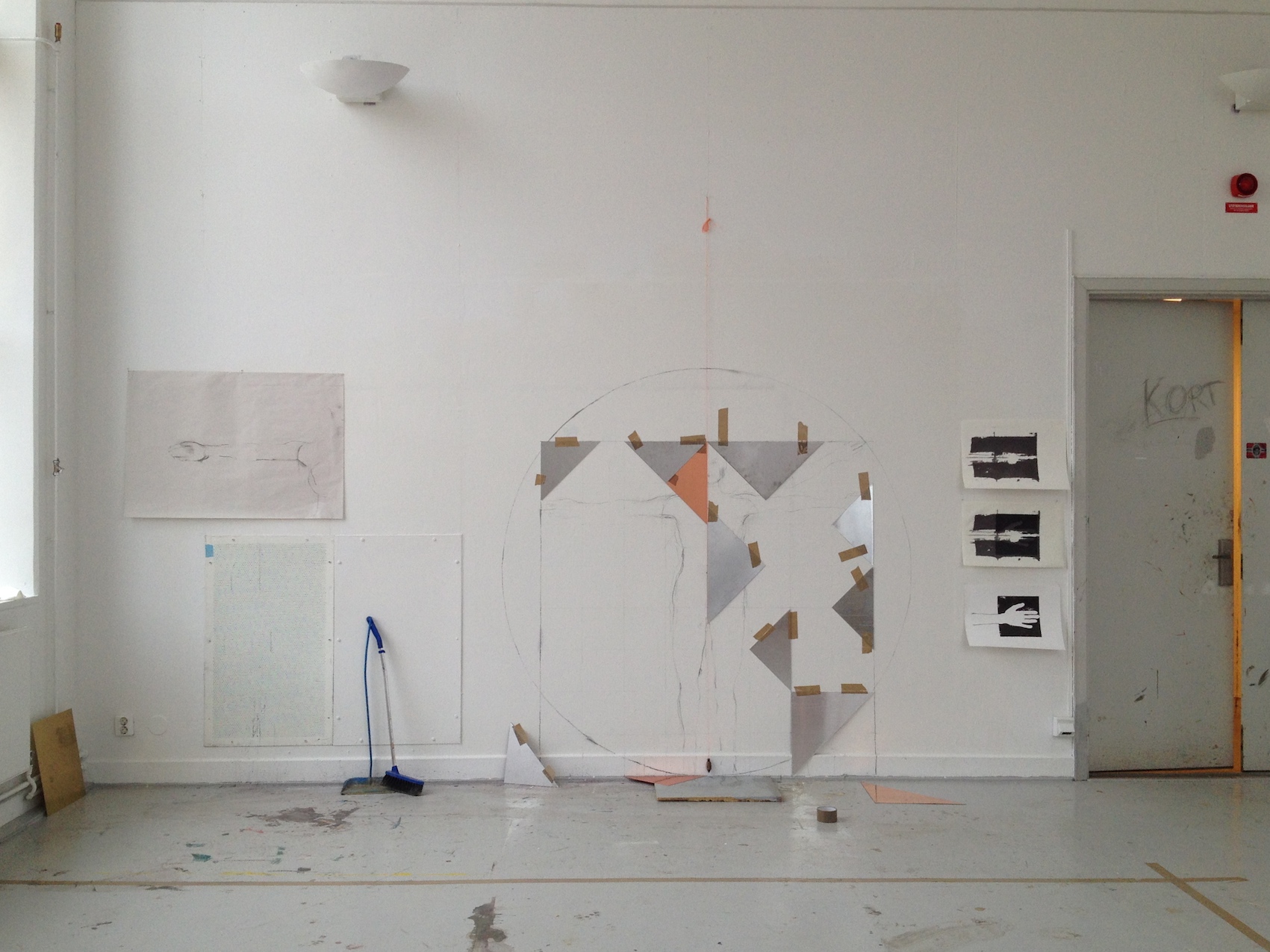
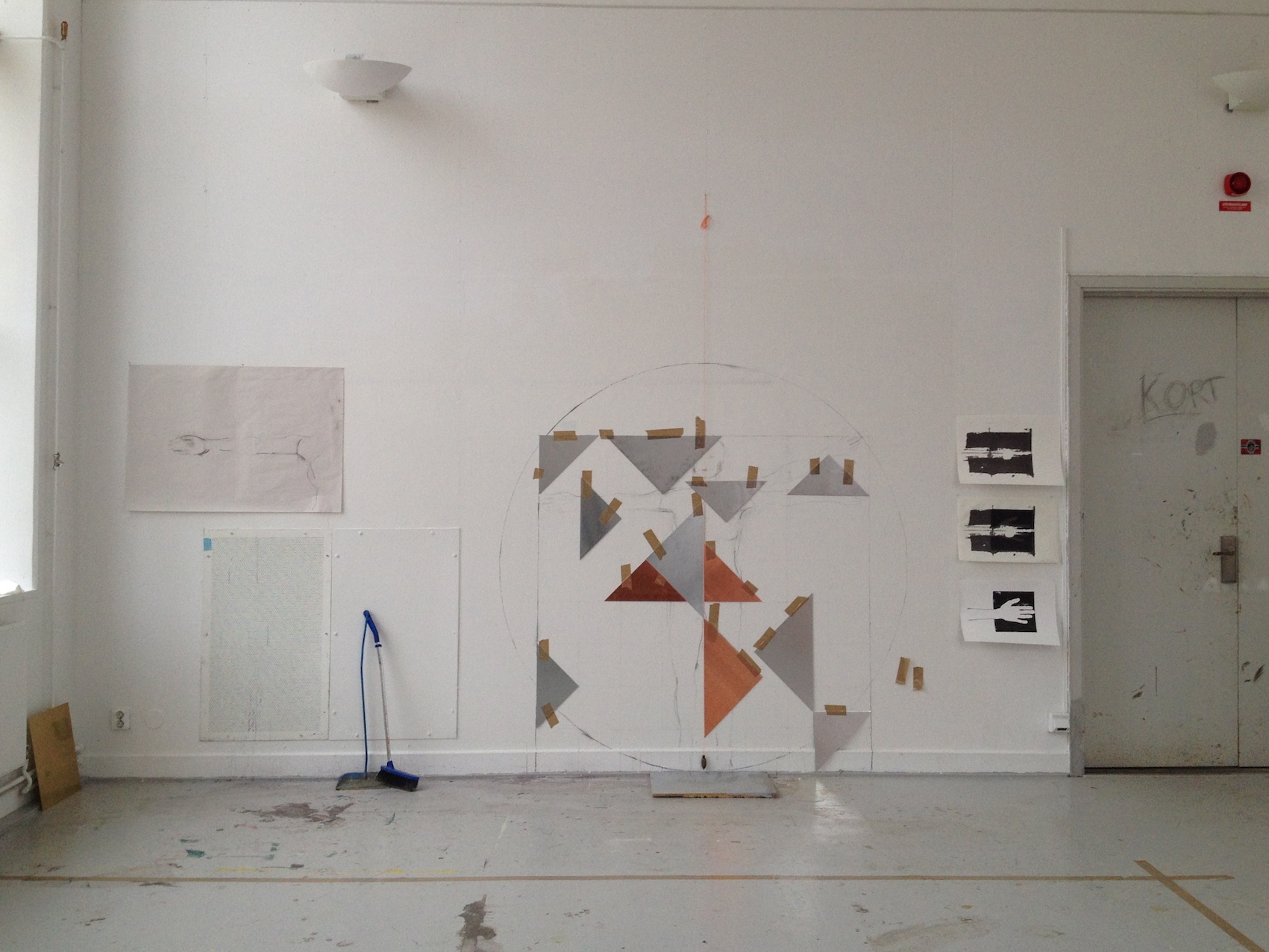
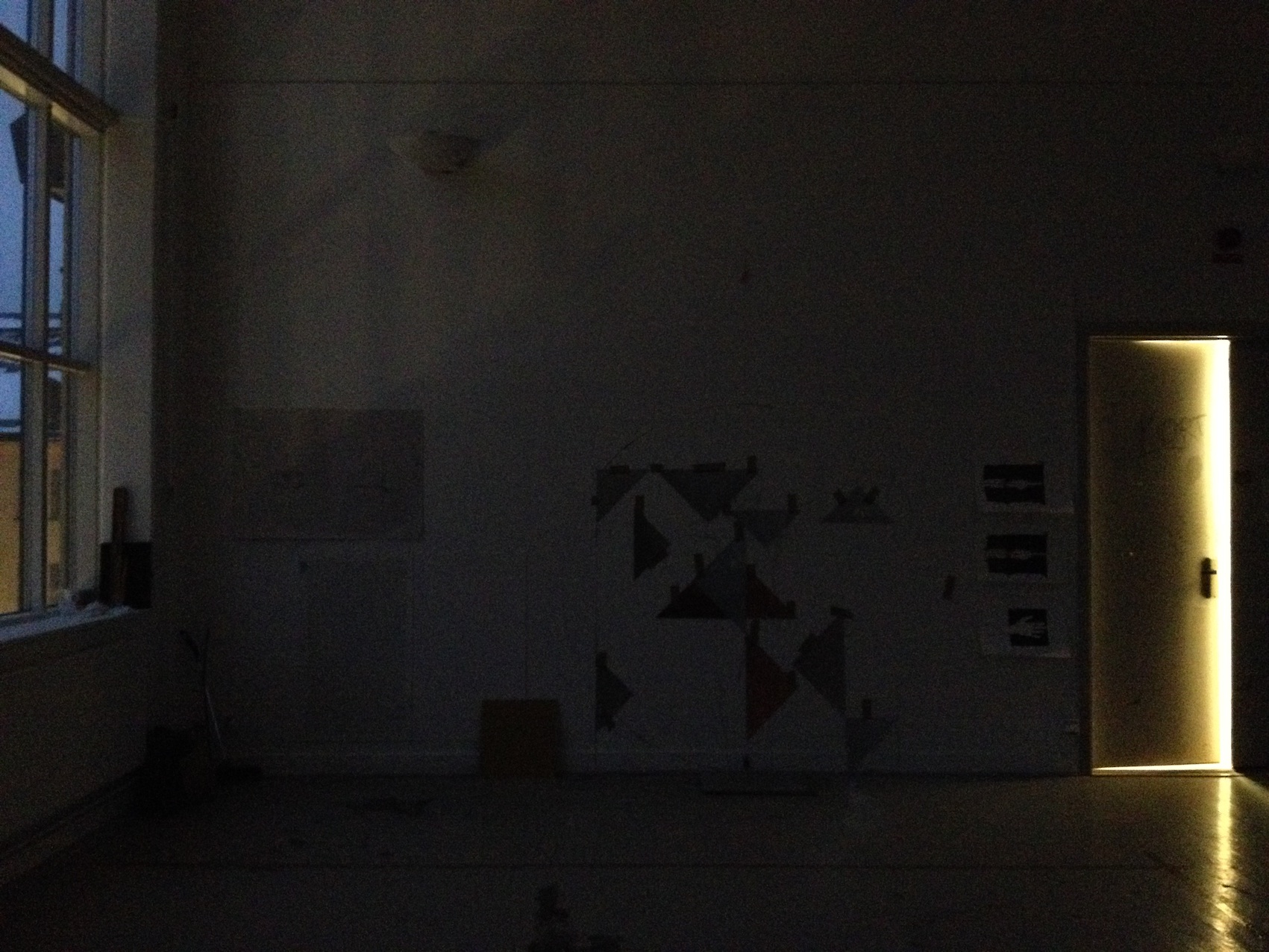
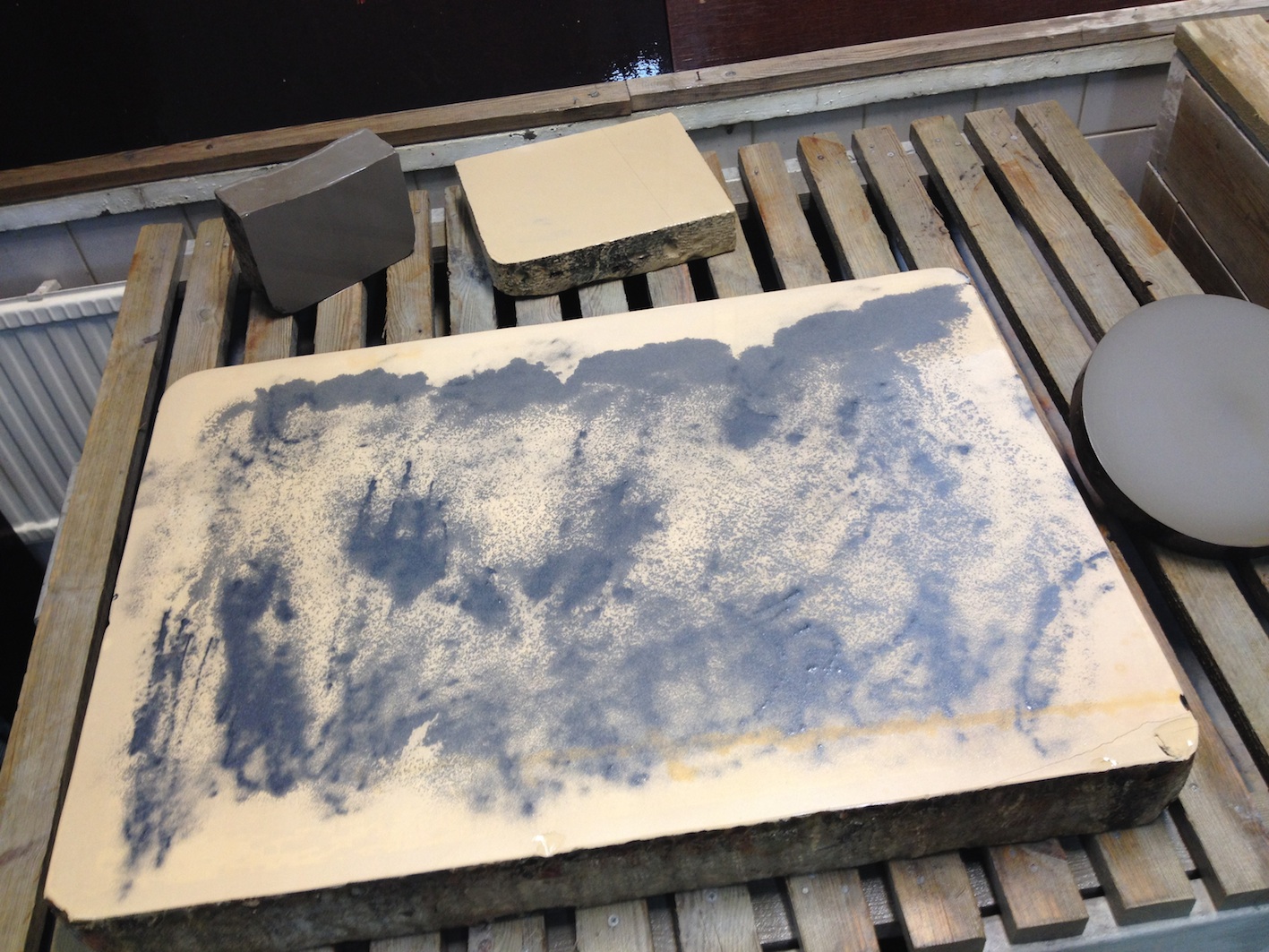
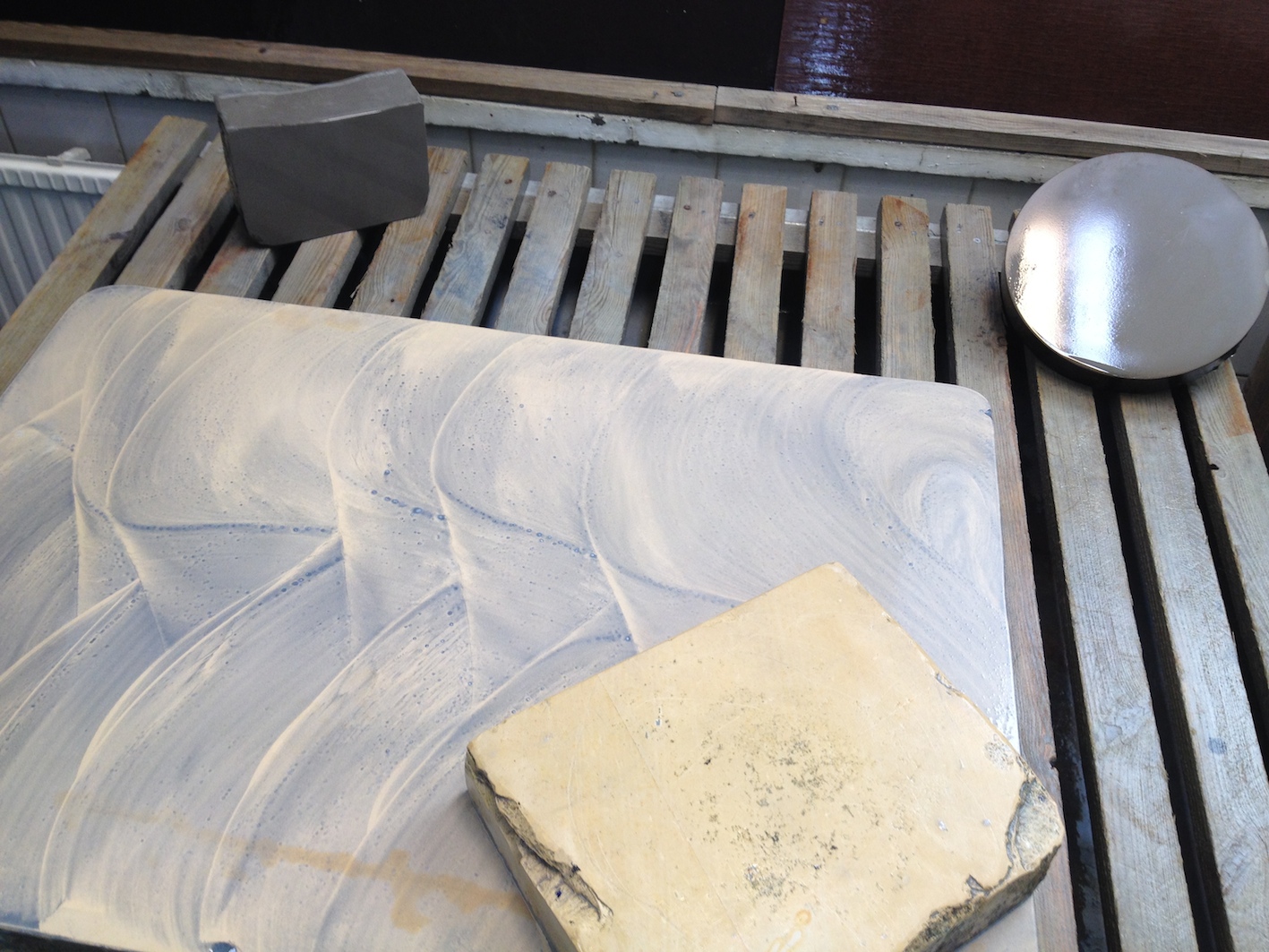
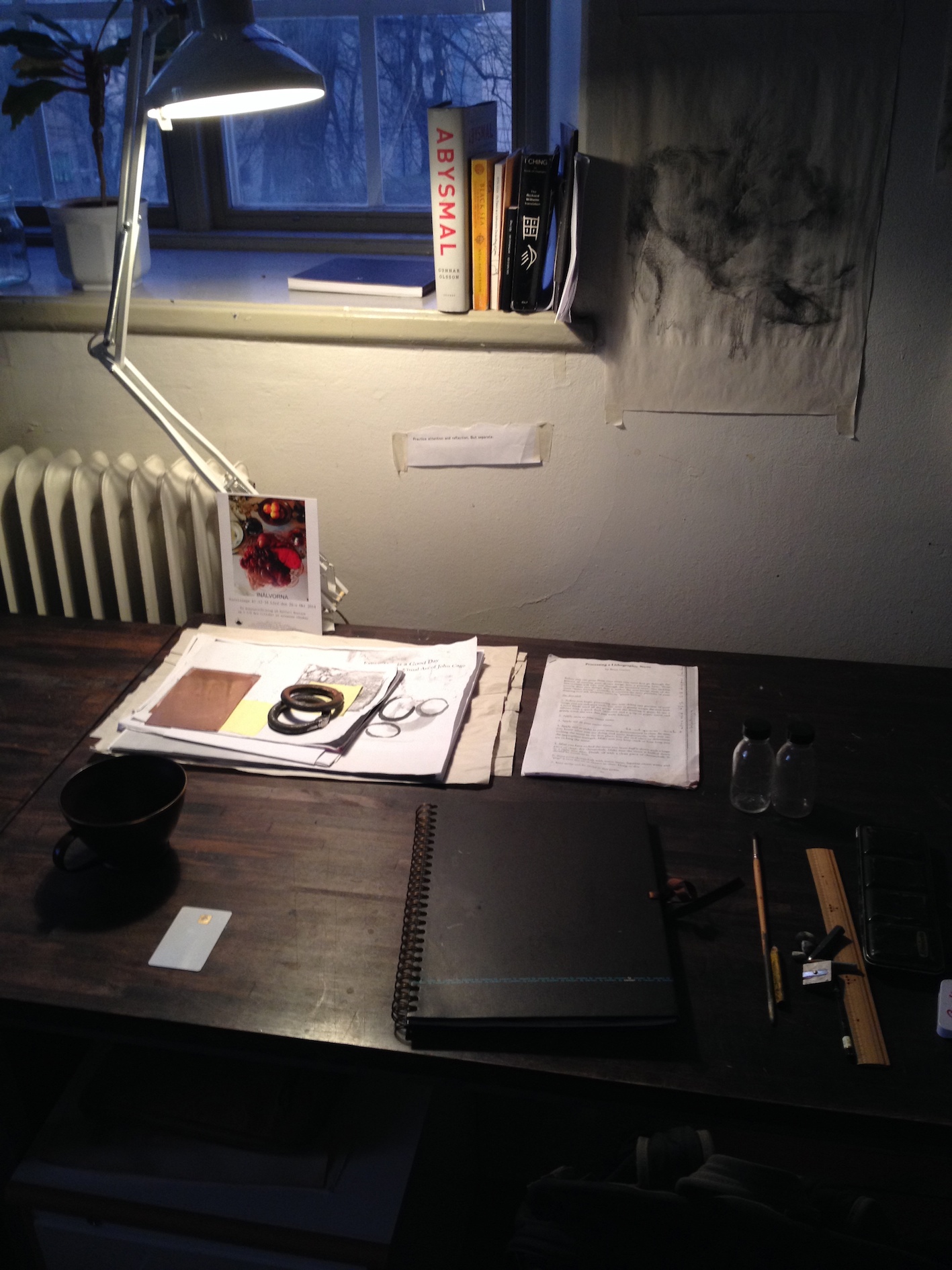
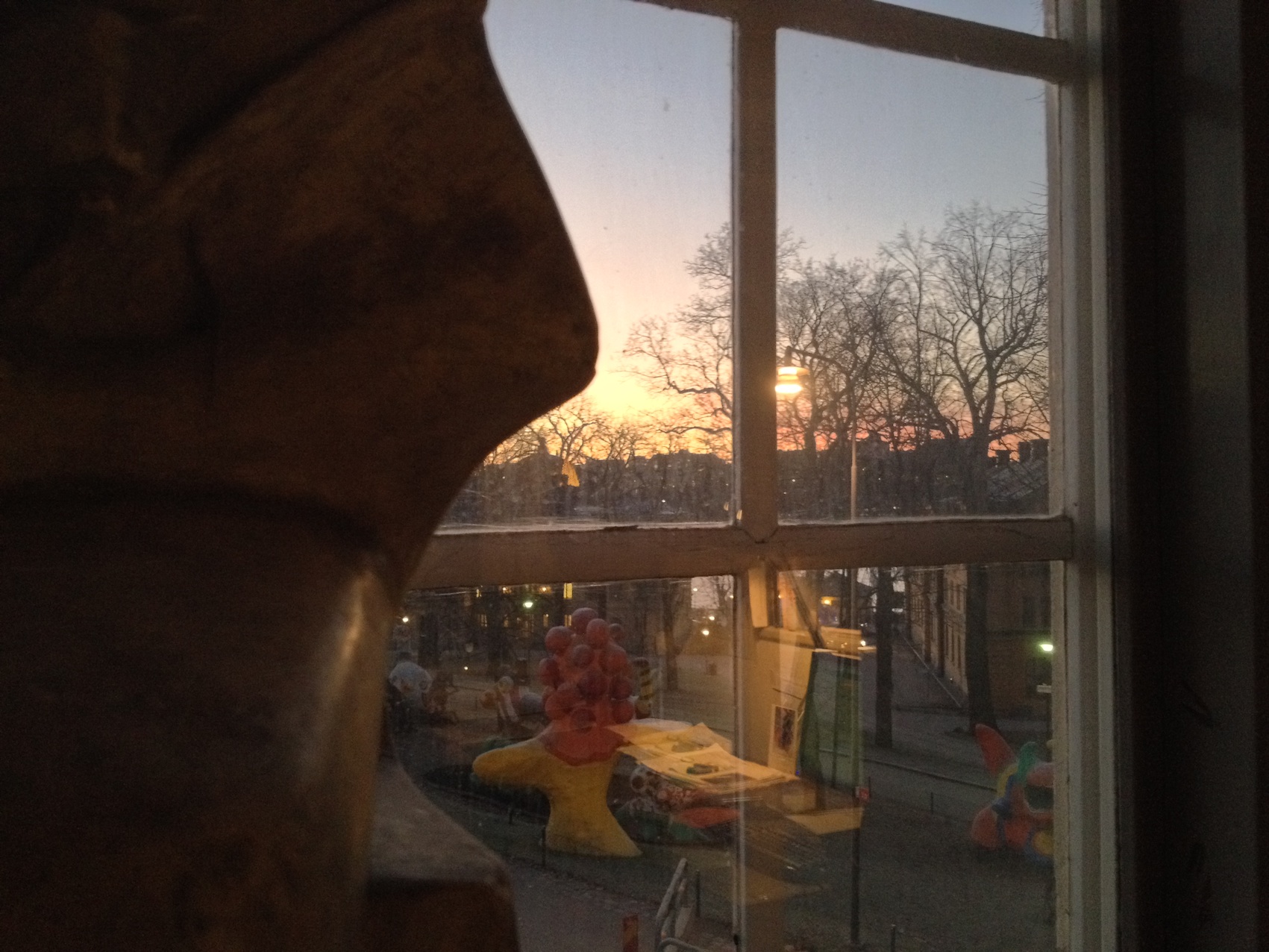
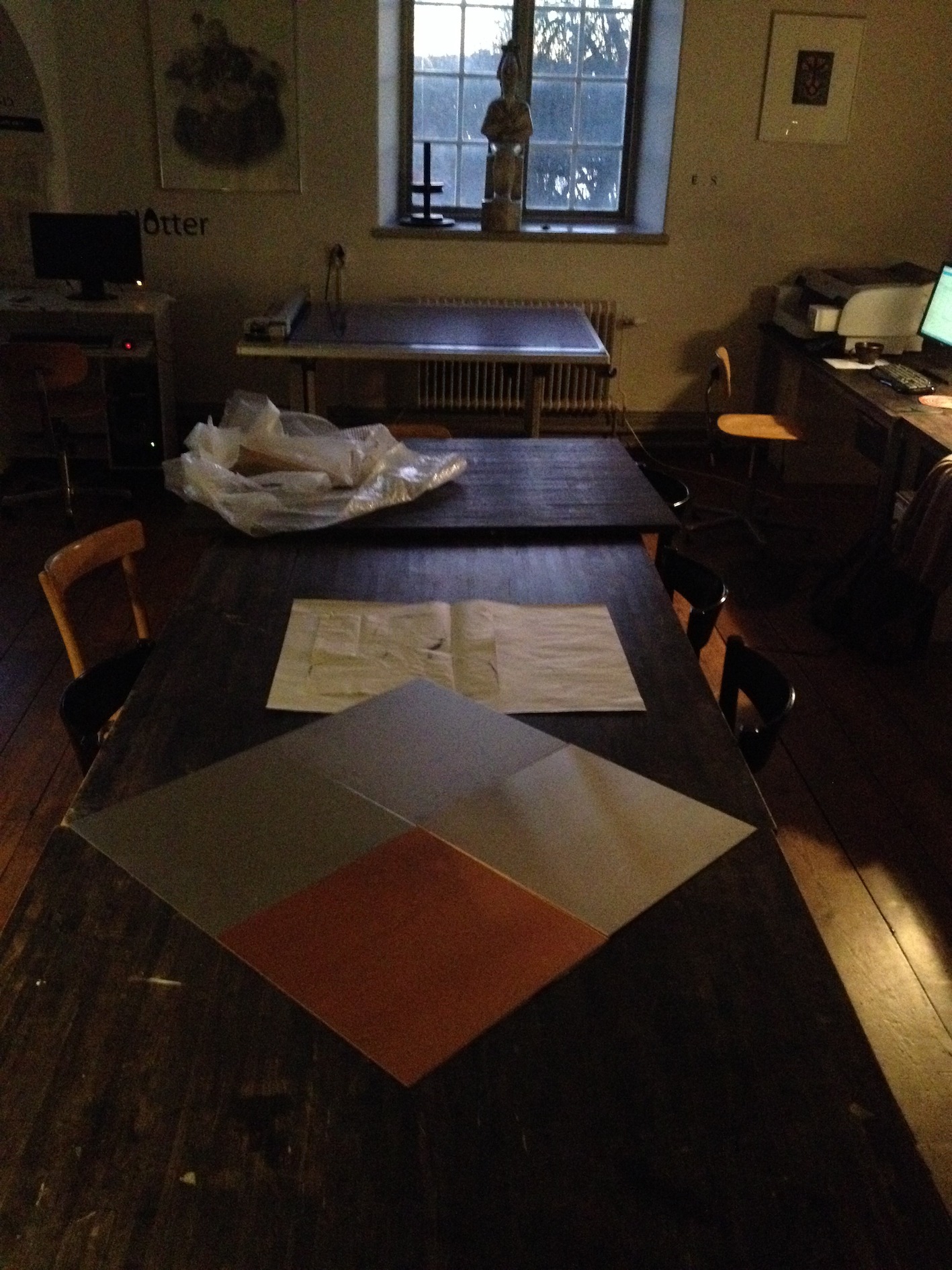
And then… and then, one late summer day I found myself once more a student at the Royal Institute of Art. On September 1st, the new semester began – immersed in sunshine and jazz music – with a speech by new director Marta Kuzma. Then official photographing on the lawn. And for me, a space in the graphic department. I bring the object from Mr Benetton, and install myself.
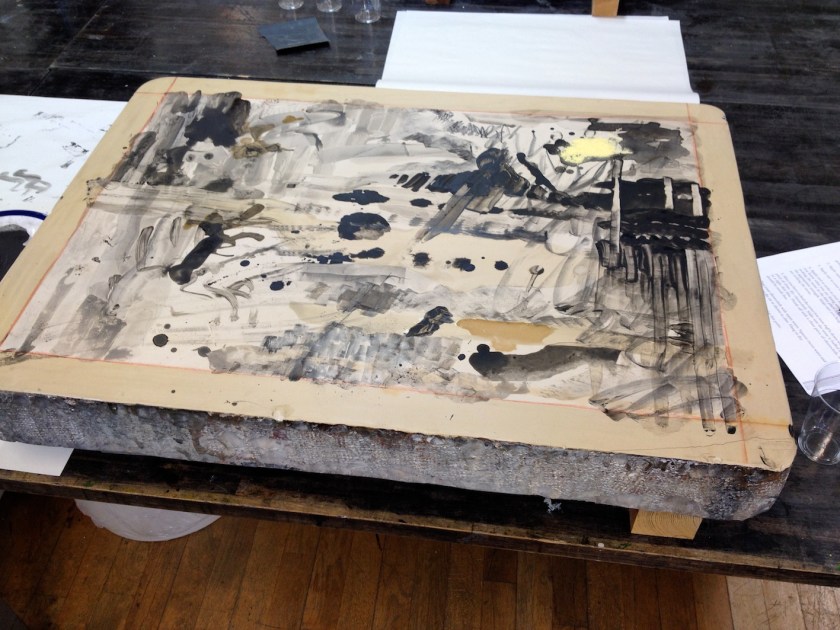
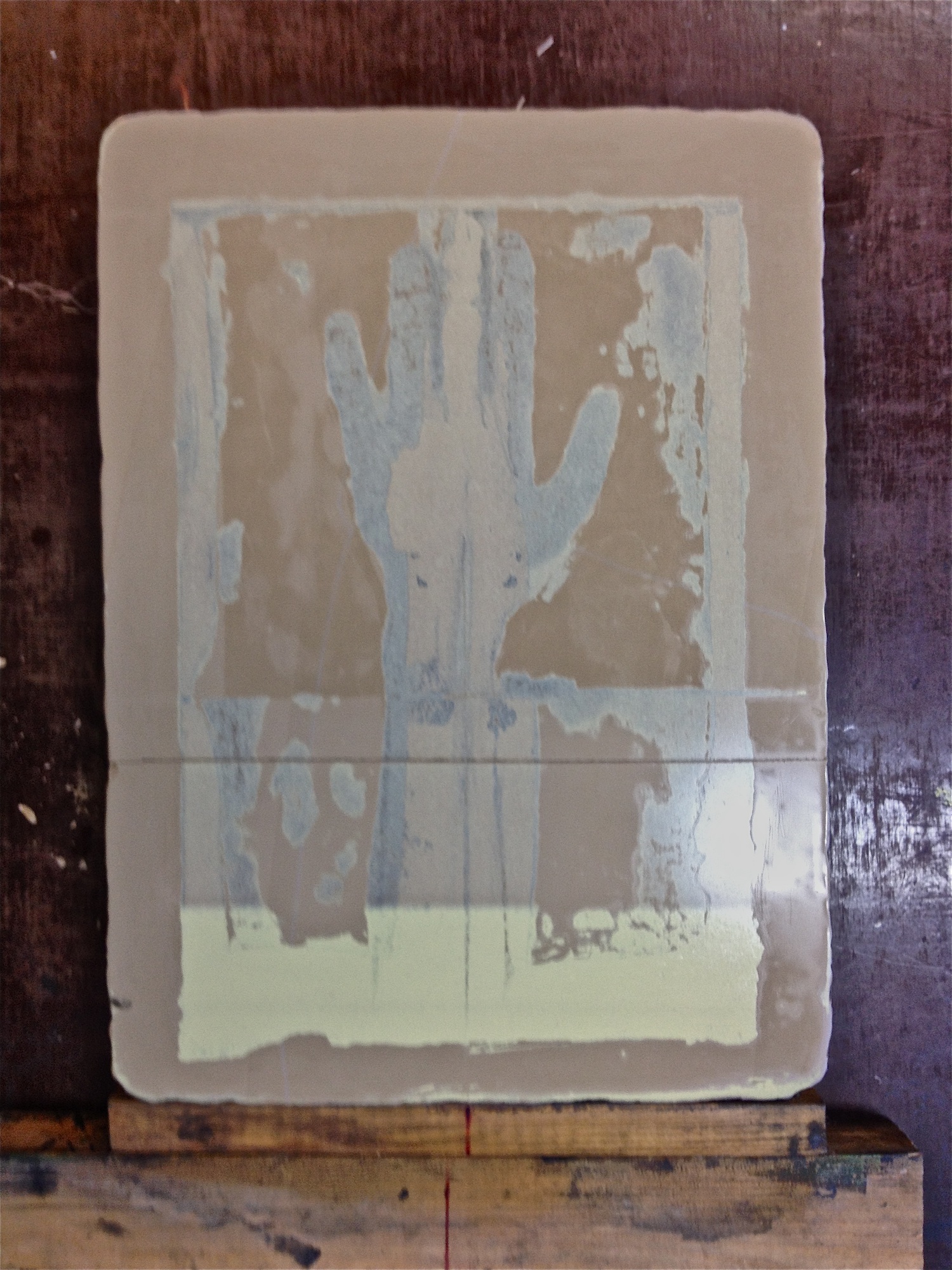
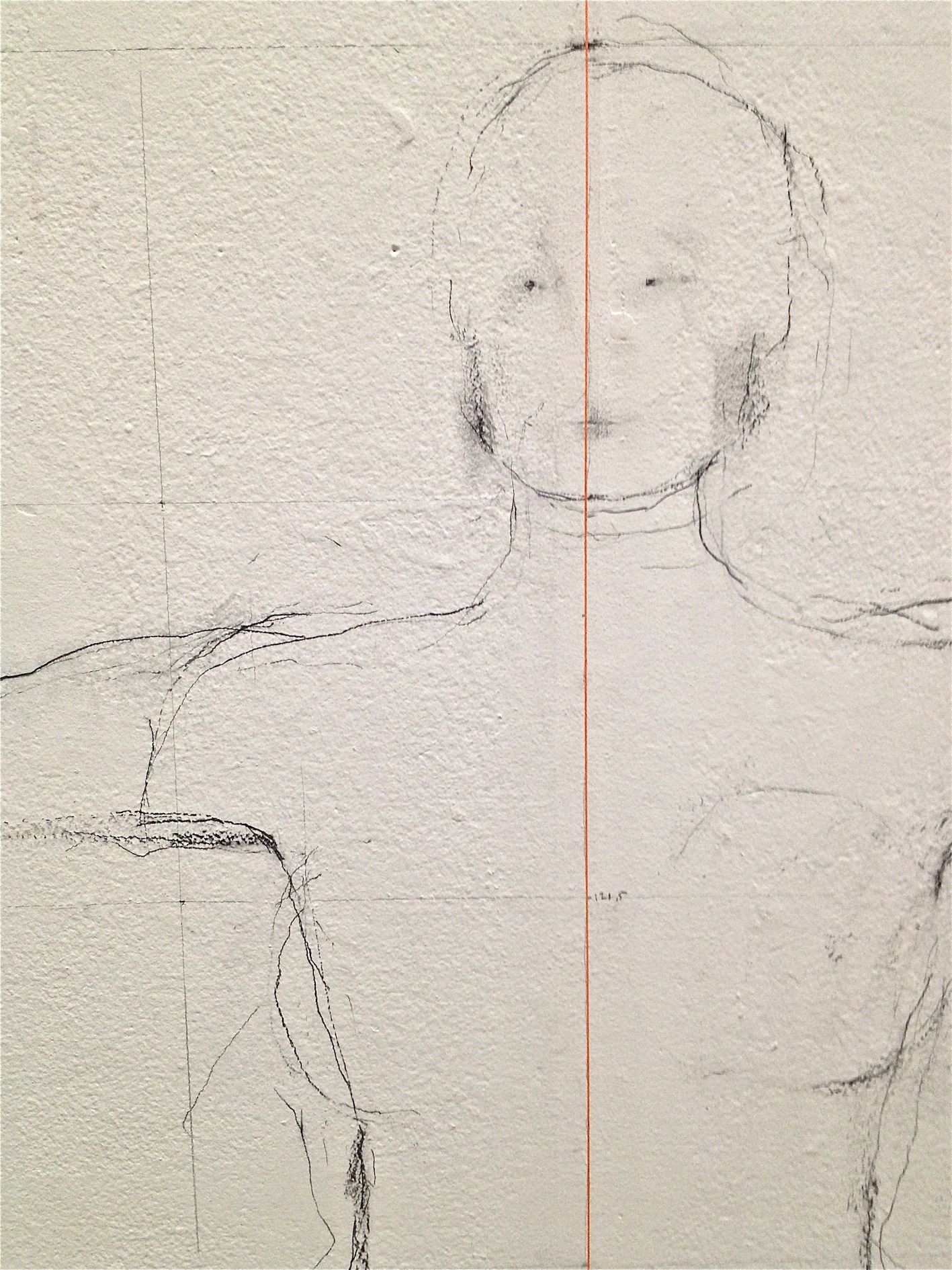
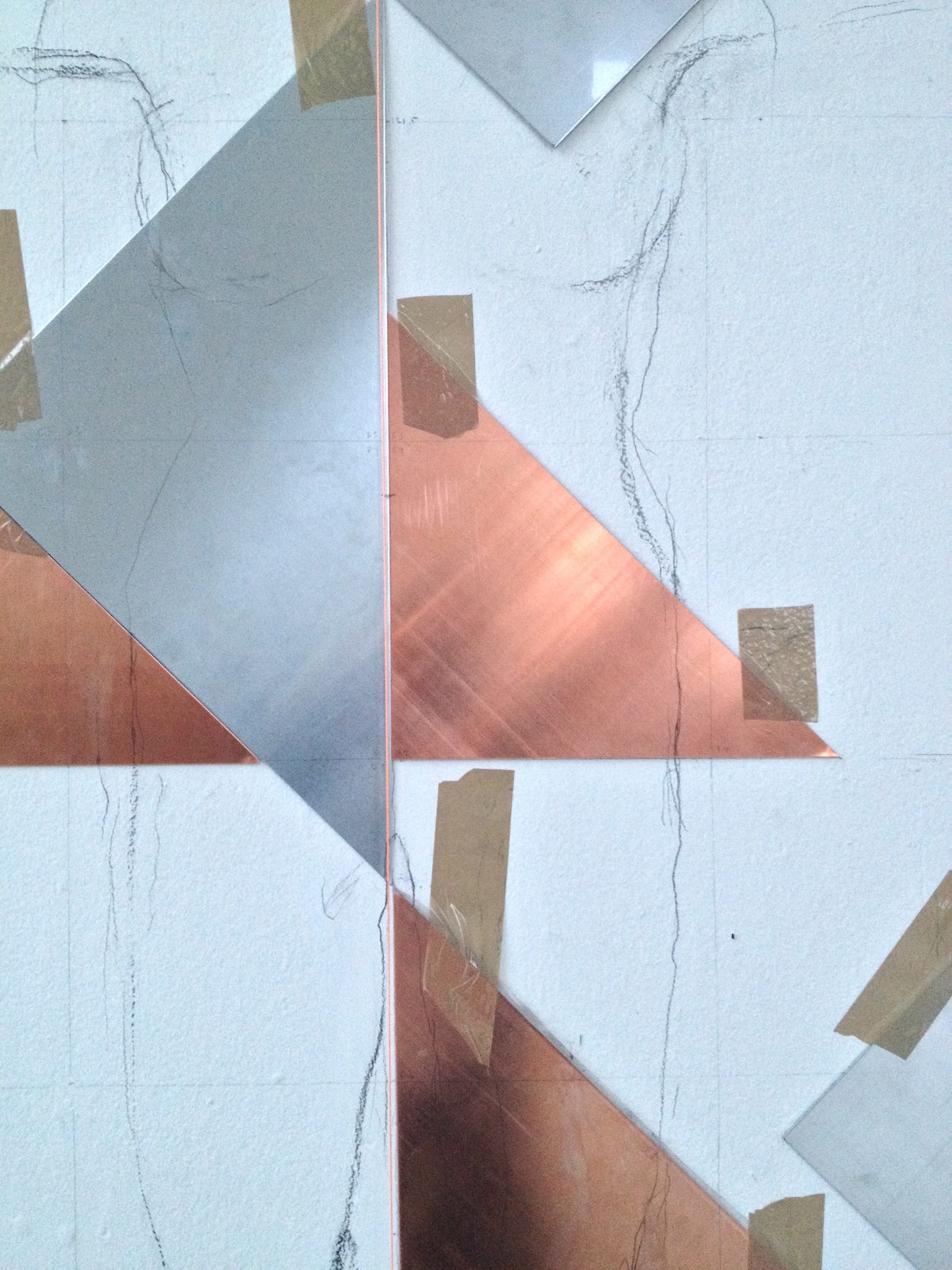
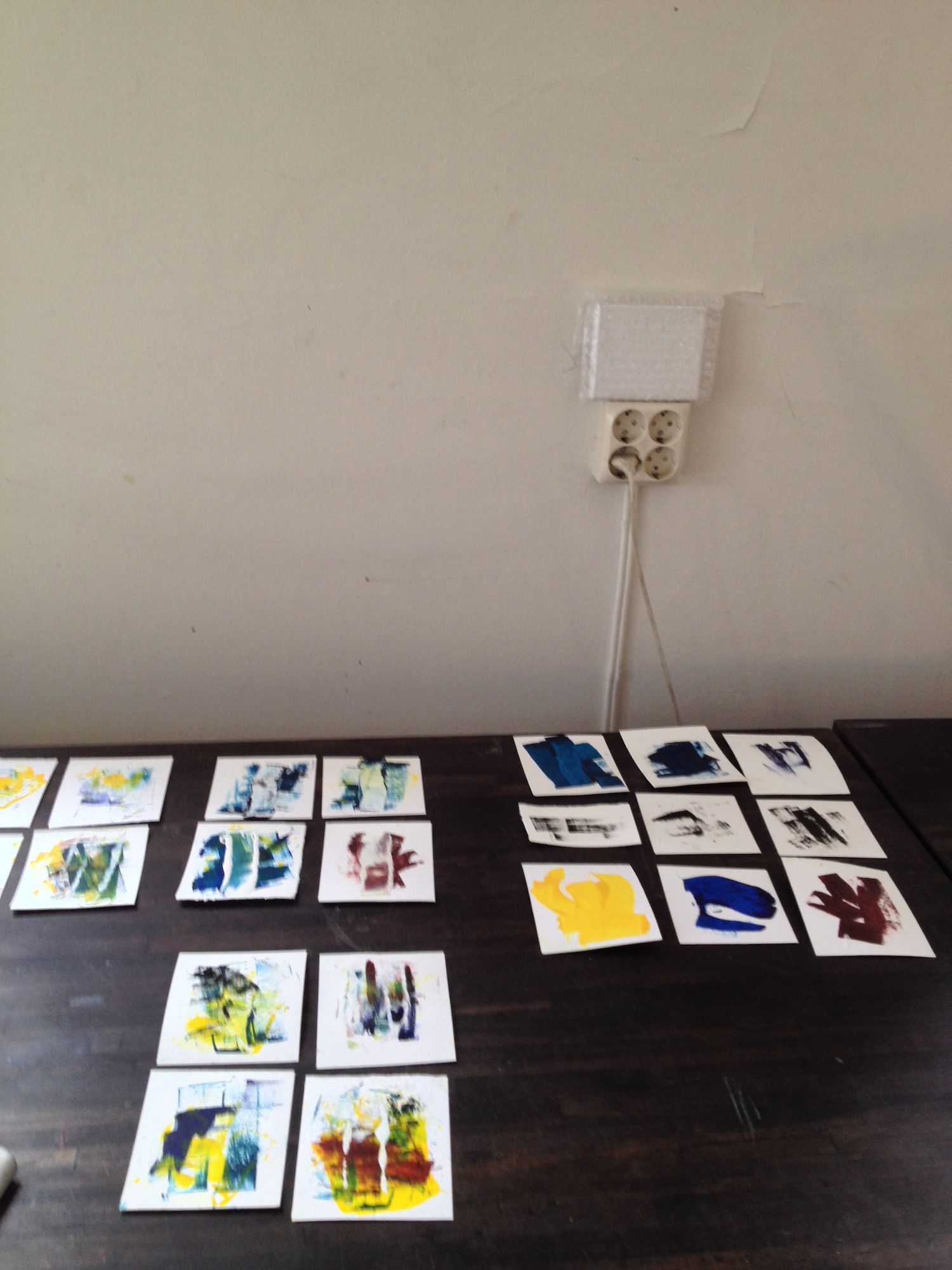
140912 01b KKHNow, that’s already two full months since, and my main project is slowly evolving. It’s connected to my studies at the Södertörn University; I could say I’m attempting at bringing art to the academic world, as well as academia to the art world. Or: that I’m exploring what can be lined up in written sentences, and what can be reflected on a surface only.

Imago Mundi?

art, recent work

Imago mundi 1b‘Imago Mundi’ canvas, 10×12 cms (photo HHW.)

And then I got invited to a project named Imago Mundi, initiated by mr. Luciano Benetton. Mediated by a Swedish curator, he sent me a framed canvas, offering a place in his collection if I return it transformed into an artwork. Hmm… I keep thinking about this. I bring the object with me, presenting it to colleagues and friends; what do you think?  A gift, a generous offer, a pawn, a trap?

“Training the Fundamentals of a Democratic Society” IX

art, recent work

'Training...' på IB 07

Time to reveal how the project came off, really. First, a recap – this is the ‘common ground’ we started out from, the untitled poem by Tania Maria Litvinyuk:

We are cities, each one reminds megalopolis,
We have people who come and live inside us.
And we absorb people like sponges, as if we are bottomless,
And these people, certainly, really need us…

And we call people by names, like we call avenues,
We have many roads and not all of them are gorgeous,
And the sky that kisses the pavement is not always blue,
And people that breathe us in are not strong always…

It happens sometimes, that people want to move off,
To finally pick their things and get freedom, become unrestraint,
To start conversation with the best physician on Earth,
And to hang better routes they could have, on their chests.

It happens sometimes, that people want to avoid us,
For we cause the addiction, stronger than anything in the world,
And people want to see other megalopolises,
And people want to perceive other cities, to feel or keep hold…

And we do not care. We are solidly frozen forever…
Such majestic, such static megalopolises…
For what do we have to lose? Lots of inhabitants.
Today, I saw spring waving her arm from the train modestly…

(English translation by Ludmila Kovalenko)

Words marked in blue represent the intervention of the project’s participants; during three days of repeated individual readings, each one of us selected some words of special significance. Without sharing, we noted the personal associations, feelings and memories they brought about. Next, we formed our own sentences around those chosen words – still without knowing what the others would come up with. The sentences were gathered and arranged strictly according to their connection with the original poem, and the resulting text was distributed back to all participants. I also offered everyone the option of adding one more sentence, to moderate or to develop some theme. And this is the response, in its final version:

Don’t get absorbed by your daily routines – it’s the fastest way
to die inside, while staying alive; absorb.

City avenues are like arteries, and people then are blood;
so please, run as fast as you can
to keep the city’s heart beating well!
I breathe: tiny ripples from our common sea
of oxygen, of scents and sudden danger,
voices, sounds; alighting on my inner shore,
then withdrawing.

Unrestraint… Keep your dreams all over your chest
in order to control their weight:
you must fulfill them
while they are still light as air.

And what if not?

They will grow heavier. Majestic.
I have so much to lose.

Now, this text is written in English – naturally, since it’s the only language we have in common. But in the last part of the project, we rendered it into our own languages; so, at the public reading, it was presented in four successive transformations. That is…

'Training...' på IB 05

…Swedish:

Låt dig inte absorberas av vardagens rutiner – det är det snabbaste sättet
att dö invärtes, medan du ännu lever. Absorbera.

Städernas avenyer är som artärer, där människorna utgör blodet;
snälla, spring så fort du kan,
håll stadens hjärta bultande!
Jag andas: krusningar från ett gemensamt hav
av syre, dofter, plötslig fara,
röster, ljud; de bryts emot min inre strand
och drar sig undan…

Obundna; bär dina drömmar över hela bröstet,
så att du kan kontrollera deras tyngd:
du måste förverkliga dem medan de ännu är lätta som luft.

Och om inte?

De blir tyngre. Majestätiska.
Jag har så mycket att förlora.

***

…Russian:

Не становитесь поглощенными вашей ежедневной рутиной – это самый быстрый способ умереть внутри, оставаясь в живых; поглощать.
Городские проспекты как артерии, а люди в них как кровь;
поэтому, пожалуйста, бегите так быстро, как вы можете
Чтоб сохранить биение сердца города!
Я дышу: крошечная рябь в нашем общем море
Кислорода, ароматов и внезапной опасности,
голосов, звуков; посадка на мой внутренний берег,
затем я выхожу.

Необузданность … Храните ваши мечты во всех уголках сердца
,чтобы контролировать свою значимость:
Вы должны их осуществлять,
Пока они все еще чисты как воздух.

А что, если нет?

Они становятся более значимые. Величественные.
Я не могу так много потерять.

***

…and Ukrainian:

Не давай щоденній рутині себе абсорбувати –
Бо це найшвидший спосіб
Вмерти усередині, залишаючись живим зовні.
Абсорбувати.

Міські авеню – як артерії, а люди тоді – це кров.
Тож біжіть так швидко, як тільки можете
Щоб серце міста билося краще!
Я дишу: маленькі частинки нашого спільного океану кисню
І запахів неочікуваної небезпеки
Голоси, звуки. Хвилі прибою на моєму внутрішньому березі
Нахлинули, потім відкотилися.

Нестримано. Зберігай свої мрії на своїх грудях
Щоб контролювати їх вагу
Ти повинен виповнити свої мрії
Доки вони ще такі ж легкі, як повітря

А якщо ні?

Тоді вони ставатимуть все важчими.
Велично.
Я так багато можу загубити.

'Training...' på IB 02 'Training...' på IB 03

'Training...' på IB 04 'Training...' på IB 11 'Training...' på IB 10

'Training...' på IB 09

Full documentation here:

Evening at International Library, Stockholm

“Training the Fundamentals of a Democratic Society” VIII

art, recent work

Last Saturday, we finally met… The project group had a very tight schedule while in Stockholm, but nevertheless, a few of us managed to get a couple of hours to attune our intentions and make up a draft for today’s event. After we parted, and these remarkable young human rights activists of Eastern Europe moved on to island Gotland in the Baltic Sea, to spend three days at the Swedish International Centre for Local Democracy (ICLD). Until today, we had to worked independently once more, translating the ‘response text’ into Ukrainian, Russian and Swedish. And right now, I’m sitting in the library foyer, waiting for the guys to show up… we’ll have a brief moment of rehearsal – and then, we’ll be on stage.

flyer

“Training the Fundamentals of a Democratic Society” VI

art, recent work

Oh, this is incredible! Here we are: a tiny group of people from different places, speaking different languages, carrying different experiences… we didn’t know each other before, we actually haven’t even met. As always, complications arise. In addition to that, some of us have (for different reasons) decided to step back from the project, or at least to take a bystander’s part for some time.

Under such circumstances, the whole idea of meaning-making through dialogue seems bound to collapse… but look now, what’s coming out of this; a brand new text, speaking with a voice of its own, clear and confident. Like a child, resembling the parents and yet independent… For the next days, we’ll see it grow and change.

“Training the Fundamentals of a Democratic Society” V

art, recent work

Today’s the day when the process will move to another level. Starting out from the untitled poem, our first week was dedicated to individual (although synchronized) reflective work. Now time has come to share the fruits; not the raw version of personal associations, memories and feelings – it would be impossible, anyway – but a consciously arranged set of words. My part is to form the conditions and to collect the responses. When gathered, they will expand and change our common space of thought.

The first e-mail has already arrived, and I’m waiting eagerly for more…

“Training the Fundamentals of a Democratic Society” IV

art, recent work

Normally, I work with materials such as oil paint, charcoal, silver, tar, wood or paper to create a virtual space: the image. The materials forming this artpiece are entirely different, though.

Hannah Arendt – in her lecture Thinking and Moral Considerations – firmly distinguishes the ability to think from acquired knowledge, education and even intelligence. To her, thought is no commodity; it has neither solidity nor persistency. Adopting a metaphor from Plato, Arendt compares human thinking to a wind – invisible and fleeting, vanished the very instant it ceases to move. “How can anything relevant for the world we live in arise from so resultless an enterprise?” she asks, and continues: “An answer, if at all, can come only from the thinking activity, the performance itself, which means that we have to trace experiences rather than doctrines.”

Those last words describe pretty well what we’re up to in this project. No special education in poetry or linguistics is required, despite the literary and multi-lingual theme. Neither are there any settled intents, nothing external to be proven or achieved in this artwork. We deal with the tracing of personal experiences, in Arendt’s sense; and the basic materials seem to be time, trust and attention.

“Training the Fundamentals of a Democratic Society” III

art, recent work

At this stage, access to the project is limited to volunteering participants, and the core process uses the e-mail format. My first step turned out to be based on a misunderstanding; a valuable reminder about the conditions of human communication. Two days into the project, we have already experienced difficulties, misinterpretations, unexpected openings and achievements… very interesting, indeed!

“Training the Fundamentals of a Democratic Society” II

art, recent work

Here we go; the project starts today with the reading of a poem, originally written in Ukrainian and later rendered into English (note to self: I have to find out the name of the translator!)
…and now, over to Tanya Maria Litvinyuk:

Tania Maria Litvinyuk 2

We are cities, each one reminds megalopolis,
We have people who come and live inside us.
And we absorb people like sponges, as if we are bottomless,
And these people, certainly, really need us…

And we call people by names, like we call avenues,
We have many roads and not all of them are gorgeous,

And the sky that kisses the pavement is not always blue,
And people that breathe us in are not strong always…

It happens sometimes, that people want to move off,
To finally pick their things and get freedom, become unrestraint,
To start conversation with the best physician on Earth,
And to hang better routes they could have, on their chests.

It happens sometimes, that people want to avoid us,
For we cause the addiction, stronger than anything in the world,
And people want to see other megalopolises,
And people want to perceive other cities, to feel or keep hold…

And we do not care. We are solidly frozen forever…
Such majestic, such static megalopolises…
For what do we have to lose? Lots of inhabitants.
Today, I saw spring waving her arm from the train modestly…