
blue painting #01; oil on canvas, c. 54 x 54 cms
blue painting #01; oil on canvas, c. 54 x 54 cms
Get up early. Leaving Tokyo from Narita Airport at midday. First passing over red mountain ridges, meandering rivers and roads, then the deep blue for a while. Clear day.
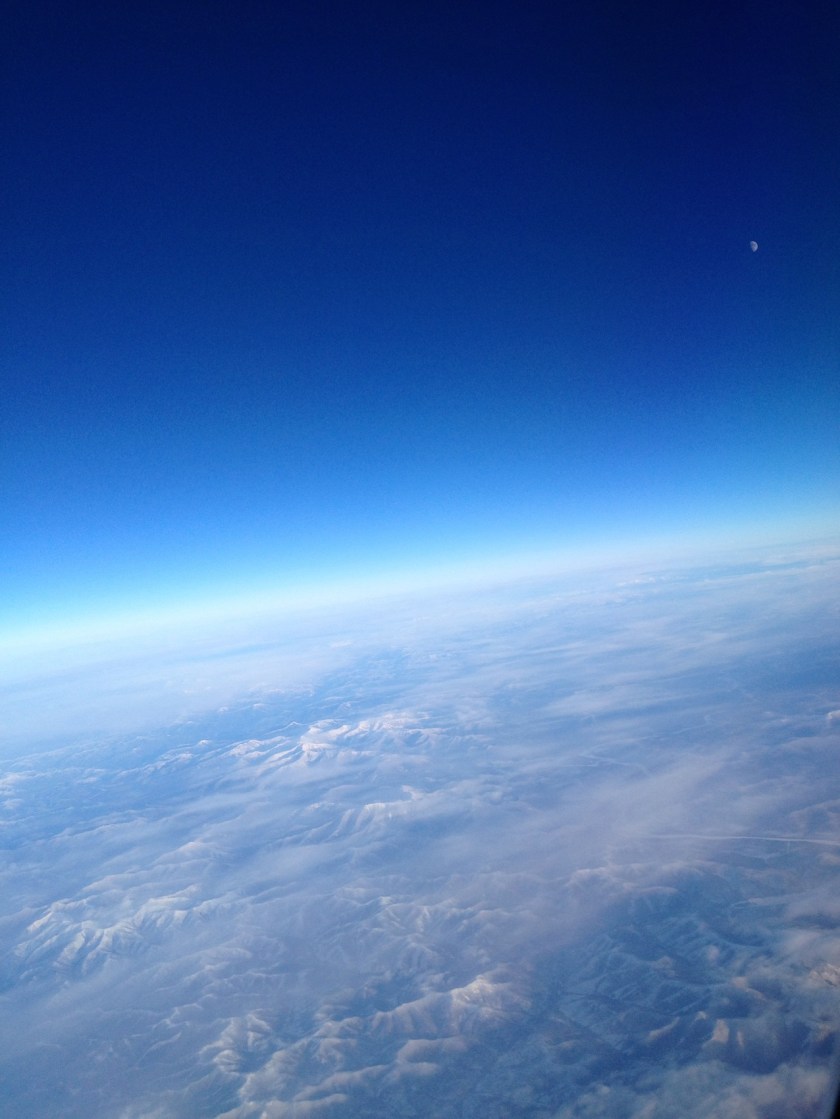

Another shore. Marshlands. Patterns much like marbled paper in old books; running water under ice and snow – going this way, that way.
Then the highlands, watershed.

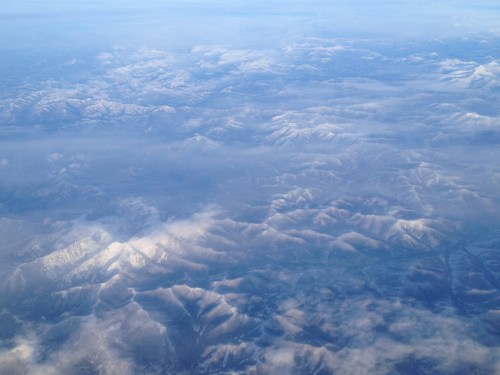
Floating high above Siberia for hours and hours, hooked between the progressing afternoon in Tokyo and Scandinavian morning. An outstretched present, clock jumps back and forth. North of the polar circle; night at noon.
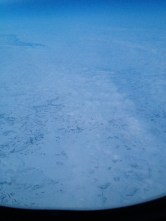
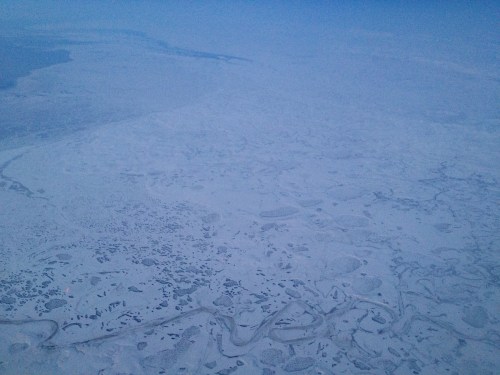
Rivers running north. The surface bears witness of forces working from below, exposed to those working from above. Geology, meteorology. Interface like a text which I can only vaguely guess the meaning of. Sometimes – but rarely – tracks of human activities. A broad, straight road. A military base? A single light shining from the shore of the Kara Sea.
Light, temperature, time; basics.


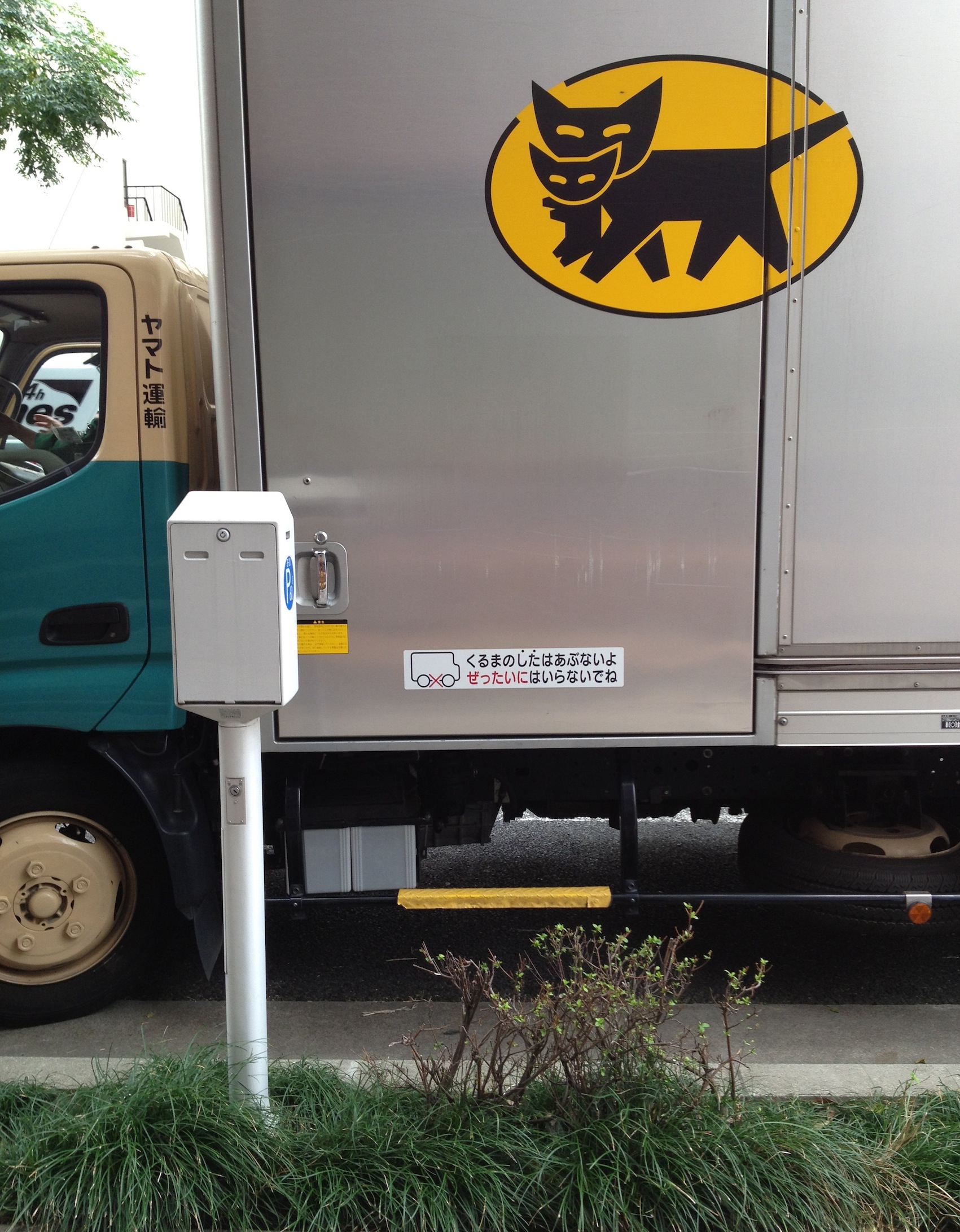
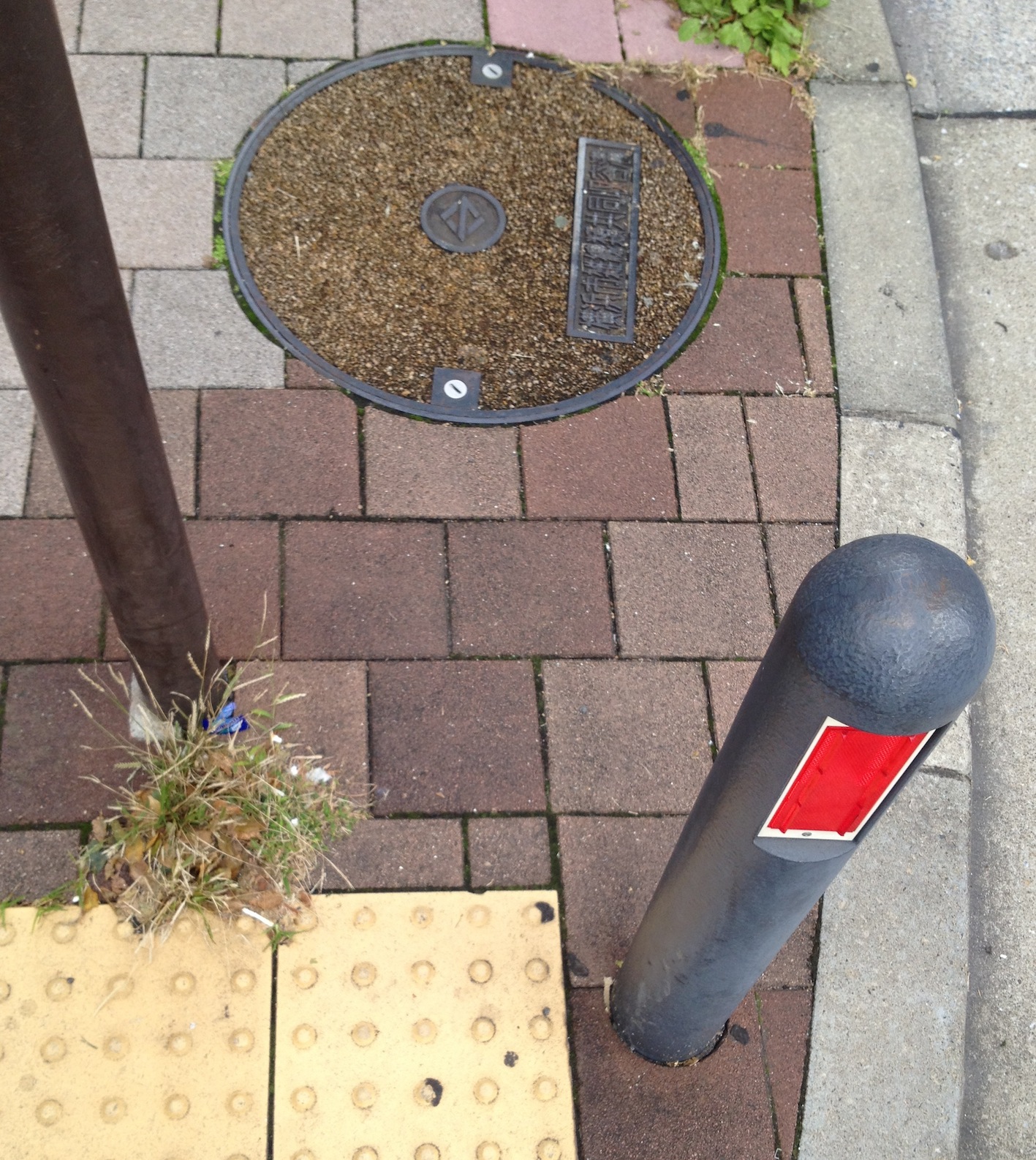
Tokyo urban nature; all photos by HHW.


Zenpukuji Park, hosting a community art project with (among others) artists Shoko Miki and Motoko Hoshi;
all photos by HHW.
After some days off in Hakone, Cecilia and I return to the group… to set up another exhibition in another city. The Swedish Embassy in Tokyo has opened their reception hall to host our party for a couple of weeks. Although the hall is large, it cannot compete with the Red Brick Warehouse; so, for want of space, only the Swedish artists are invited to participate this time. Oddly enough, this makes the exhibited artworks appear more disparate, and the exhibition as such is (in my view) a weaker statement compared to the Yokohama version.
Still, the hanging is – as always – an intriguing challenge. How does the imaginary space of a painted surface interact with the surrounding reality of all senses?
How can the spatial arrangement of physical objects result in a resonance of light, proportions and rhythm?
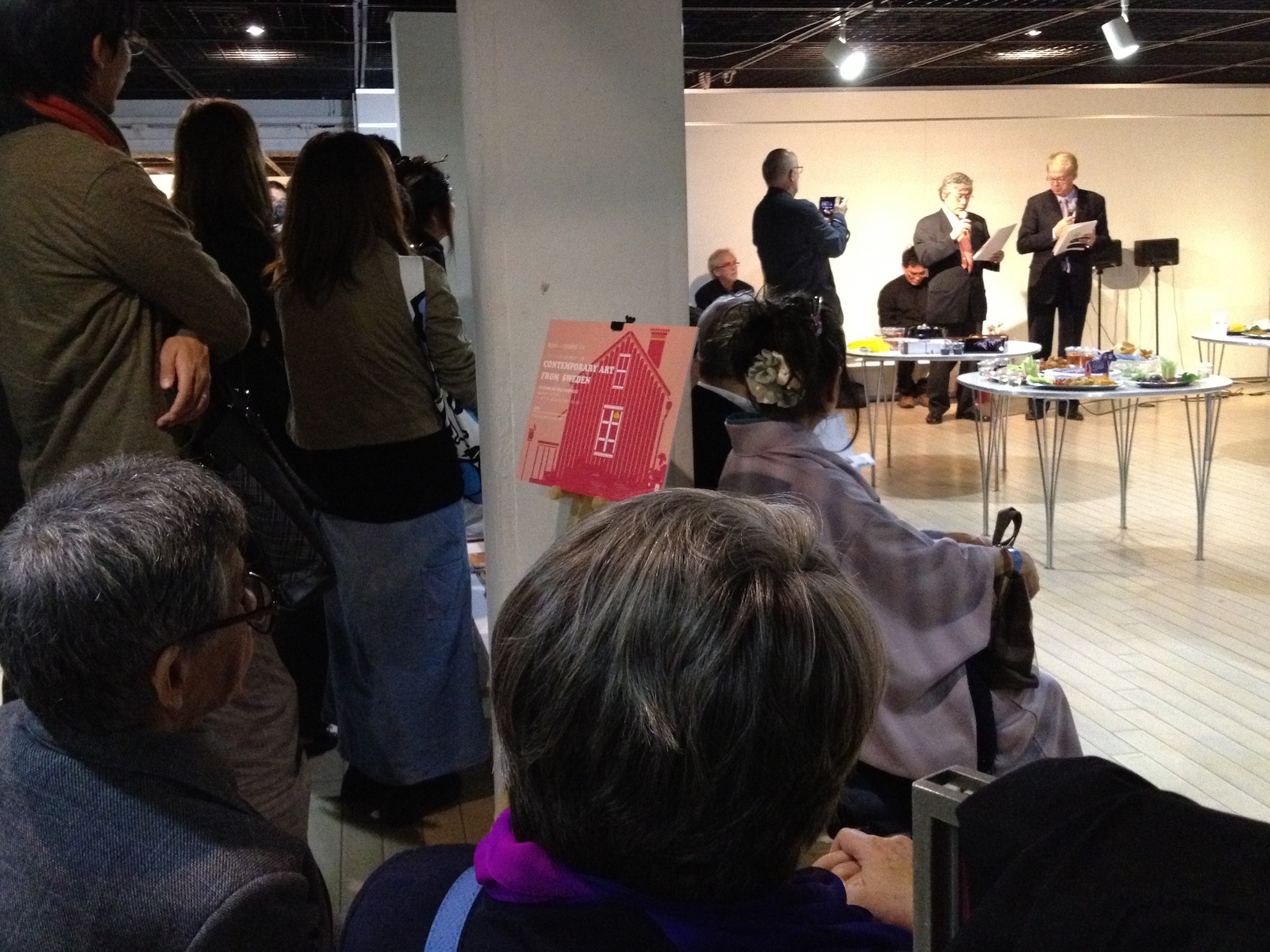
Our Japanese colleagues – whom we now think of not only as professionals, but as true friends – are incredibly supportive; most of them spend the whole day working for our benefit. The embassy staff are welcoming and helpful, too, and the positive atmosphere stays as the opening night turns into a hello-and-goodbye party. The ambassador’s speech is followed by a statement from EAJAS’ spokesperson Toshiko Watanabe, a powerful primus motor in the realization of this event.


Contemporary Art from Sweden at the Swedish Embassy, Tokyo; all photos HHW.

Good-bye, friends!
Cecilia’s adapter doesn’t work.
No cellphone, no laptop, no Internet. Just eyes and ears and presence. Pencil and paper, too.
Take the local bus to next village. There’s a temple, with a steep hillside garden behind. There’s a mountain brook, running quietly, and a stone reservoir offering its clear cold water to visitors. Bright sunlight sieves through the deep red foliage of maple trees, reaching down into the water. Delicately indented leaves scattered on threadstones and thick green moss. In the garden, two hundred and fifty Buddha’s disciples carved out of rock; each human figure caught in movement, in meditation, in anger, in story-telling, in rest, in laughter…
I like it here.
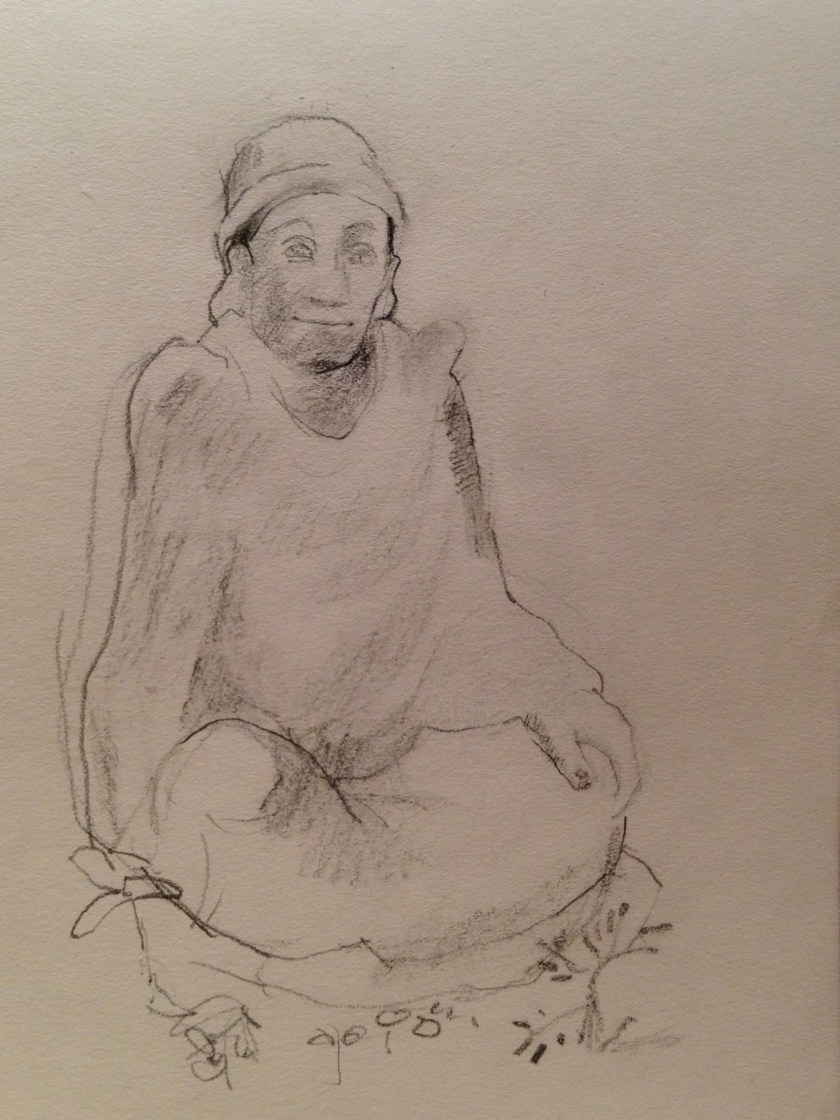
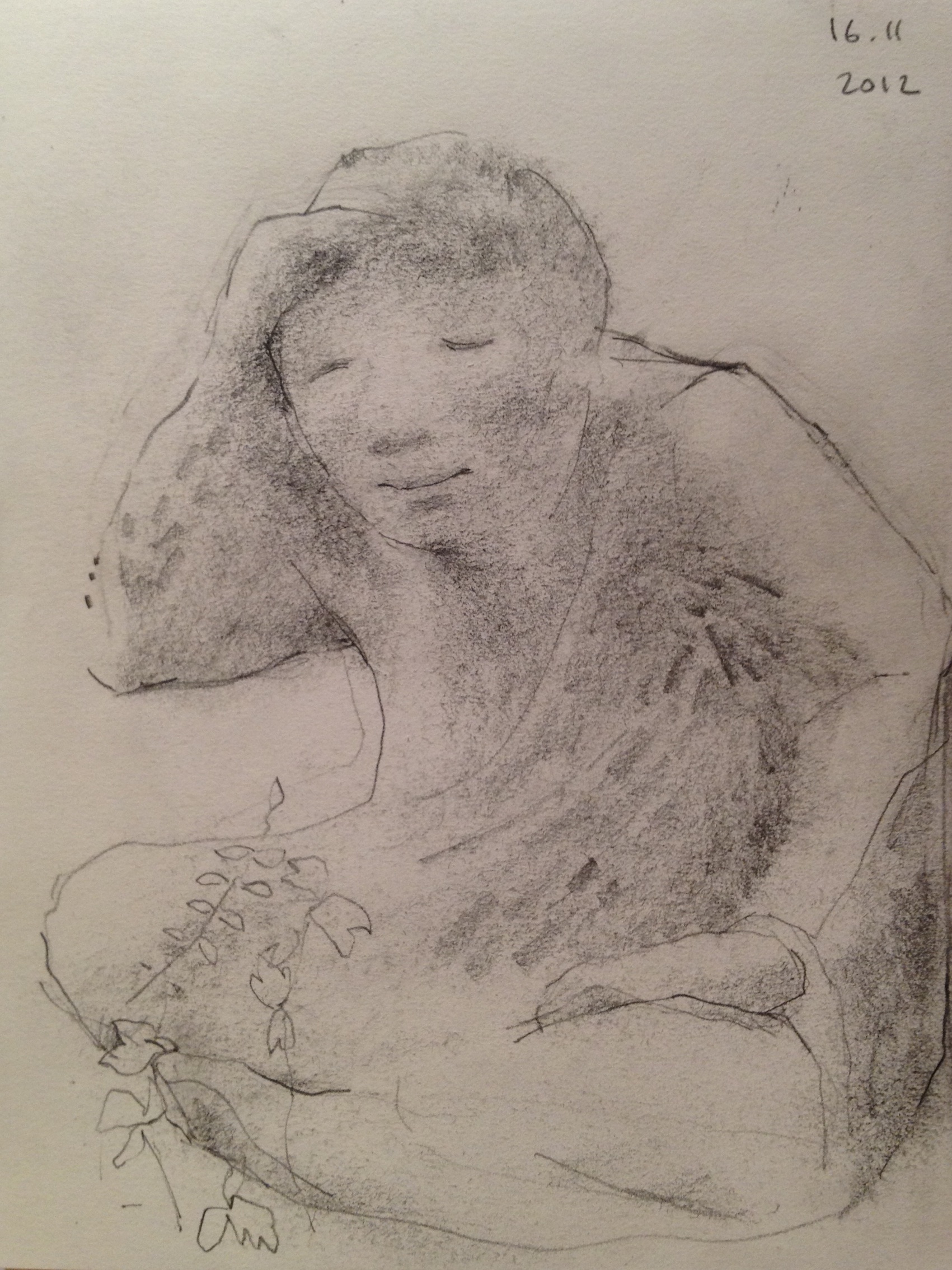
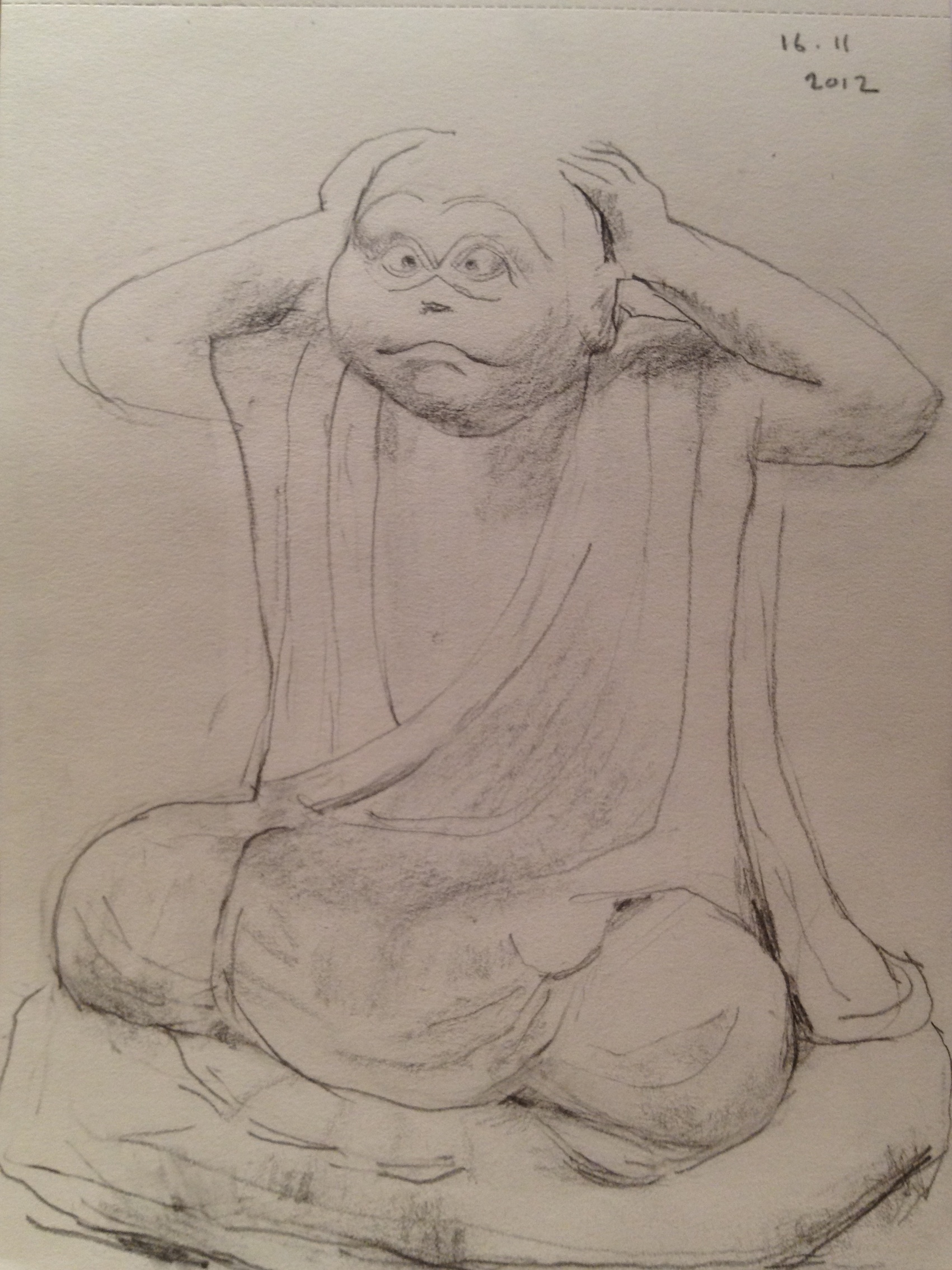
Three stone sculptures in Choanji Temple garden, Sengokuhara;
graphite pencil on paper.
Bonus: In the Garden by Van Morrison (from the album No Guru, No Method, No Teacher 1986; this version played live in Norway 1988. Sweet intro!)
“…
No guru, no method, no teacher
Just you and I and nature
And the Father in the garden
Listen
…”
Despite the title of this exhibition – Contemporary Art from Sweden – it was a joint venture, displaying artworks by no less than eighteen Japanese and fourteen Swedish artists. On Monday, we gathered for the hanging at Red Brick Warehouse on the Yokohama waterfront. This is the result, or at least a fair portion of it – please note the mixture of distinctly different cultures; Expressionism, Pop Art, Modernism, Classicism…
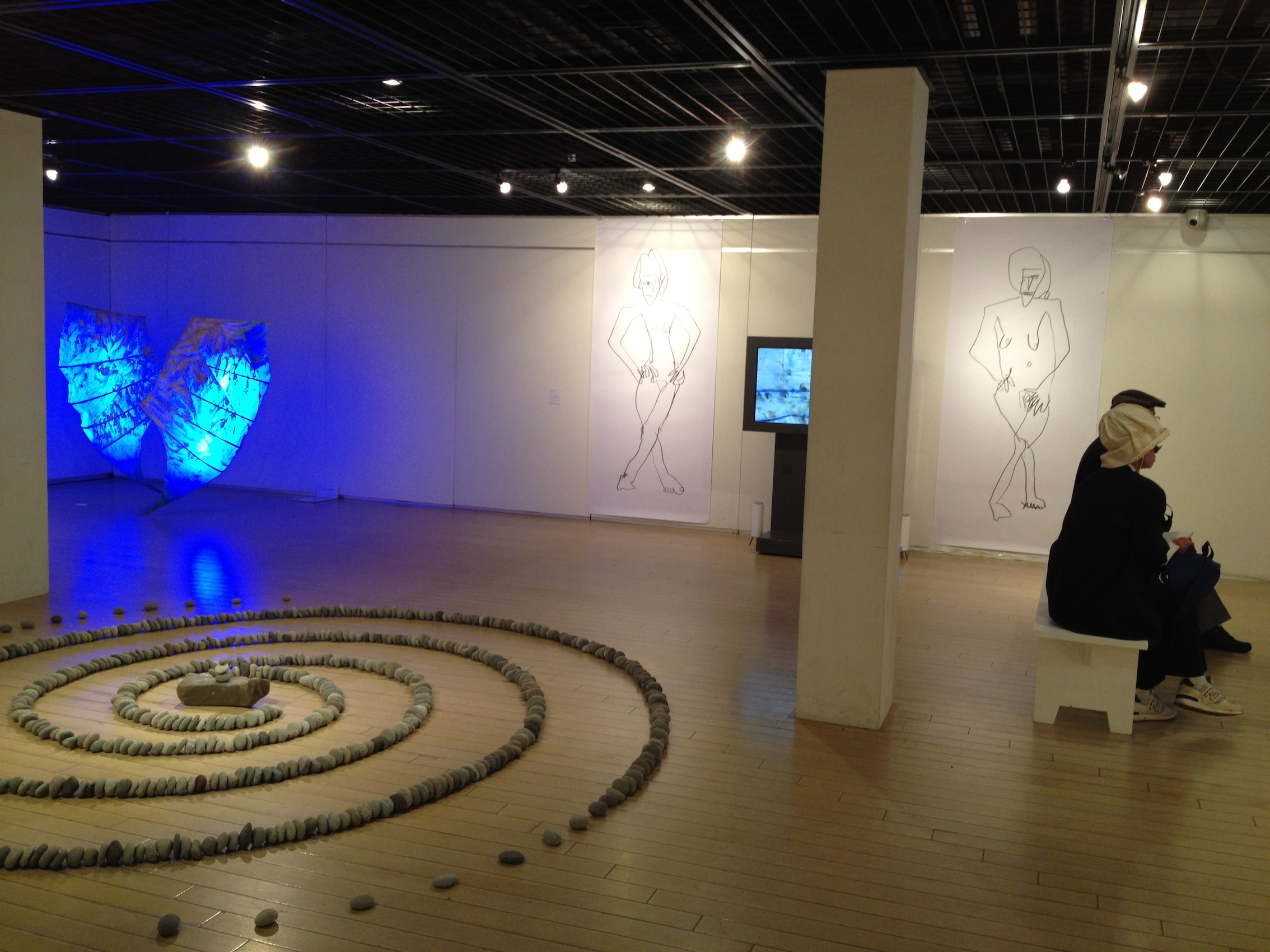


left: Taeko Ukon, Mitsuharu Miyake and Håkan Wennström (video)
middle: Toshiko Watanabe and Kerstin Svanberg
right: Shoko Miki, Cecilia Lindborg and Hitomi Iwano

Kersti Rågfelt Strandberg and Ito Chihiro


left: Helena Hildur W; right: Shizuko Ono and Jan Manker
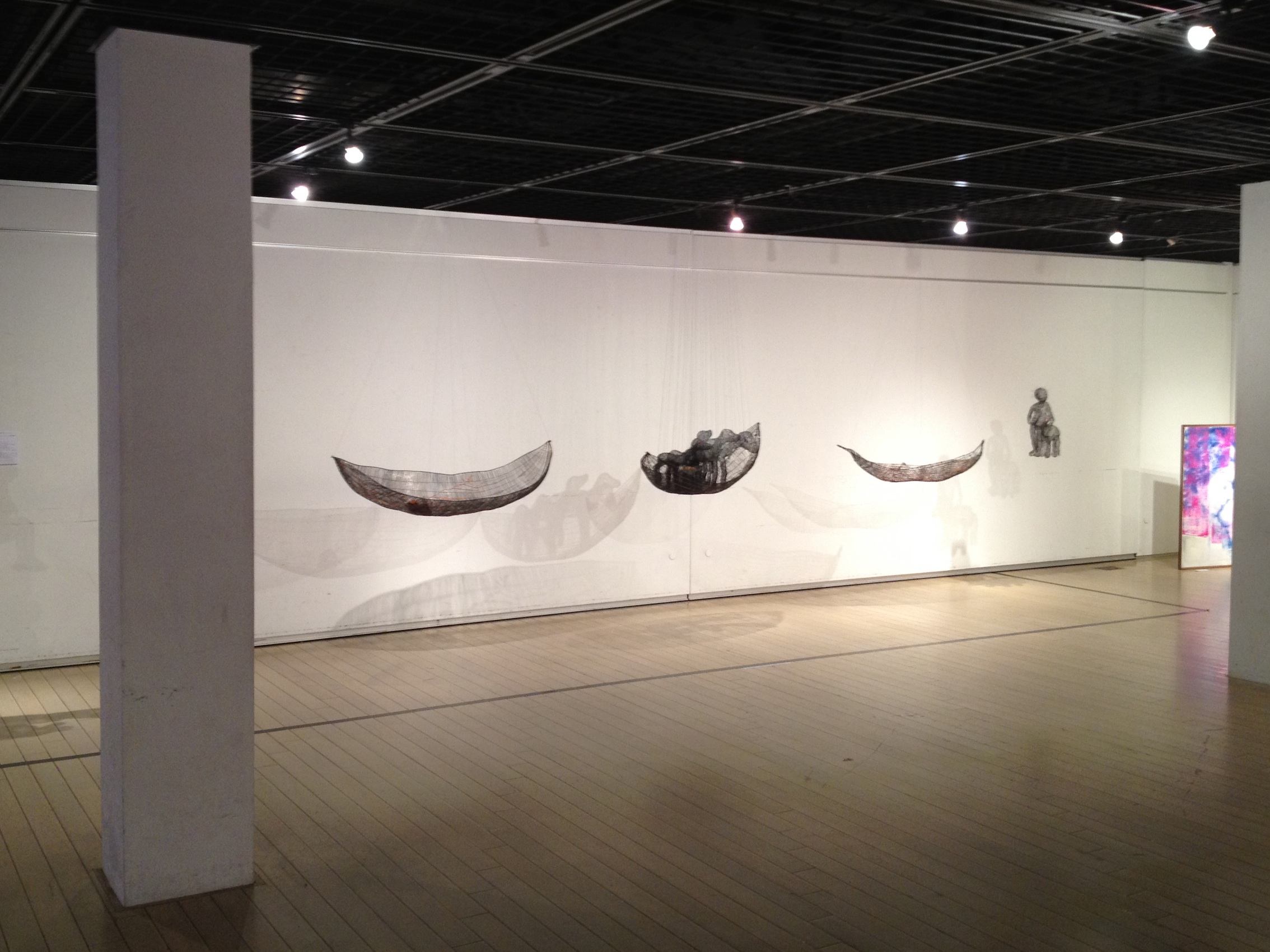
Kira Malmsten
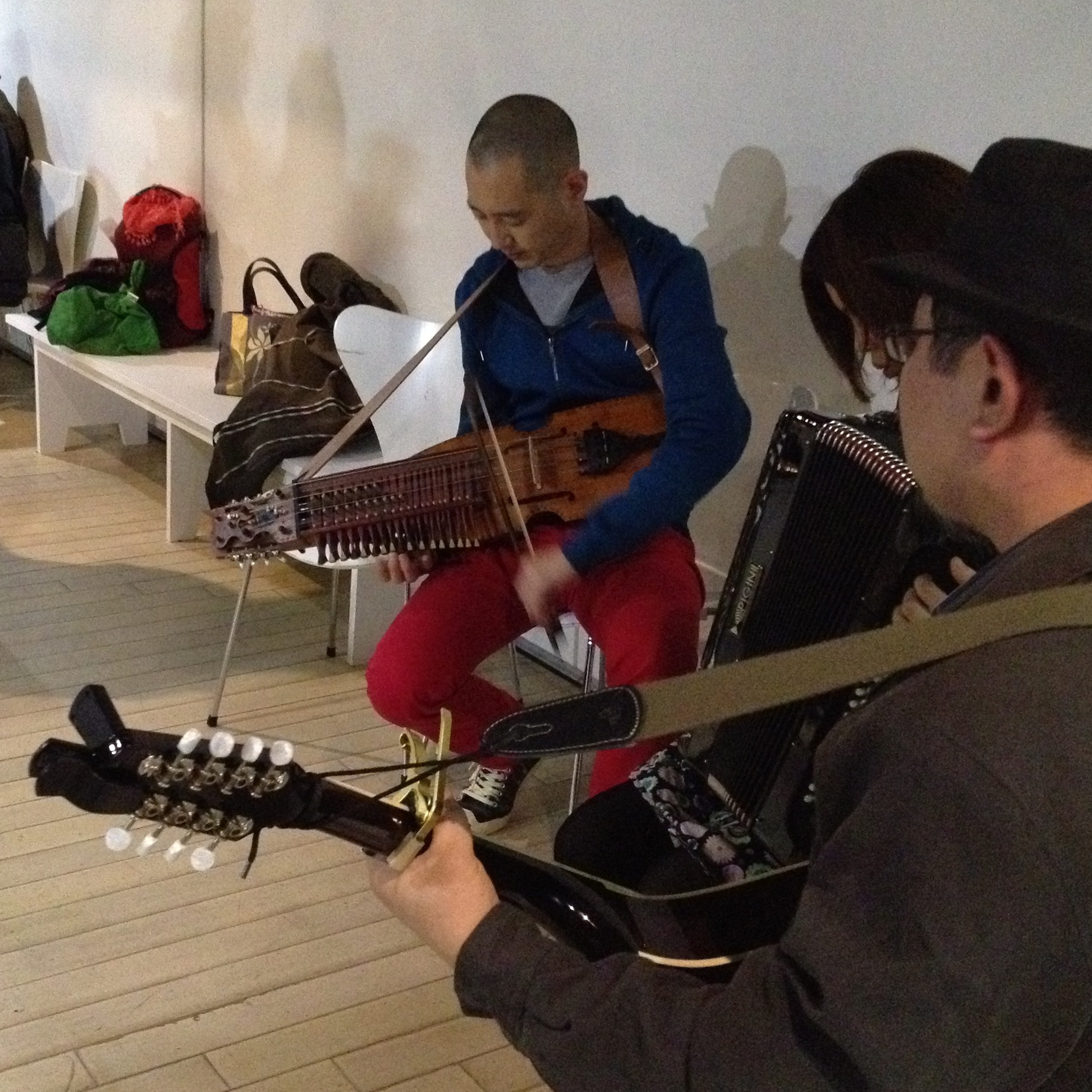
…and then, again, this happy mixture at the opening: after the opening speech by minister Ulf Sörmark from the Swedish embassy, Swedish folk music was performed on traditional instruments by Japanese kids having learned from Youtube how to play them. And a kimono-clad lady inviting everyone to dance the polska.
Safely landed at Narita Airport, the Swedish party head for Yokohama and the Red Brick Warehouse where the EAJAS exhibition will take place. Our hosts – particularly Ms Toshiko Watanabe, Ms Shizuko Ono and Ms Akiko Kondo – have prepared everything, including a welcome reception in the tiny studio of Ms Ono’s father, the late sculptor Nobumuchi Inoue. Emancipated by the cultural openness of the Meiji restauration in the 19th century, Nobumuchi Inoue gathered and merged influences from Japan, Asia and Europe. Later, during the second world war, his heartfelt world citizenship made him a conscientious objector. Today, his studio remains a working space as his daughter honours his legacy by her own career as a painter. History is present, and so is Herstory; we all share, and co-create.
Nourished by this first encounter with our Yokohama friends, I set out next morning to take a look at the city. And this is what I’ve seen.
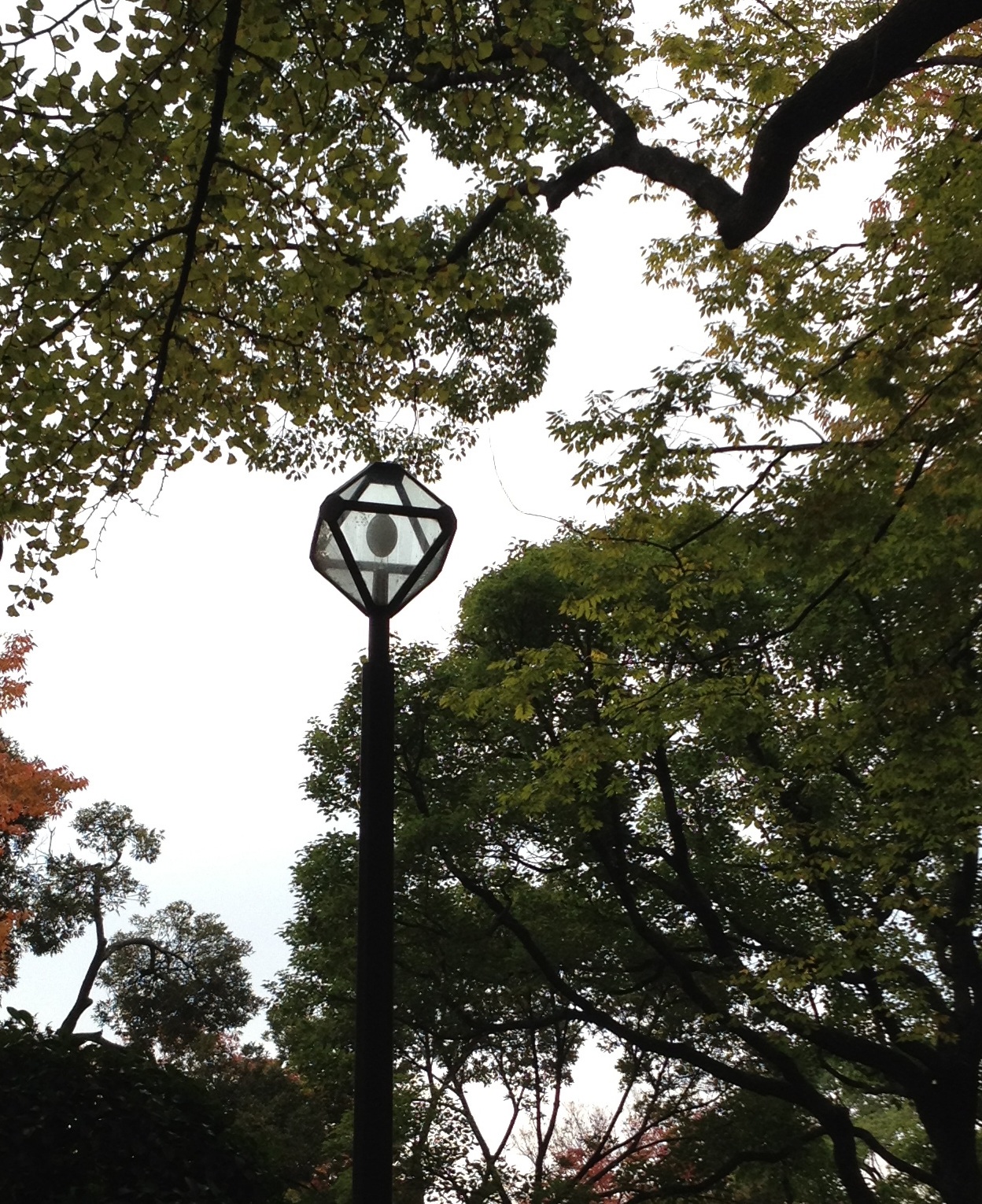
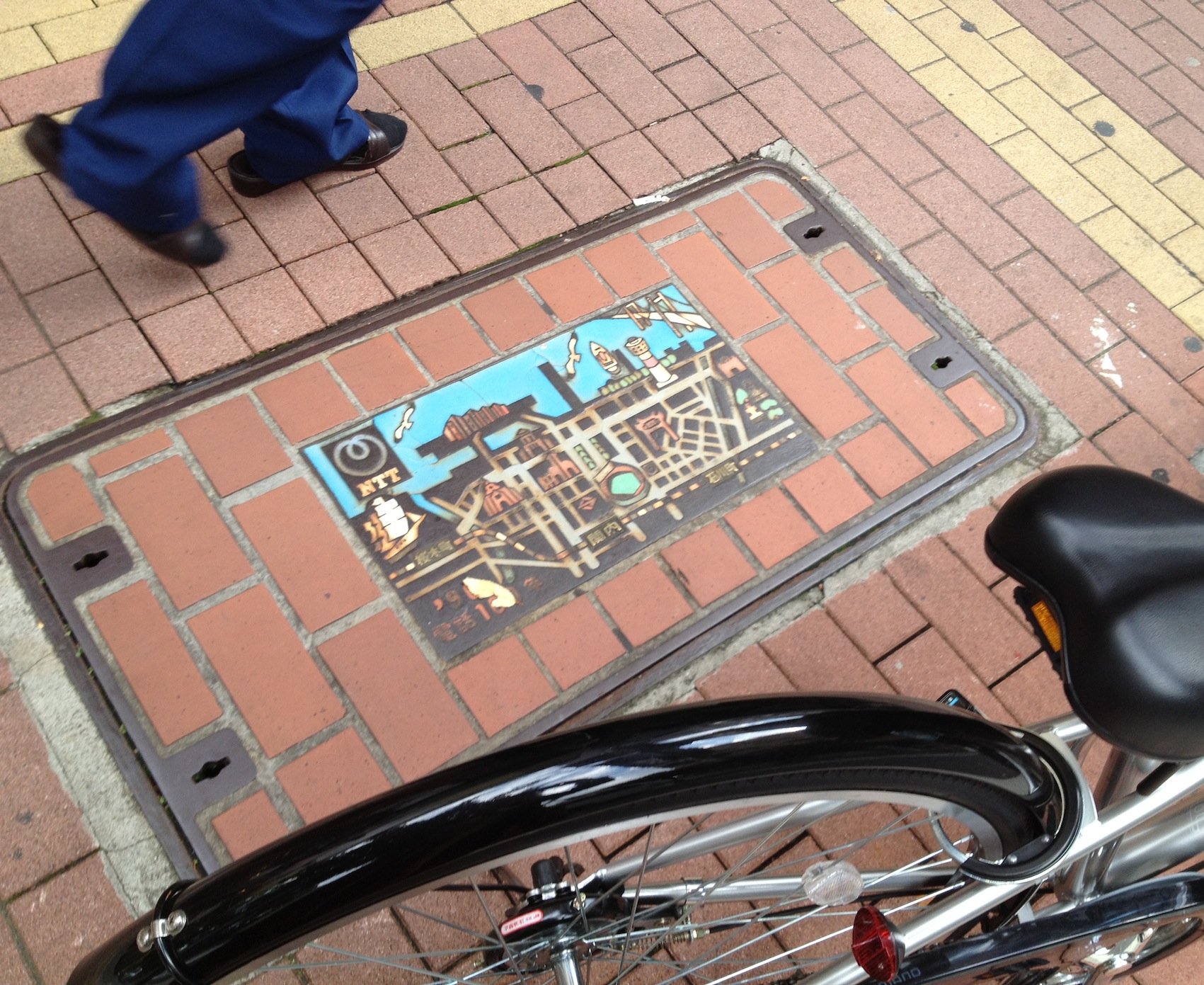
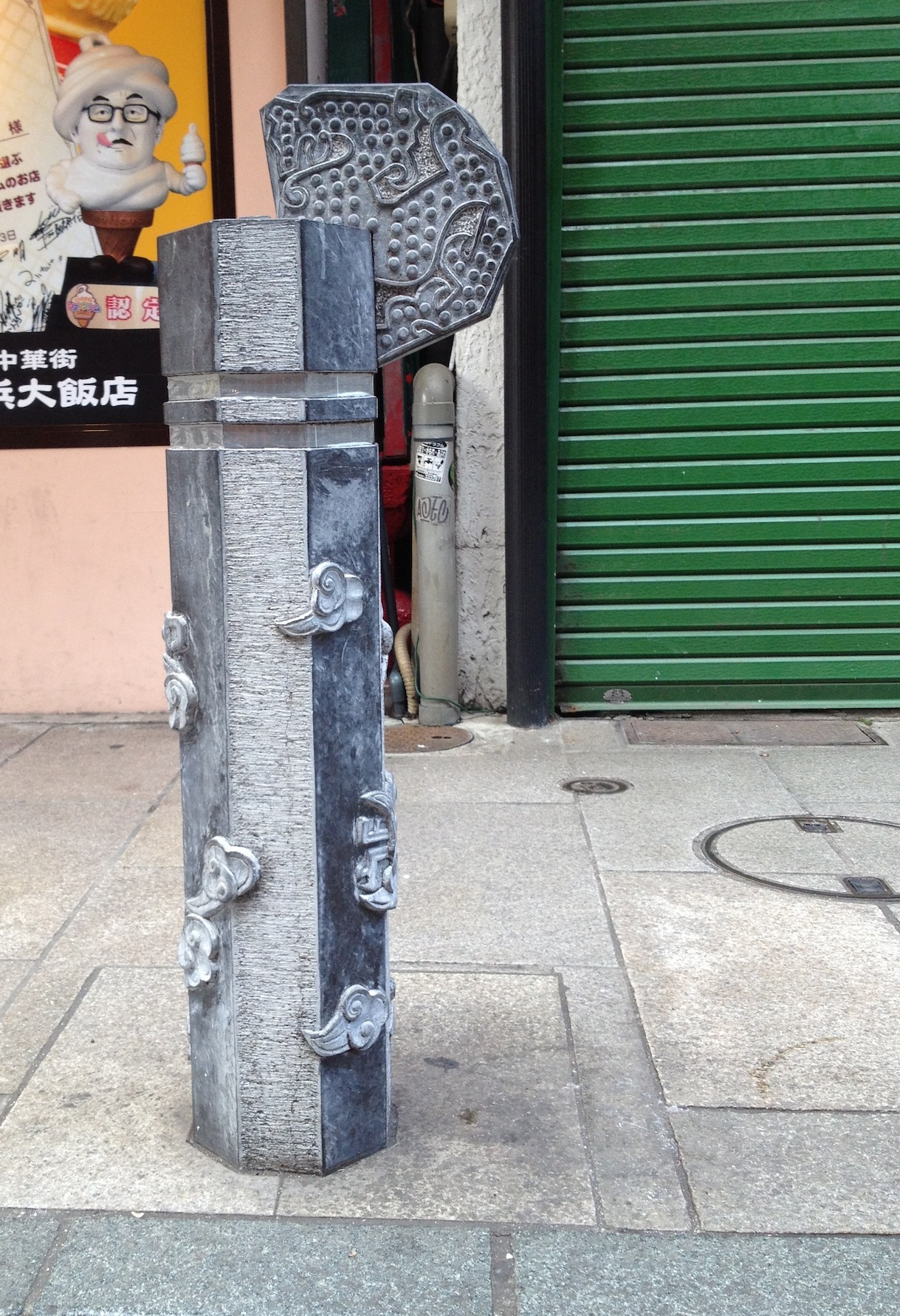
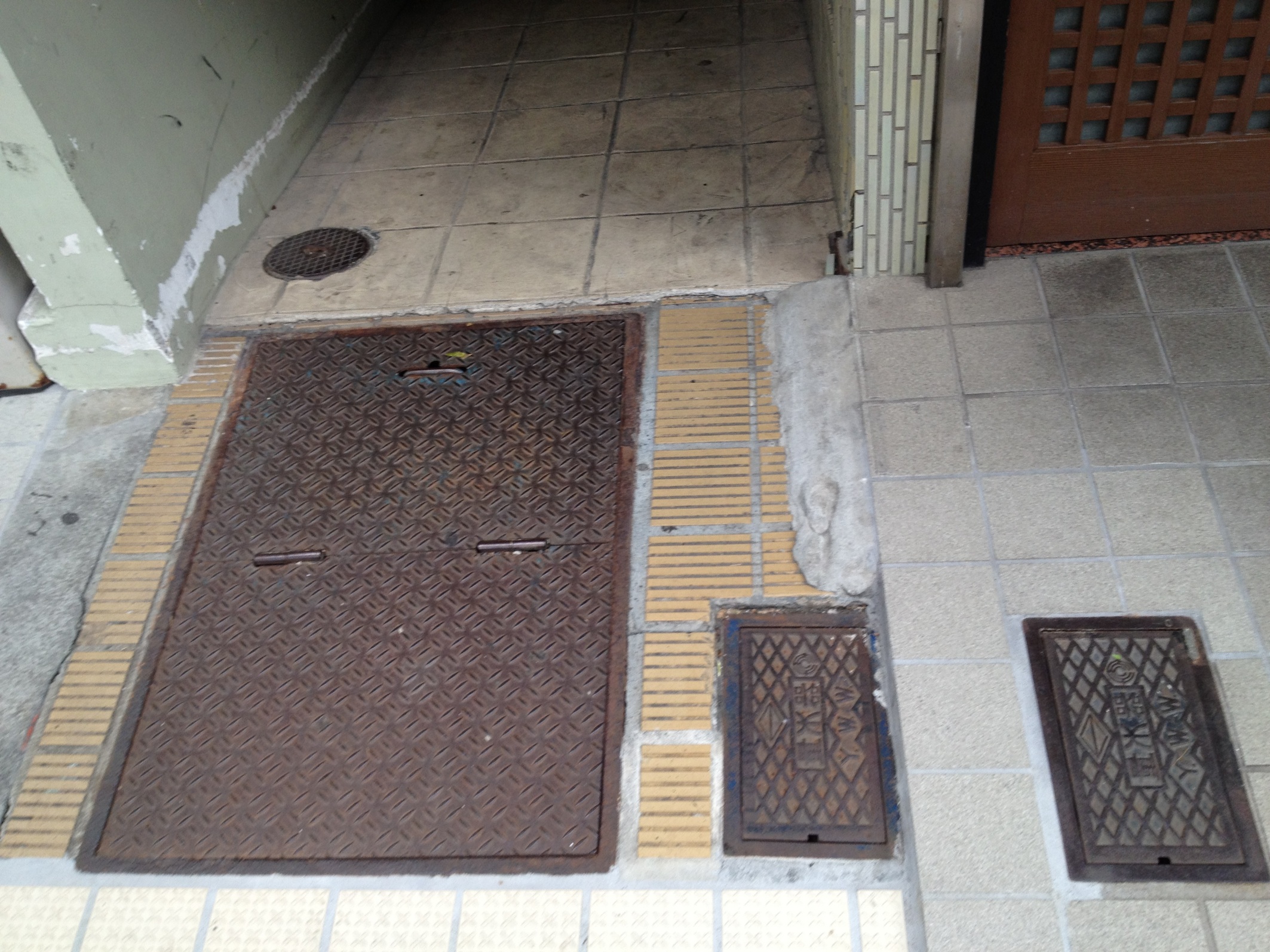
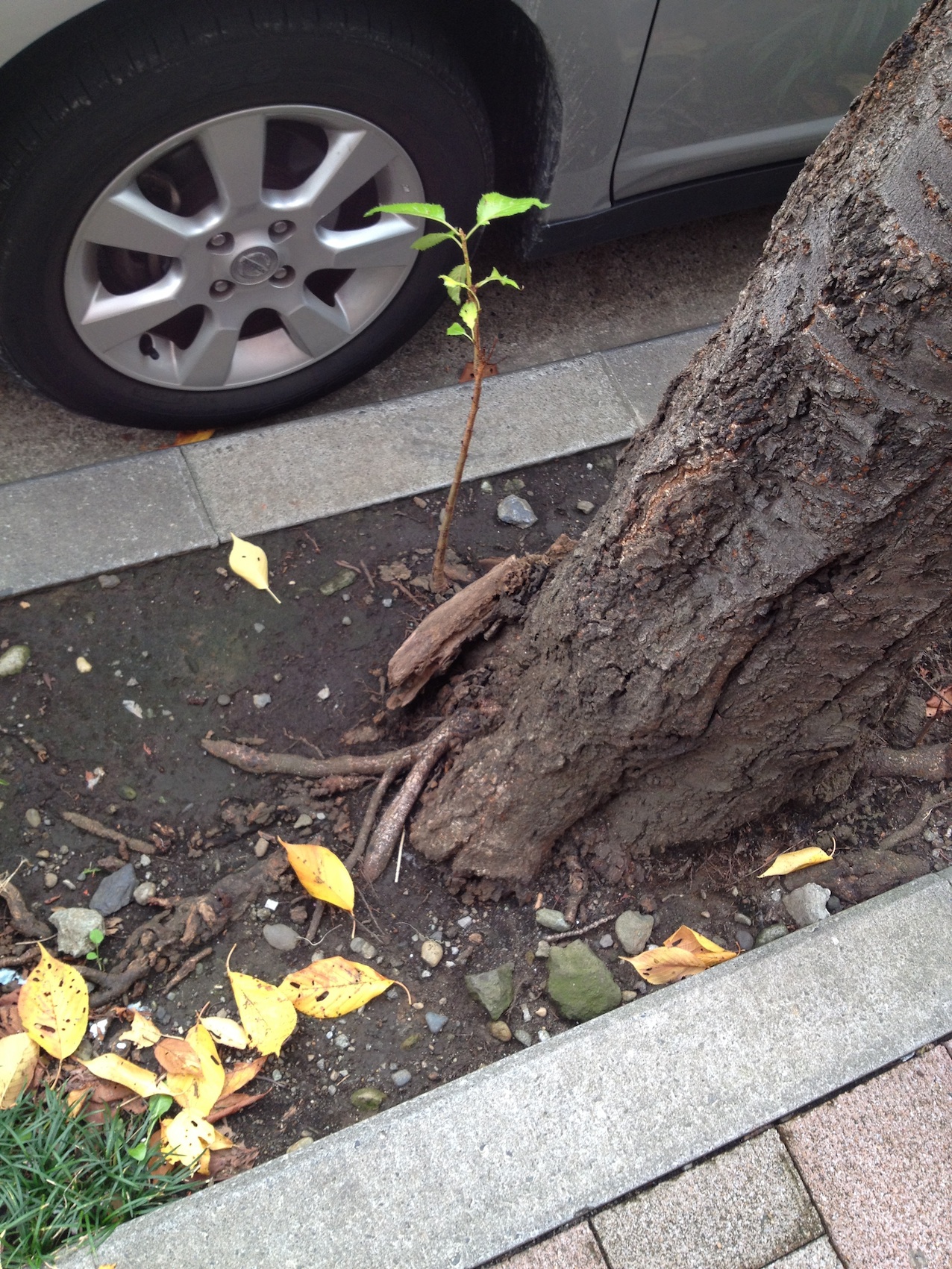
(all photos by HHW.)
EAJAS – Emerging Art from Japan & Around Scandinavia – was launched in 2010 as an art biennale alternating between Södertälje (Sweden) and Yokohama (Japan). Invited to participate in the 2012 Yokohama exhibition, I leave the Green Lab and Gnesta via Stockholm one dark November morning. First stop is Helsinki, where I meet up with a group of Swedish colleagues. Next, we fly through the night to reach another morning at the shores of the Pacific.


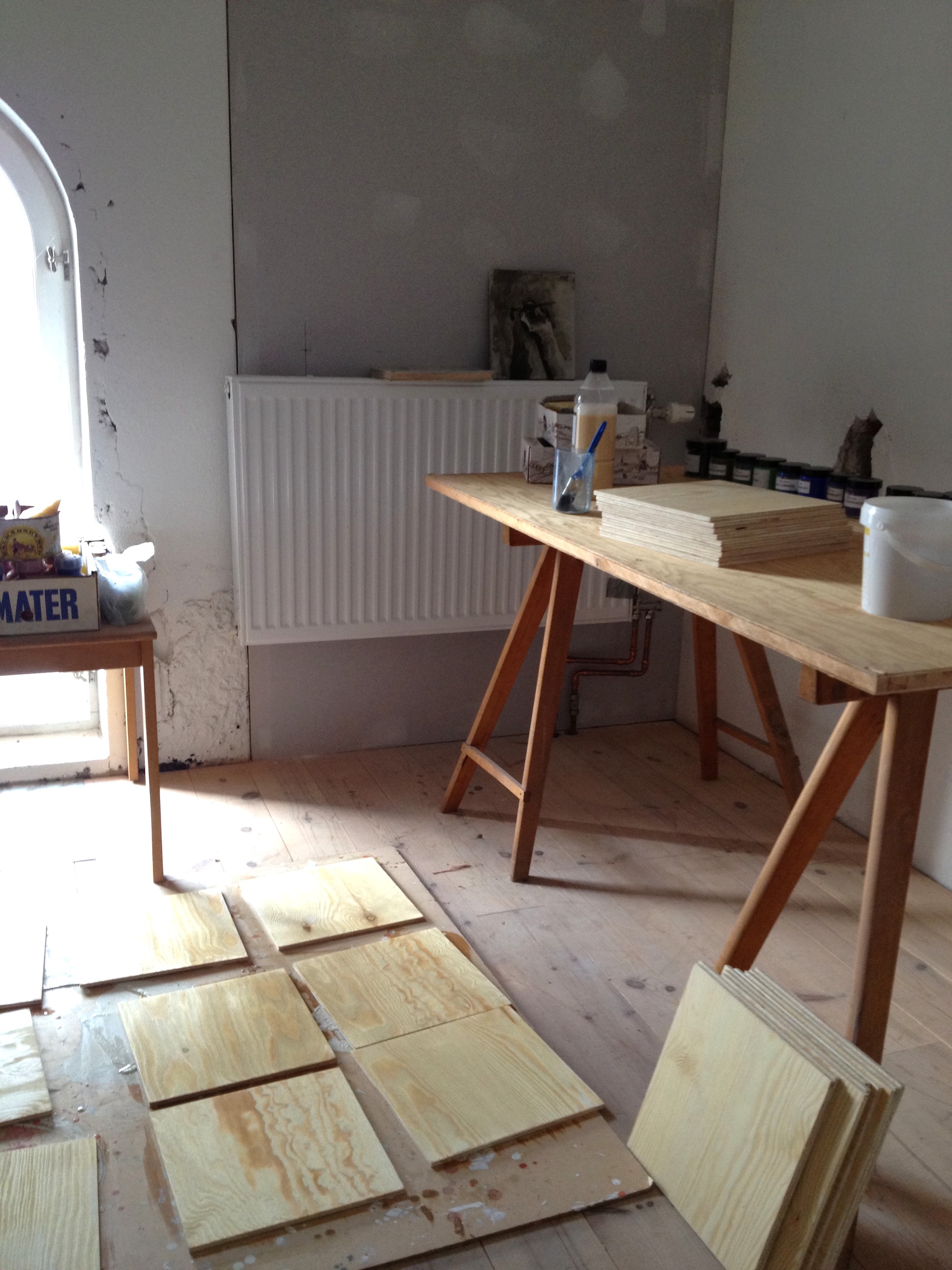
Today’s piece of work in the Green Lab was primer painting. After one layer of natural resin primer, another layer of white casein paint is added. Next step will be the trying out of a ‘Green Label’ assortment of eco-friendly pigments.
The results from the Green Lab project will be collected, systemized and published at a separate Art Lab Gnesta website.
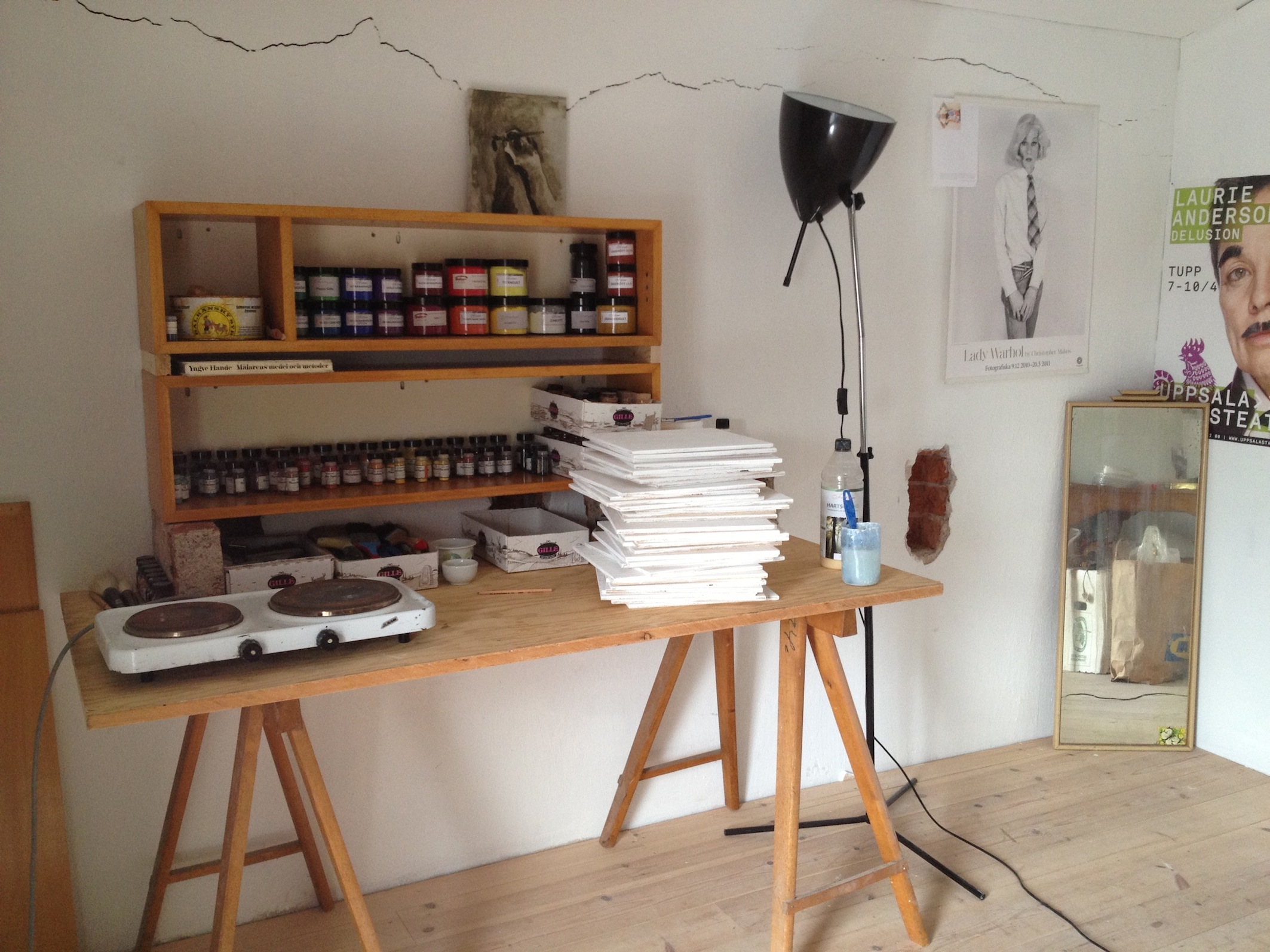

The Green Lab project at Art Lab Gnesta originated from the urge to scrutinize our own artistic practises during the Green Year 2012. Grounded in experience, this minor initiative turned out to match a general want, and rapidly grew into a larger project aiming at collecting experience about eco-friendly materials in painting and sculpture – partly also developing new techniques and composites – as well as highlighting the issue among art professionals and establishing channels for open exchange of knowledge.
Here’s the tiny first beginning of Green Lab/paint – trying out pigments, primers, binders and solvents.
To be continued…
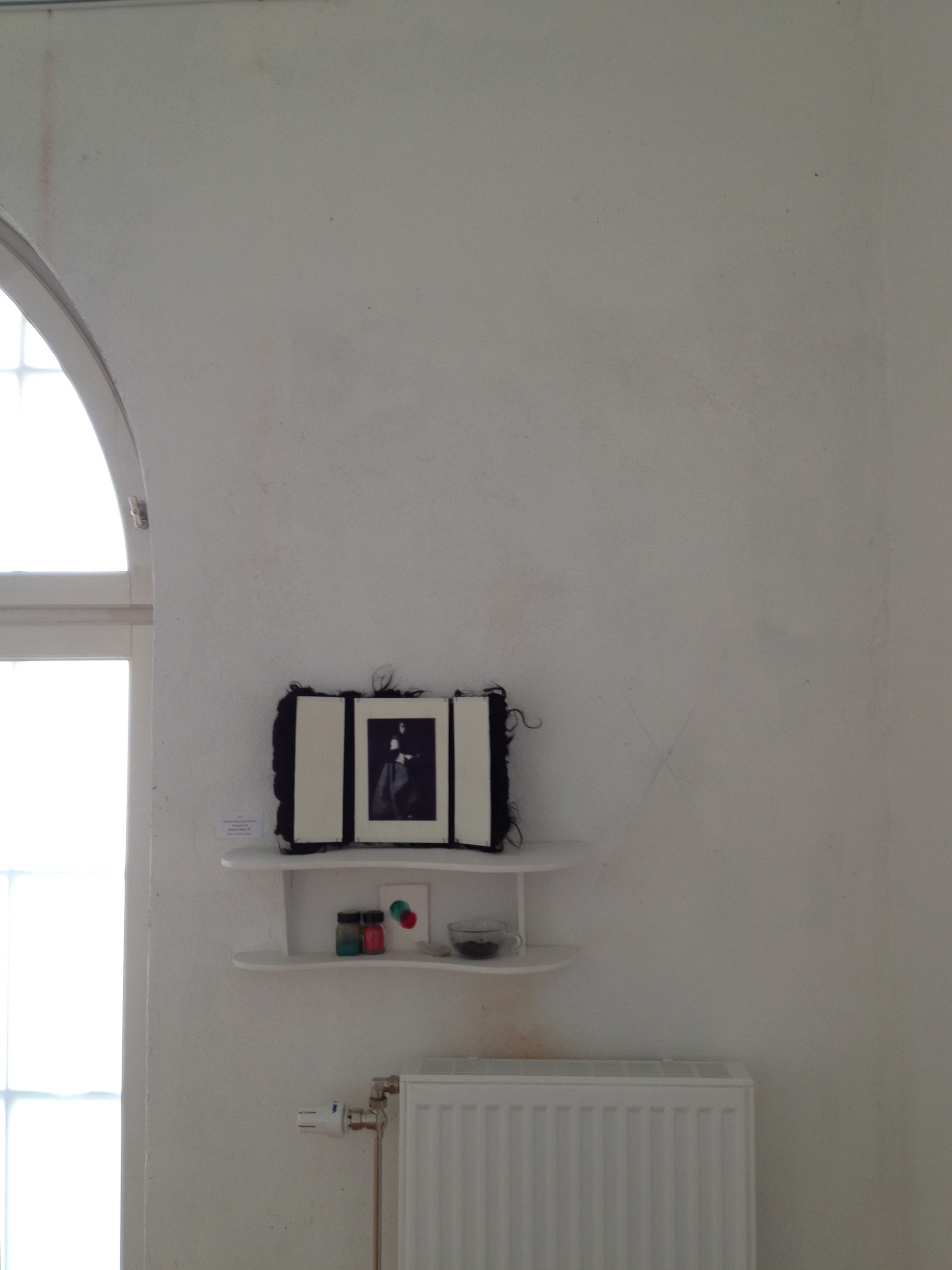
Santa Casilda reproduction at Art Lab Gnesta;
risograph print mounted on felt, pigments, monoprint on paper
and pencil drawing on wall; photo by HHW.

2012 Meet the Artist admins at Art Lab Gnesta;
photo by Signe Johannessen
The annual Meet the Artist event is powered by the municipality of Gnesta, with some help of volunteers. The exhibition space at Art Lab Gnesta is the hub where participating artists and artisans can present themselves by one work each, and open studios all over the neighbourhood attract hundreds of visitors over the weekend.
At Åmells Möbler, I share the space with photographers Bengt Björkbom and Pekka Virolainen and therapist artist Lars Berg. People come and go all day; some stay long, some are mainly interested in sofas and dining tables, some are friends and family, some are happy to recognize well-known features, some have precise technical or hermeneutical questions… For the artist, this is also a See the Viewer event, providing feedback on multiple levels.

2012 Meet the Artist event at Åmells Möbler;
photo by Lars Berg (thank you, Lars!)
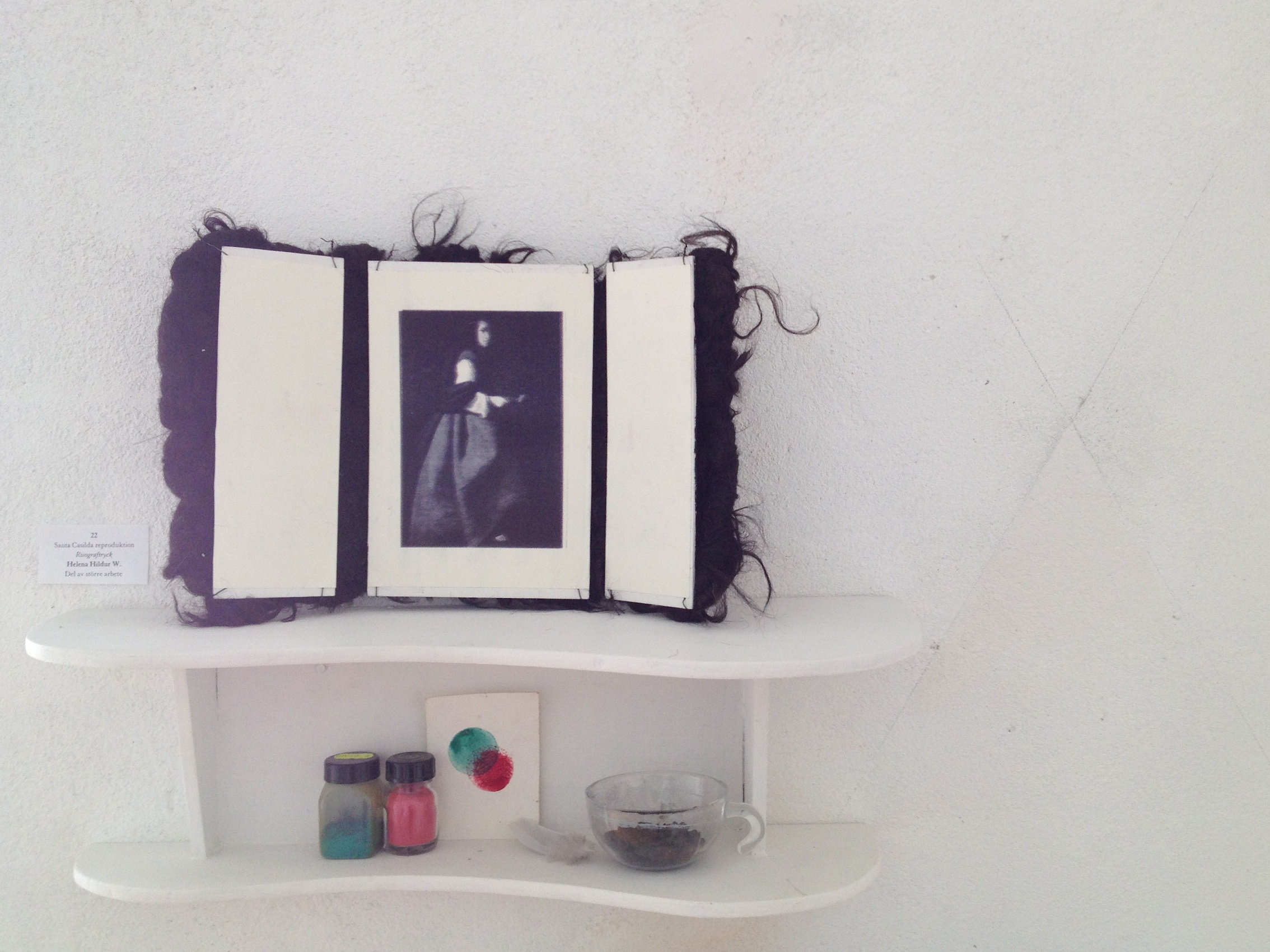
Santa Casilda reproduction; photo by HHW.

 Helena Hildur W.