Studies in Remoteness II

art, upcoming

Call for Participation:
TIME WORK. Debt, inheritance and intergenerational practice

Second gathering of Studies in Remoteness, part of the 2026 Summer Session of the Nordic Summer University

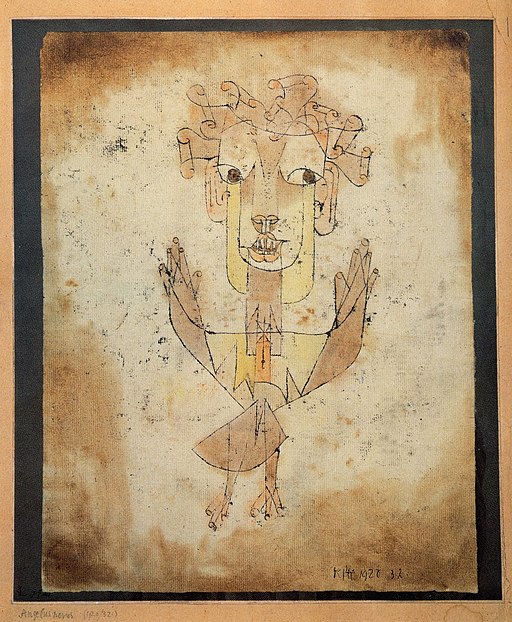
Paul Klee, Angelus Novus (monoprint 1920); photo credit Wikimedia Commons

CfP excerpt:

“Let’s call it ‘time work’: those practices that negotiate the relations between the living and the dead. Time work is not merely conducted by archivists and historians, but by grave diggers and undertakers, documentary filmmakers and memoirists, knowledge bearers, politicians, war journalists, practitioners of living traditions, speakers of dead languages, as well as by any and all who keep something – a story, a trinket, an heirloom, a song – holding onto it to remember. Time work is not easily done without feeling; It is driven by the weight of mattering, it is attention called by the fact that now – this, our, now – is in-part composed by the shadows of what and who came before. Time work is haunting work, it whispers of recurrences (‘this happened before’), and implicitly describes the present as a thing pushed to the surface of existence by the collective force of innumerable spent lives, over centuries, over millennia.

In the summer 2026 Studies in Remoteness symposium, we explore the ways that time work might destabilize the remoteness of history (its absence, distance, and neglect). How might we describe the work that transforms time into a weighted force that accumulates, persists, and can be carried forward, often across generations? Through what actions is one accountable to the past? What does it mean to hold or carry an inheritance? In what ways are people indebted to those who came before, and how might the living “pay the debts” that have accumulated over generations? What kinds of temporalities do different approaches to time work produce, and what social relations are then enabled or foreclosed? Through these questions, the symposium reflects on the entanglement of debt and history, exploring debt as an enduring paradigm that variously informs intergenerational relations, systems of oppression, and historical justice.

We particularly invite proposals that engage with voices and worldviews often marginalized or erased in dominant knowledge systems.

 – READ THE FULL CFP HERE –


Dates: July 24- 31, 2026
Place: Saulkrasti, Latvia

Welcome to apply!
Praxis of Social Imaginaries, Summer Session 2024 @Løgumkloster I

art, recent work, time-out

2024 07 LH 01
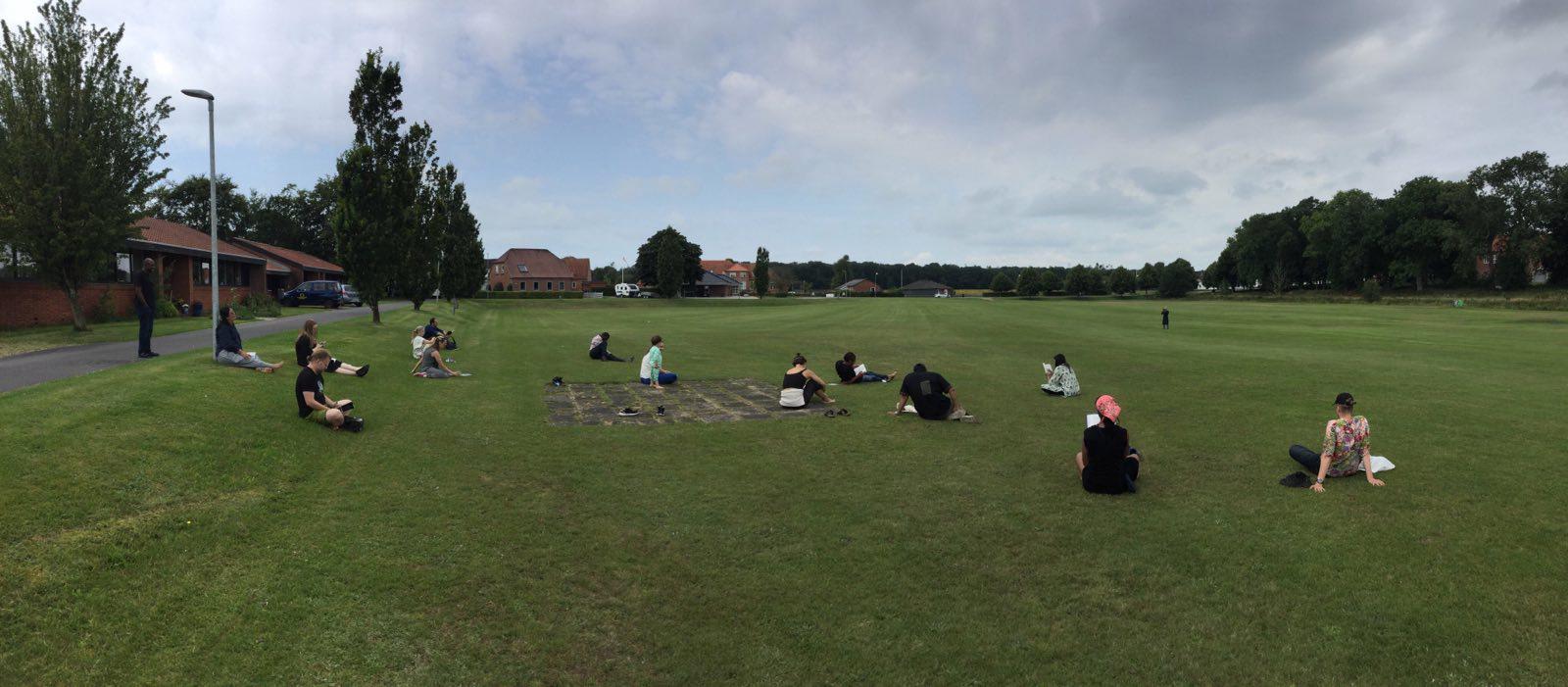
the Praxis group at work in Løgumkloster Folkehøjskole, Denmark; photo credit Laura Hellsten

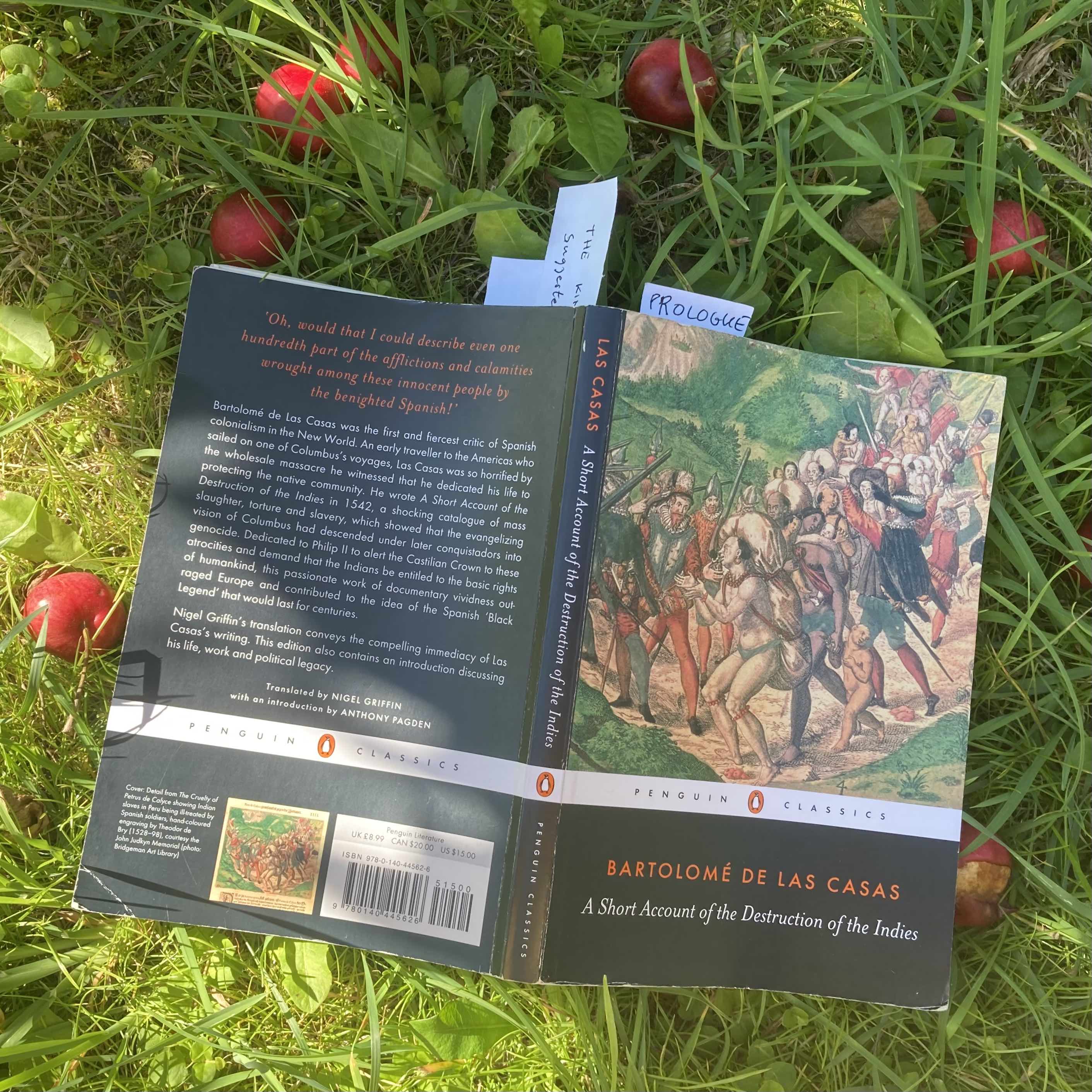
Early August, and I’m landing home after attending the 2024 Summer Session of the Nordic Summer University; after yet another week of working together with the Praxis group (or, more formally:  Circle 3, The Praxis of Social Imaginaries. Cosmologies, Othering and Liminality – one out of ten ongoing study circles within the NSU)… Our focal point this time has been A Short Account of the Destruction of the Indies by Dominican friar Bartolomé de las Casas – a fiery document from the 16th century, intended to alert the Spanish king to innumerable atrocities committed by his conquistadores in the Americas.

A Short Account

Seventeen people came together for this occasion, bringing perspectives from Peru, the US, South Africa, Nigeria, Bangladesh, India, Germany, Portugal, Denmark, Finland and Sweden… Over and over, I feel such a great gratitude for being part of this group – diverse, experienced, and creative as it is; acting together as an instrument for processing the text, even when the subject matter touches on possible conflict lines such as religion, race, or the legacies of colonial history; finding out, along the way, how community research could be conducted in a transdisciplinary setting.

Ever since the study circle began in 2023, co-facilitators Lindsey Drury and Laura Hellsten have offered multiple approaches to the text. This time, participants were actively invited to take the lead for a morning or afternoon class – resulting in reading sessions and workshops staged from very diverse fields of professional experience: for instance, highlighting the text sections about legal structures, or experiences of ‘the first encounter’; introducing complementary texts and imagery from early encyclopedic efforts to document indigenous culture* – thus inviting the group to visual and performative interpretations – as well as movement and mindfulness exercises; not to forget the practises of reading aloud, listening, talking, and writing….

It should also be mentioned, that the Nordic Summer University is open to parents bringing their kids – there’s always a Children’s Circle welcoming the young ones. However, our circle of adults had the great joy of hosting little J. (two years and a half) who preferred staying around his parent. His gentle presence, communicative skills and stunning dance moves gracefully gave us a model for human interplay.

above: dance historian Lindsey Drury presenting documents from the early encounters between the Mesoamericans and the Europeans, along with later and contemporary pictures of mestizo dance cultures;
below: local micro-examples of 20th and 21st century Danish culture

…and if photos are lacking from most working sessions, it may be because then we were all immersed in the actual co-creating of knowledge…


*specifically, the Huexotzinco Codex, the Florentine Codex, the Codex Azcatitlan and the Codex Telleriano Remensis