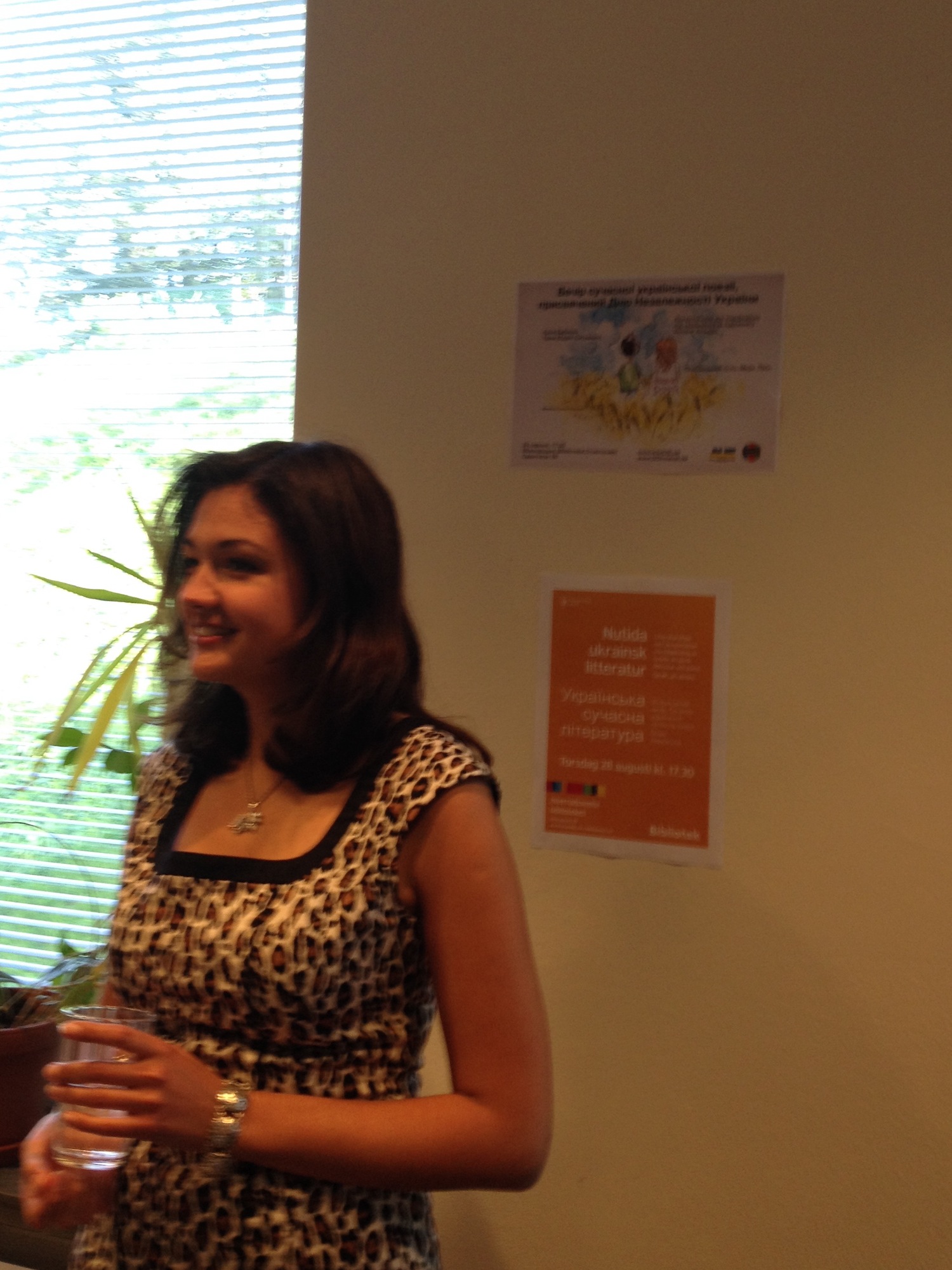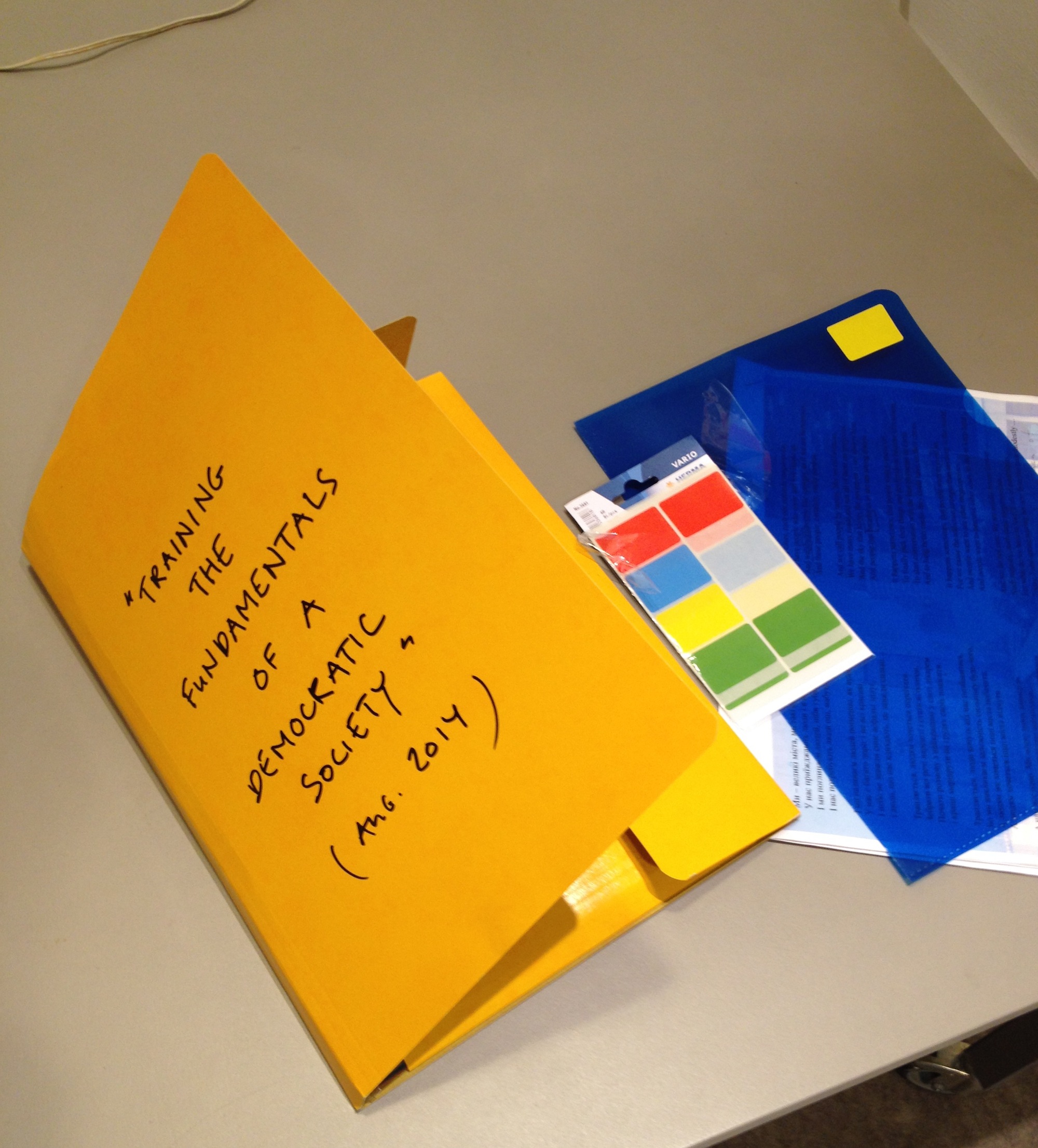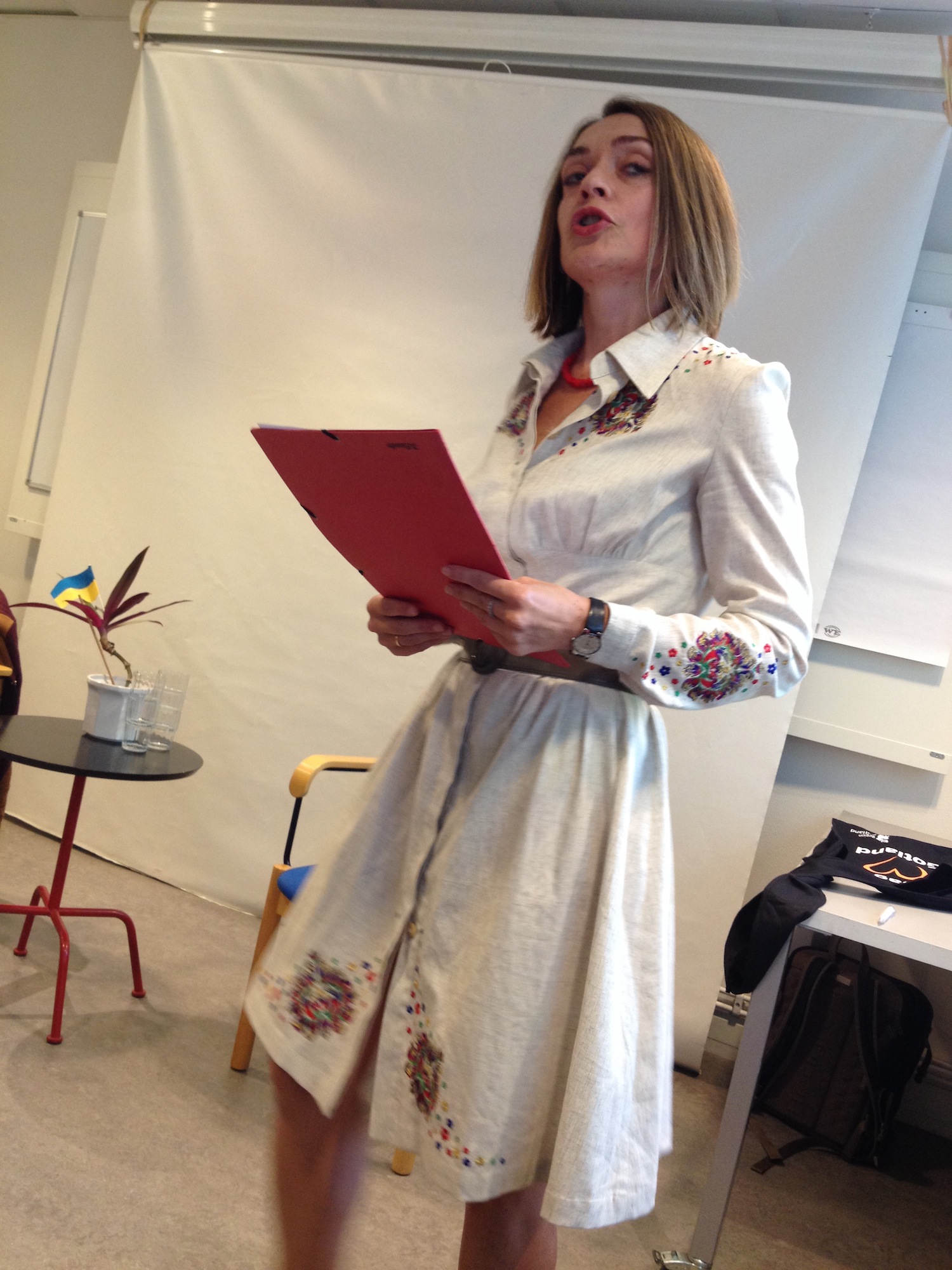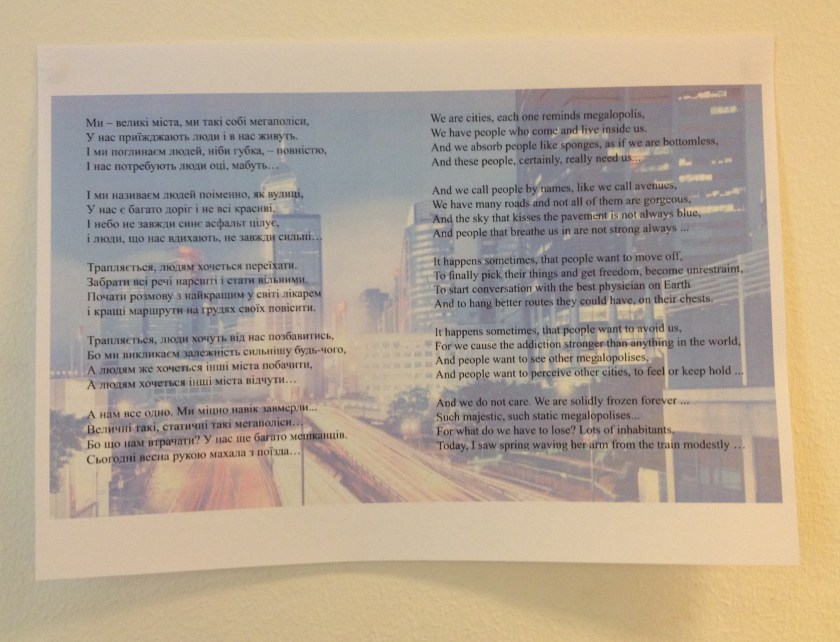
Time to reveal how the project came off, really. First, a recap – this is the ‘common ground’ we started out from, the untitled poem by Tania Maria Litvinyuk:
We are cities, each one reminds megalopolis,
We have people who come and live inside us.
And we absorb people like sponges, as if we are bottomless,
And these people, certainly, really need us…
And we call people by names, like we call avenues,
We have many roads and not all of them are gorgeous,
And the sky that kisses the pavement is not always blue,
And people that breathe us in are not strong always…
It happens sometimes, that people want to move off,
To finally pick their things and get freedom, become unrestraint,
To start conversation with the best physician on Earth,
And to hang better routes they could have, on their chests.
It happens sometimes, that people want to avoid us,
For we cause the addiction, stronger than anything in the world,
And people want to see other megalopolises,
And people want to perceive other cities, to feel or keep hold…
And we do not care. We are solidly frozen forever…
Such majestic, such static megalopolises…
For what do we have to lose? Lots of inhabitants.
Today, I saw spring waving her arm from the train modestly…
(English translation by Ludmila Kovalenko)
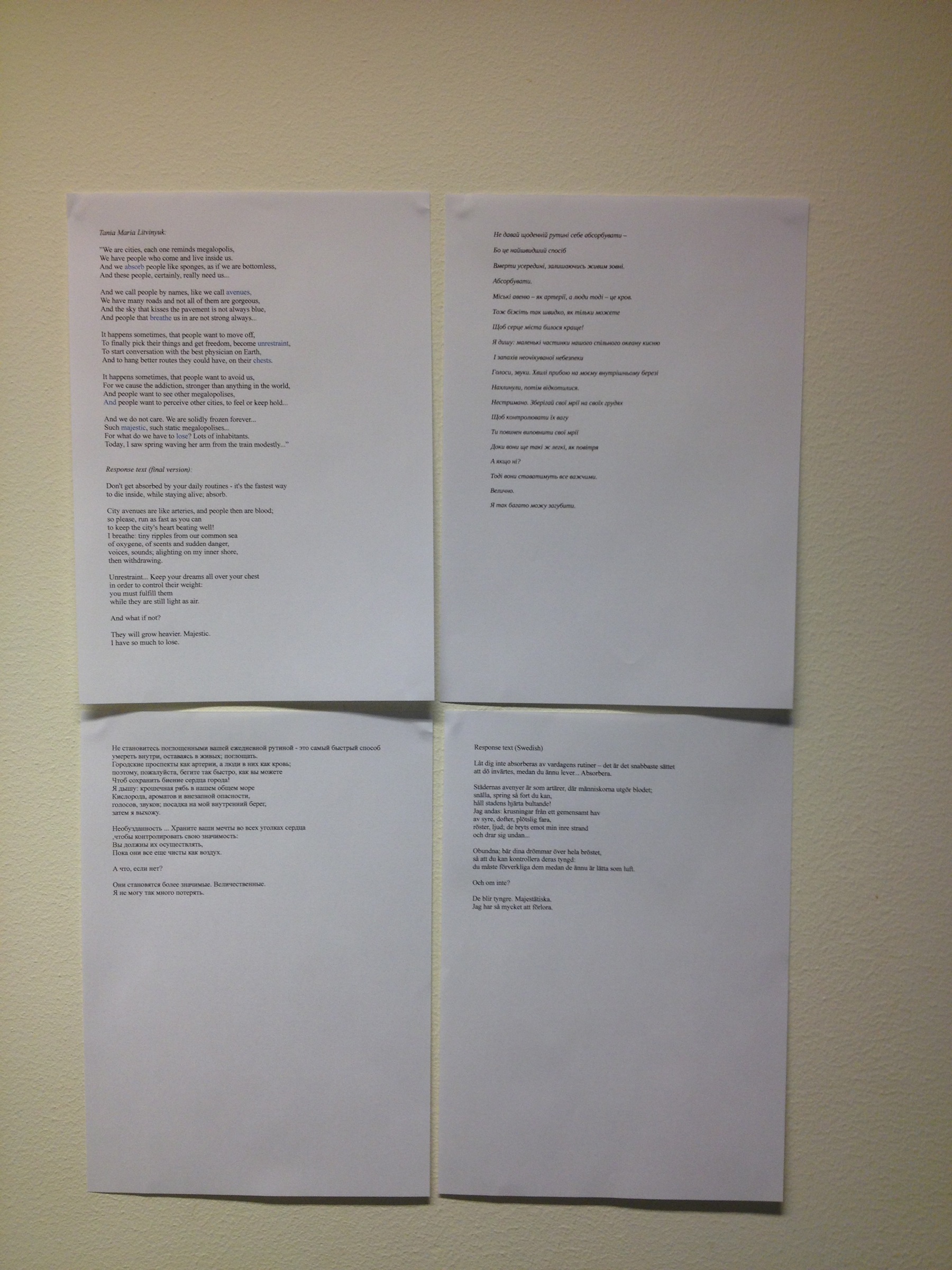
Words marked in blue represent the intervention of the project’s participants; during three days of repeated individual readings, each one of us selected some words of special significance. Without sharing, we noted the personal associations, feelings and memories they brought about. Next, we formed our own sentences around those chosen words – still without knowing what the others would come up with. The sentences were gathered and arranged strictly according to their connection with the original poem, and the resulting text was distributed back to all participants. I also offered everyone the option of adding one more sentence, to moderate or to develop some theme. And this is the response, in its final version:
Don’t get absorbed by your daily routines – it’s the fastest way
to die inside, while staying alive; absorb.
City avenues are like arteries, and people then are blood;
so please, run as fast as you can
to keep the city’s heart beating well!
I breathe: tiny ripples from our common sea
of oxygen, of scents and sudden danger,
voices, sounds; alighting on my inner shore,
then withdrawing.
Unrestraint… Keep your dreams all over your chest
in order to control their weight:
you must fulfill them
while they are still light as air.
And what if not?
They will grow heavier. Majestic.
I have so much to lose.
Now, this text is written in English – naturally, since it’s the only language we have in common. But in the last part of the project, we rendered it into our own languages; so, at the public reading, it was presented in four successive transformations. That is…

…Swedish:
Låt dig inte absorberas av vardagens rutiner – det är det snabbaste sättet
att dö invärtes, medan du ännu lever. Absorbera.
Städernas avenyer är som artärer, där människorna utgör blodet;
snälla, spring så fort du kan,
håll stadens hjärta bultande!
Jag andas: krusningar från ett gemensamt hav
av syre, dofter, plötslig fara,
röster, ljud; de bryts emot min inre strand
och drar sig undan…
Obundna; bär dina drömmar över hela bröstet,
så att du kan kontrollera deras tyngd:
du måste förverkliga dem medan de ännu är lätta som luft.
Och om inte?
De blir tyngre. Majestätiska.
Jag har så mycket att förlora.
***
…Russian:
Не становитесь поглощенными вашей ежедневной рутиной – это самый быстрый способ умереть внутри, оставаясь в живых; поглощать.
Городские проспекты как артерии, а люди в них как кровь;
поэтому, пожалуйста, бегите так быстро, как вы можете
Чтоб сохранить биение сердца города!
Я дышу: крошечная рябь в нашем общем море
Кислорода, ароматов и внезапной опасности,
голосов, звуков; посадка на мой внутренний берег,
затем я выхожу.
Необузданность … Храните ваши мечты во всех уголках сердца
,чтобы контролировать свою значимость:
Вы должны их осуществлять,
Пока они все еще чисты как воздух.
А что, если нет?
Они становятся более значимые. Величественные.
Я не могу так много потерять.
***
…and Ukrainian:
Не давай щоденній рутині себе абсорбувати –
Бо це найшвидший спосіб
Вмерти усередині, залишаючись живим зовні.
Абсорбувати.
Міські авеню – як артерії, а люди тоді – це кров.
Тож біжіть так швидко, як тільки можете
Щоб серце міста билося краще!
Я дишу: маленькі частинки нашого спільного океану кисню
І запахів неочікуваної небезпеки
Голоси, звуки. Хвилі прибою на моєму внутрішньому березі
Нахлинули, потім відкотилися.
Нестримано. Зберігай свої мрії на своїх грудях
Щоб контролювати їх вагу
Ти повинен виповнити свої мрії
Доки вони ще такі ж легкі, як повітря
А якщо ні?
Тоді вони ставатимуть все важчими.
Велично.
Я так багато можу загубити.

Full documentation here:
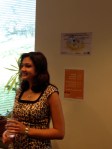
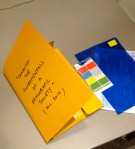
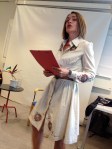
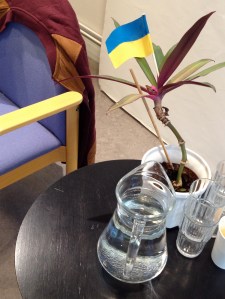
Evening at International Library, Stockholm